

Read about the latest human origins discoveries, Leakey Foundation-supported research, and news from the field.
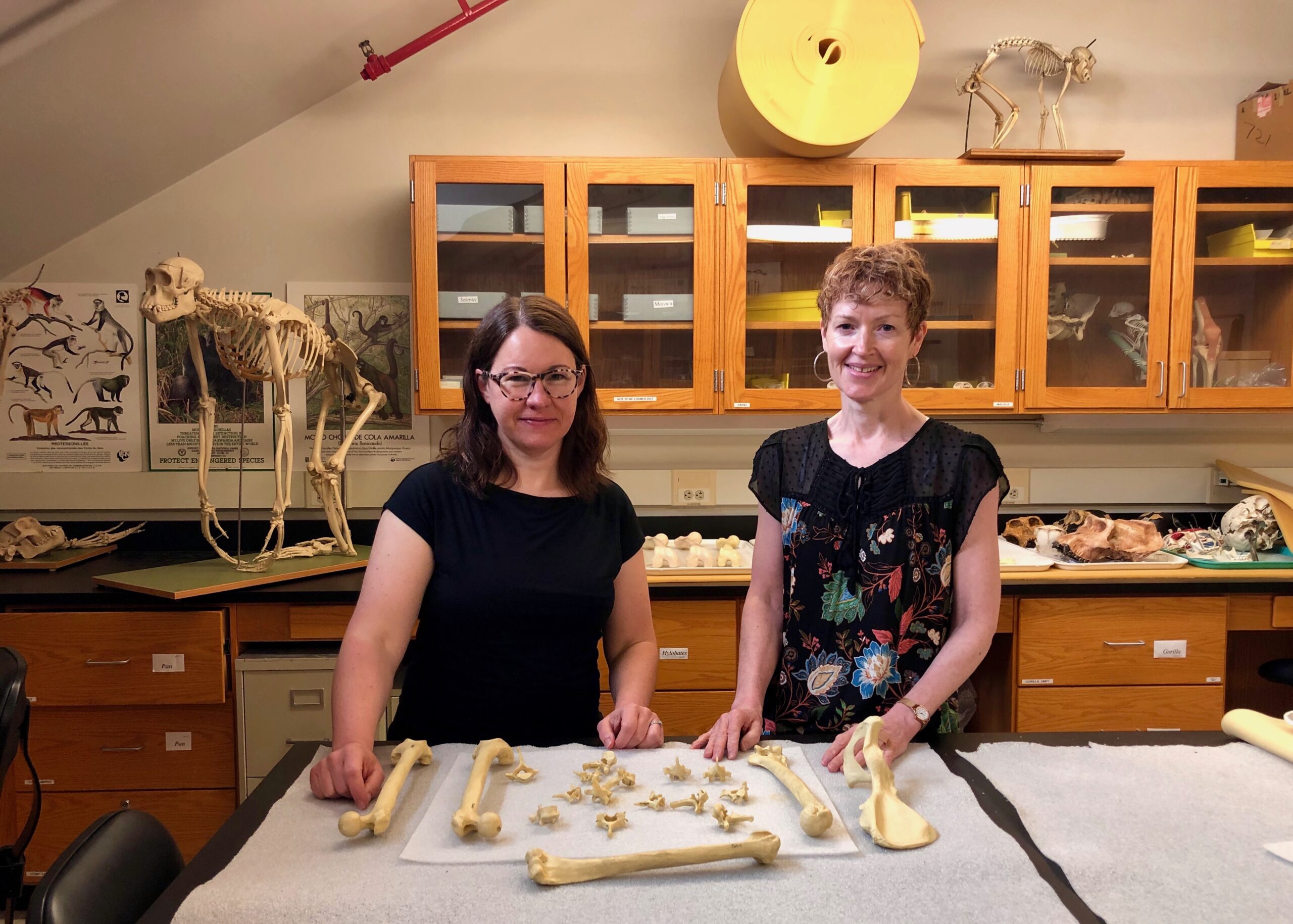
Laura MacLatchy: Investigating early apes
Grantee Spotlight
Laura MacLatchy is a a paleoanthropologist whose Leakey-funded research investigates fossil apes from Uganda to reveal how early apes adapted to grassy woodlands 20 million years ago.

Origin Stories x The Science Podcast
Origin Stories
This month’s Origin Stories podcast episode features two stories from the Science Podcast. First, Science writer Ann Gibbons tells the story of three ancient hominin species that lived side-by-side in South Africa’s Cradle of Humankind. Then, anthropologist Melanie Beasley discusses her new study on why chemical signals in Neanderthal teeth and bones make them look like hypercarnivores.
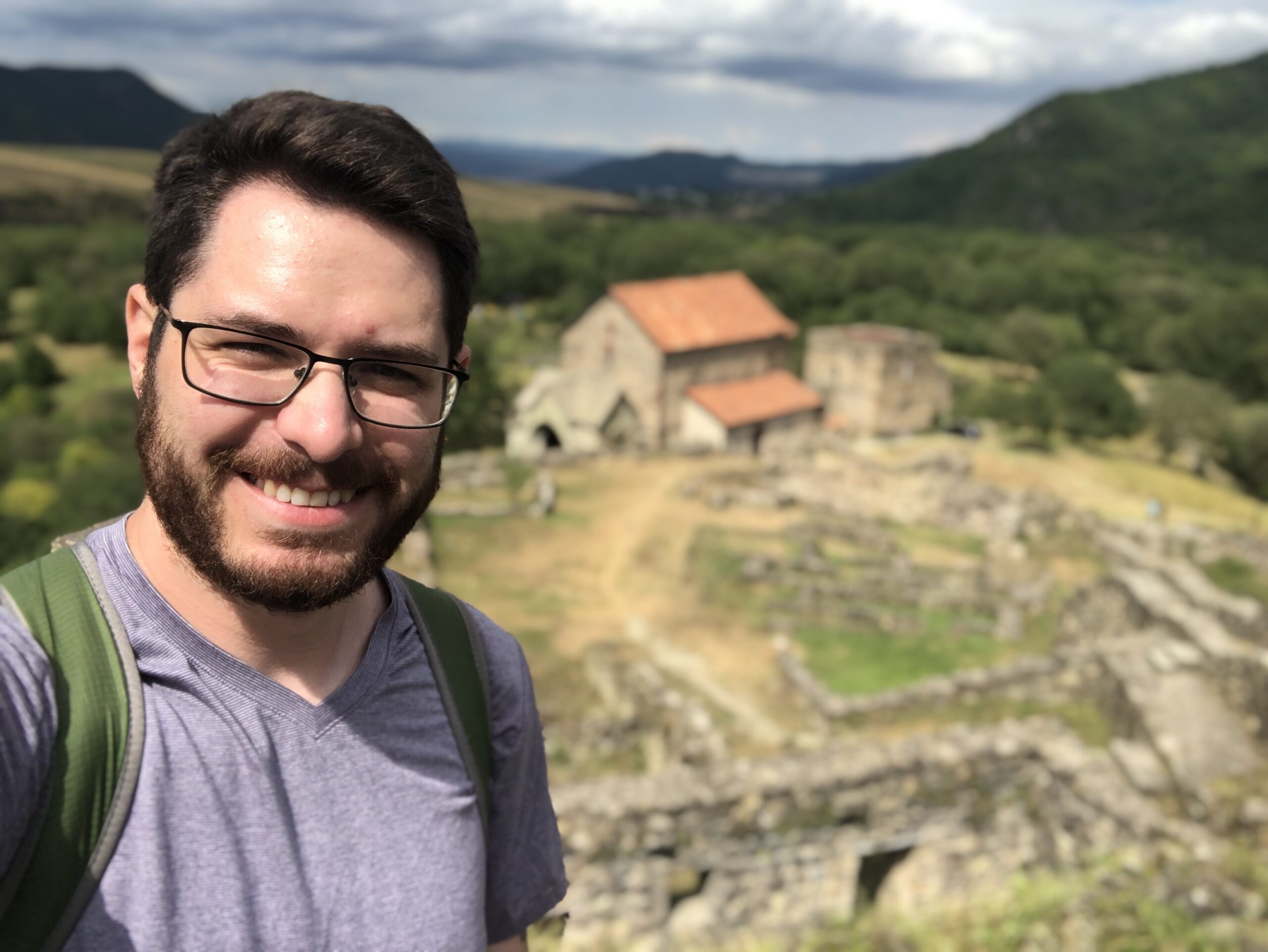
Grantee Spotlight: Tanner Kovach
Grantee Spotlight
Tanner Kovach is a Leakey Foundation grantee whose research explores how Neanderthals and Homo sapiens adapted to their environments and interacted during a key moment in human history.

Myra Laird: How teeth tell stories about diet and evolution
Grantee Spotlight
Myra Laird, a Leakey Foundation grantee and assistant professor at the University of Pennsylvania, investigates how tiny scratches and pits on primate teeth form as they eat. By studying four living primate species, she is uncovering how tooth shape and food interact to create dental microwear patterns, providing new insights into fossil hominin diets and human oral health.

Ancient human relatives transported stones over long distances 600,000 years earlier than previously thought
Archaeology | Human Origins
New Leakey Foundation-supported research finds that ancient human relatives sourced raw materials for tool-making from as far as 8 miles away.
Daniel García Martínez: Investigating ancient humans in Spain
Grantee Spotlight
Leakey Foundation grantee Daniel García Martínez investigates 300,000-400,000-year-old fossils in Spain to learn about early human behavior and tool use.
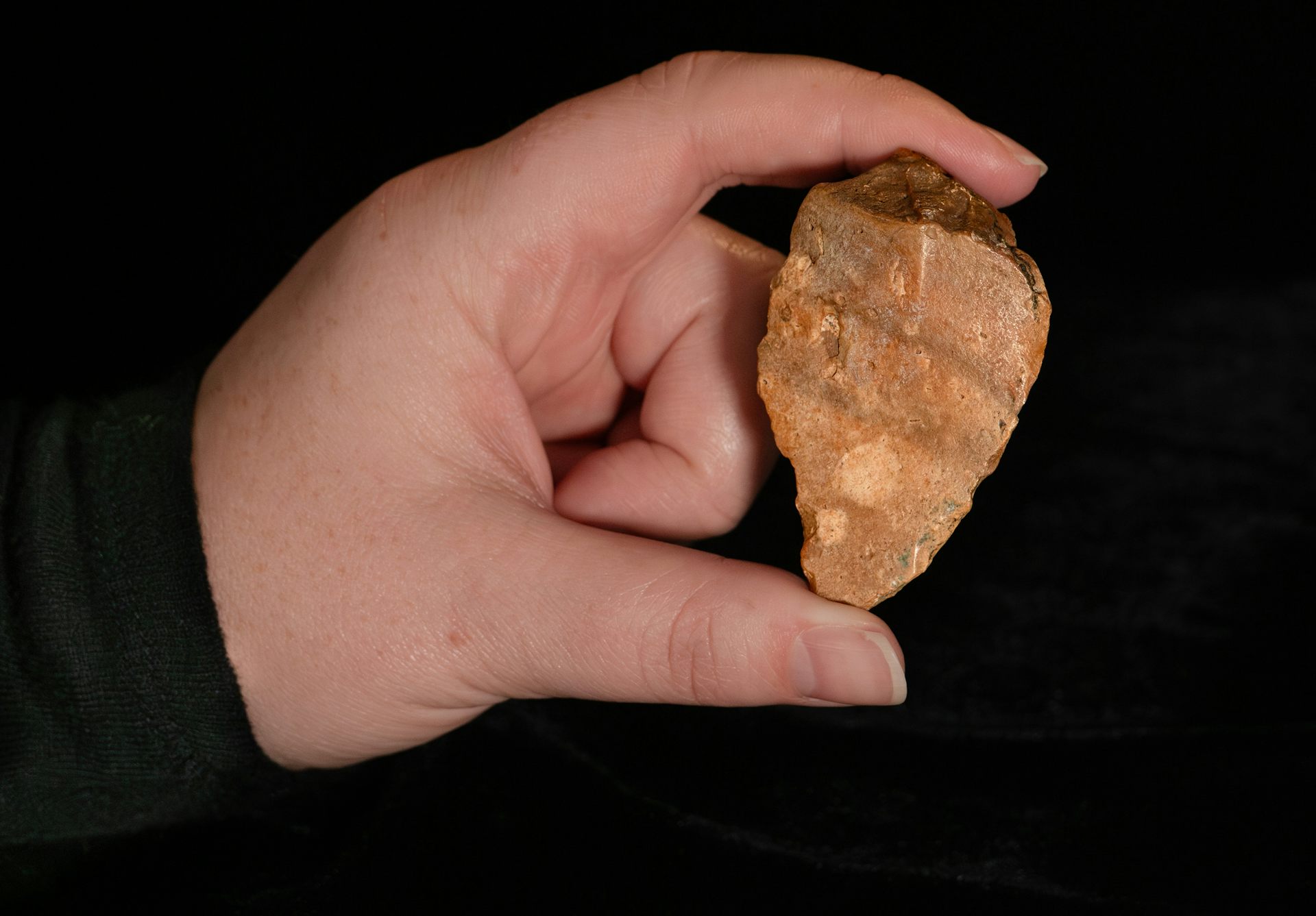
This stone tool is over 1 million years old. How did its maker get to Sulawesi without a boat?
Archaeology | Human Origins
Stone tools dating to at least 1.04 million years ago have been found on the Indonesian island of Sulawesi. This means early hominins made a major sea crossing from the Asian mainland much earlier than previously thought – and they likely didn’t have any boats.
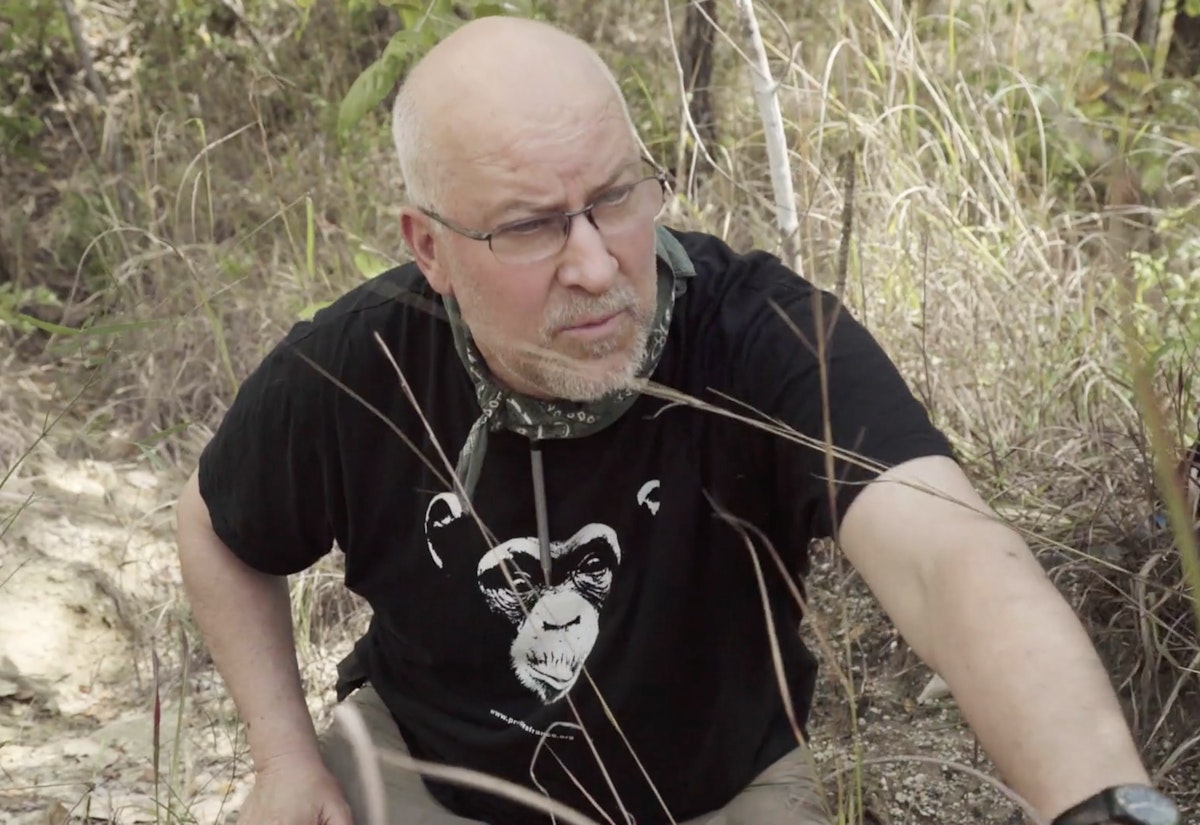
Grantee Spotlight: René Bobe
Grantee Spotlight
René Bobe is a Leakey Foundation grantee and recipient of the 2025 Gordon P. Getty Award. His research examines the relationship between climate and evolution, with a focus on the environments and ecology of human origins in Africa.
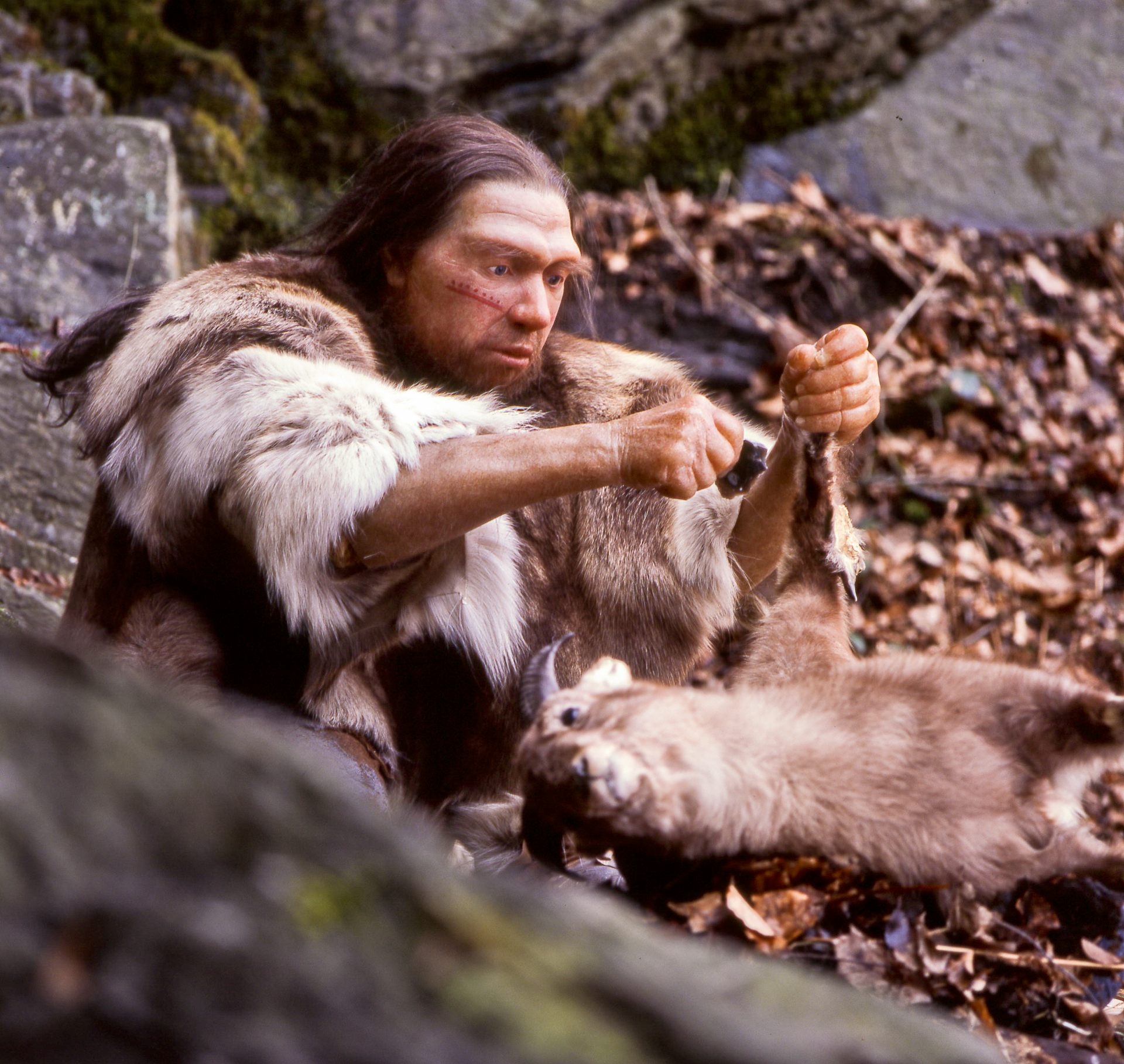
Neanderthals likely ate fermented meat with a side of maggots
Human Origins
Scientists long thought that Neanderthals were avid meat eaters. New research suggests their diet had a secret ingredient: maggots.
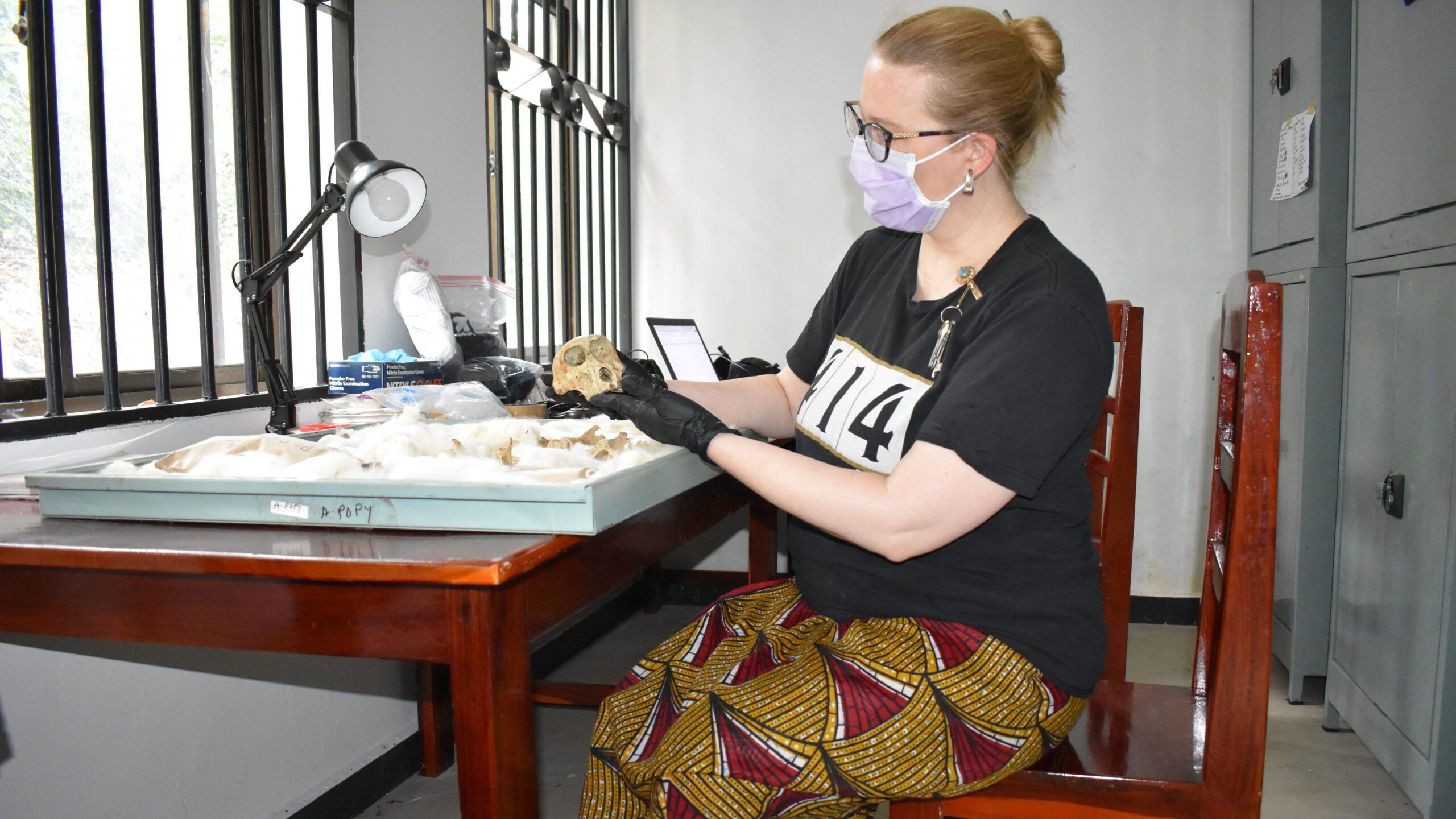
Baboon skeletons, health, and human evolution
Grantee Spotlight
Claire Kirchhoff, a Leakey Foundation grantee and professor at Marquette University, studies baboon skeletons from Gombe National Park to explore how bones reflect behavior, health, and social life.