
Grantee Spotlight
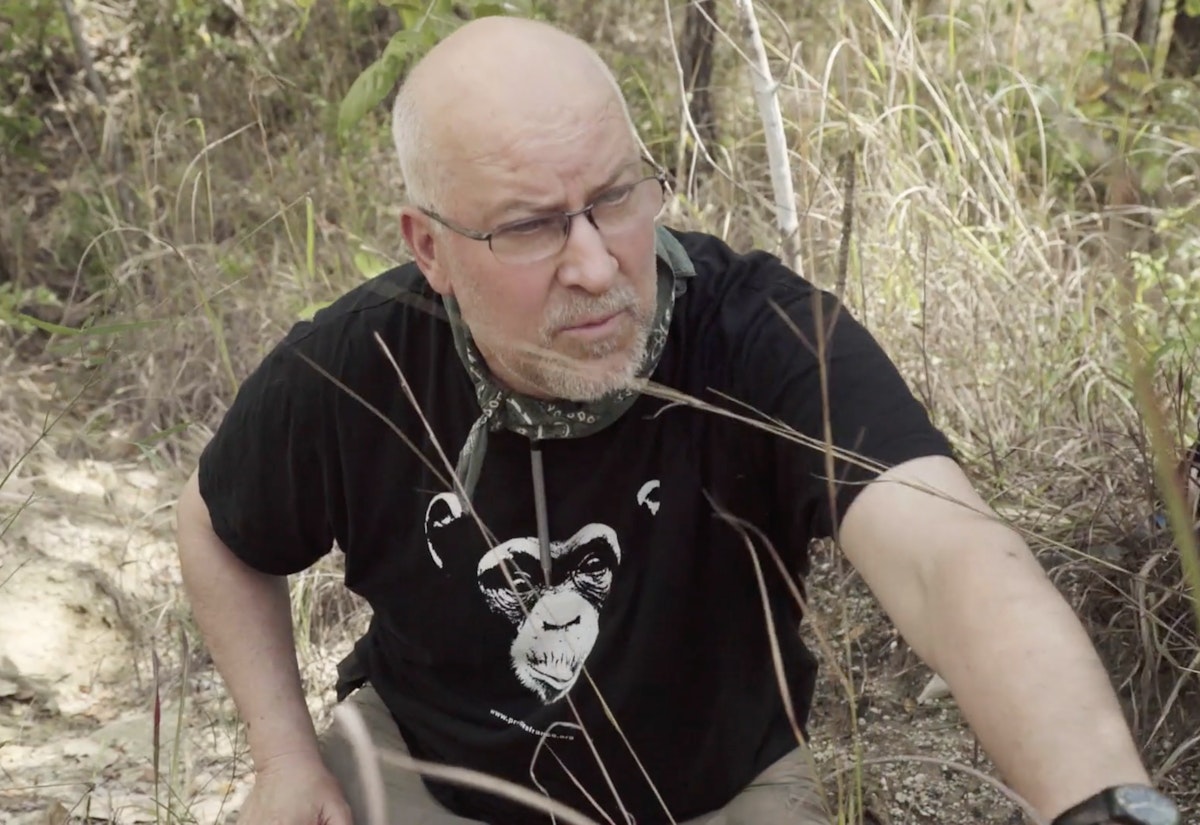
René Bobe is a Leakey Foundation grantee and recipient of the 2025 Gordon P. Getty Award for Multidisciplinary Research. Dr. Bobe is a paleobiologist and evolutionary anthropologist interested in the relationship between climate and evolution, with a focus on the environments and ecology of human origins in Africa. He studies fossil mammals that provide long-term records of ecological change, using interdisciplinary approaches to analyse how the past can help us understand current environmental problems.
He has conducted field research at key paleoanthropological sites in eastern Africa, such as Hadar, Dikika, the lower Omo Valley, and the Turkana Basin. For the past decade, he has worked at Gorongosa National Park in Mozambique. He also carries out field research in western Patagonia, focused on early South American monkeys.
He earned his PhD in biological anthropology from the University of Washington and conducted postdoctoral research at the Smithsonian Institution’s National Museum of Natural History. Currently, he is a researcher at the Universidade do Algarve in Portugal and Head Paleontologist at Gorongosa National Park, Mozambique. He is also a Research Associate at the University of Oxford.
Bobe’s work addresses fundamental questions about the relationship between climate and evolution: How do species adapt to Earth’s dynamic climate? How can fossil records help us infer past environmental changes? How can studying ancient ecosystems inform today’s conservation decisions?
Questions and answers with René Bobe

Tell us about your Leakey Foundation-supported research project
One of the major puzzles in human evolution is how our lineage originated from a common ancestor with the African apes. There are many hypotheses about human origins, but these tend to lack biogeographic context. They do not consider the main evolutionary patterns involving other species within the geographic framework of Africa.
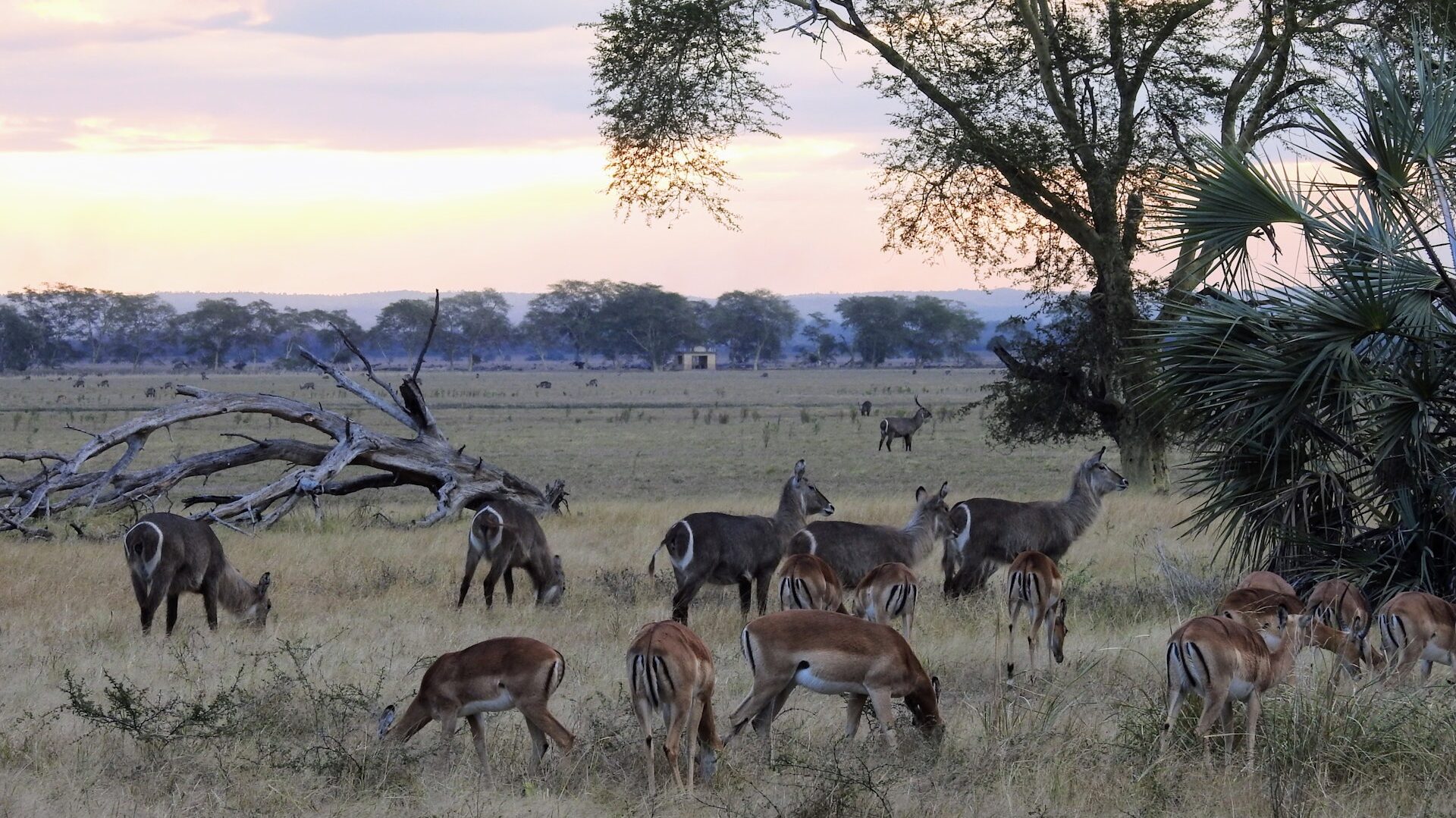
Did human origins require unique circumstances or was it part of broader evolutionary processes involving other species? In this project, we take a decidedly biogeographic point of view. We consider that a key driving force in the origin of African species since the Miocene has been the increasing isolation of the coastal forests of eastern Africa from the Guineo-Congolian forests in the center-west of the continent. This isolation emerged millions of years ago with the onset of an arid corridor called the Kingdon line. This line stretches from the northeast to the southwest of Africa.
How will you test your ideas?
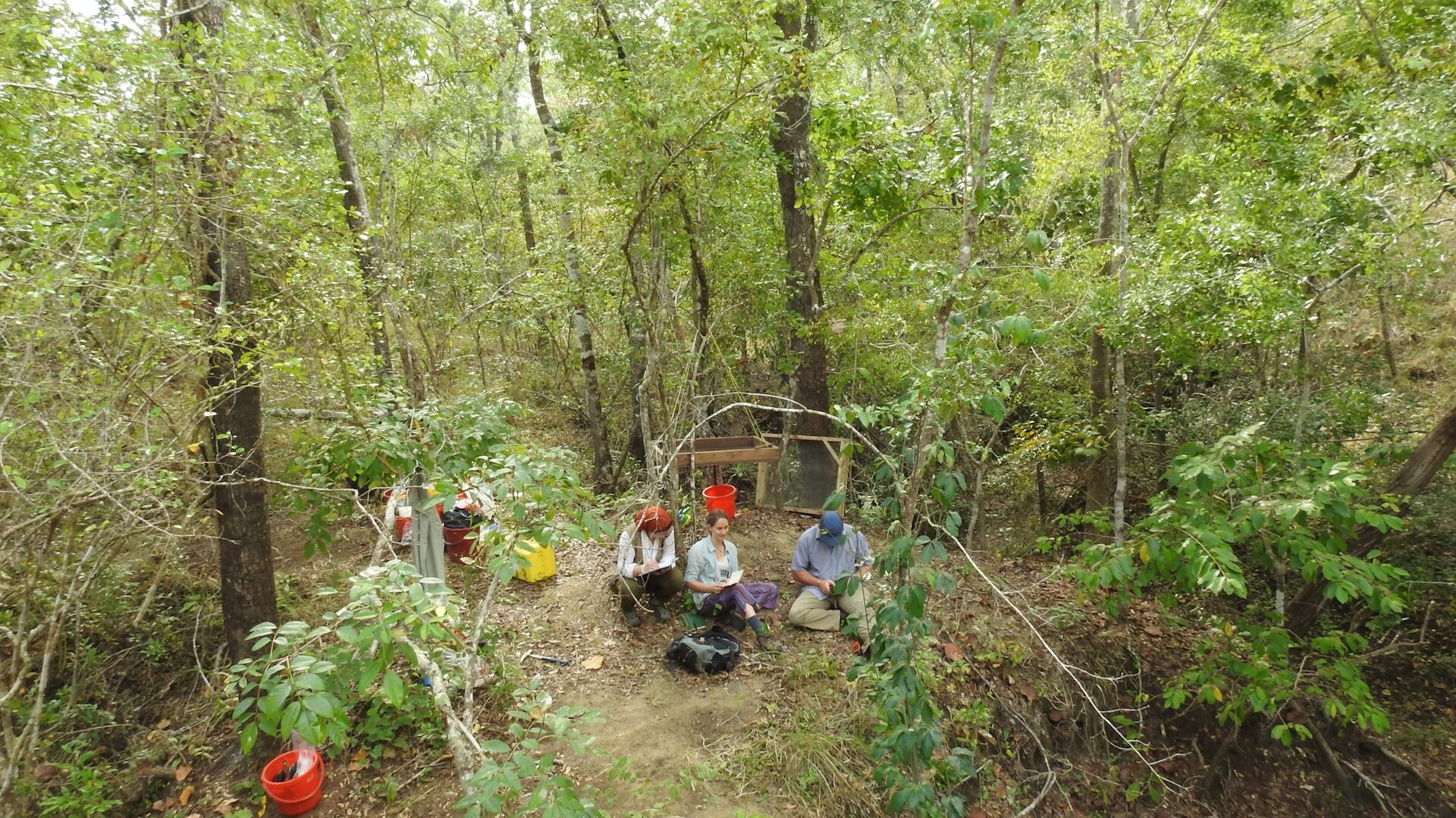
We aim to test the hypothesis that ape populations in the ancient coastal forests encountered ecological conditions that led to the evolution of a new species of ape, amongst other lineages of African mammals, some 10 to 12 million years ago. To test these ideas, we bring to light the first fossil sites from the southernmost East African Rift System in Gorongosa National Park, Mozambique.
These sites are yielding a rich record of terrestrial and marine fossils alongside remnants of large fossilized trees. This indicates the presence of ancient coastal forests in an estuarine setting. This emerging fossil record includes new species. We have also uncovered relict species that found refuge, for some time, in the coastal forests of eastern Africa. Ultimately, the Gorongosa fossils may change the way we think about our origins by placing our earliest hominin ancestors deeply within the preponderant biogeographic patterns that emerged in Africa over that last 15 million years.
How did you first become interested in biological anthropology?
I grew up between the Andes mountains and the Pacific Ocean, where the forces of nature are on display on a daily basis. So from early on, I had an interest in learning about how the forces of nature can change the world we live in. This childhood curiosity evolved into a need to learn about our history, but a history immersed in geography.
Once I was at university, I saw that biological anthropology would combine the different strands of my passions: learning about our species as a part of nature, spending time outdoors doing fieldwork, and teaching about the insights I was learning. I feel very fortunate and privileged to have been able to pursue these passions professionally, as a researcher, a fieldworker, and a university professor.
What big questions are you exploring in your research?
There are many questions I am interested in answering. How exactly did the hominin lineage emerge from the common ancestors we share with the African apes? We know that early human evolution is an African story, and Africa has provided complex and dynamic environments for the species evolving on the continent. We also know that the climate has changed profoundly since we last shared an ancestor with African apes over 10 million years ago. But how exactly did humans evolve? What environments led our earliest ancestors to diverge from other African apes? Certainly, early on, human ancestors and chimpanzee ancestors would have shared nearly identical environmental and ecological conditions. When did these begin to diverge?
It is also clear that the conditions that led to hominin origins were not the same as those that led to the radiation of species of Australopithecus, and not the same as those that led to the evolution of Homo and Paranthropus. But trying to understand what these ecological and environmental conditions were leads to another set of questions. Do we really know where these speciation events occurred? How much information is missing from the fossil record? The fossil record is extremely limited and geographically biased. Are there regions of Africa that were critical to our evolutionary history but have remained invisible to us?
How do you feel about receiving your Leakey Foundation grant, and what will it allow you to do?
I felt elated! This grant allows a team of 25 researchers and 28 students to carry out fieldwork at the first fossil sites ever discovered in the southernmost East African Rift System. Twenty of these team members are from Mozambique. This grant also allows us to mentor young scholars, most from Mozambique, to pursue educational opportunities that are extremely rare in Africa. These scholars can join a large international team of researchers, scholars, and teachers with varied expertise from which to learn. Our team is at a critical stage to set the conditions for long-term research in paleoanthropology at Gorongosa National Park. This grant gives us a great foundation to build toward this long-term goal.
Why is it important to keep learning about human evolution?
Understanding human evolution and related disciplines may become essential for our survival as a species. To learn about how we have been evolving, we need to know about past climate and geological processes.
We also need to learn about how some species have evolved while others have become extinct. What was the impact of severe climatic fluctuations in the past? How did individuals, populations, and ecosystems respond to environmental disruptions in deep time? How did geological processes shape the landscapes in which we evolved? How have humans related to other species at different times in our evolutionary history? Human evolution is inseparable from the climatic context and ecosystems in which our ancestors lived and died. Understanding how we have been evolving is indispensable to give us insights into current climatic issues and environmental problems. It gives context to our current place in nature. Understanding evolution may also give us the wisdom to preserve the ecosystems we depend on for our very survival.

What is your favorite mind-blowing science fact?
We can look at any organism on Earth and know that we share a common ancestor.