
Behind the Science | From the Archive
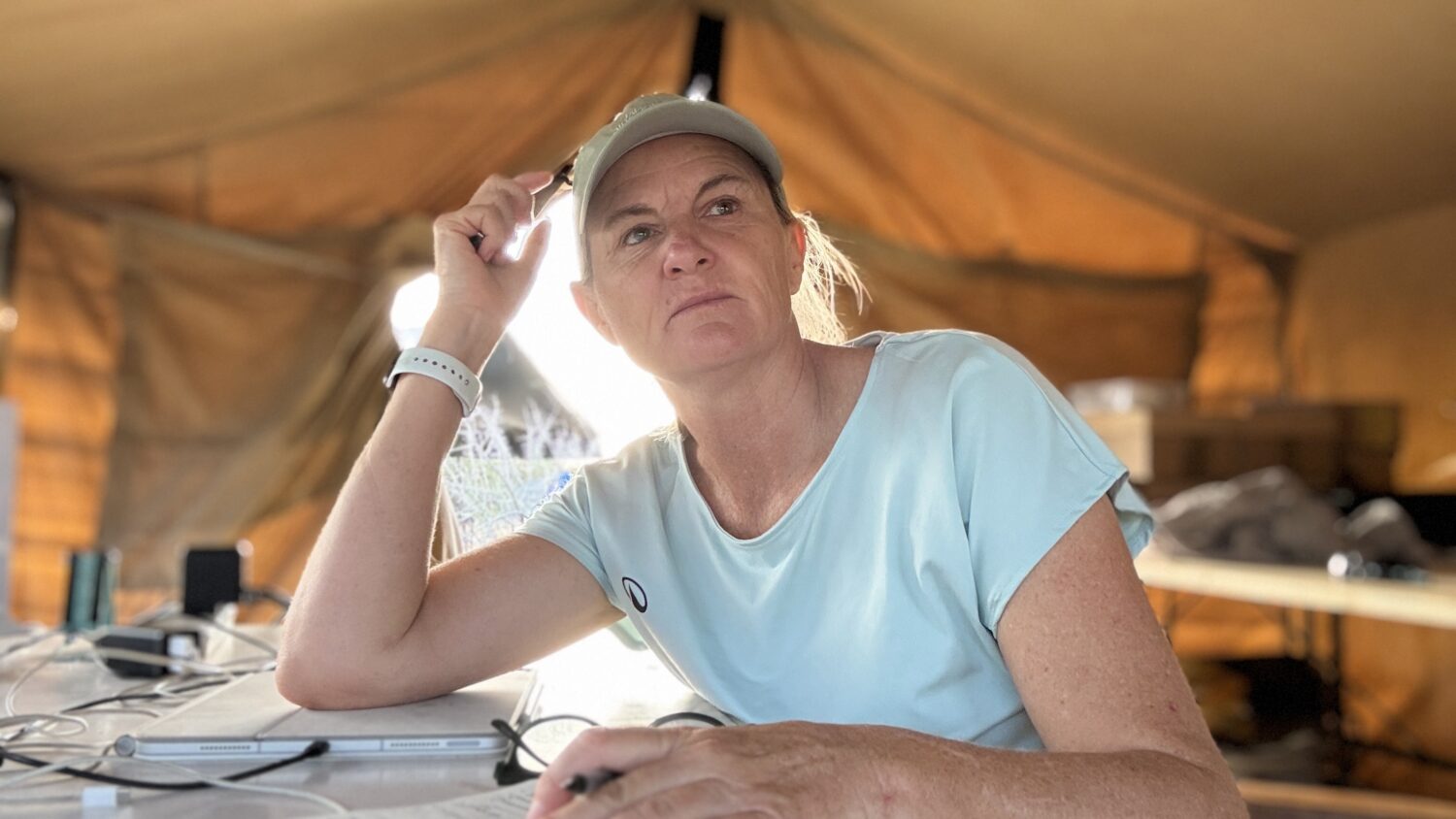
By Dr. Louise Leakey
I am a third generation paleontologist, granddaughter of Mary and Louis Leakey, and daughter of Richard and Meave Leakey. I was born in Kenya, six months before Louis Leakey died, so he “saw” me but I sadly did not have the opportunity to get to of know him. I did however know my grandmother and I have many, fond memories of her, including visiting her at Olduvai Gorge (now called Oldupai) in Tanzania on several occasions, and I joined her on a trip to Laetoli where the Getty Conservation Group were conserving the famous 3.6 million year old footprint trackway, removing the thorn trees that had grown up over the site since she had last worked there.
Mary Leakey lived a very simple life, her home for many years was a simple camp on the edge of the Oldupai Gorge, where she spent many happy years exploring and working the sites that she discovered with her team.
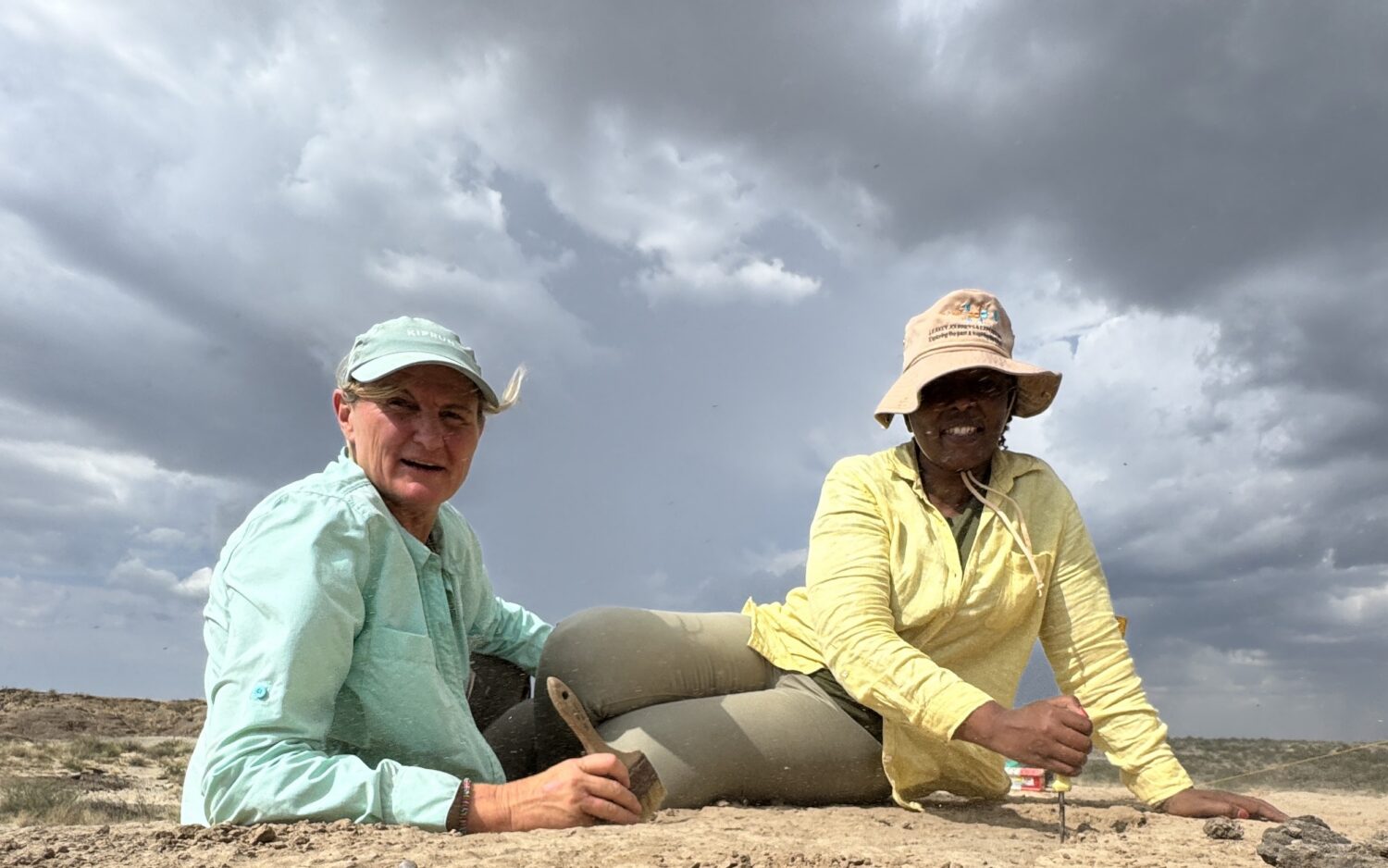
She set a high standard of archeological excavation, with meticulous drawings and maps of her archeological sites. The famous fossil hunter Kamoya Kimeu, who began his career at Oldupai before he worked with my parents at Lake Turkana, told me once that she would stand over an excavation with her watchful eye, scolding excavators if they worked too fast saying “Slow down! You are NOT digging up potatoes!”
My grandparents also had a home in Kenya, in Langata on the outskirts of Nairobi, where Mary spent her latter years. She always had a menagerie of animals, including fish, many cats, several dalmatians as well as hyrax, little nocturnal animals who made quite a noise at night.
Mary would spend her evenings in her arm chair drinking whiskey and smoking her Cuban cigars, a simple pleasure she had from as long as I can remember. The smell of cigar smoke still reminds me of her to this day. If you paid her a visit at this time of the evening you would learn many interesting things from her.
She was artistic, perhaps something she learned from her father, Erskine Edward Nicol, who painted delicate watercolours in France while she was a child. There was not a word in the English dictionary that she did not know, and we tried her with difficult words on many occasions.
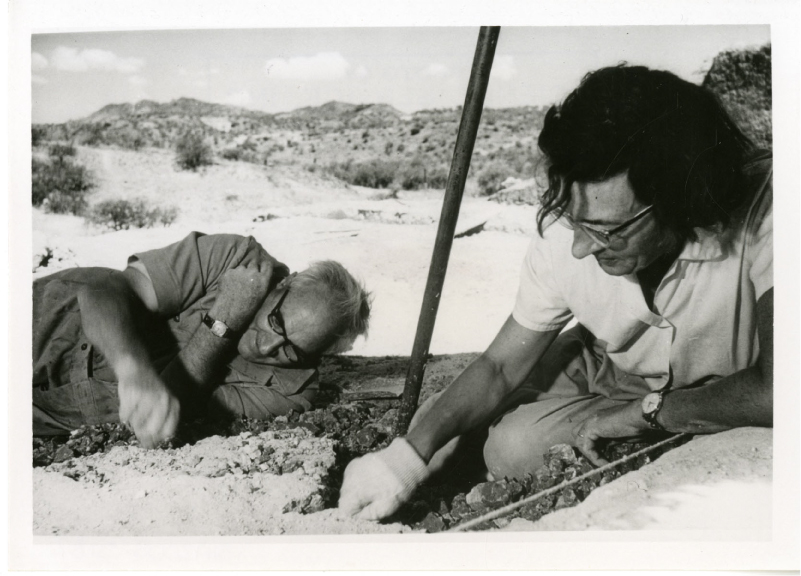
Mary Leakey was a paleoanthropologist and archaeologist, best known for her discoveries at Oldupai Gorge and Laetoli. At the time that she set out to explore Oldupai with Louis Leakey, it was not accepted that the story of our human origins would be told through discoveries made in Africa. Having seen stone tools and fossils from Oldupai they felt that this site would eventually provide the fossil evidence that would show that all early man evolved in Africa. It was Louis and Mary Leakey’s conviction, perseverance and determination that that took them back to Oldupai, seven times between when Louis first set foot at Oldupai in 1931, and Mary Leakey’s first visit in 1935, and when Mary Leakey made the discovery of Zinjanthropus that put Africa on the human evolution map.
Lecture: The History and Meaning of the Discoveries in Olduvai Gorge by Mary Leakey


The discovery of Zinjanthropus
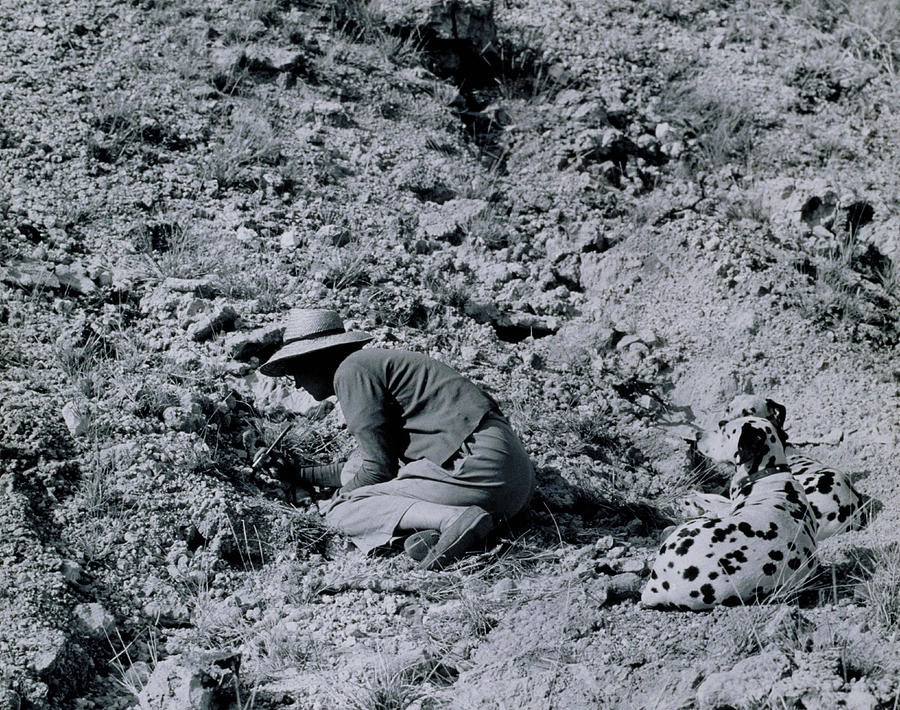
On July 17th of 1959, Mary walked down into the Gorge with her Dalmatians and spotted the shiny black teeth on the rocky slope, and immediately recognized their importance. Louis was not with her as he was feeling under the weather that morning and had stayed back in camp. She raced back to share the news. Incidentally Des Bartlett, a National Geographic Photographer was due to arrive in camp in the coming days and so they revisited the urge to excavate it immediately, and instead waited until he arrived so that the excitement of the excavation could be filmed and photographed. This discovery was hugely important because it represented an unknown species of upright ancestor, enormous teeth and a crest running along the top of its head that served as a muscle attachment for a large chewing muscle it needed for its powerful jaws.
The fossil was named Zinjanthropus boisei– Zanj= east in Arabic and so referred to the ‘East African man”. The species name “boisei” recognized the contribution and belief in Louis with his support for their Oldupai expeditions, when funding was extremely difficult to come by. Numerous hominin fossils and sites with stone tools were excavated and described in detail by Mary over the years.
With the discovery of Zinjanthropus, or Olduvai Hominin 5, they were able to raise additional support for their exploration at Oldupai and then began to make additional discoveries including that of Homo habilis, a larger brained ancestor from the same stratigraphic level. This was yet another indication that Africa was the place to find fossil evidence to understand out past.
The Laetoli footprints
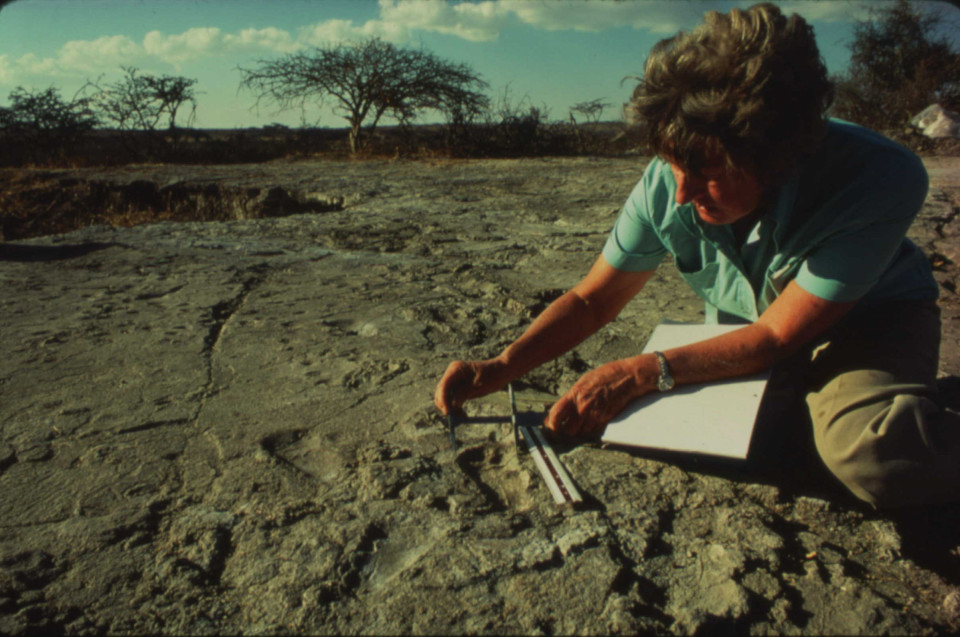
Another major contribution of Mary Leakey’s, was the discovery and excavation of the Laetoli footprints which was clear proof that our ancestors were bipedal at 3.6 million years. At Laetoli, she exposed a 25 meter-long trackway in an ancient volcanic ash layer, of what looked like two individuals walking side by side over the ash covered plains, leaving a trail of footprints alongside those of other animals. Days before, they had seen tracks left by other animals and discussed the possibility of finding prints of our ancestors. On closer examination of the trackway, it was realized that a third individual walked in the footprints of another as he or she followed behind them.
Several fossils of the species to which Lucy belongs, Australopithecus afarensis, were discovered at Laetoli. Mary Leakey pushed back the story of human evolution by a million and a half years, cementing forever the notion that Africa was the place to look for fossil evidence of our ancestors.
In 1973, the story of human origins appeared far simpler than it does today. Most scientists viewed human evolution as a largely linear process, with one species gradually replacing another. The genus Homo was thought to have emerged around two million years ago, closely tied to the first stone tools, and Africa was already recognized as the central stage for this evolutionary story. Crucially, Lucy, the famous Australopithecus afarensis skeleton, had not yet been discovered. Her discovery in Ethiopia by Donald Johanson in 1974 would soon push the human fossil record back to more than three million years ago, fundamentally altering ideas about the timing and complexity of our early ancestors.
A branching, tangled bush
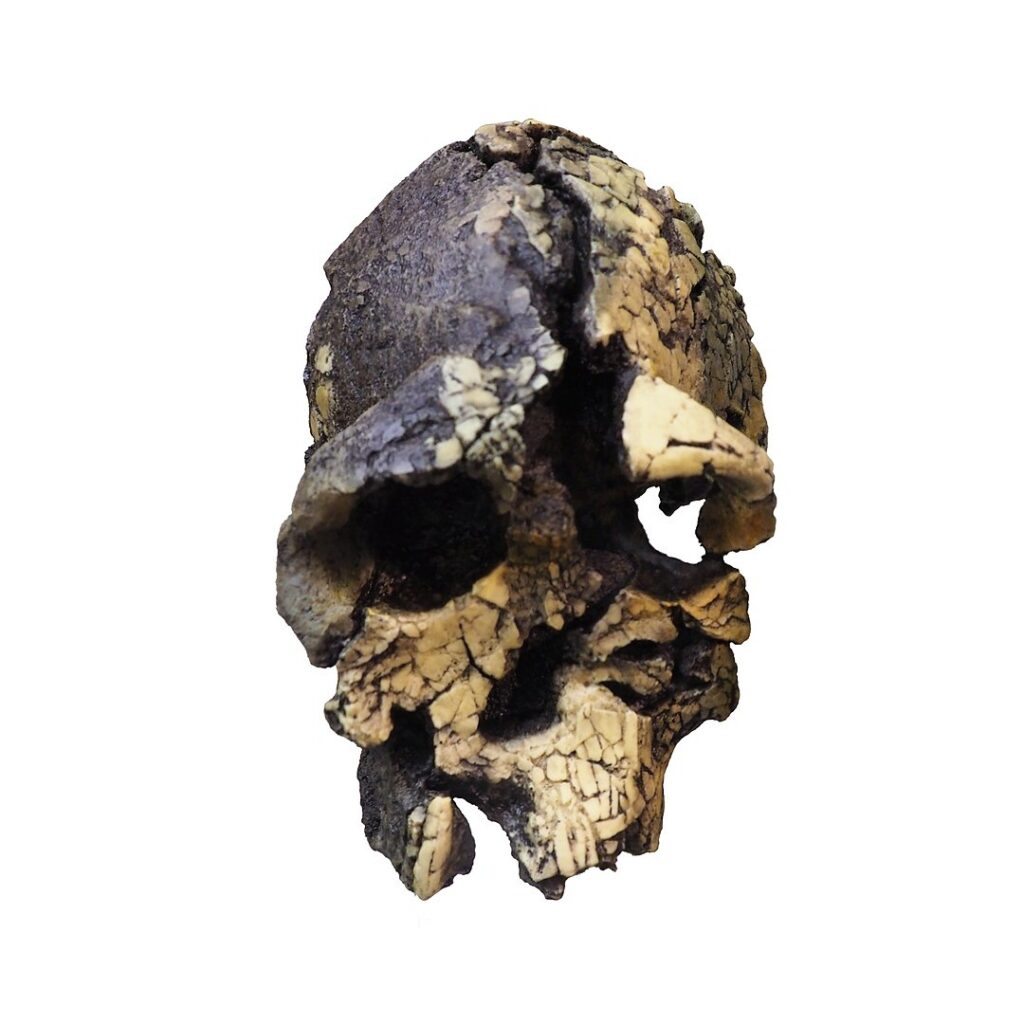
Since then, a series of remarkable discoveries has completely reshaped that picture. One major change has been our understanding of how early and how diverse hominins really were. In 1999, the discovery of Kenyanthropus platyops, dated to about 3.5 million years ago, pushed hominin diversity much further back in time. Instead of a single ancestral line, we now see multiple hominin species living alongside one another very early in our evolutionary history.
This idea of deep antiquity was reinforced in 2011 with the discovery of the Lomekwi stone tools, dated to an astonishing 3.3 million years ago. These tools are far older than the genus Homo, showing that toolmaking began with earlier hominins and was not a defining trait of our own genus as once believed.
Our view of later human evolution has also become far more complex. Discoveries such as Homo floresiensis in 2003, the tiny-bodied hominin from Flores, and Homo naledi, announced in 2013 from the Rising Star cave system, revealed that small-brained or physically primitive hominins survived surprisingly late. Similarly, Australopithecus sediba, discovered in 2010 at Malapa, showed a mosaic of traits that blur the line between australopithecines and early Homo.
Genetics has revolutionized the field even further. The identification of Denisovans from ancient DNA demonstrated that human evolution involved interbreeding between multiple populations. Fossils now linked to this broader picture, including Homo luzonensis, highlight how much diversity once existed across Asia.
Recently, discoveries of Paranthropus fossils in Ethiopia, dated to around 2.5 million years ago, expanded the known geographic range of this robust lineage further north than previously thought.
Together, these discoveries have transformed our perspective. Human evolution is no longer seen as a straight line toward modern humans, but as a branching, tangled bush—full of experimentation, coexistence, and unexpected survivors.
Hands that could have used and made tools
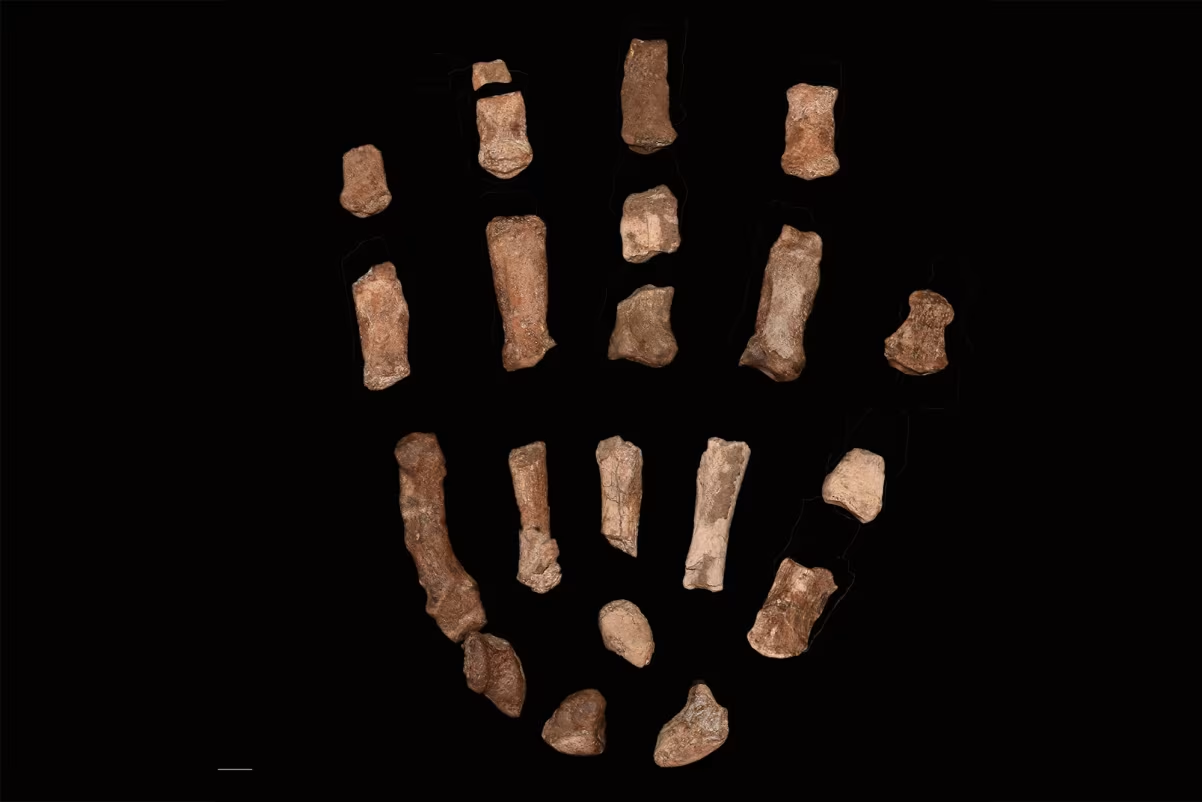
Our recent discovery and announcement of the hands and dentition of the 1.7 million year old Paranthropus boisei ( KNM-ER 101000) would have fascinated her today. This discovery was made in 2019 by my team on the east side of Lake Turkana near Koobi Fora.
The discovery provides evidence that Paranthropus boisei may have been capable of using, and possibly making, stone tools. This was in fact what Louis had originally thought before the discoveries of Homo habilis or Handy man, were made at Oldupai, which made him change his view.
Then, and for much of the twentieth century, Paranthropus was viewed as a specialized side branch of human evolution, adapted mainly for powerful chewing rather than complex behavior. Tool use was assumed to belong almost exclusively to early members of the genus Homo.
Recent discoveries of Paranthropus hand fossils, including this specimen challenge this idea. The proportions of the thumb and fingers suggest the ability to form precision grips, allowing fine manipulation of objects, while the robust finger and wrist bones indicate great strength. Associated foot bones also confirm efficient bipedalism.
This evidence suggests Paranthropus was not just a plant-chewing specialist, but a capable and adaptable hominin.
In closing, Mary Leakey was a scientist of extraordinary dedication and care, whose work inspired countless people to ask where we come from. Her unwavering belief in Oldupai Gorge that she shared with Louis, set the stage for decades of discovery. Much of what we know about human evolution today rests on the groundwork she so carefully and patiently laid.
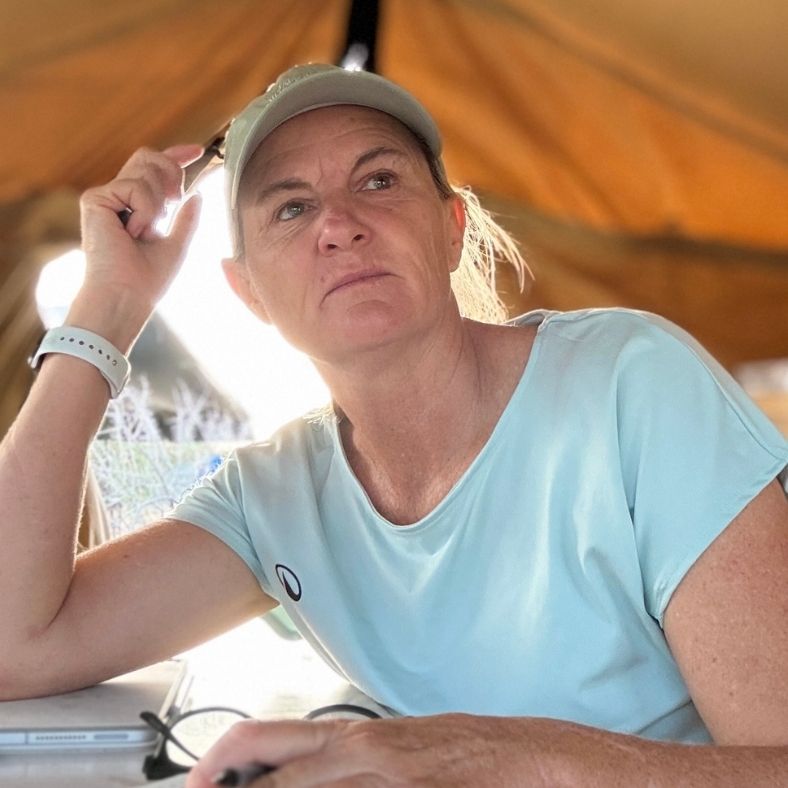
Dr. Louise Leakey is a third-generation paleoanthropologist and National Geographic Explorer who has spent much of her life searching for humanity’s origins in Kenya. She leads the Koobi Fora Research Project in Lake Turkana, is the founder and director of Leakey Journeys and Expeditions, and is a research professor at Stony Brook University.
The Louis Leakey Memorial Symposium archival video project is sponsored by:
Jo Rainie Rodgers and George Rodgers, Kay Harrigan Woods in honor of Gordon Getty, Camilla and George Smith, the Ann and Gordon Getty Foundation, and the Joan and Arnold Travis Education Fund.