
Grantee Spotlight
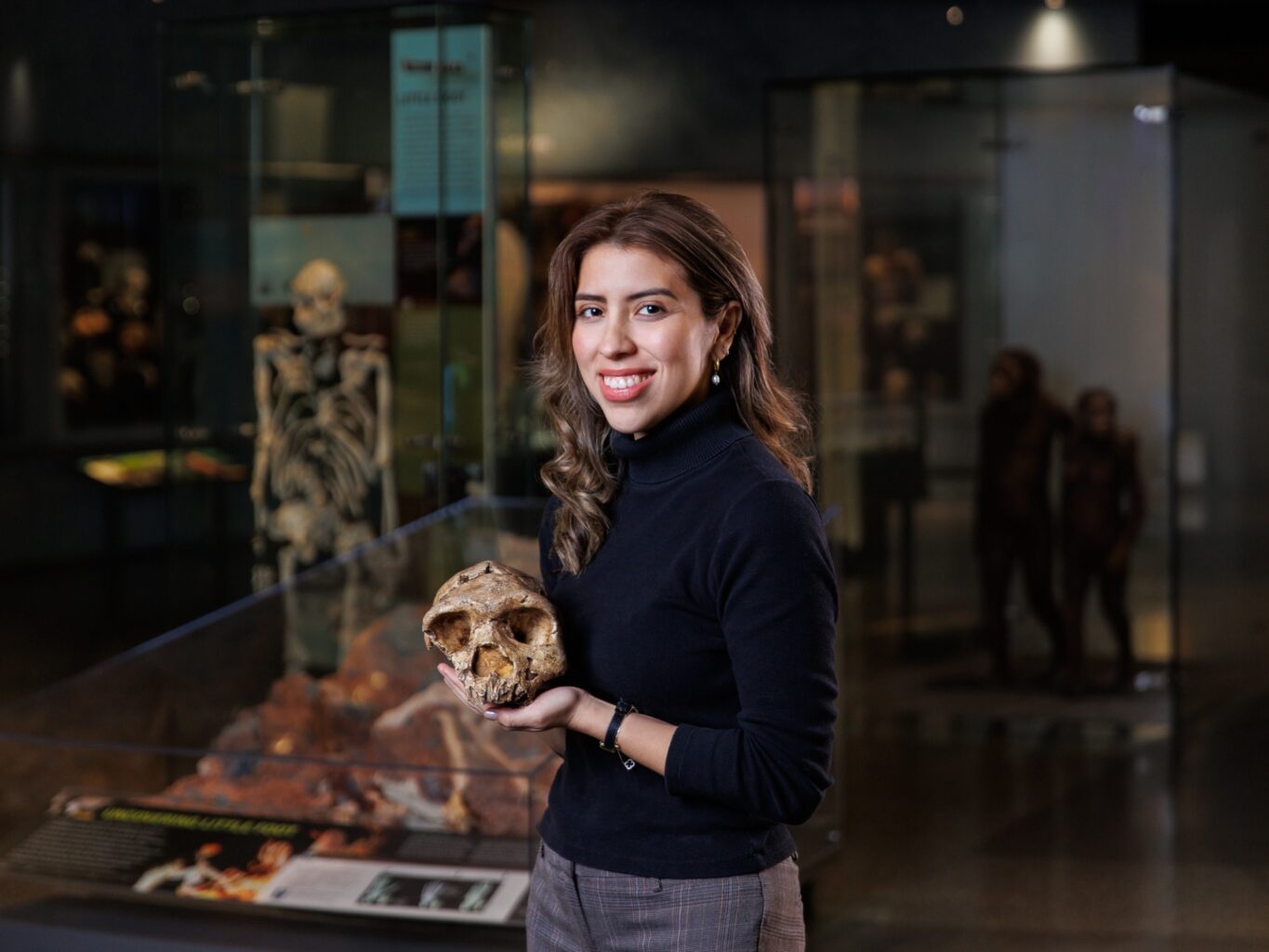
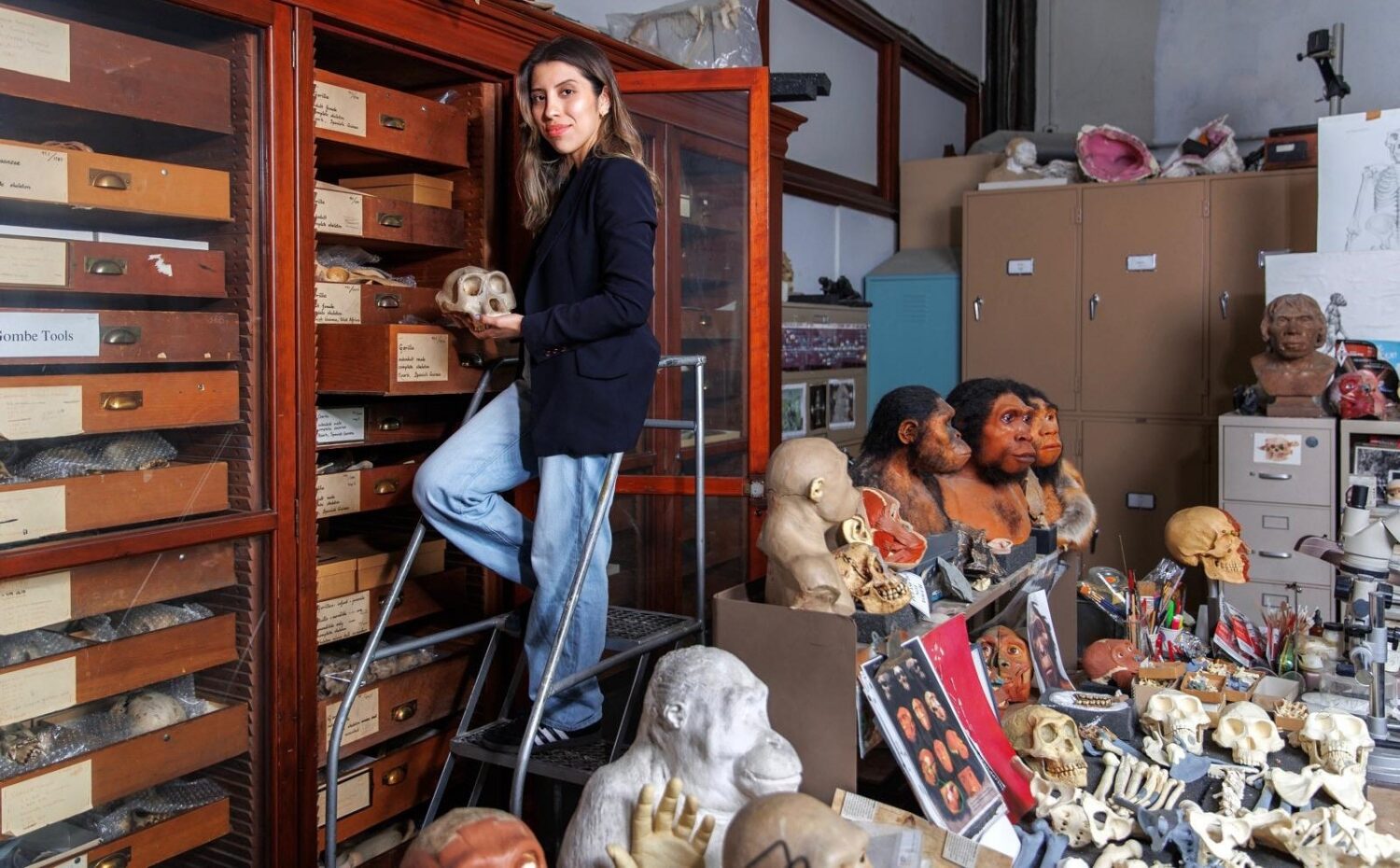
Ariel N. Barrera is a PhD candidate in biological anthropology at the CUNY Graduate Center and the American Museum of Natural History. She is a paleoanthropologist and an adjunct lecturer with experience in scientific illustration, quantitative analysis, fieldwork, and K–12 education and outreach.
Her doctoral research, supported by a 2026 Leakey Foundation research grant, focuses on hominin tooth evolution. She’s interested in when early human ancestors and relatives began to differ from other apes in their facial structure and dental anatomy, what drove those changes, and whether teeth and different parts of the jaw responded together or independently.
Questions and answers with Ariel N. Barrera
How did you first become interested in human evolution?
My interest started when my sister brought my younger brother and me to “A Night at the Museum: Sleepovers” at the American Museum of Natural History when I was 12 years old. That experience sparked my interest in fossils and paleontology, and it had a lasting impact. Later, in high school, I came across the show “Bones”, which follows a forensic anthropologist who solves cases using skeletal remains. That was when I realized I wanted to pursue anthropology, and over time my interests shifted from forensic anthropology toward human evolution.

What big questions are you interested in answering?
I am most interested in understanding when early human relatives began to differ from living apes in their facial structure and dental anatomy, what drove those changes, and whether different parts of the jaw responded together or followed separate evolutionary paths. Did teeth and jaws evolve together as one connected system, or did they change more independently in response to diet, development, space in the mouth, and behavior? This matters because teeth and jaws record what animals ate and how they adapted to their environments. By clarifying the early steps that shaped the human face and dentition, my research helps explain how and why modern humans became anatomically distinct from our closest living relatives and fossil ancestors.
Tell us about your Leakey Foundation-supported research?
My research uses micro CT scans of jaws to study the evolution of teeth and diet in early human relatives. Modern humans differ drastically from early fossil human relatives in facial structure, jaw shape, and tooth form. By comparing living apes, humans, and fossils, my work helps track when these changes began and what caused these changes that eventually led to the facial anatomy of modern humans.
How will your Leakey Foundation grant make a difference for you?
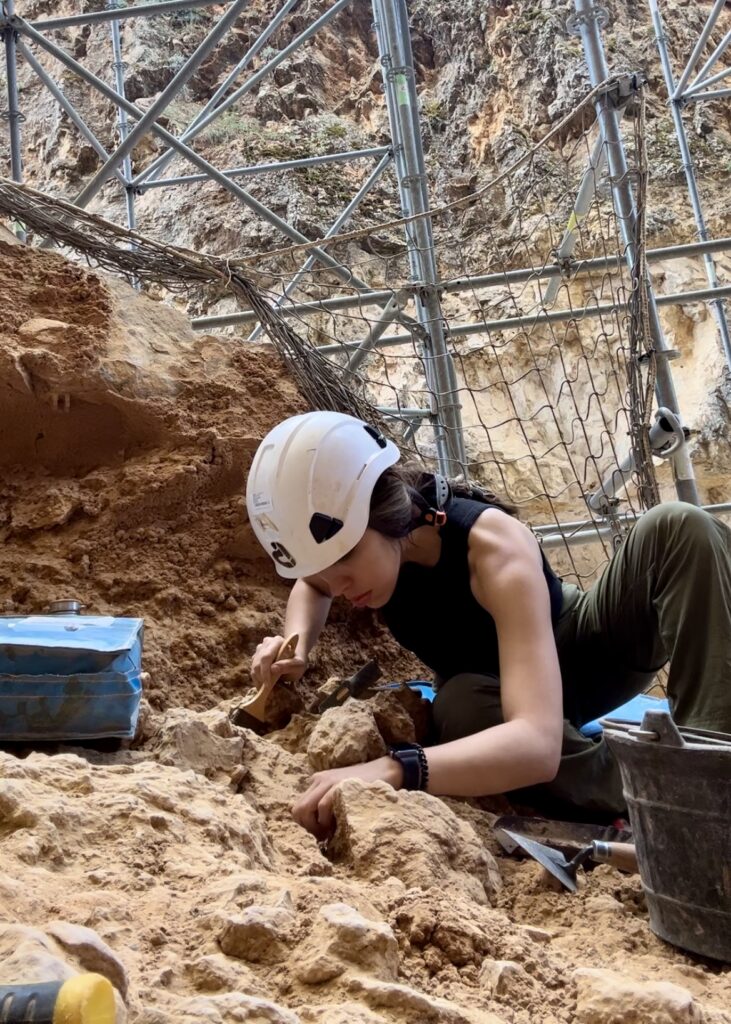
I was ecstatic when I learned that I received the Leakey Foundation grant. Given the current budget cuts to scientific research and the disappearance of several grants that students in my program used to rely on, I had low hopes for this funding cycle.
With fewer opportunities available, the remaining grants have become even more competitive, so receiving this support felt both surprising and validating. This grant will allow me to pay for essential software and travel to collect fossil scans that are necessary for my project. It will have a lasting impact by allowing me to complete my degree in a timely fashion without my progress being limited by a lack of funding. The Leakey Foundation is internationally recognized for supporting important work in human origins research, so receiving this grant is truly an honor and a milestone in my career.
Why does research like yours matter now?
People should care about human origins research because understanding where we come from is valuable in itself. Learning about the origins of our own species helps us understand how and why we became distinct from other animals, and how our anatomy was shaped by long-term evolutionary processes.
Often, research has unexpected impacts beyond its original field. My work focuses on how teeth and jaws adapted to different environments, diets, and chewing demands, which can also inform how we understand dental biomechanics today. By studying how teeth respond to stress and why they vary in shape, this research can contribute to clinical fields like dentistry and orthodontics, including efforts to better understand tooth function and prevent tooth damage.