
Grants
(San Francisco, CA – June 22, 2026) The Leakey Foundation announces the 32 recipients of its spring 2026 grants for research into human origins, evolution, behavior, and survival. The recipients were chosen from a pool of 151 applicants through a rigorous peer review process. Sixteen of this cycle’s grantees are PhD candidates.
Their innovative projects explore topics such as social learning, the origins of meat eating, the eye microbiome, epigenetics and brain plasticity, and the physiological impacts of social dominance.
We look forward to sharing more about our grantees and their work as their projects progress.
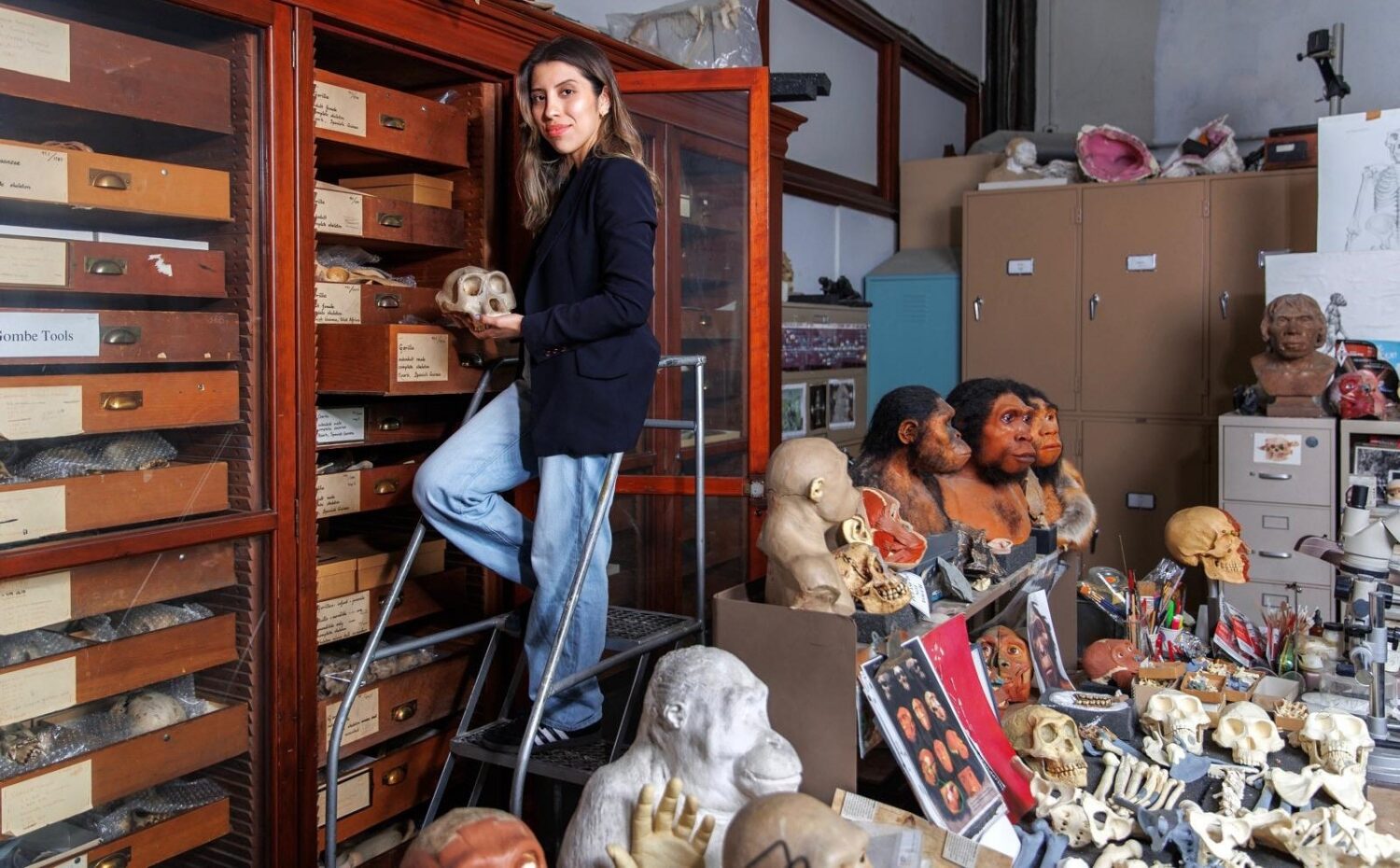
Ariel Barrera, City University of New York: Tooth root shape in ape and human ancestor jaws
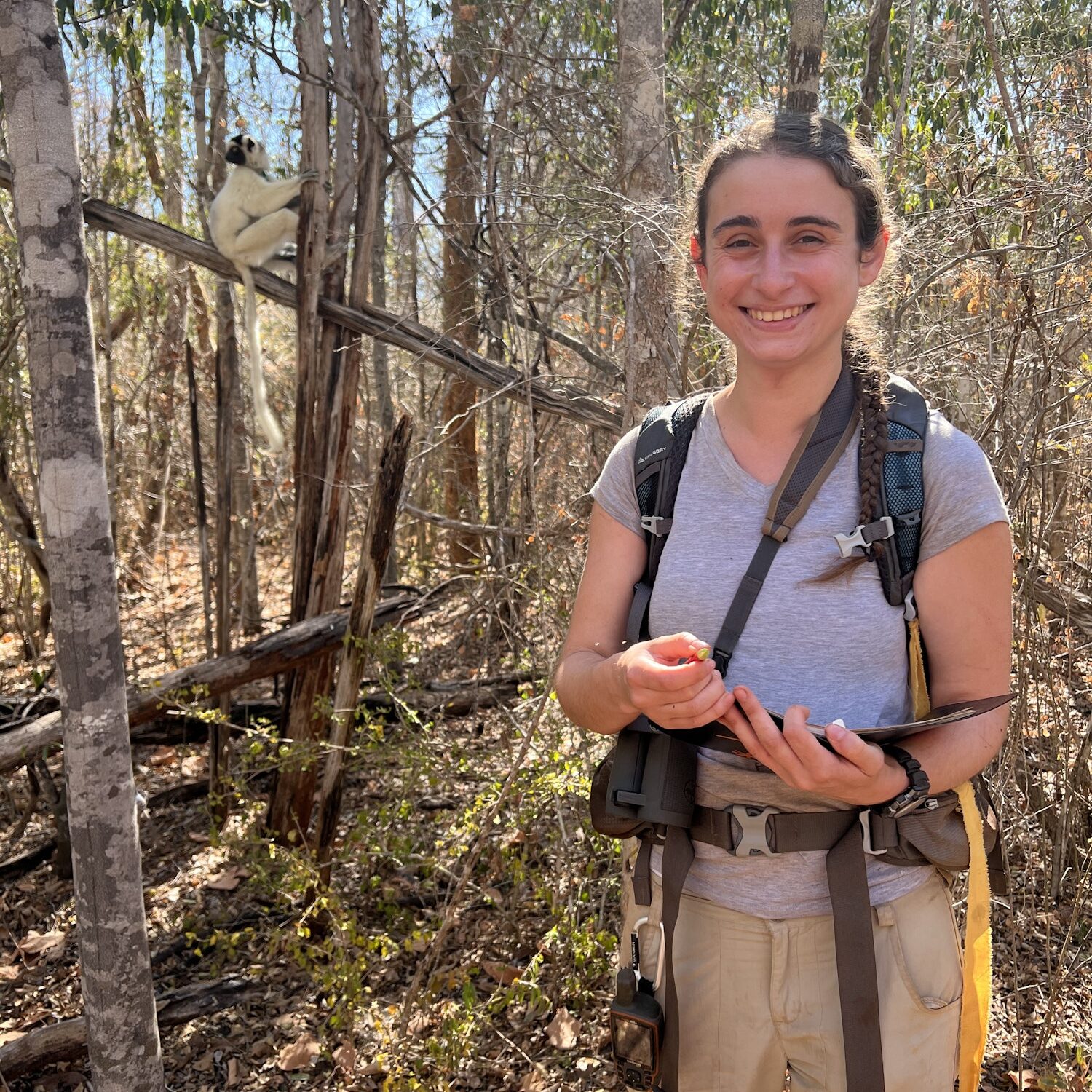
Gabrielle Bueno, University of Texas at Austin: Flexibility across the lifespan in Verreaux’s sifaka
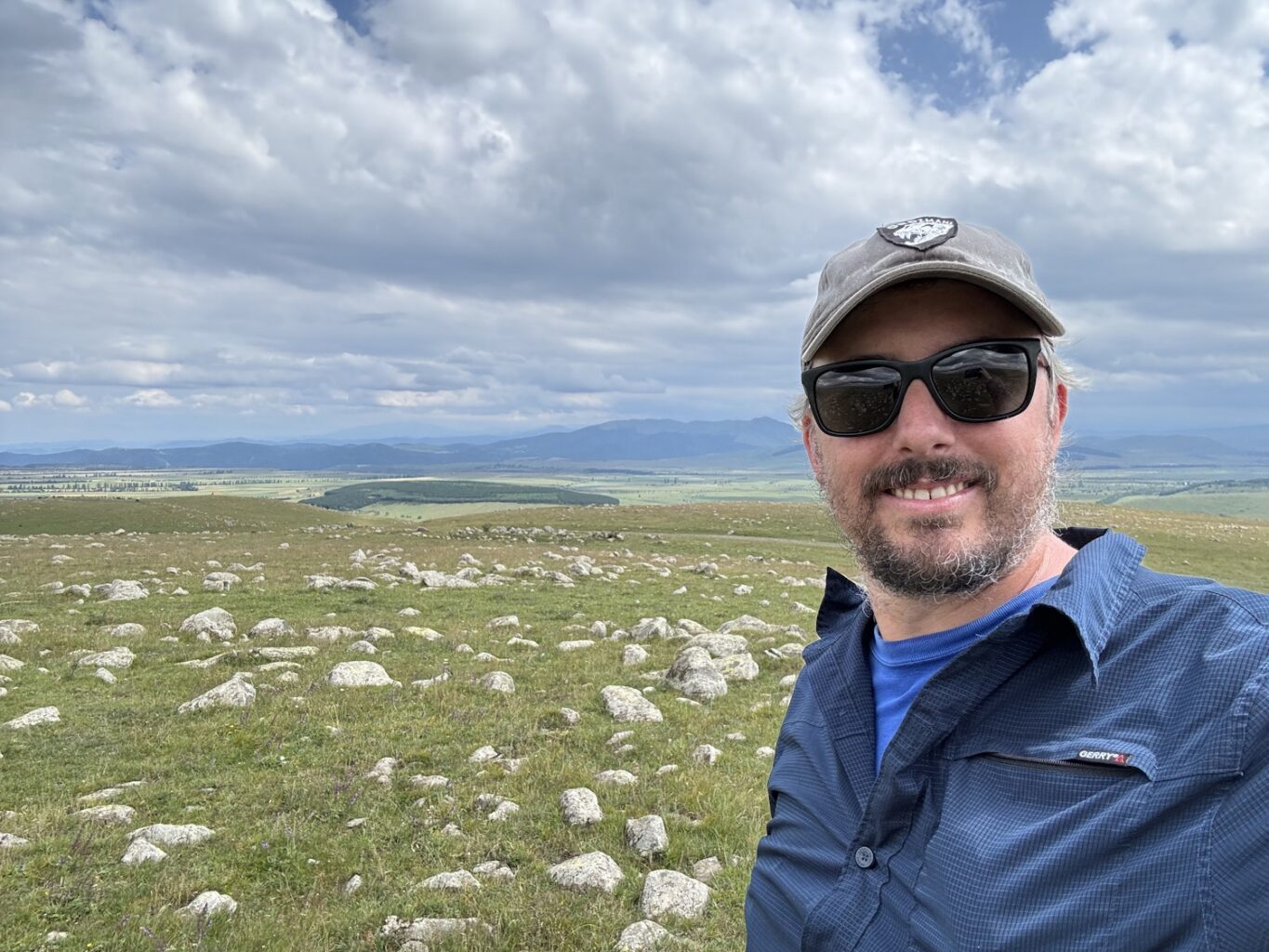
Reed Coil, Nazarbayev University: How assemblages formed at an early hominin site in Georgia
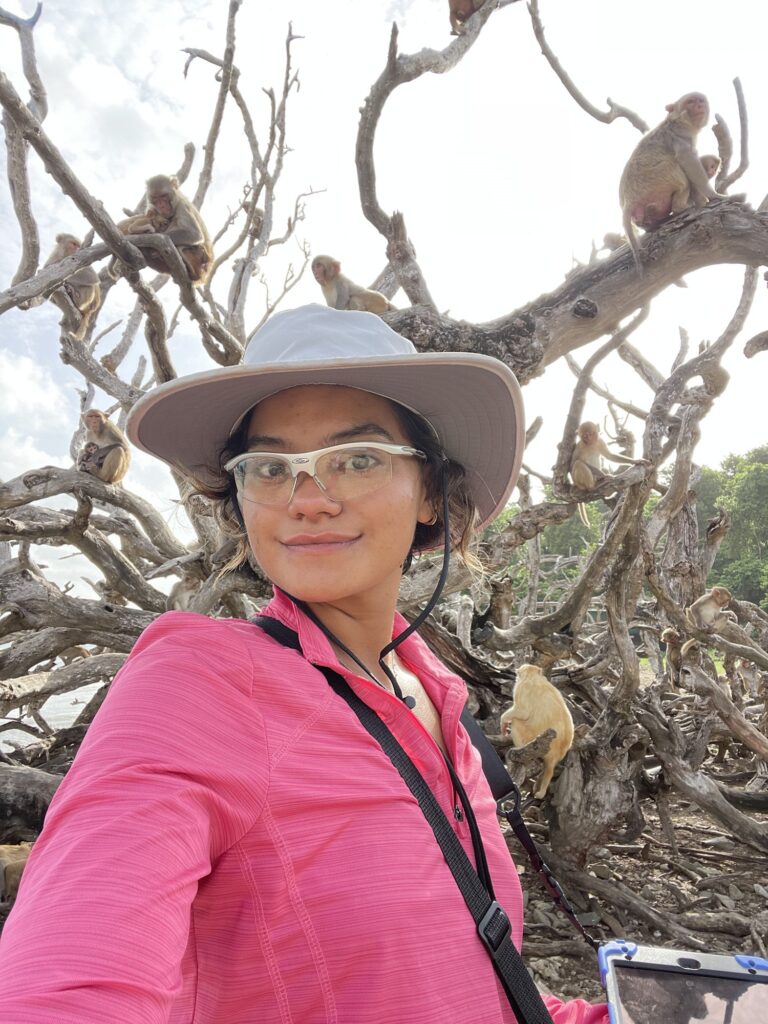
Kandra Cruz, New York University: How female monkeys balance energy between babies and themselves
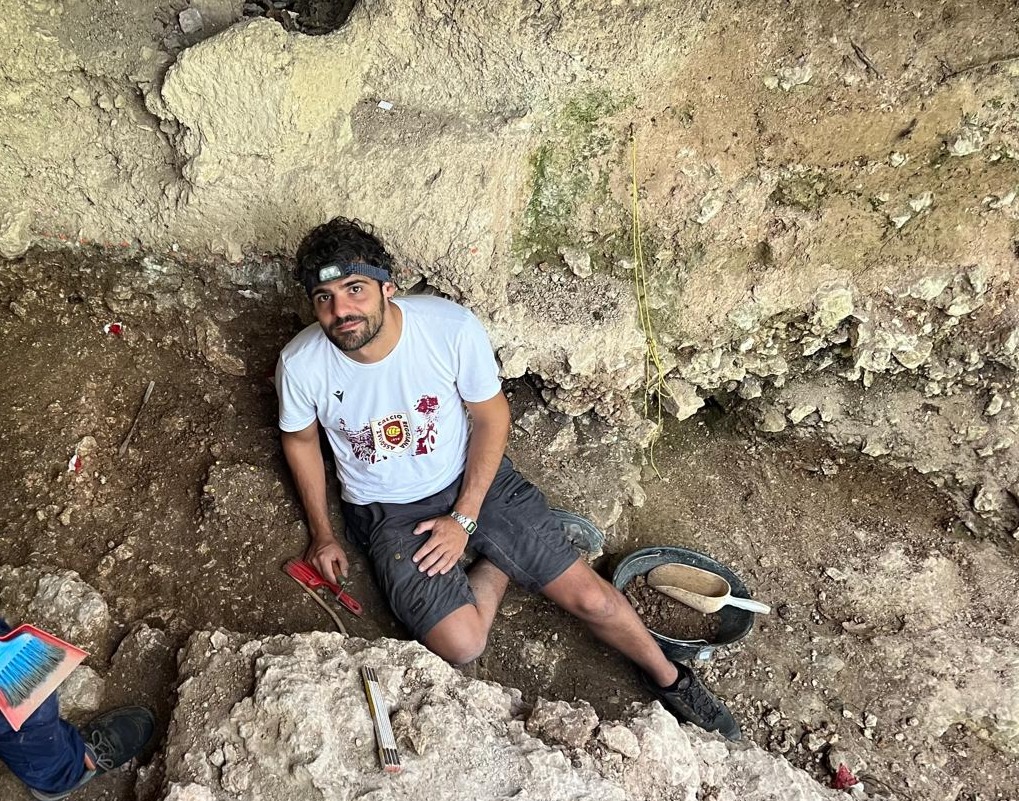
Davide Delpiano, University of Ferrara: Italy’s first leaf-points: Neanderthals’ unreported tradition or transitional complex?
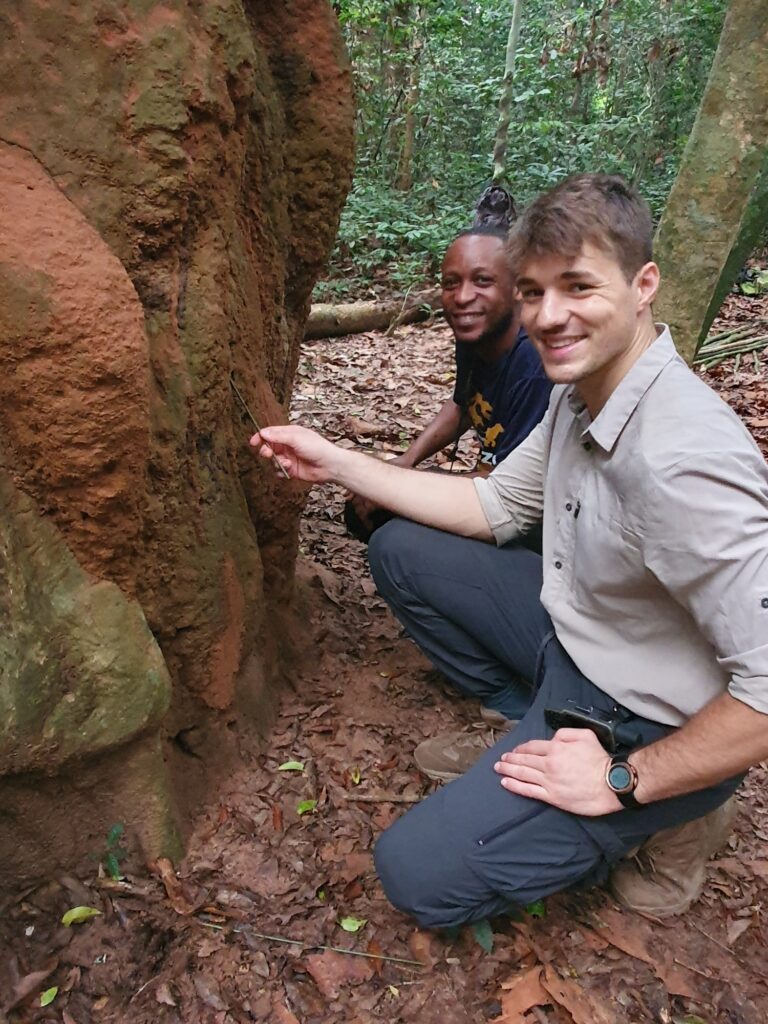
Julien Di Giovanni, Washington University in St. Louis: How chimpanzees innovate and socially learn complex tool use
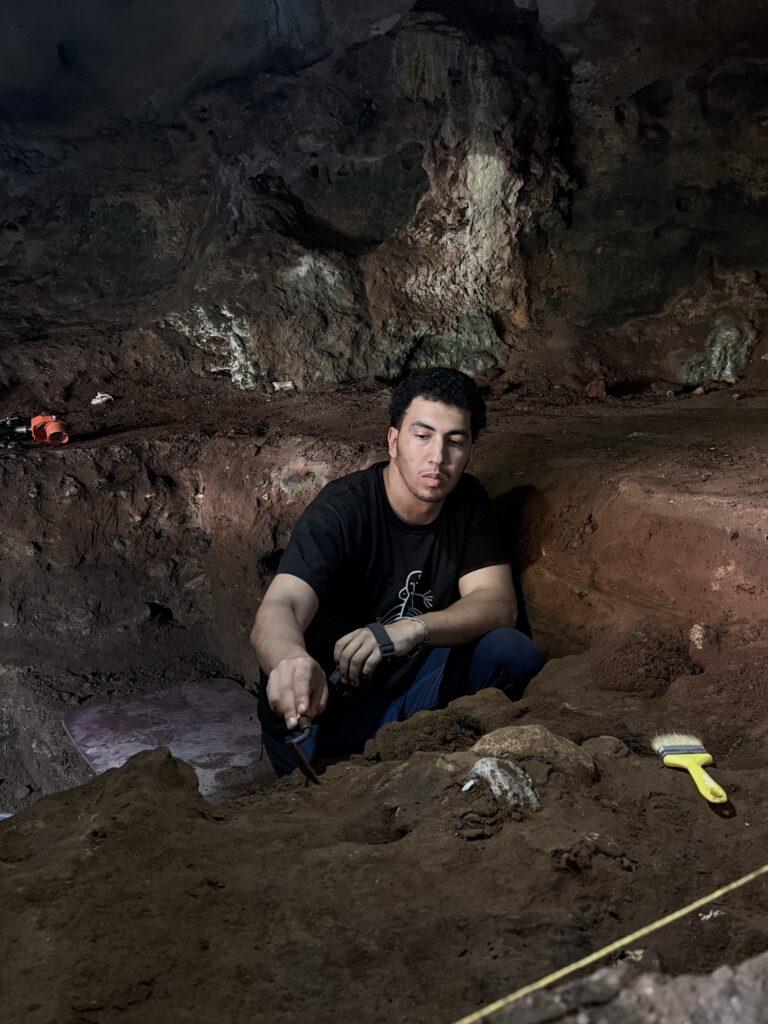
Othman Echcherif-Baamrani, Institut National des Sciences de l’Archéologie et du Patrimoine: Blades and complex behavior: Tracing human innovations in prehistoric Morocco
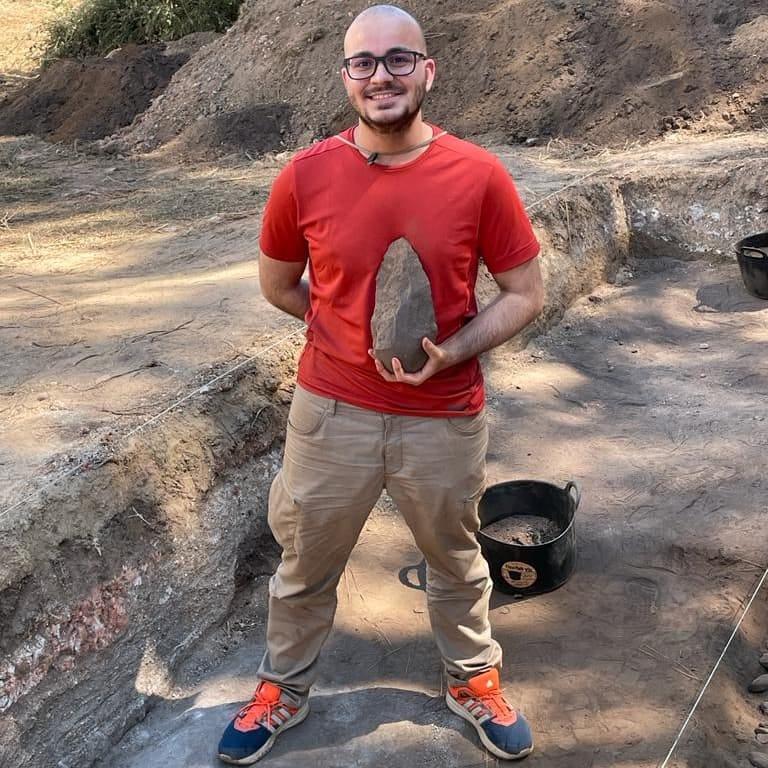
Carlos Ferreira, University of Lisbon: Exploring Acheulean human behaviour in Vale do Forno (Tagus, Portugal)
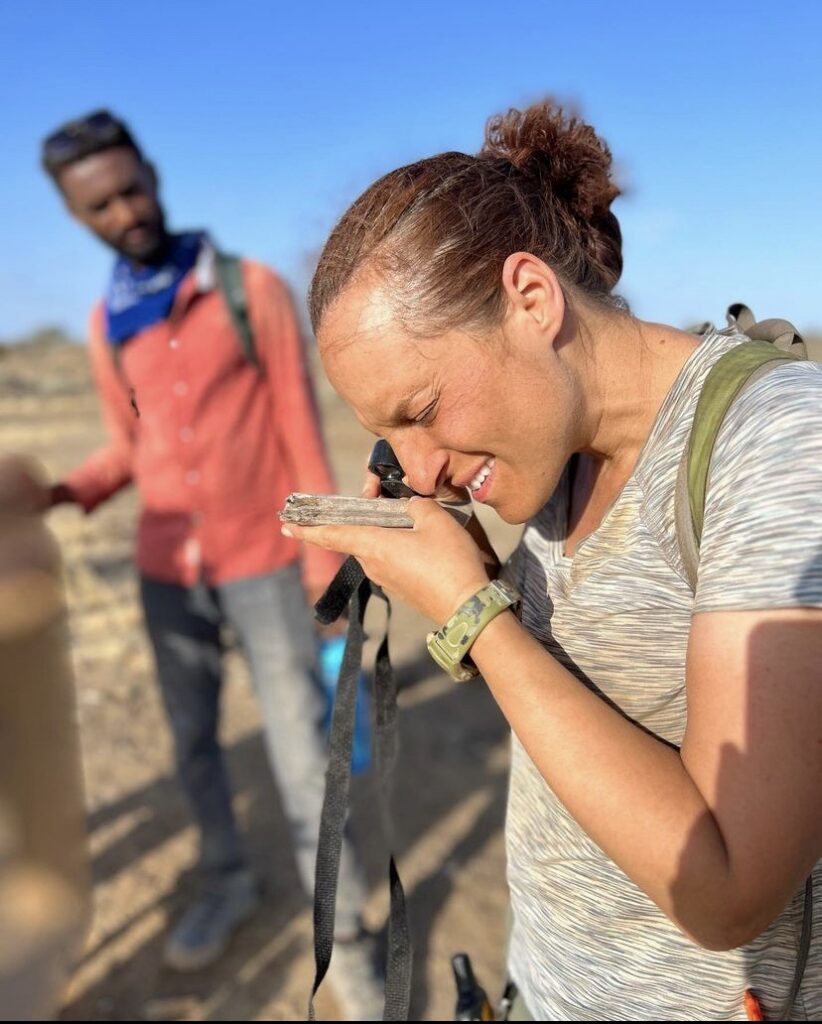
Frances Forrest, Fairfield University: Fossil evidence for origins of human meat-eating at Koobi Fora
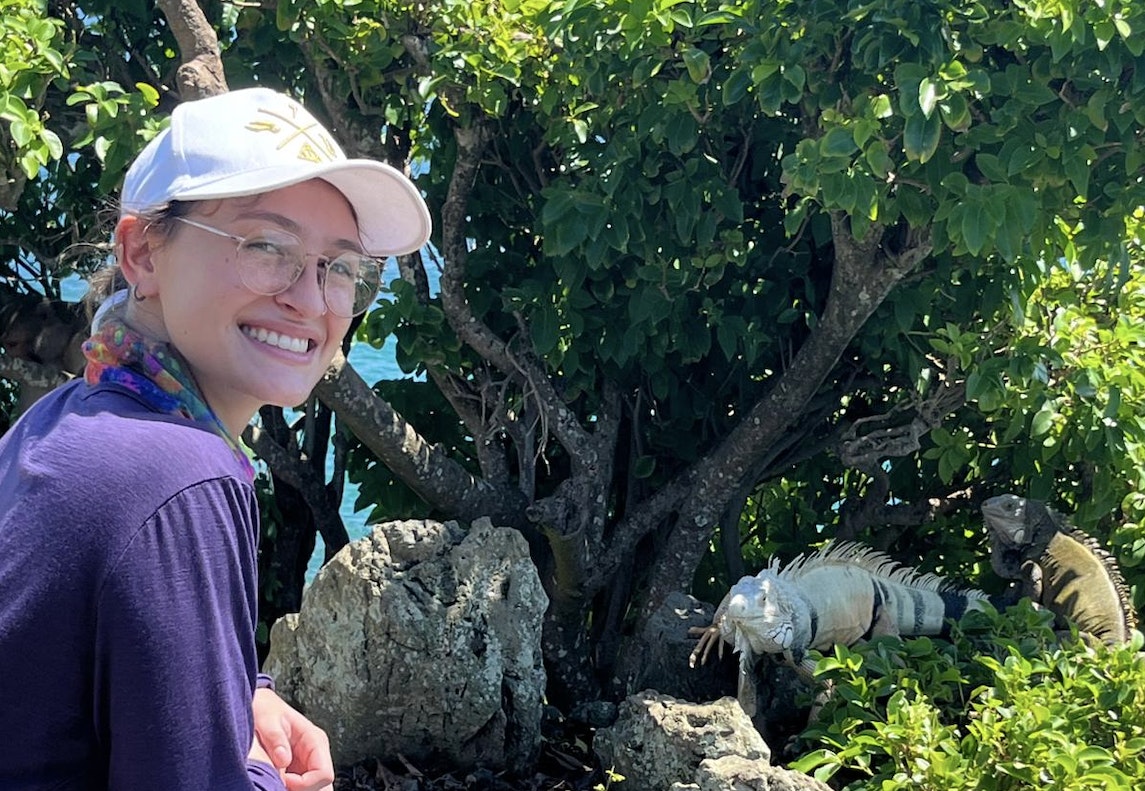
Joelle Hass, University of Calgary: Microbiome-vision relationships in rhesus monkeys
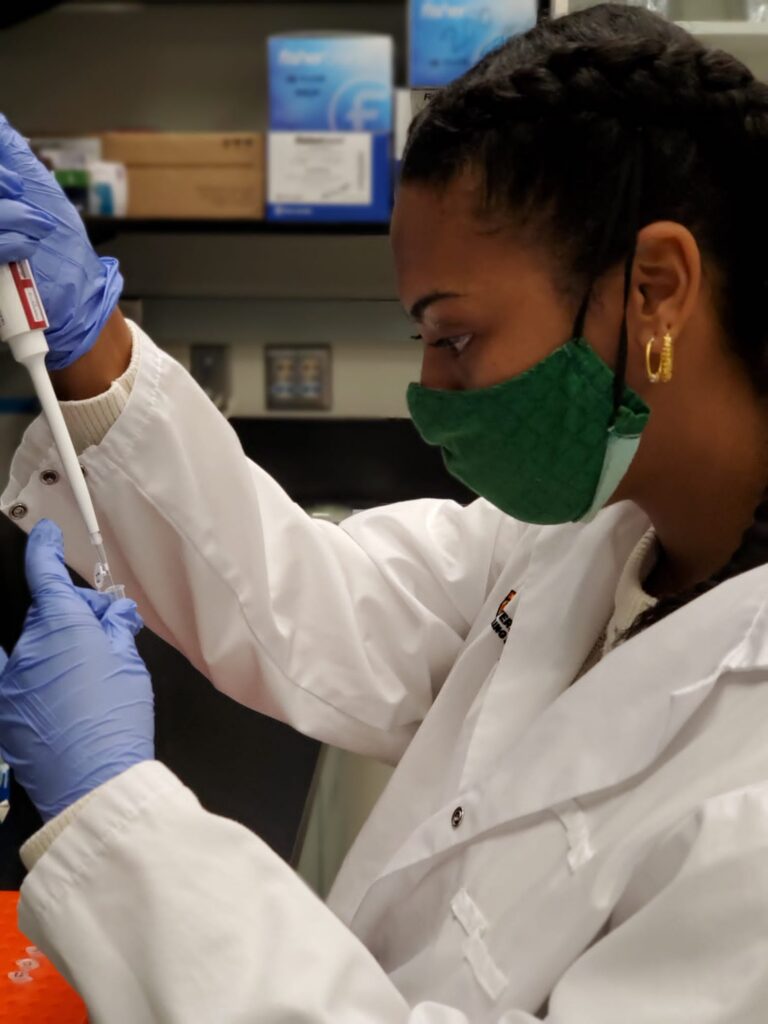
Megan Henriquez, Farmingdale State College: The physiological cost of dominance in male capuchins
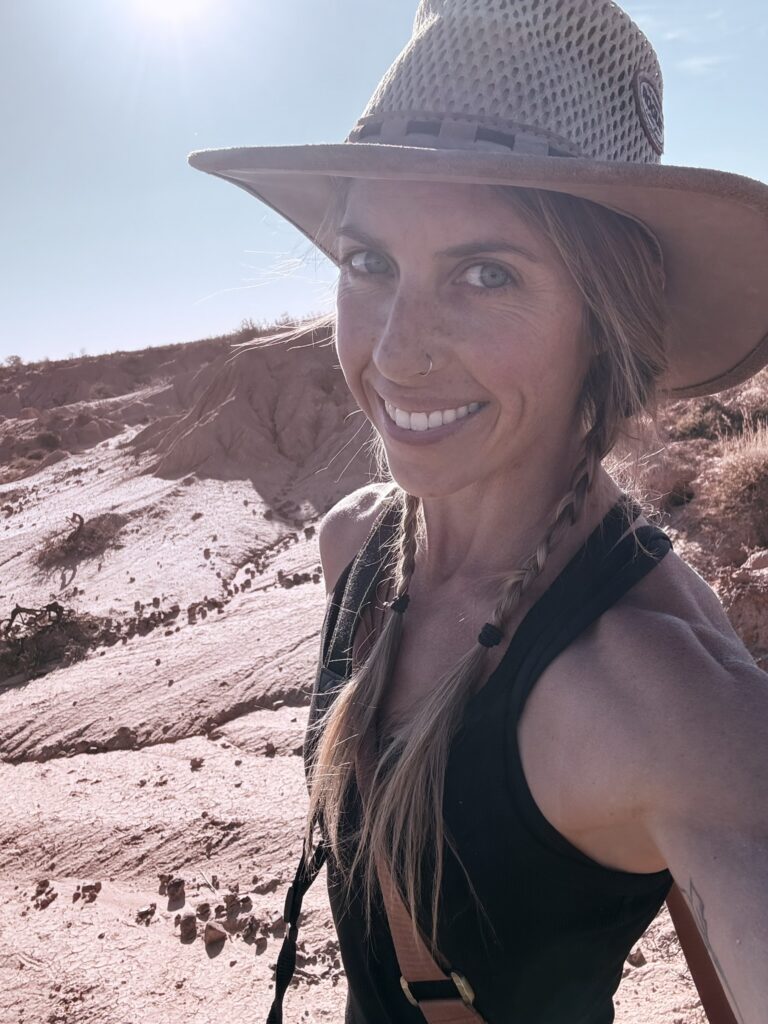
Sarah Himes, Simon Fraser University: Paleoenvironments and timing of late Quaternary human presence at Erfkroon
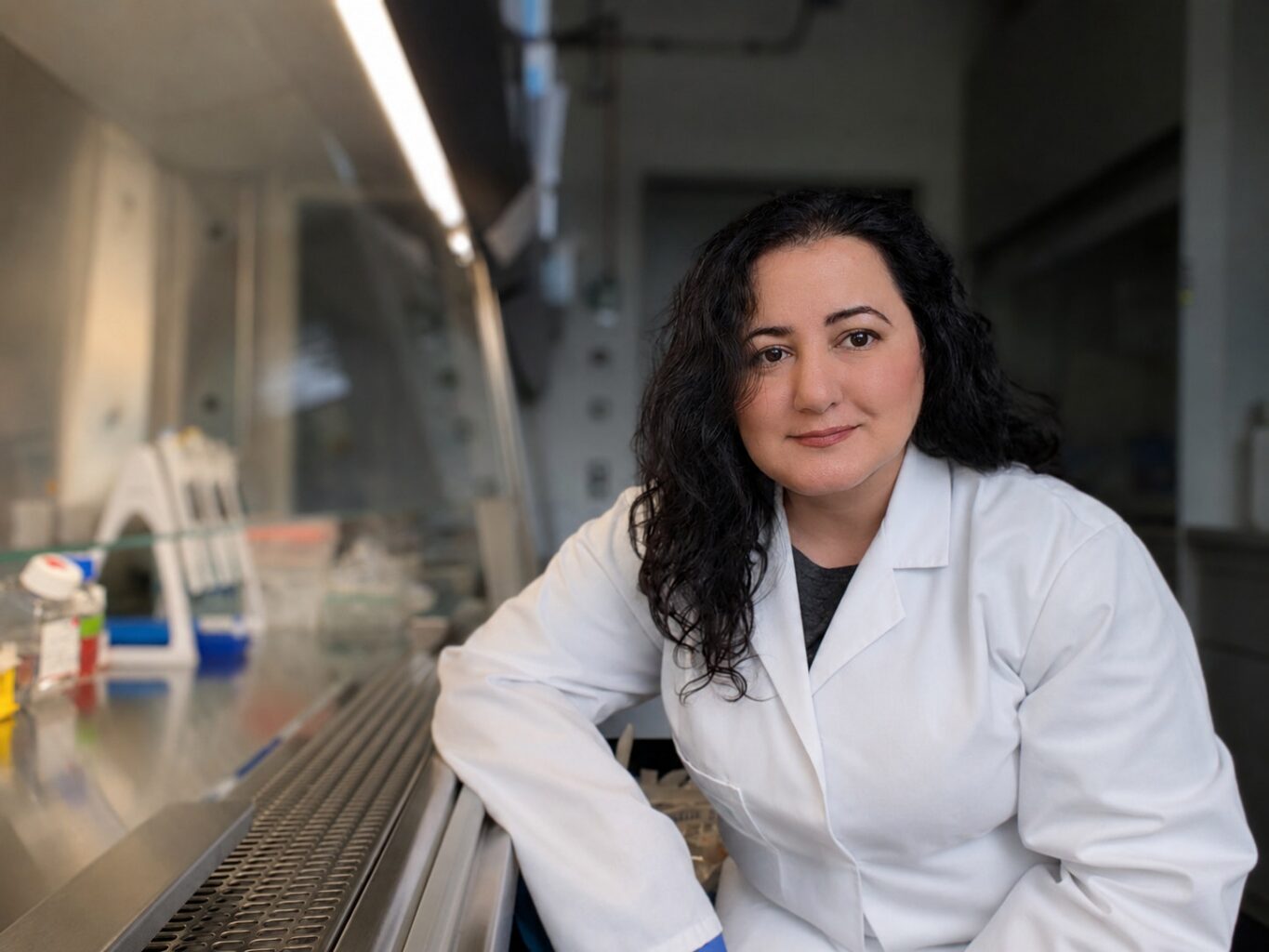
Mary Kelaita, Max Planck Institute for Evolutionary Anthropology: How does gut molecular biology vary across primates?
Tina Lasisi, University of Michigan: Why hair grows where it does: A primate perspective
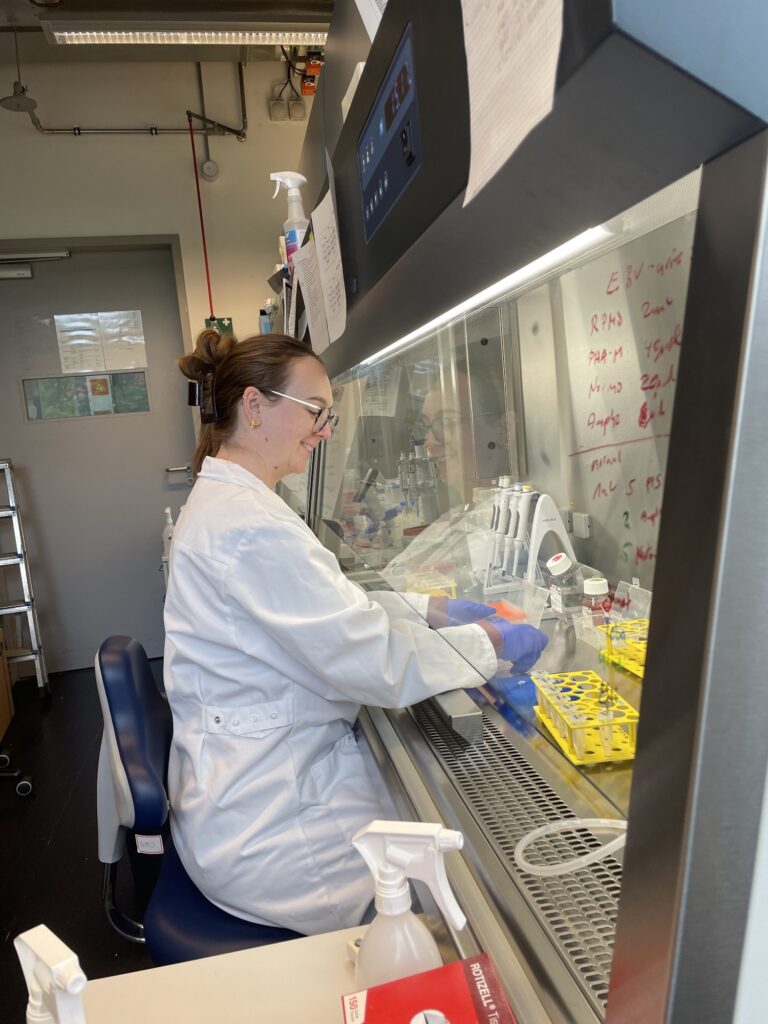
Amy Longtin, Vanderbilt University: Decoding epigenetic contributions to human plasticity
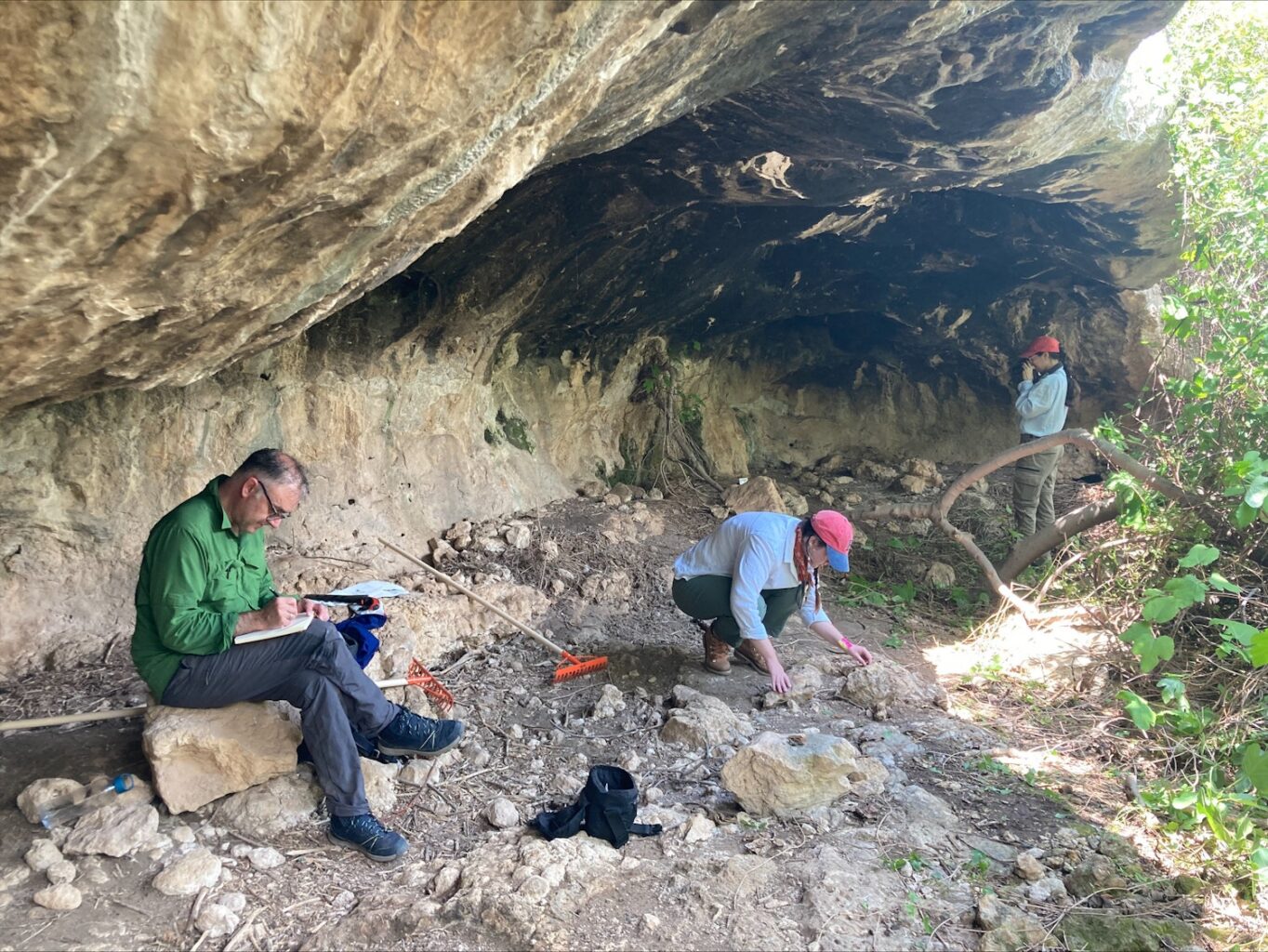
Hila May, Tel Aviv University: An Israeli cave sheds light on ancient human interactions
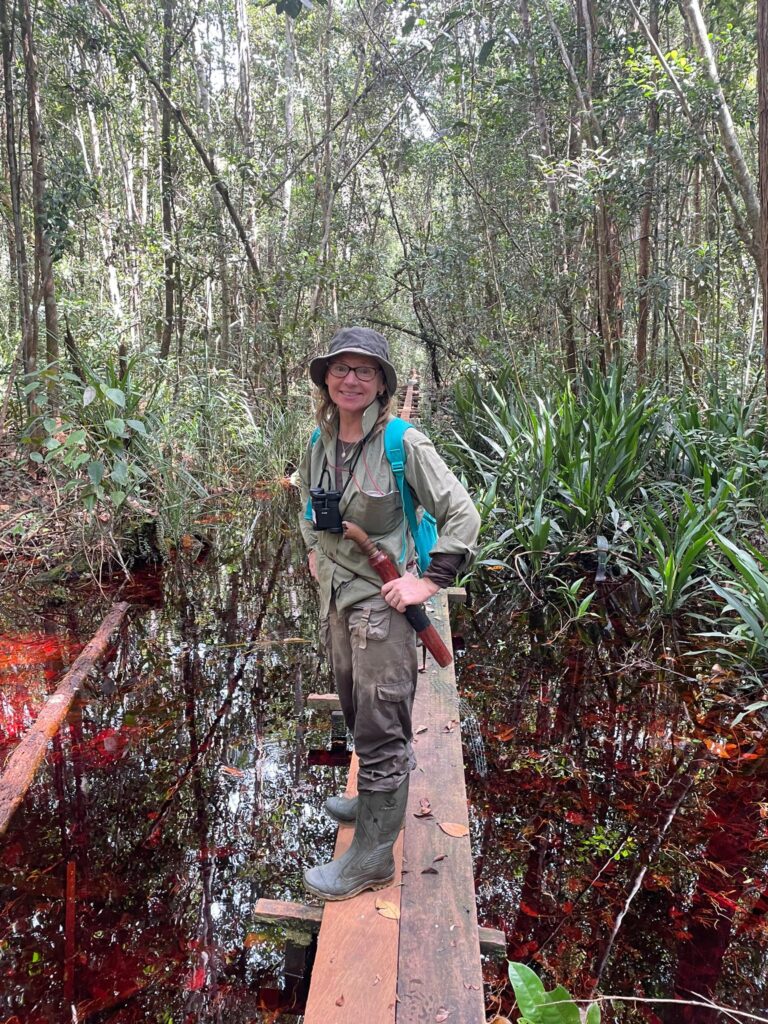
Helen Morrogh-Bernard, Borneo Nature Foundation: Orang-utans’ use of medicinal plants in relationship to human medicine
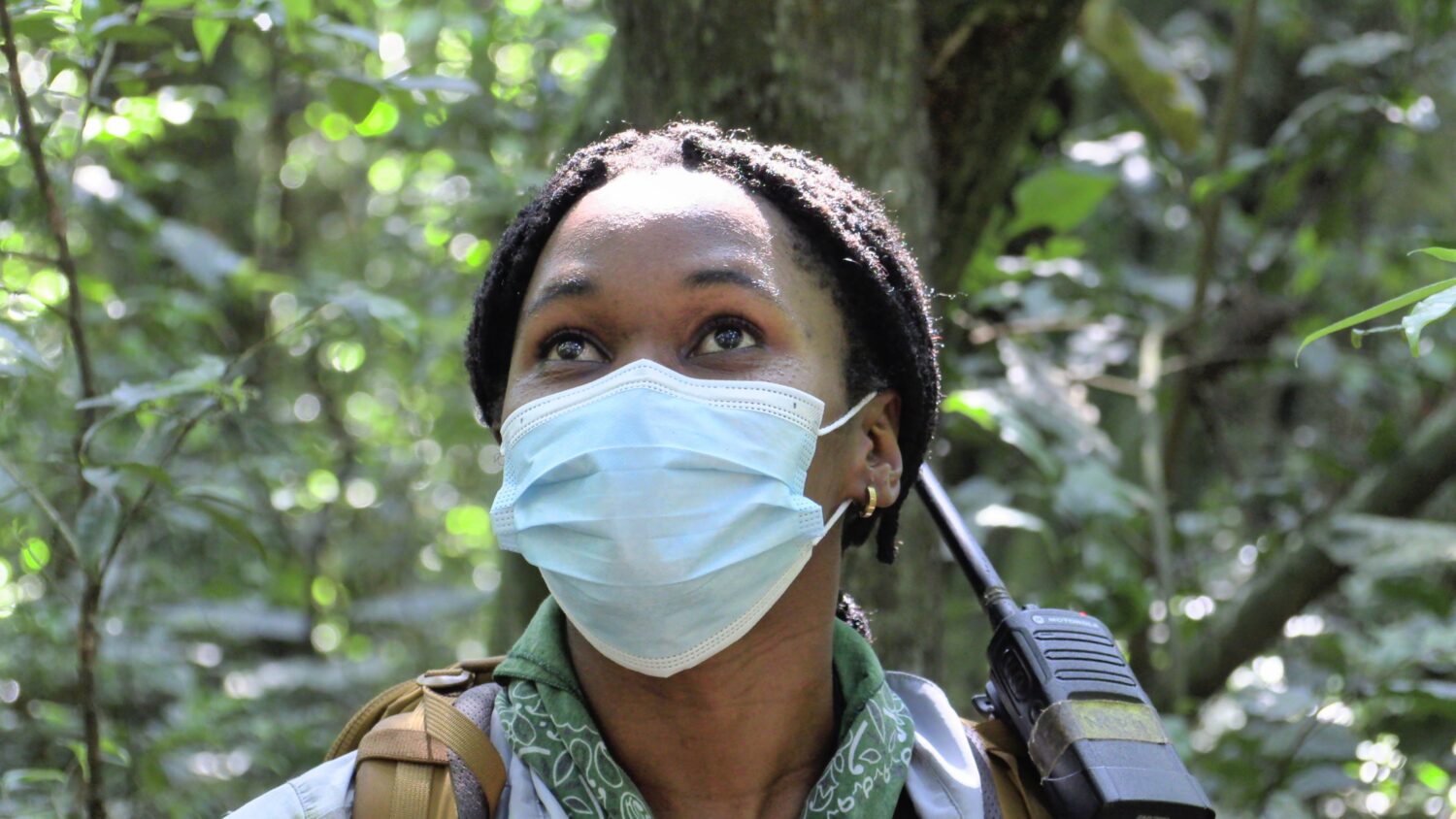
Sharifah Namaganda, University of Michigan: How do chimpanzees decide where to move into the trees?
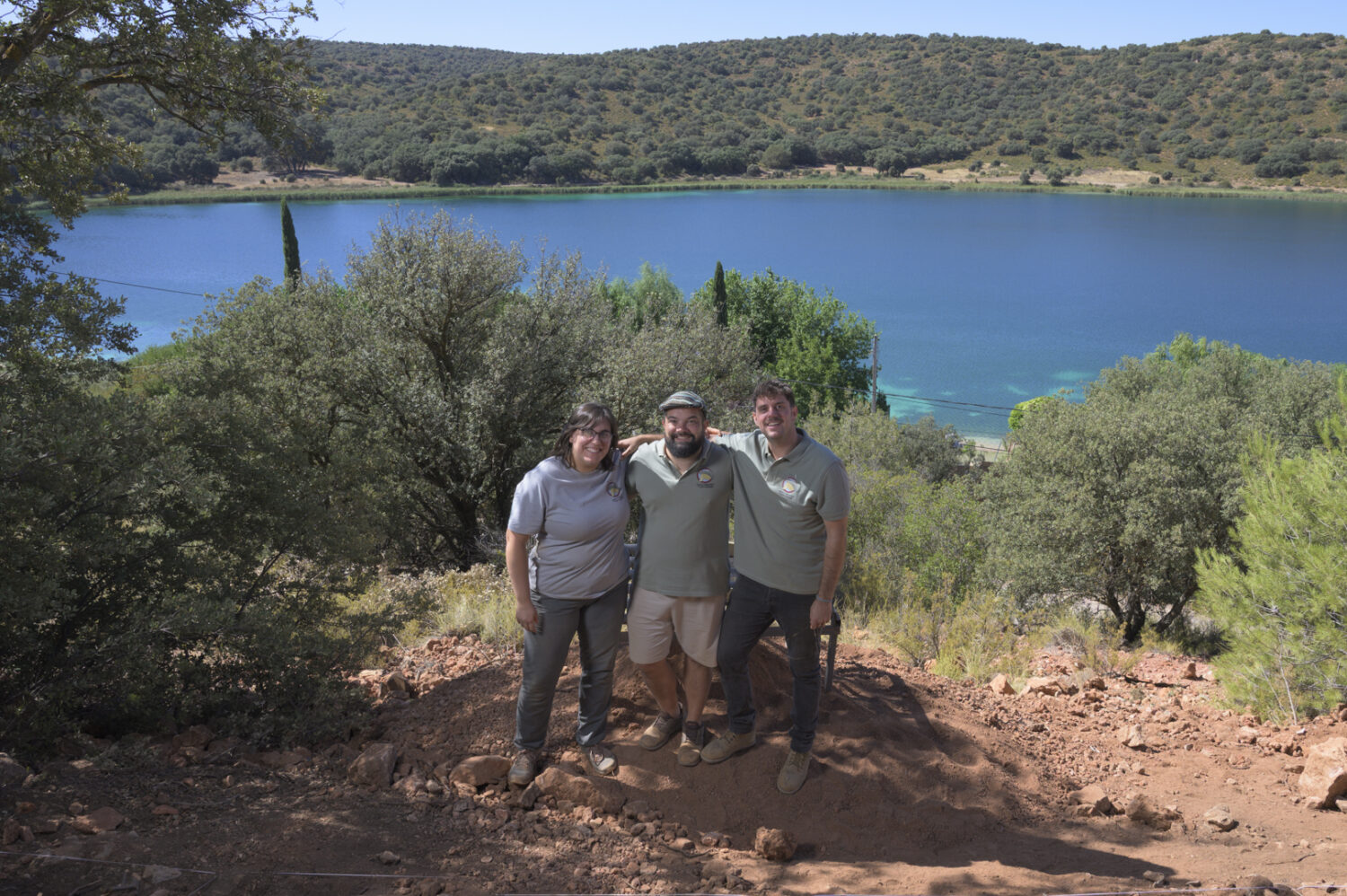
Carlos A. Palancar, Museo Nacional de Ciencias Naturales (CSIC): Unraveling the ‘Muddle in the Middle’: excavations at Ruidera Site
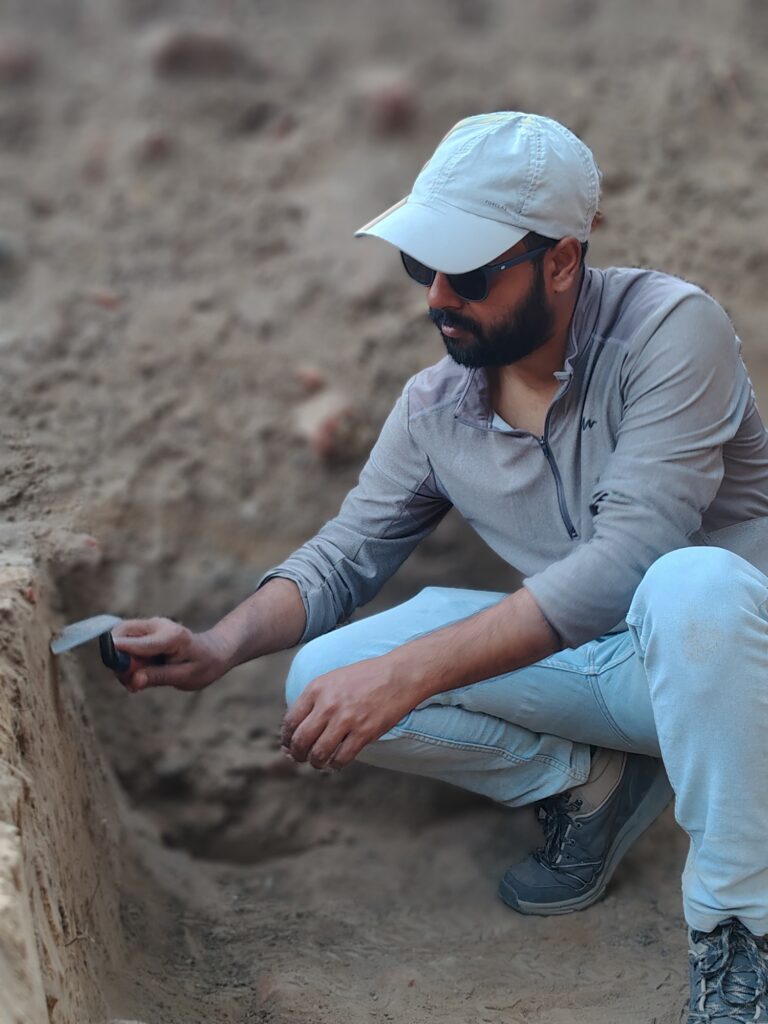
Akash Pandey, Maharaja Sayajirao University of Baroda: How stone tools were used in the Middle Palaeolithic
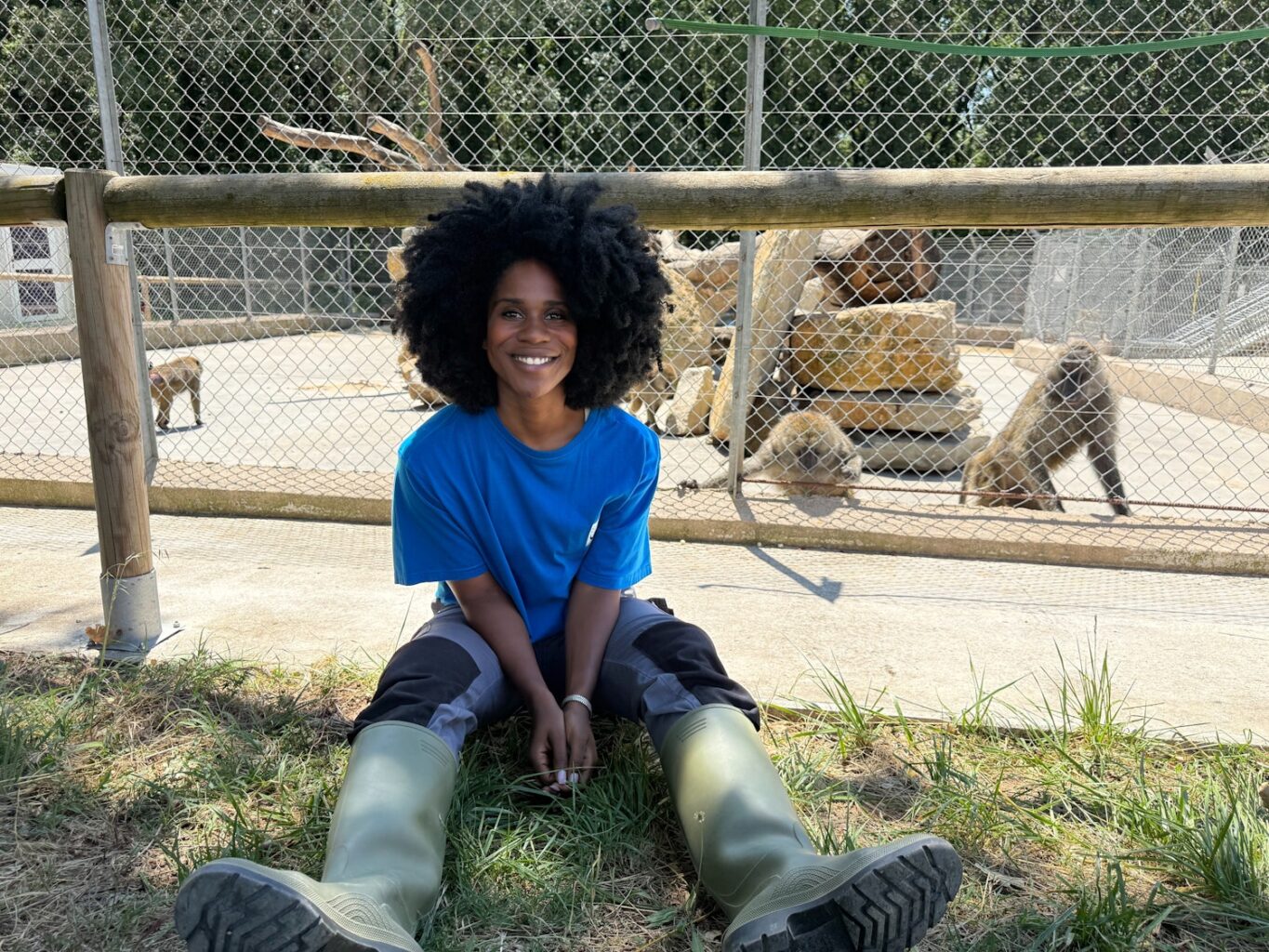
Stacy-Anne Parke, New York University: Why do female baboons give off confusing fertility signals?
Carli Peters, Universidade do Algarve: From bone to burial environment: How do ancient proteins degrade?
Megan Petersdorf, Tulane University: The Kinda baboon mating game
Kari Prassack, ICArEHB: How safe were animal carcasses for scavenging hominins to eat?
Iris Querenet Onfroy de Breville, University of Connecticut: Red, yellow, and black mineral resources of the French Pyrenees
Federico Rossano, University of California, San Diego: Under which conditions do chimpanzees communicate with their peers
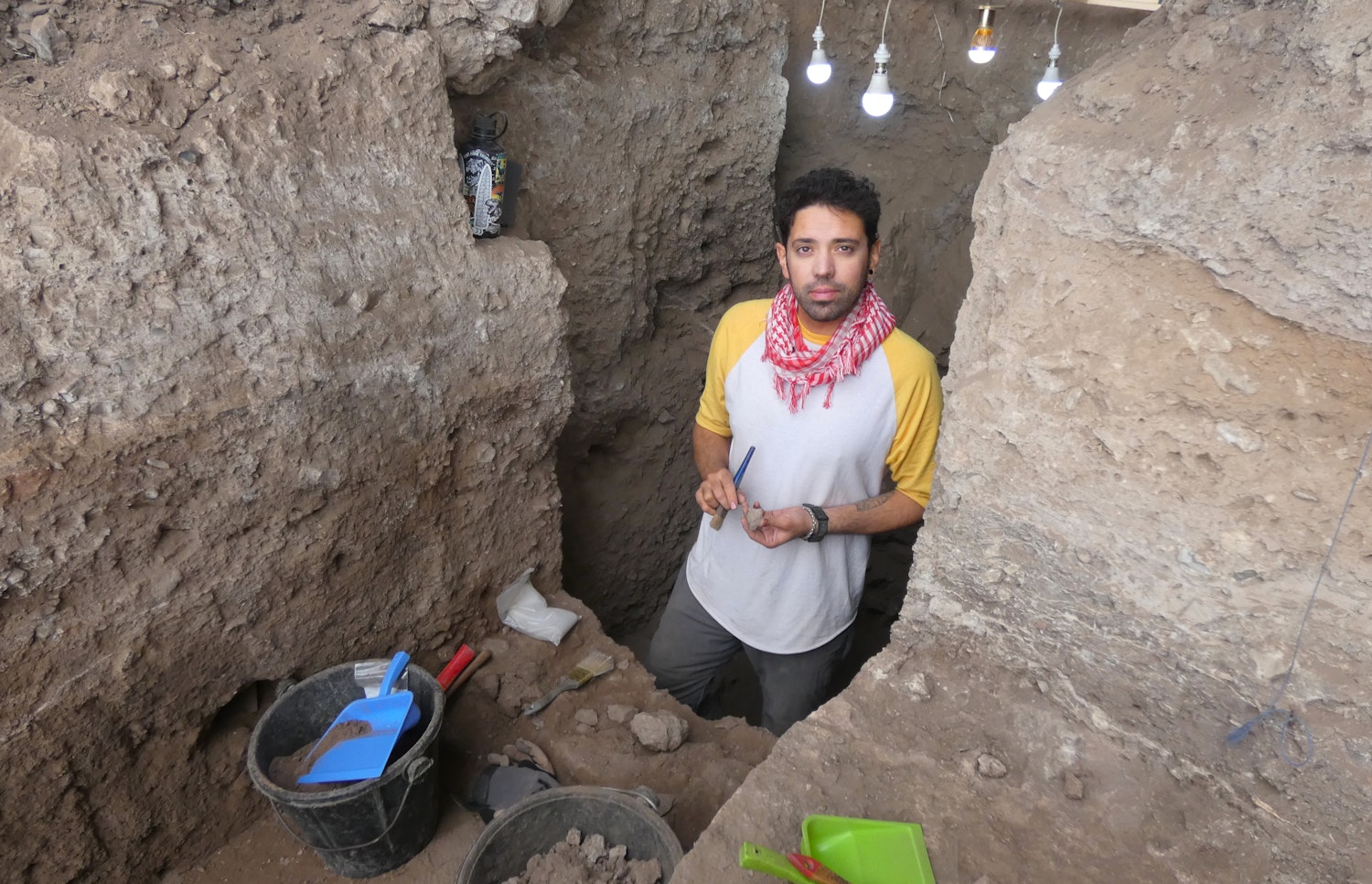
Ismael Sanchez-Morales, University of Utah: Middle Stone Age Forager Land-Use in the Maghreb: Understanding the Behavioral Variability of Early Northwest African Homo sapiens
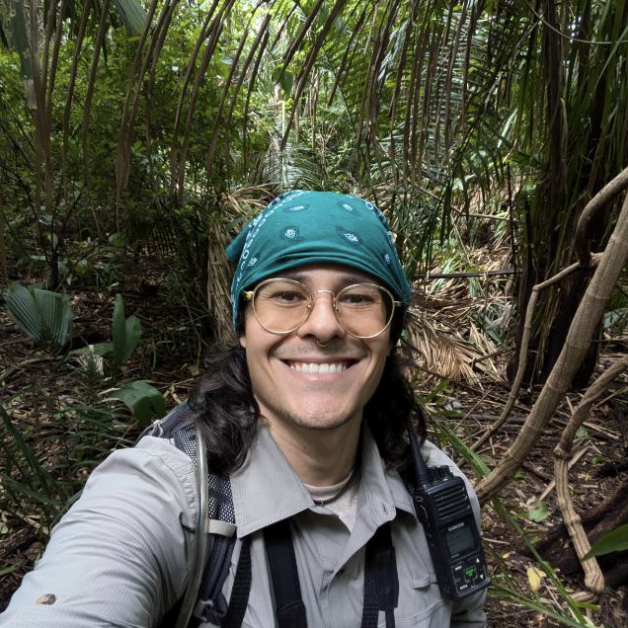
Federico Sanchez Vargas, Emory University: Using AI to explore the minds of wild capuchin monkeys
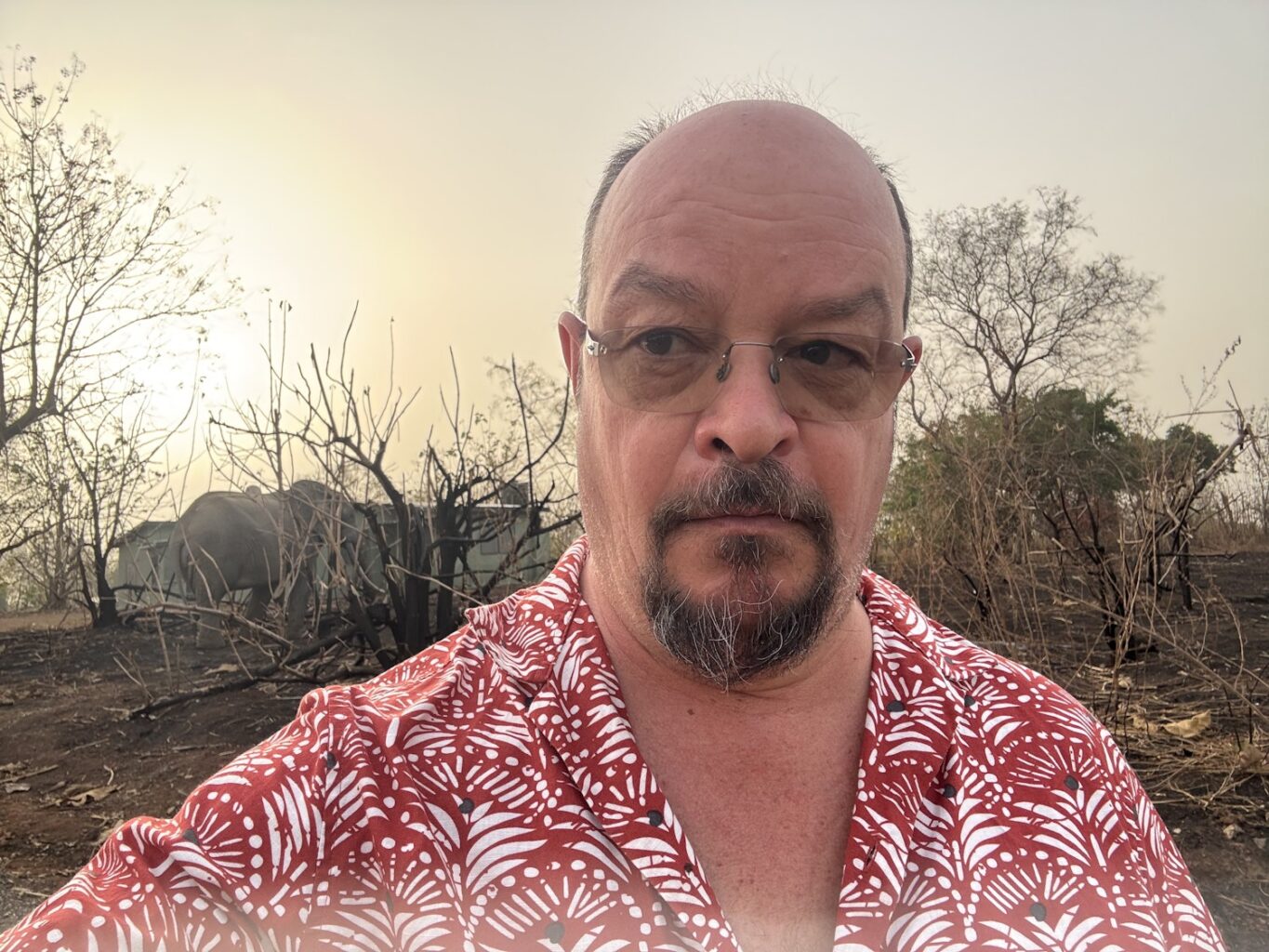
Vincent Savolainen, Imperial College London: Why same-sex relationships happen in monkeys
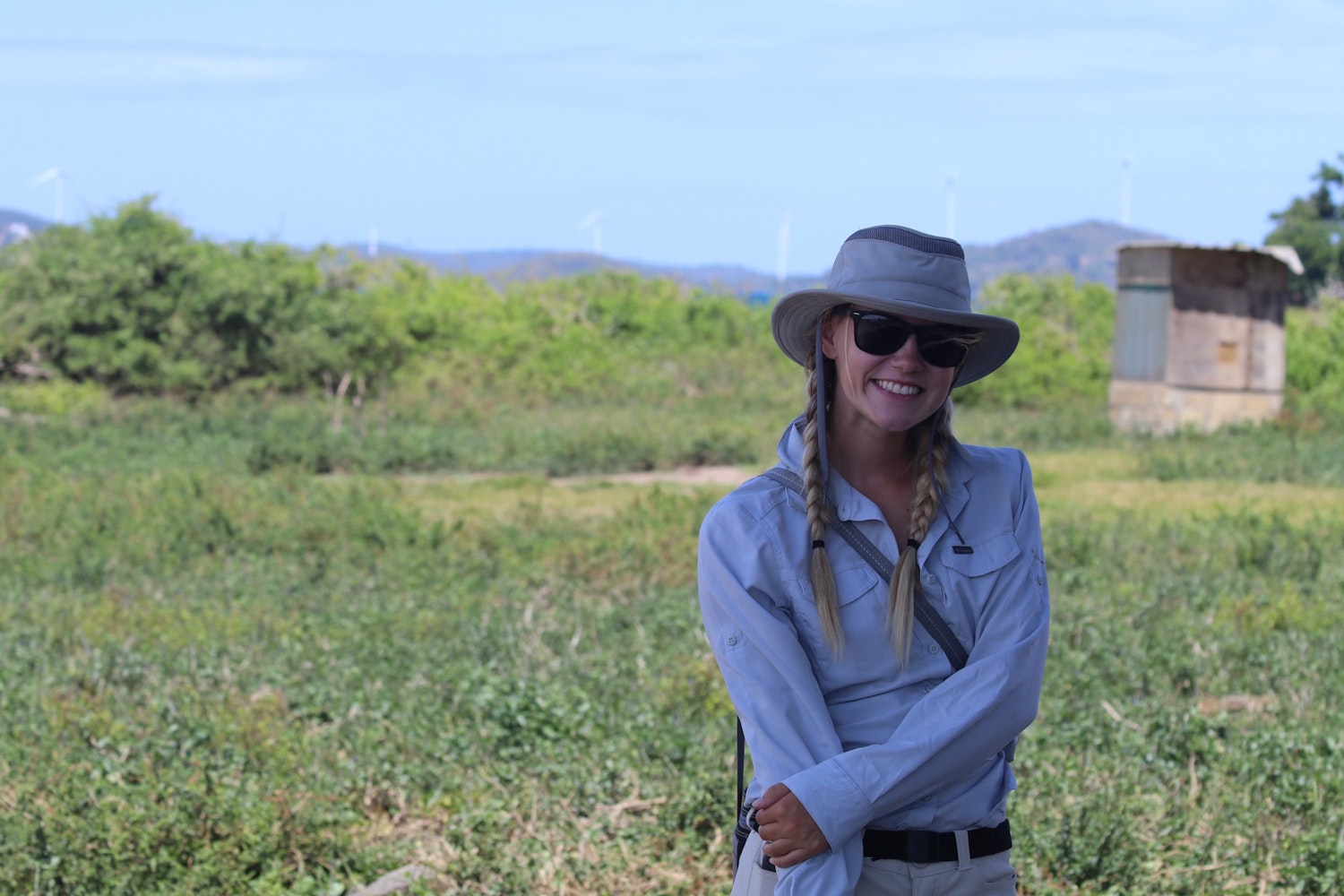
Brooklynn Scott, Arizona State University: Genome evolution and divergence in the gelada
Christian Tryon, University of Connecticut: Human origins research in the Kapthurin Formation (Kenya Rift)
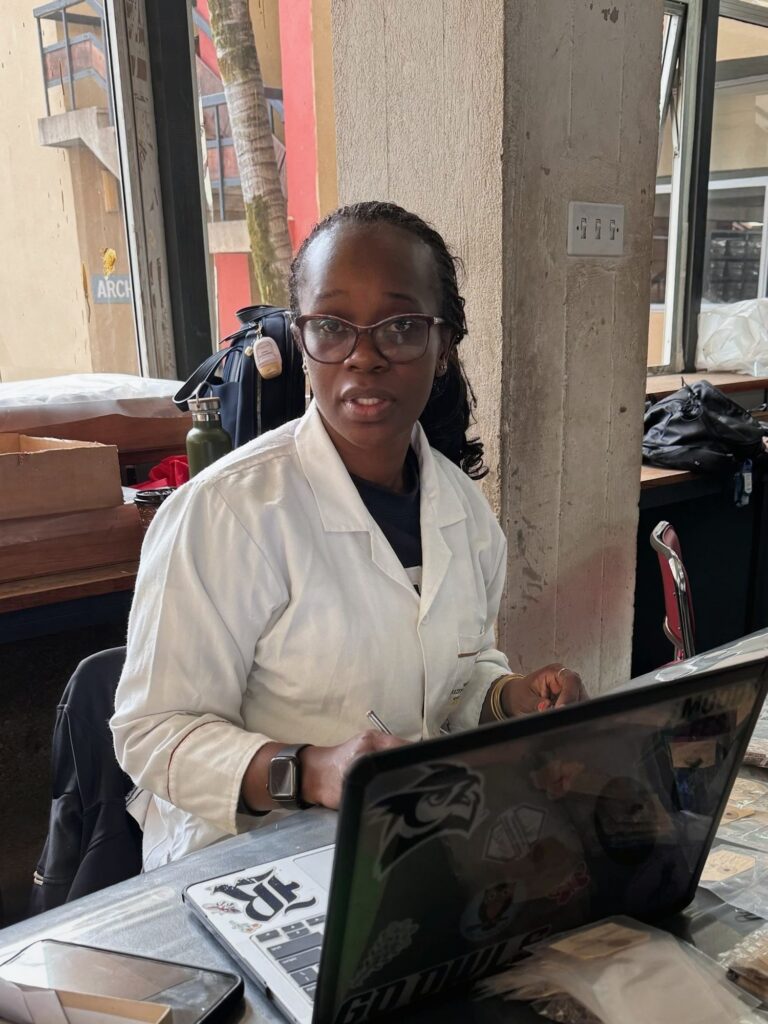
Sylvia Wemanya, Rice University: What did ancient people eat? Insights from animal bones and biomolecules