
From the Field
By Dr. Cheryl Knott, Boston University
Executive Director, Gunung Palung Orangutan Conservation Program and Gunung Palung Orangutan Project
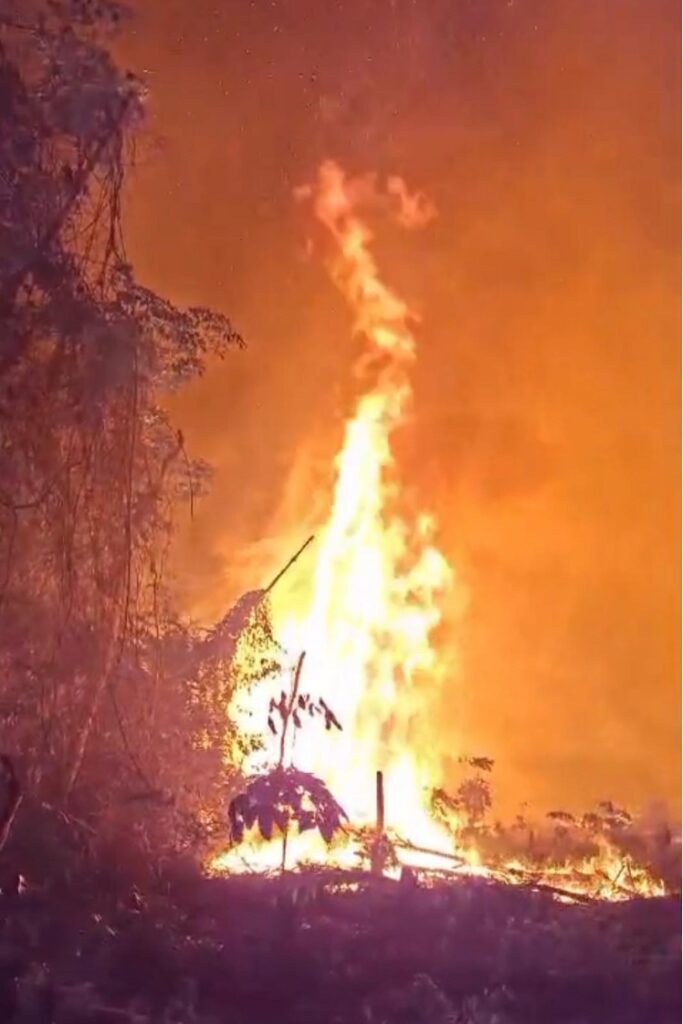
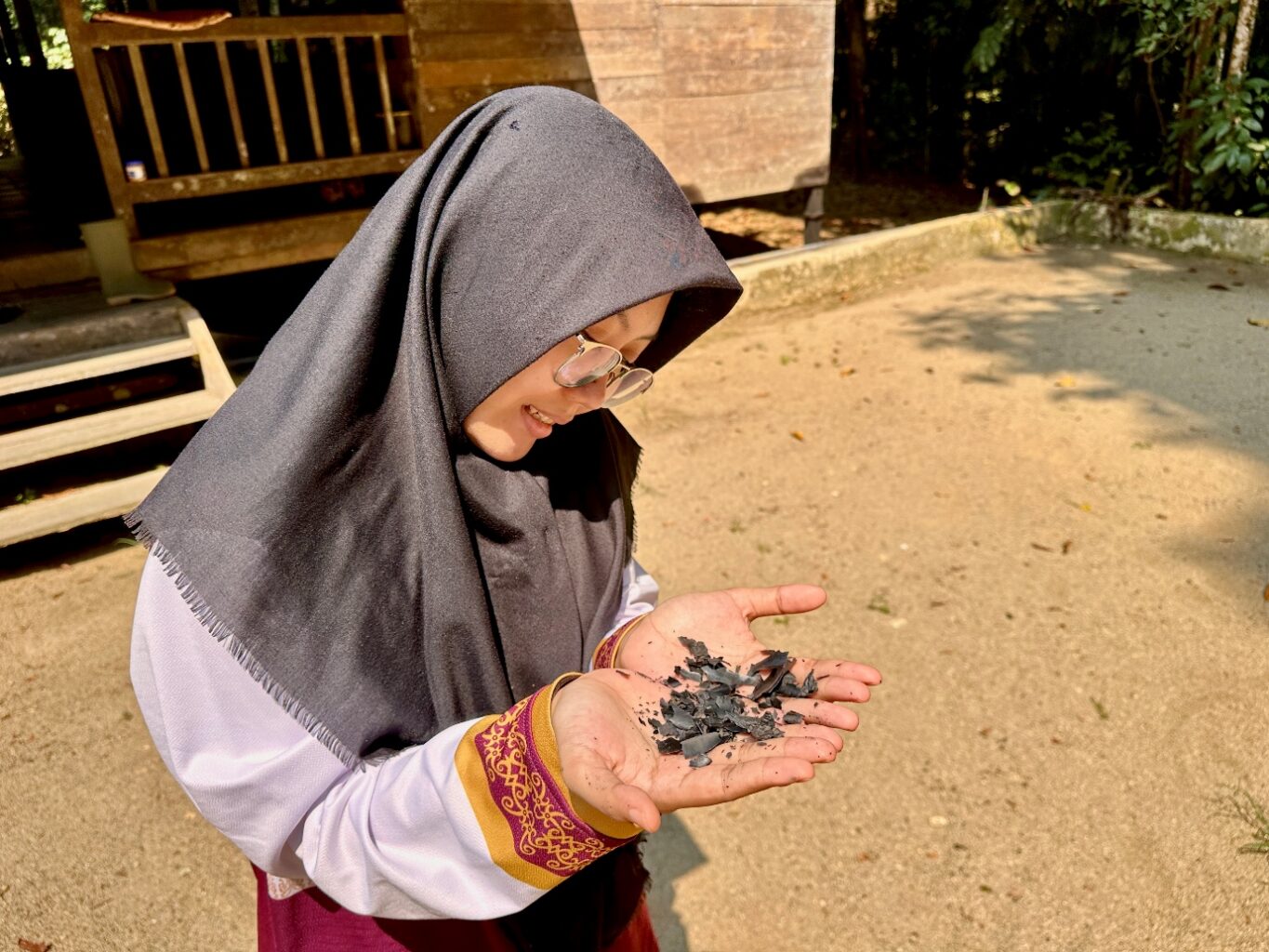
The fire situation here in West Kalimantan has become extremely serious. An active fire crisis is now threatening critical wild orangutan habitat across our region. Ash is literally falling at our research station, and fires have broken out in the villages surrounding Gunung Palung National Park.
Tanjung Gunung Village, the gateway for the trail to our research station, is burning. Villagers, orangutan project staff, and National Park rangers are fighting to keep the access trail open, with the fire front now burning on both sides of the trail. Conditions are becoming increasingly dangerous for researchers and staff traveling through the area, but even more concerning is the threat to local residents. Last night, one of our field assistants had to leave the research station in the middle of the night because fires had advanced to within 50 meters of his home.
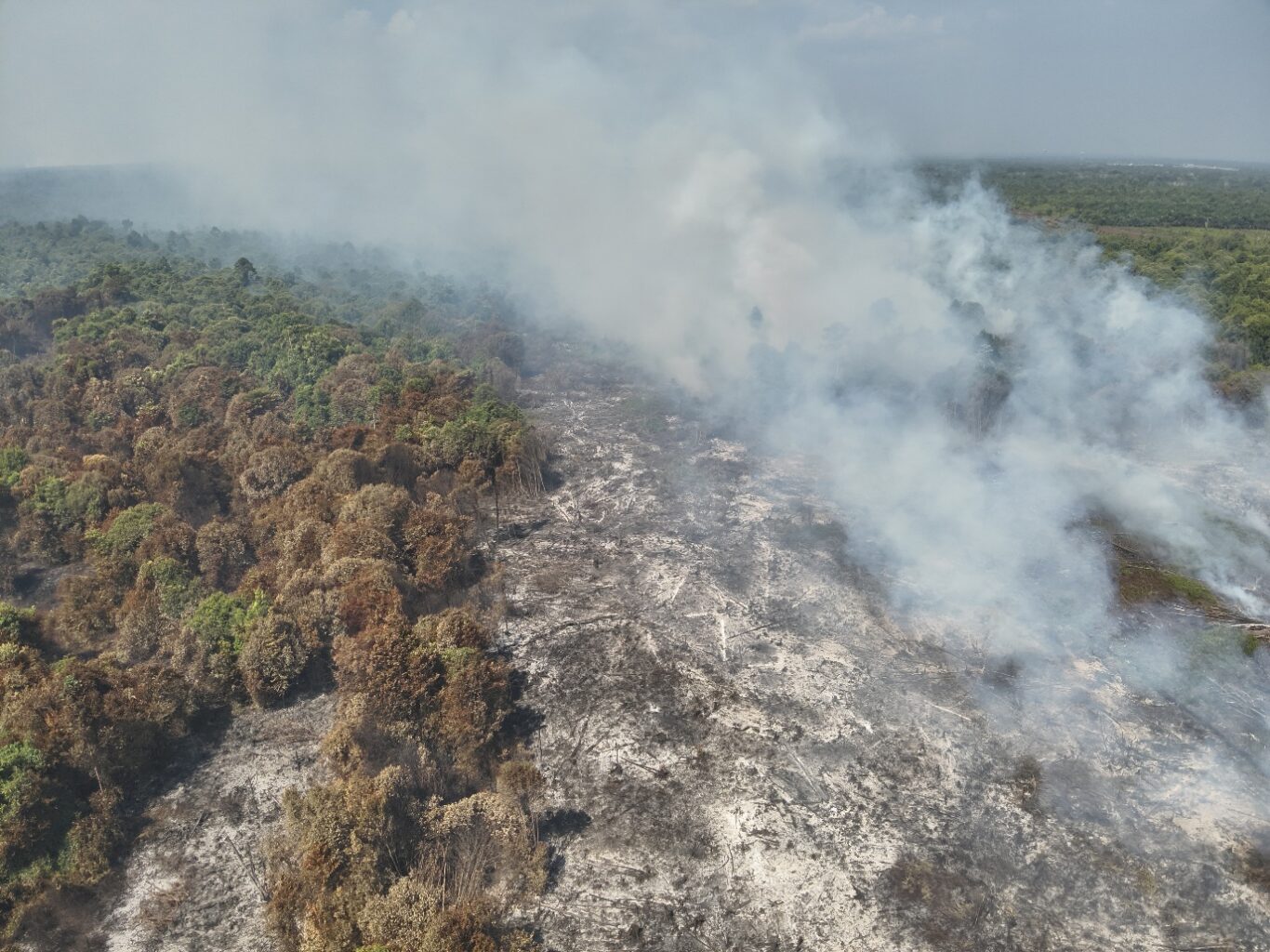
Orangutan habitat both inside and outside Gunung Palung National Park is also severely threatened. Our conservation program supports a network of community-managed Village Forests that protect significant orangutan populations and provide important habitat connections to the National Park. Fires are now threatening these forests, creating the very real possibility that we could lose a significant portion of this protected forest landscape. These forests have effectively become refuges for orangutans that have already lost their habitat once. If these remaining forests burn, many of these animals have nowhere else to go.
Firefighting is particularly difficult because there are no nearby rivers or canals in some of the affected areas. Community members are attempting to dig down to reach groundwater. Right now, access to water is one of our greatest challenges. We urgently need people with the expertise and equipment to drill down to the water table and establish reliable water points within the forest. We also need substantially more fire hose so that water sources can be established in relatively safe locations while allowing firefighters to reach fires hundreds of meters away.
The fires are also creating a growing threat to human health. Thick smoke is blanketing parts of the region, reducing visibility and exposing thousands of people to the hazardous smoke produced by burning vegetation and peat. Our community firefighting teams are working in extremely difficult and dangerous conditions, and one person has already been injured. Keeping these teams deployed requires additional personnel, protective equipment, food and logistical support, and the supplies necessary for them to work as safely and effectively as possible.
Local government resources are stretched extremely thin. Fires are breaking out across West Kalimantan, and the limited firefighting resources available—including water-bombing helicopters—must cover an enormous area. For the forests we are trying to protect, we are increasingly dependent on our own teams and the local communities fighting alongside us.
Emergency funds received now can put more firefighters into the field, purchase fire hose and protective equipment, establish desperately needed water sources, and help our teams hold the fire line before more forest is lost. Once the fires are under control, we will face another enormous challenge: assessing the damage and restoring the areas that have burned. But right now, our priority is clear: saving as much of this irreplaceable orangutan habitat as we possibly can.
Thank you for your help!
Contribute to the Gunung Palung Orangutan Project’s emergency fire-fighting fund.