

Read about the latest human origins discoveries, Leakey Foundation-supported research, and news from the field.
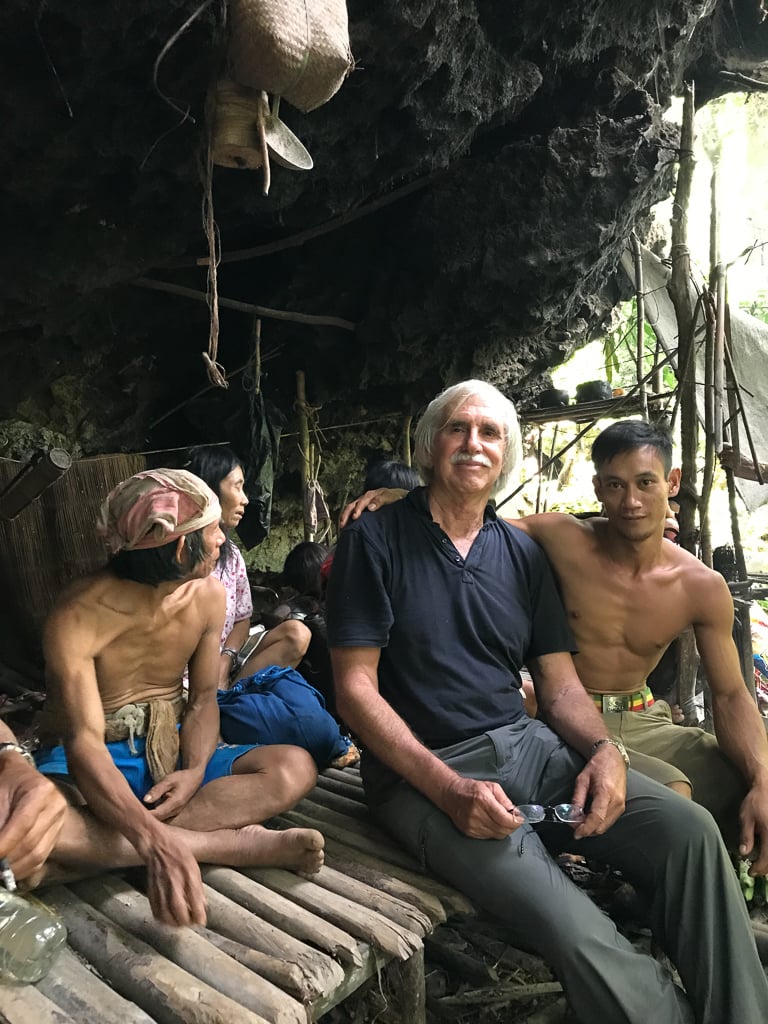
Origin Stories: The Cave Punan
Origin Stories
Deep in the remote forests of Indonesian Borneo lives a society of hunter-gatherers who speak a language never before shared with outsiders. Until now. The latest episode of Origin Stories tells the story of the Cave Punan people and their urgent plea for help to save their forest home.
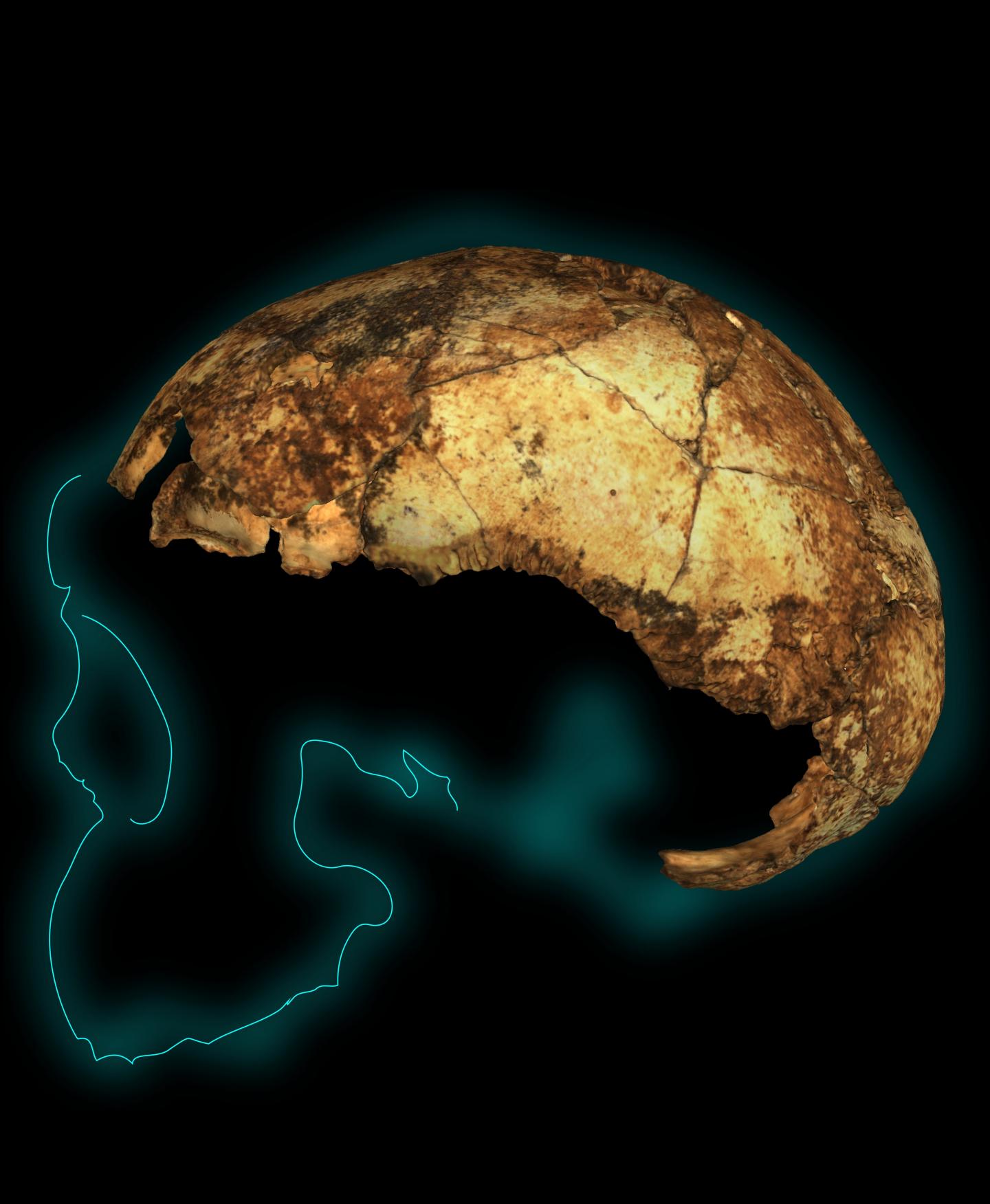
In South Africa, Three Hominins, Including Earliest Homo erectus, Lived during the Same Period
Journal Article
Nearly 2 million years ago, three hominin genera – Australopithecus, Paranthropus and the earliest Homo erectus lineage – lived as contemporaries in the karst landscape of what is now South Africa, according to a new geochronological evaluation of the hominin fossil-rich Drimolen Paleocave complex.

Humans of Anthropology
Behind the Science | The Leakey Foundation
Science is a collaborative endeavor and long-term projects require the work of multiple generations of researchers. At the 2019 meeting of the American Association of Physical Anthropologists, The Leakey Foundation set out to document the academic “families” of biological anthropology. All of the portraits are now available on our website.
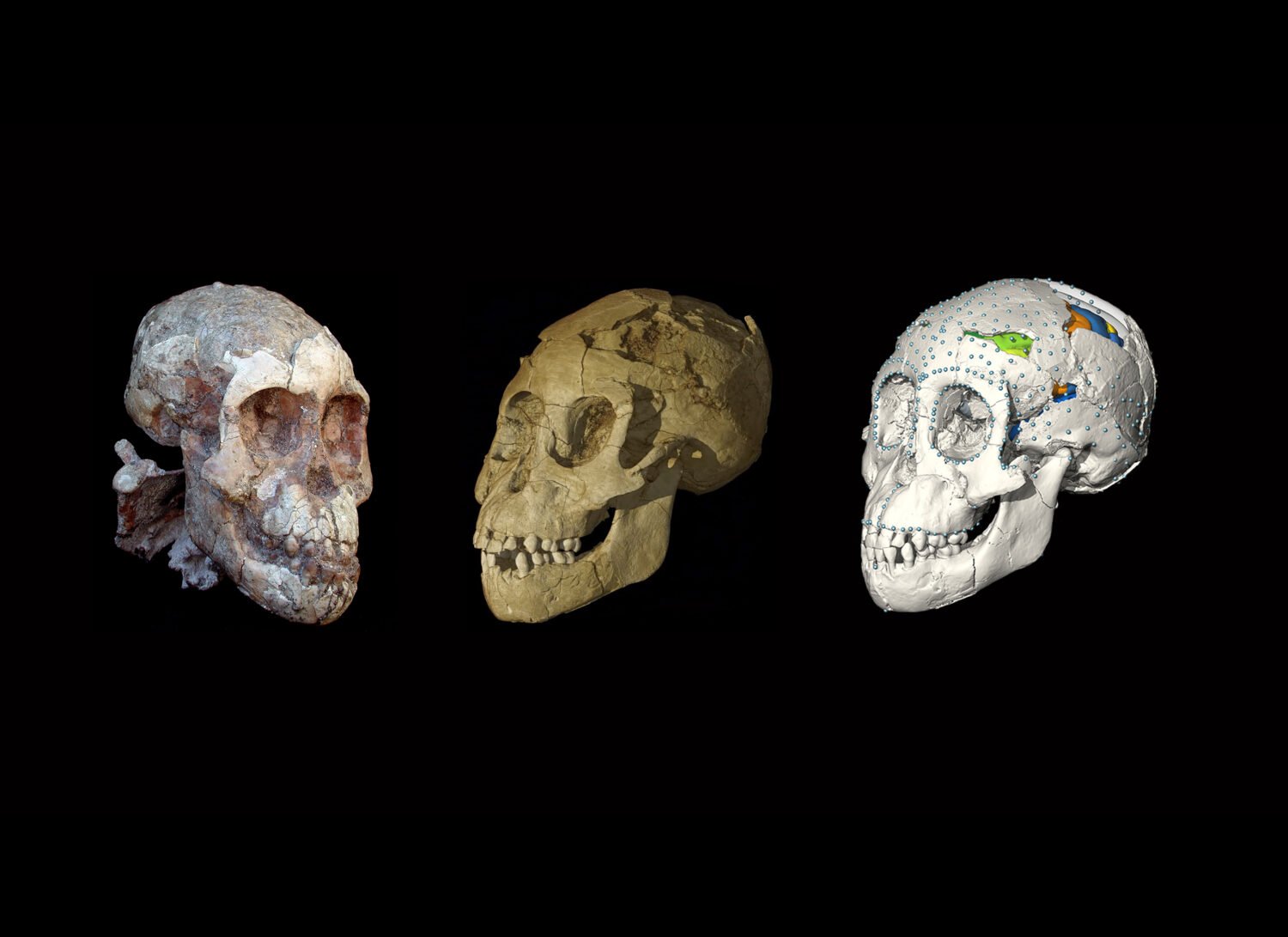
Baby Steps: This Ancient Skull Is Helping Us Trace the Path That Led to Modern Childhood
Journal Article
New findings by Leakey Foundation grantees reveal the slowing down of brain development in our ape-like ancestors began more than three million-years-ago.
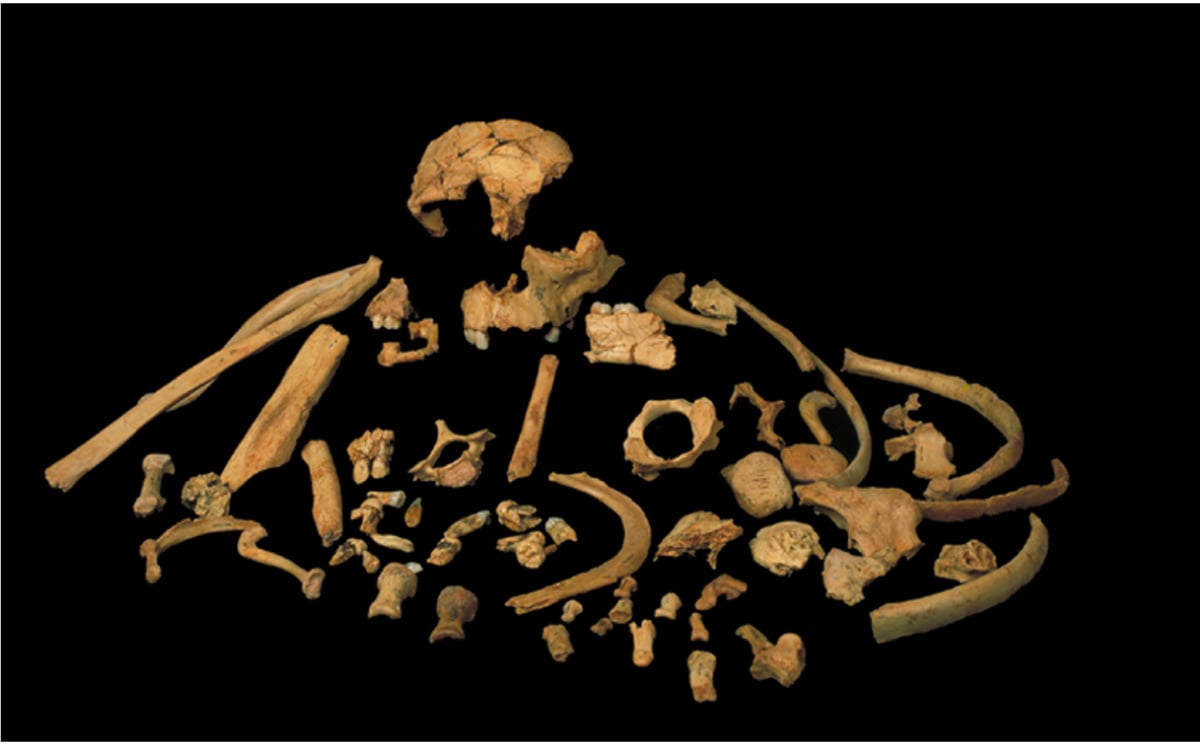
Oldest Ever Human Genetic Evidence Retrieved from 800,000-Year-Old Fossil
Journal Article
An important advancement in human evolution studies has been achieved after scientists retrieved the oldest human genetic data set from an 800,000-year-old tooth belonging to the hominin species Homo antecessor.
Grantee Spotlight: Harmonie Klein
Grantee Spotlight
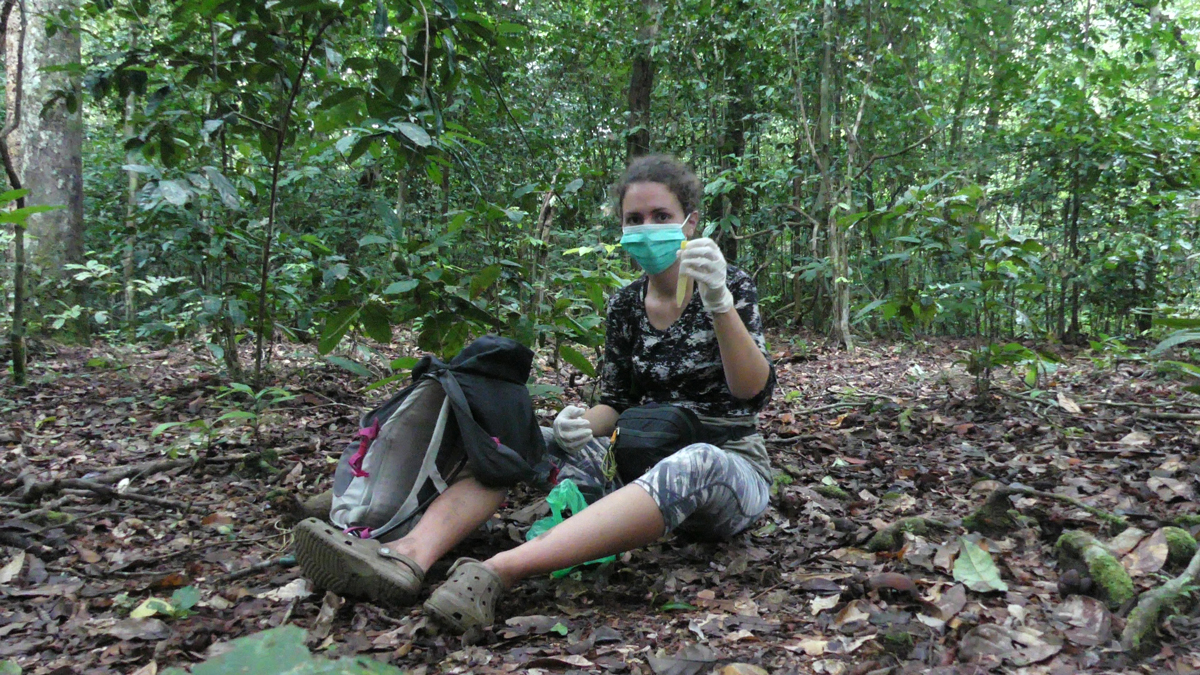
Harmonie Klein is a PhD candidate studying hunting and meat sharing among wild chimpanzees in Gabon. This community of chimpanzees is newly habituated to human presence and Klein is learning a lot about their cooperative behaviors.
Female Chimps with Powerful Moms Are Less Likely to Leave Home
Journal Article
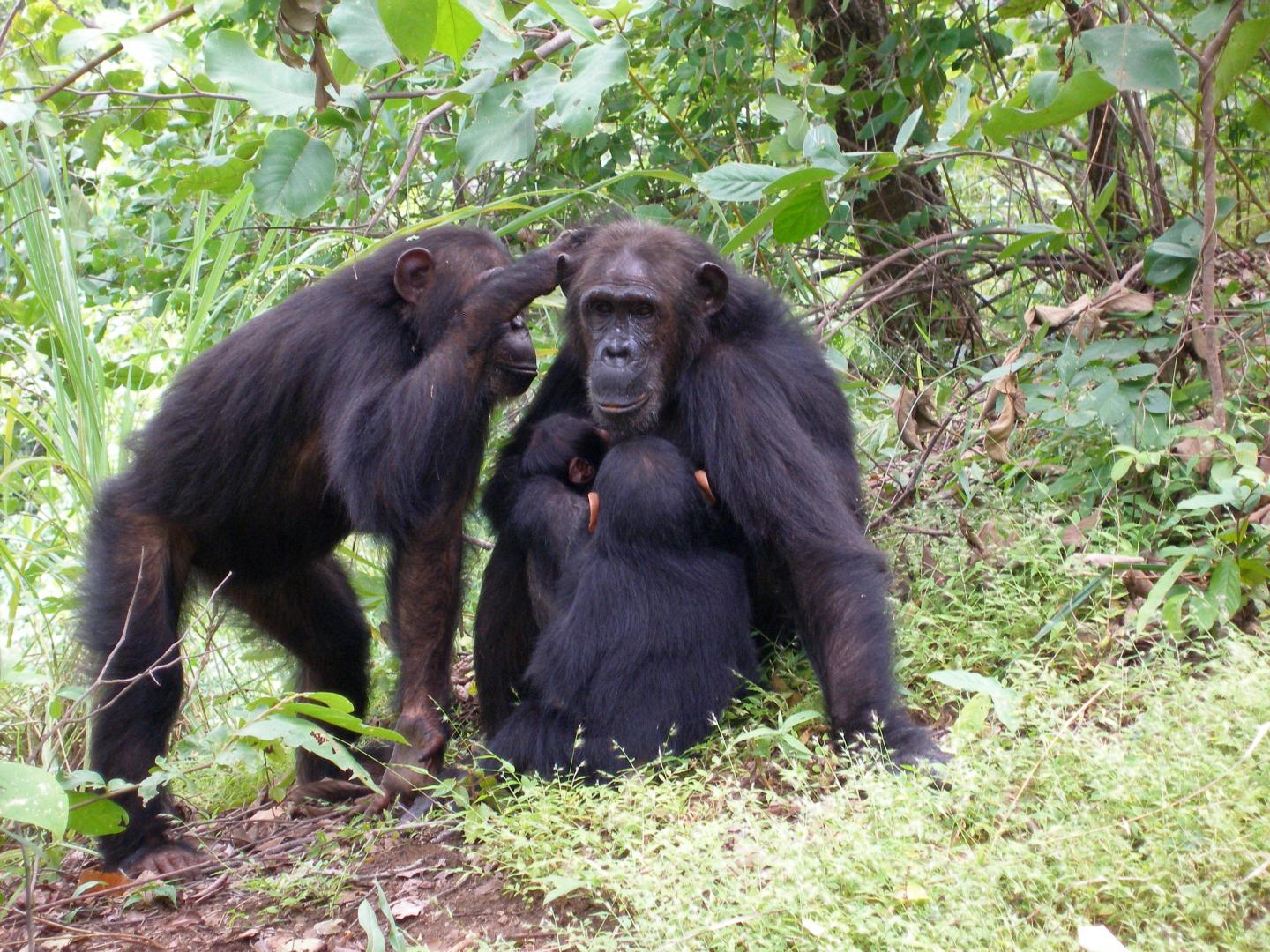
Chimps are unusual among mammals in that daughters, not sons, typically pick up their roots at puberty and move away from their families. But in Gombe National Park, some chimpanzee females stay put instead of moving out.
Grantee Spotlight: Mareike Janiak
Grantee Spotlight
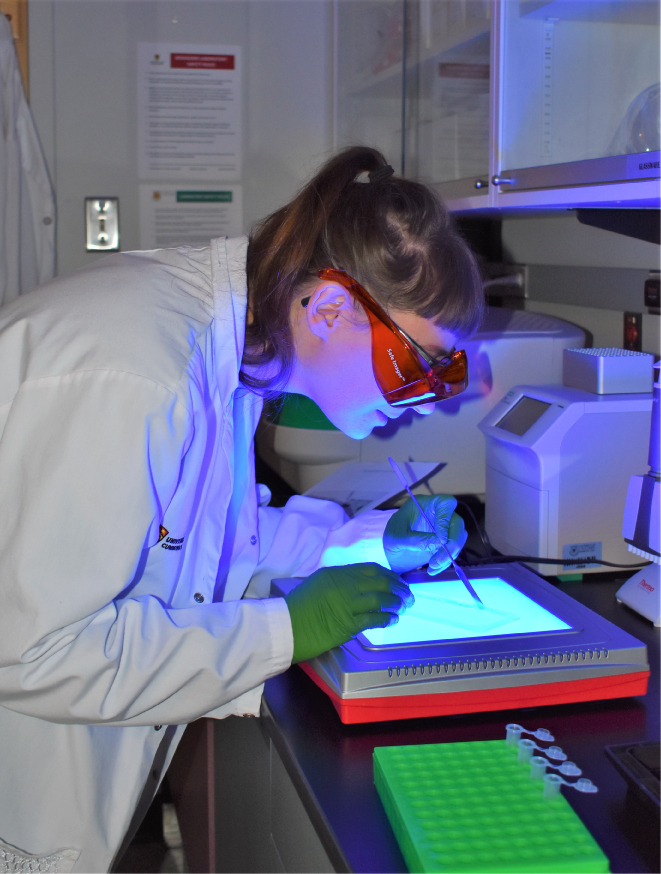
What makes humans such “adaptable” and flexible creatures, especially when it comes to what we eat? Primates, in general, can survive on a wide variety of foods, but there are also a lot of species with a range of really specialized diets, like those focused on insects, leaves, or fruit, and all of these foods have different challenges when it comes to digesting them. Mareike Janiak’s research is focused on understanding how the species in these different dietary niches have adapted to digesting their foods.
A Tiny Bone from Little Foot’s Skeleton Adds Fresh Insights into What Our Ancestors Could Do
Journal Article
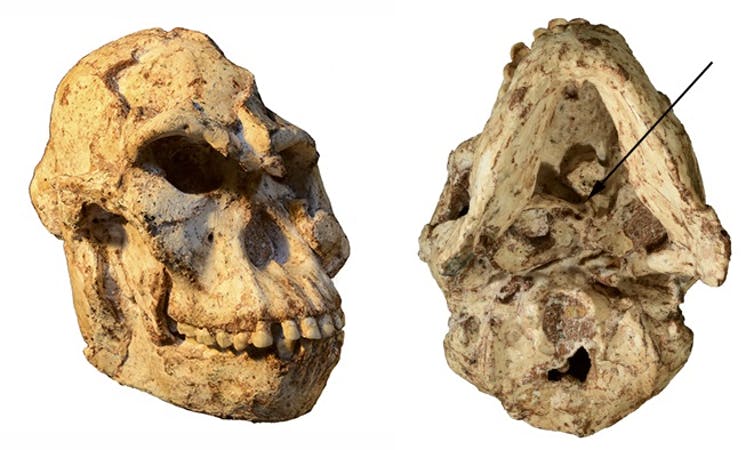
New research on an Australopithecus fossil called “Little Foot” helps us better understand how these ancient hominins lived. The findings suggest that this specimen could climb and move in trees as well as on the ground.
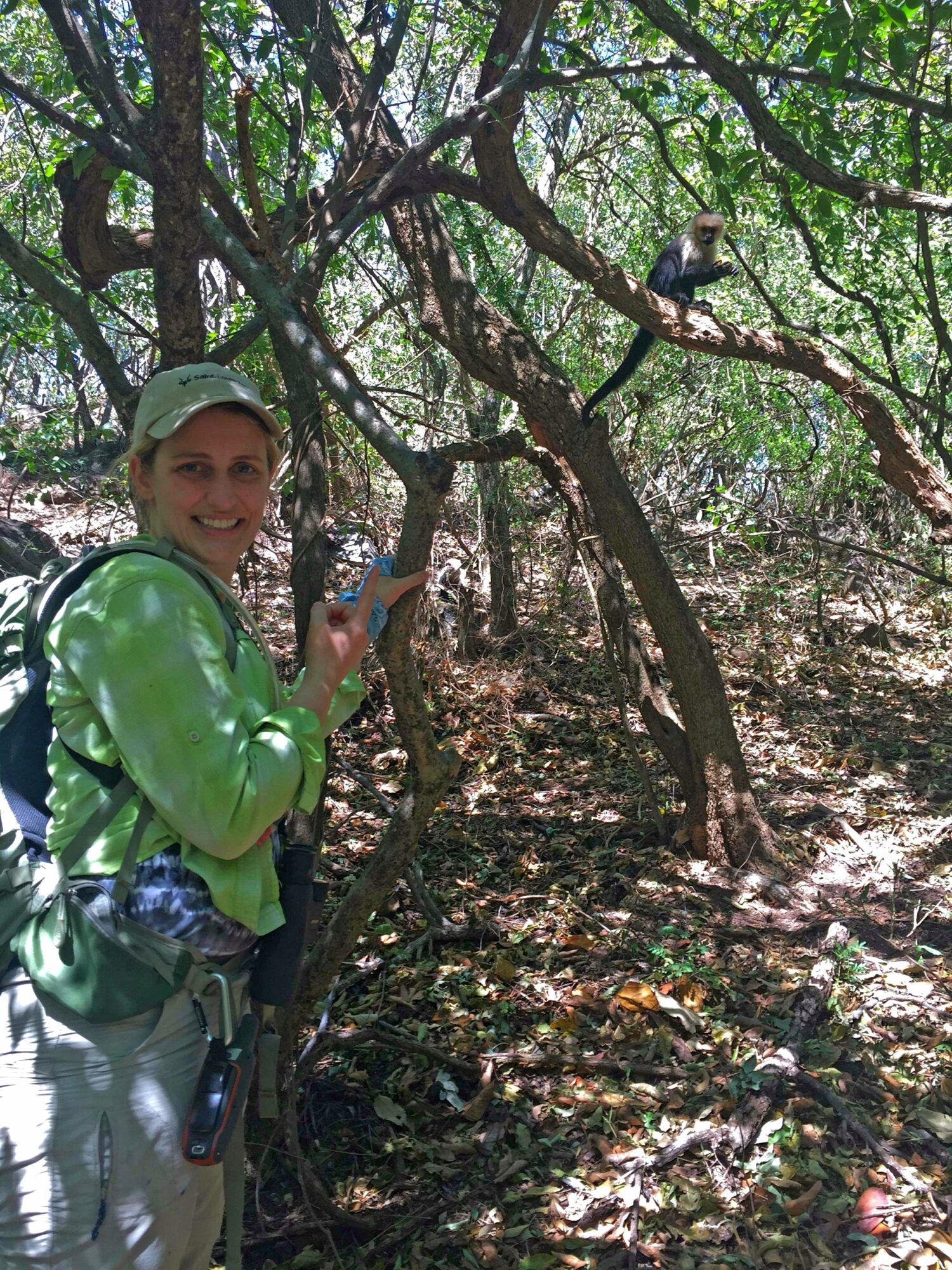
From the Field: Margaret Buehler
From the Field
Margaret Buehler’s research strives to answer a seemingly simple, yet important, evolutionary question about primates that live in groups: why do specific primates choose to live together?