

Baldwin Fellows
The Leakey Foundation is proud to announce the Baldwin Fellowship recipients for 2026.
The Franklin Mosher Baldwin Memorial Fellowship program was established in 1978 to expand access to advanced degrees for students from countries with limited opportunities for advanced study in human origins. This prestigious program builds the future of science by investing in outstanding scholars, helping them become leaders in their home countries. Successful applicants come to the program with strong academic records and remarkable dedication to their chosen fields.
The 17 new and returning Baldwin Fellows represent 10 countries and a wide variety of scientific disciplines. We look forward to sharing more about these scientists and their work as they progress in their studies and careers.
The Baldwin Fellowship is funded through generous support from Leakey Foundation donors.
Returning Baldwin Fellows
Ephrem Assefa Gebrekidan, Ethiopia
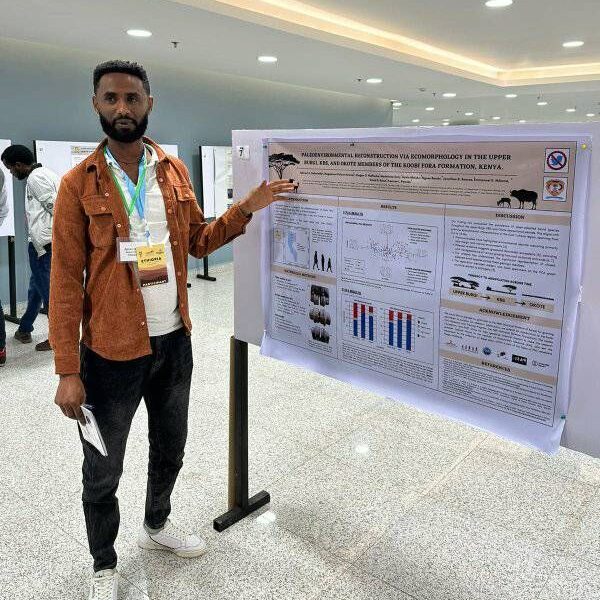
Returning Baldwin Fellow Ephrem Gebrekidan is pursuing a PhD in Evolutionary Anthropology at Arizona State University’s Institute of Human Origins. His dissertation will focus on reconstruction of the diet and dietary adaptation of mid-Pliocene hominins at Woranso-Mille, Ethiopia, using dental microwear textural analysis (DMTA). Currently, he is working on his field statement, which he aims to complete over the Fall semester. Ephrem presented a research poster on his Koobi Fora Project at the 9th Biennial Conference of the East African Association for Paleoanthropology and Paleontology (EAAPP) in Addis Ababa in 2023. After completing his PhD, he plans to return to Ethiopia to continue his work as a lecturer and researcher at Adigrat University.
Divyendu Divakar Kashyap, India
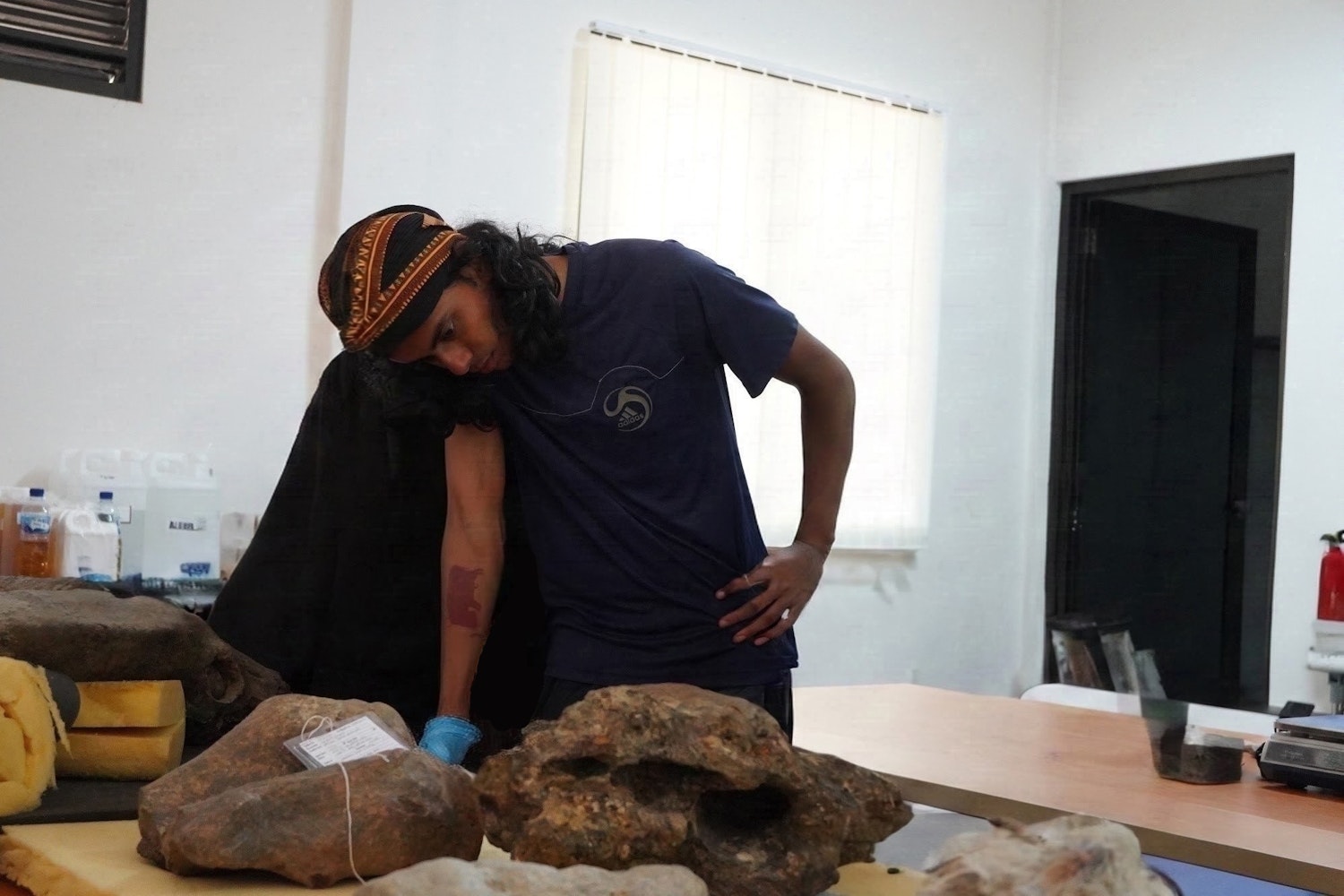
Divyendu Kashyap is continuing his doctoral studies in evolutionary anthropology at Arizona State University under the mentorship of Denise Su at the Institute of Human Origins. His dissertation will focus on the evolution and paleoecology of African proboscideans and other megaherbivores during the Mio-Pliocene and their implications for hominin origins. He aims to use multiple dietary proxies to understand the relationships between niche partitioning, coexistence, and selection. In the first year, he completed coursework on ecology and paleoecology, and is now working on his field statement. He aims to defend his research proposal by next summer. Following his PhD, Divyendu plans to return to India to advance paleontological research through collaborative projects and training programs.
Nacim Mazouni, Algeria
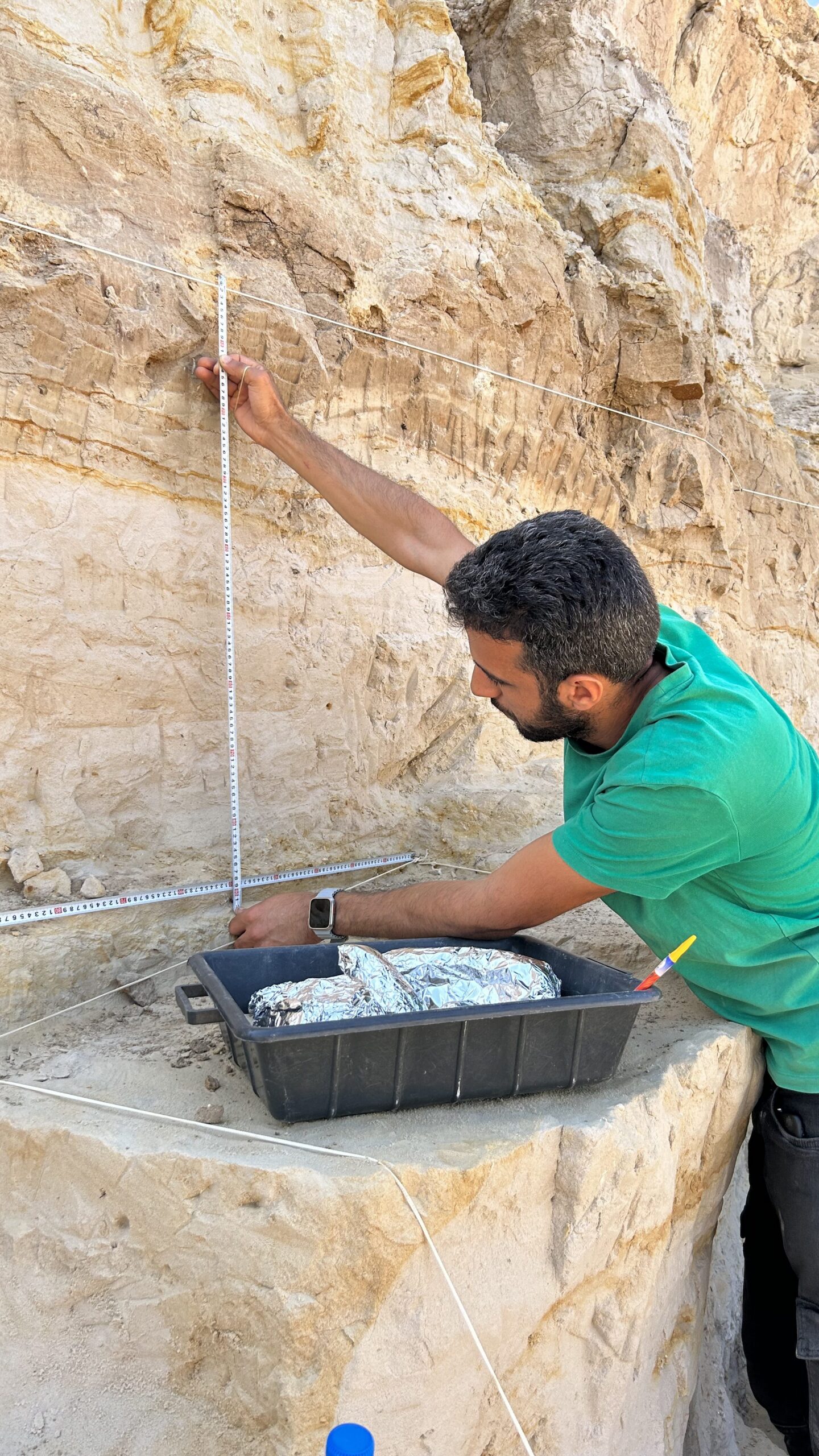
Nacim Mazouni returns for a second year of Baldwin support as a PhD candidate in Quaternary and Prehistory at the University Rovira i Virgili in Tarragona, Spain, where he is based at the Catalan Institute of Human Paleoecology and Social Evolution under the supervision of Josep Vallverdú. His dissertation examines the sedimentary contexts of the Ain Boucherit and Aïn Hanech sites in northeastern Algeria, with the goal of reconstructing Oldowan hominin environments spanning roughly 2.4 to 1.8 million years ago. During his first year, he completed two rounds of fieldwork at Ain Hanech and conducted a geological survey of the Beni Fouda basin to trace the sources of heavy minerals. In the coming year, he plans a third field season to expand sampling at Ain Boucherit’s lower levels, continue laboratory work, begin interpreting results, and draft both his dissertation outline and a manuscript on the revised stratigraphy of Ain Hanech for peer-reviewed submission.
Following his PhD, he plans to return to Algeria, where he aims to help integrate geoarchaeological methods into archaeological research and teaching. With few trained specialists in Quaternary sediment studies in Algeria, he hopes to fill the gap by contributing to research, training, and museum-based science through national institutions such as the Bardo Museum and local universities.
Emmanuel Kipruto Ngetich, Kenya
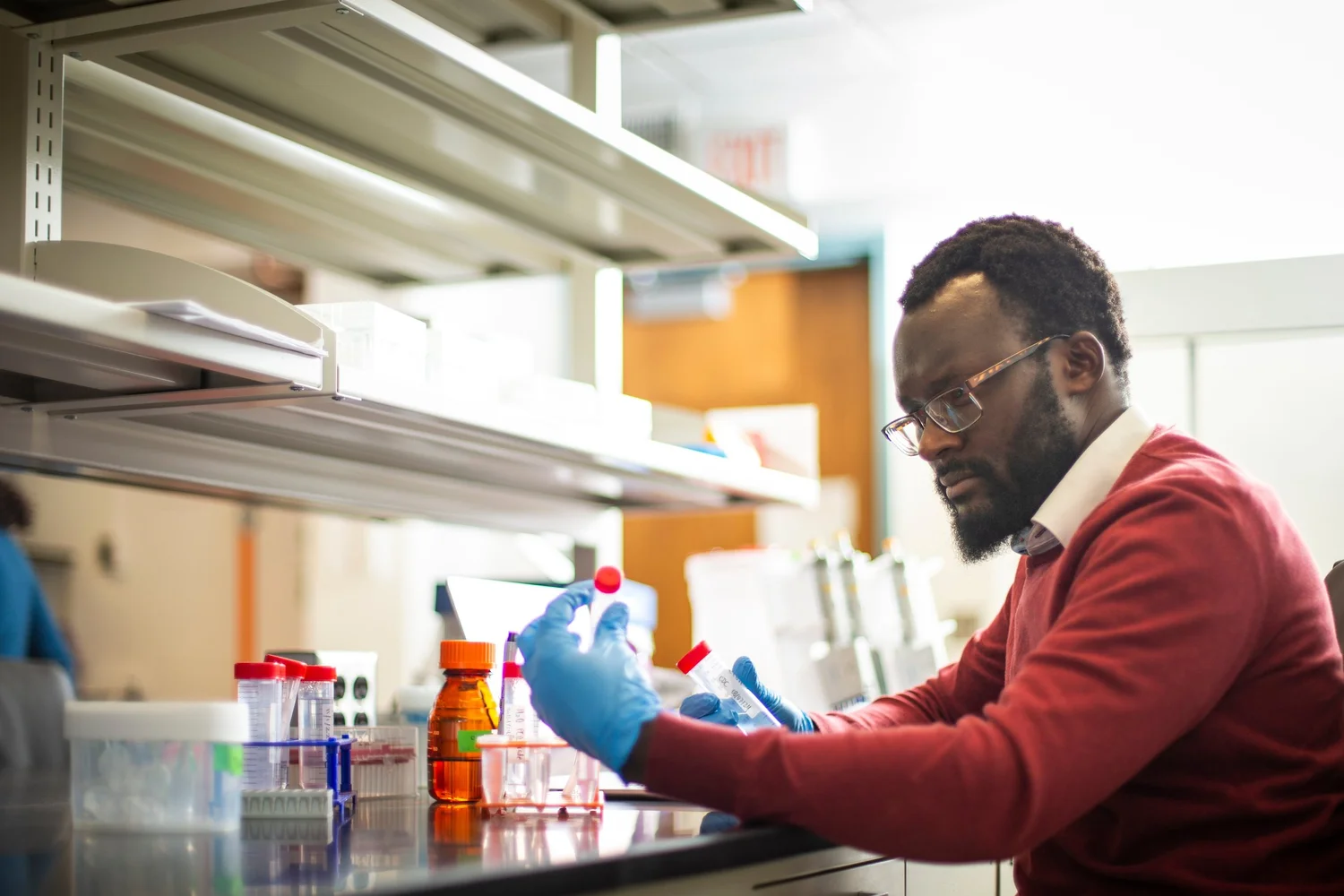
Emmanuel Kipruto Ngetich is continuing his doctoral work in biological anthropology at the University of Minnesota, Twin Cities. His dissertation investigates population mobilities and genetic diversity in Eastern Africa through both modern and ancient DNA analysis, with Mfangano Island in Lake Victoria as his primary field site. During his first year, he completed coursework in computational genomics and African archaeology, advanced his training in ancient and modern DNA extraction and library preparation in the Anthropological Genetics Laboratory, and served as a teaching assistant for the department’s human evolution course. In the coming year, he plans to complete IRB approvals at both Minnesota and the Kenya Medical Research Institute, and conduct his first field season on Mfangano Island to collect genetic and ethnographic samples from the Abasuba community.
He plans to return to Kenya after completing his PhD to establish capacity in ancient DNA research, a field currently underserved across Africa.

Eva Stela Nomenjanahary, Madagascar
Eva Stela Nomenjanahary is continuing her doctoral studies in anthropology at the University of Colorado Boulder. Her research focuses on primate behavioral ecology and bioacoustics, with a particular emphasis on vocal communication in nocturnal lemurs and its implications for conservation in Madagascar. She has completed coursework in advanced osteology and computational methods, primate life history, community-based participatory research, and machine learning for ecology. She is a teaching assistant in her department’s biological anthropology lab, and has presented her research at three professional conferences, including the International Primatological Society Congress in Antananarivo, Madagascar. In the coming year, she will continue coursework in advanced biological anthropology, biological statistics, and biological research.
She plans to return to Madagascar after completing her PhD, where she will focus on capacity-building and research development. Her goals include establishing a research program in primate behavioral ecology and conservation.
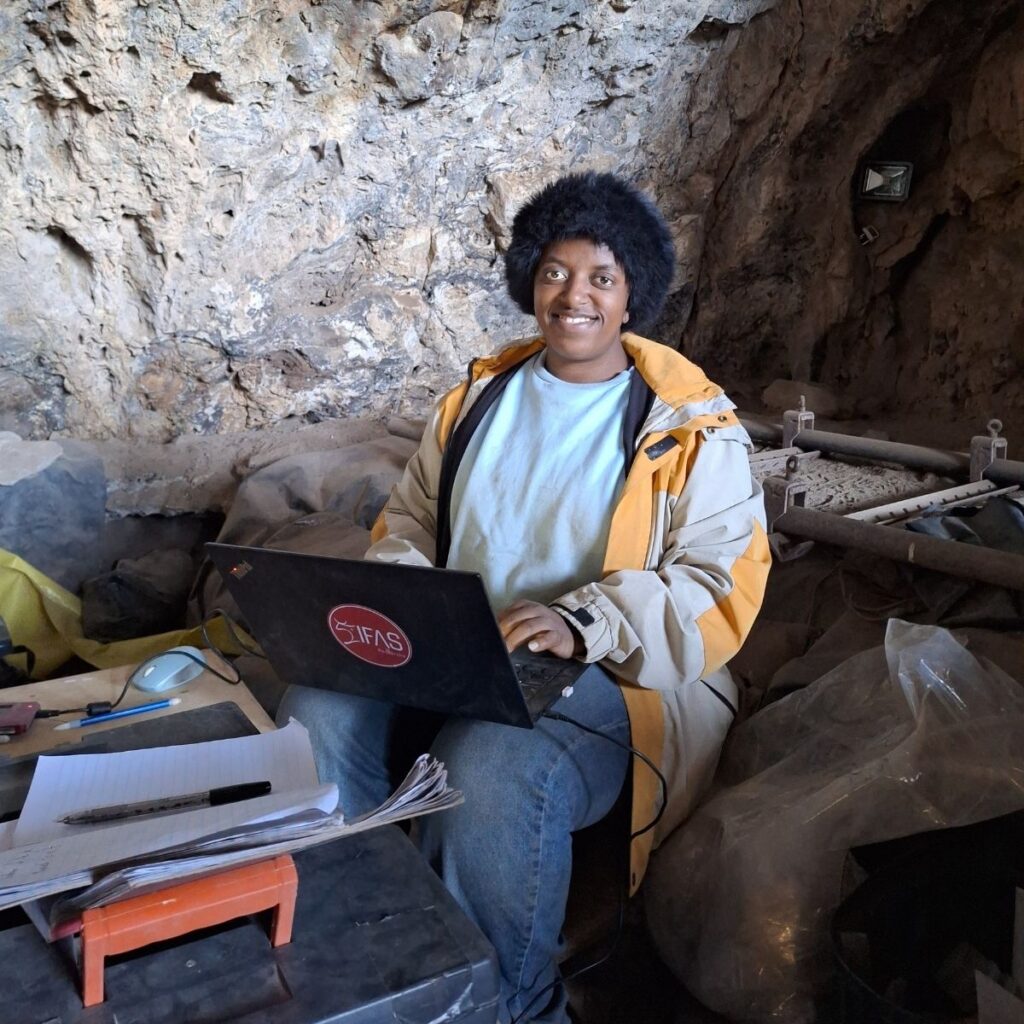
Asithandile Ntsondwa, South Africa
Asithandile Ntsondwa is continuing her doctoral studies in anthropological archaeology at New York University, where she is supervised by Justin Pargeter. Her dissertation investigates the relationship between human occupation intensity and fire regimes at Boomplaas Cave in South Africa’s Cape Floristic Region. During her first year, Ntsondwa conducted a summer field season at Boomplaas, where she directed the collection of modern wood specimens and began building a macrocharcoal reference collection focused on three key taxa in the archaeological sequence. In the coming year, she will complete her second-year paper, continue charcoal quantification from the Swartberg Mountains, and prepare for the qualifying exams and her dissertation proposal.
Upon completing her PhD, Asithandile plans to return to South Africa to develop academic programs in archaeobotany and paleoecology, areas where local expertise is limited.
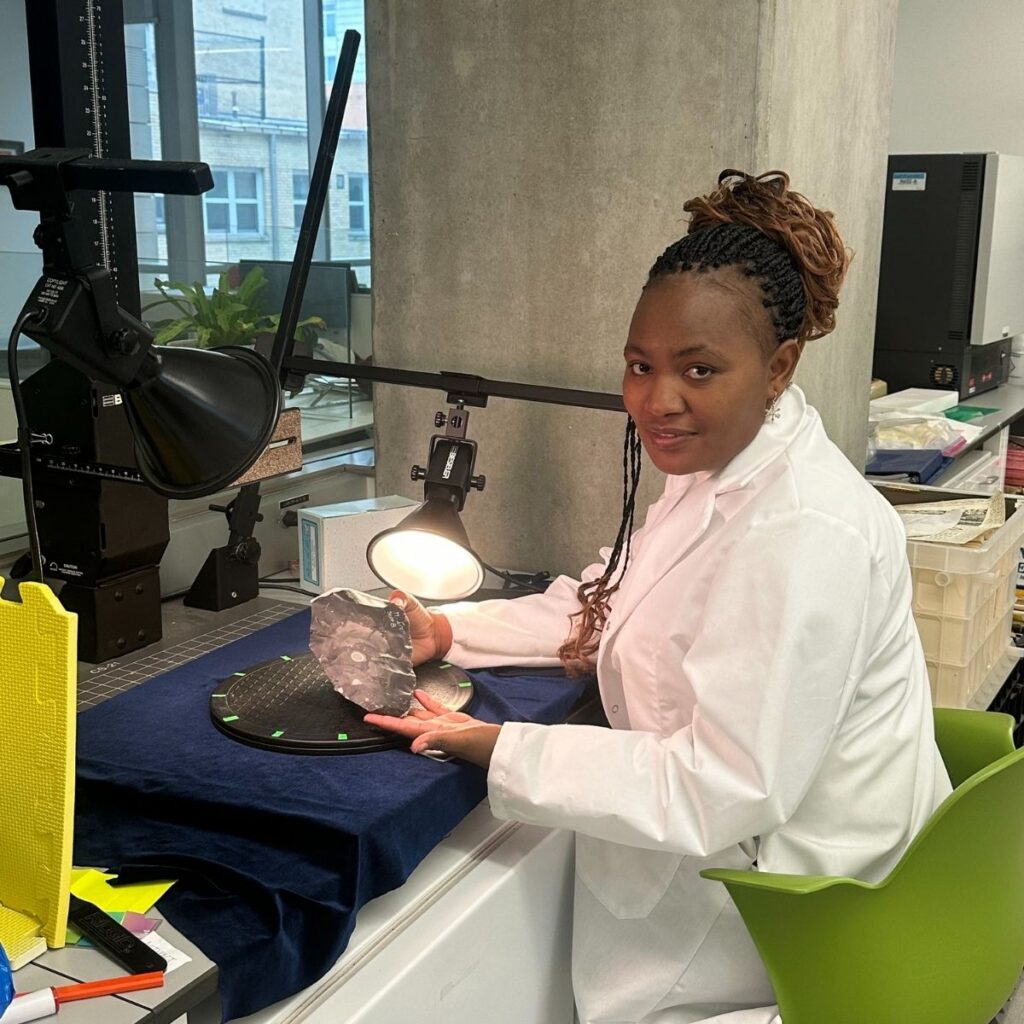
Joyce Waithira Waweru, Kenya
Joyce Waithira Waweru is continuing her doctoral studies in Human Paleobiology at George Washington University. Now in her third year, she is preparing to advance to candidacy. Since receiving her first-year Baldwin Fellowship, she has completed her coursework and conducted preliminary knapping experiments during the 2025 Koobi Fora Field School, with results showing promising morphological differences between artifacts produced under different learning conditions. Her first-year fellowship funds supported a lab rotation at the University of East Anglia, where she received hands-on training in fNIRS brain imaging. She will complete additional fNIRS training with Professor Shelby Putt at the University of Illinois before launching her full six-month experimental program in Kirinyaga County, Kenya, this summer. Second-year support will allow her to collect the neuroimaging and knapping data that form the core of her dissertation on social learning and cognitive evolution in Oldowan tool manufacture.
New Baldwin Fellows
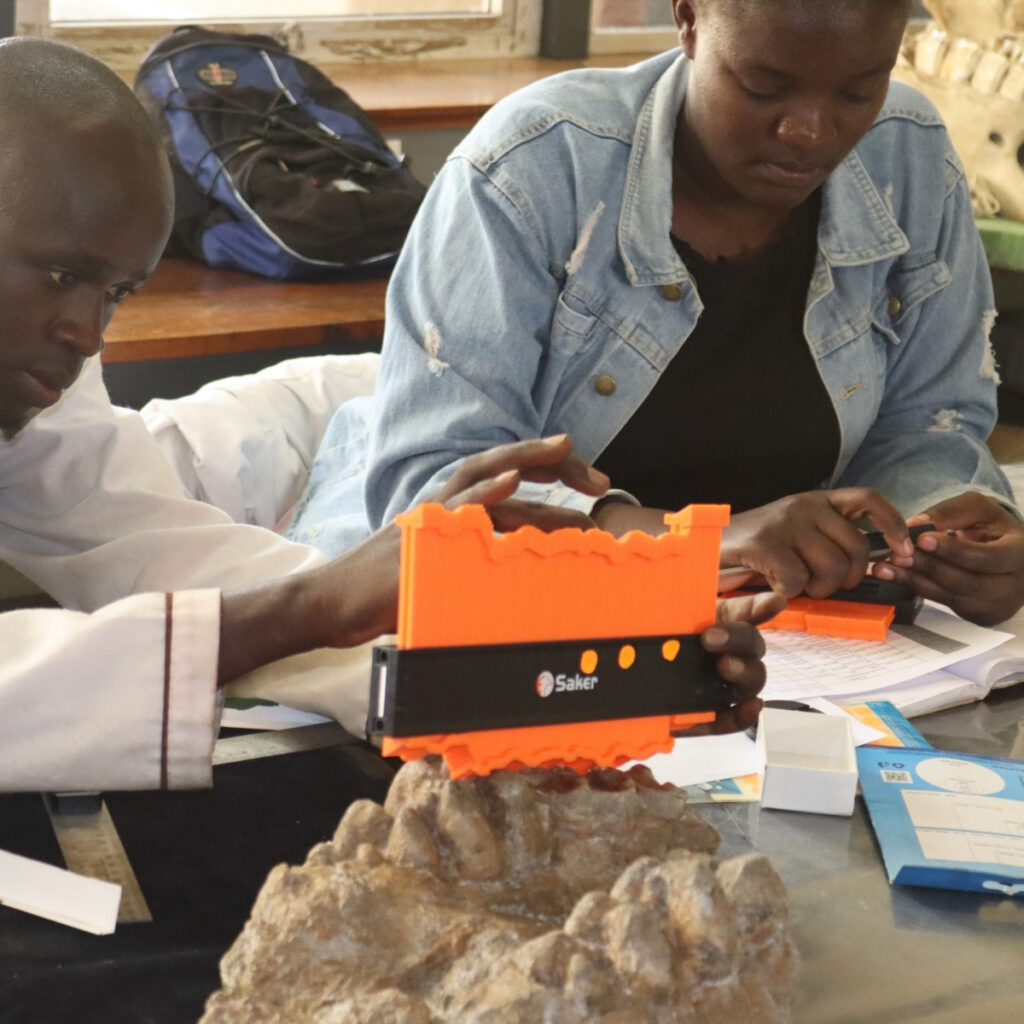
Christine Adhiambo, Kenya
Christine Adhiambo is a Kenyan archaeologist and intern research scientist in the Department of Earth Sciences at the National Museums of Kenya (NMK), where she has spent the past two years building a broad technical foundation. Working across both the Paleontology and Archaeology sections, she has handled fossil curation and digitization, lithic and faunal analysis, and geological mapping, while also contributing to public engagement and exhibition development. Her fieldwork has taken her to the Turkana Basin, where she participated in geo-archaeological surveys within the Koobi Fora Formation, identifying Middle Stone Age deposits dating to the Middle and Late Pleistocene.
With the support of a Baldwin Fellowship, Adhiambo will pursue an MA in History and Archaeology at Kenyatta University, where she will be advised by Lazarus Ngari of the Department of History, Archaeology, and Political Studies. Her thesis research will take a zooarchaeological approach to understanding hominin use of aquatic resources during the late Pleistocene. Drawing on faunal assemblages, paleoenvironmental data, and geoarchaeological methods, she will examine how shifting ecologies drove dietary flexibility and adaptive strategies among early hominin populations in and around the Turkana Basin.
She plans to pursue a PhD and build a career as a researcher and academic in Kenya.
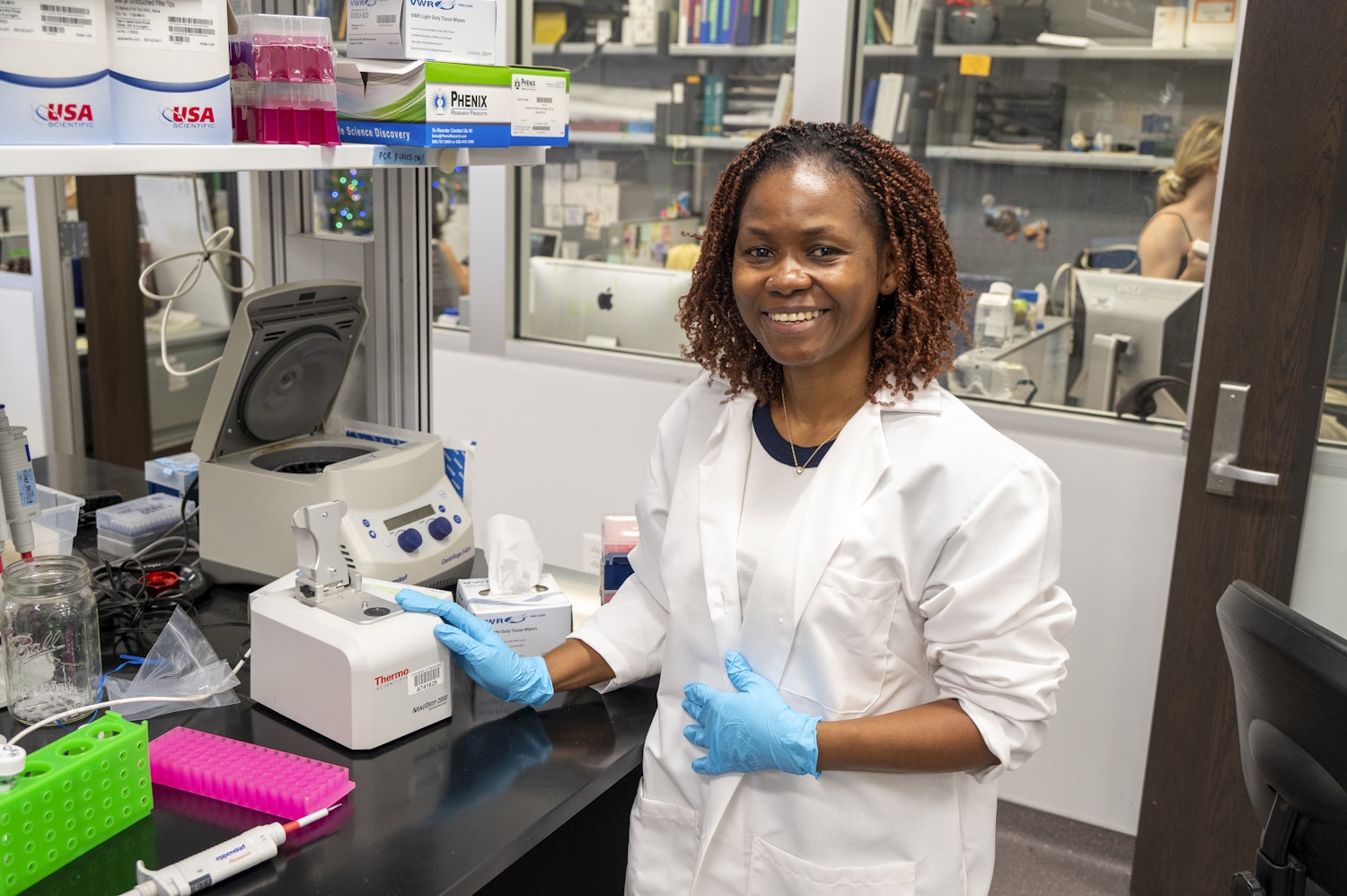
Florence Mariam Aghomo, Cameroon
Florence Mariam Aghomo is a Cameroonian primatologist and doctoral student at Stony Brook University. After earning an engineering diploma in forestry and wildlife from the University of Dschang and a master’s in inland water quality assessment from the Autonomous University of Madrid, she spent years building a conservation career, conducting wildlife surveys and ethnozoological studies in Cameroon, serving as coordinator of the IUCN/SSC Primate Specialist Group’s Red Colobus Conservation Initiative. She also helped found the Cameroon Primatological Society, of which she is now president. Recognizing that no Cameroonian institution offered doctoral training in biological anthropology, she enrolled in 2023 in the Interdepartmental Doctoral Program in Anthropological Sciences (IDPAS) at Stony Brook University, where she has since completed her coursework and qualifying exam. Her curiosity in the field has already yielded an unexpected result. During 2024 fieldwork in Ranomafana National Park, she discovered a cave containing hippo subfossils, a find that has now been funded twice by The Leakey Foundation to support further investigation.
For her dissertation, Aghomo will use landscape genetics to investigate how rivers, forest fragmentation, logging, and other landscape features shape the population structure, genetic diversity, and gene flow of Milne-Edwards’s sifaka (Propithecus edwardsi), an endangered arboreal lemur endemic to the mountainous rainforests of southeastern Madagascar. Her sponsor is Patricia Wright, founder of the Institute for the Conservation of Tropical Environments at Stony Brook and one of the leading figures in primate research in Madagascar.
Upon completing her PhD, Aghomo plans to return to Cameroon to teach and conduct research.
Inguruwattage Kishan Chaleendra Amarasinghe, Sri Lanka
Kishan Chaleendra Amarasinghe is a Sri Lankan archaeologist and temporary lecturer in the Department of Archaeology at the University of Kelaniya, where he has taught prehistory and geoarchaeology while organizing fieldwork for student volunteers. He became interested in archaeological science during his undergraduate research on the history of mineral use in Sri Lanka. He later entered an Erasmus Mundus master’s program jointly hosted by the University of Évora and Sapienza University of Rome, where he focused on site formation processes at a Middle Paleolithic site in Israel. He has since worked as an archaeology officer with Sri Lanka’s Central Cultural Fund, participating in excavations at the Polonnaruwa citadel and the Jaffna Fort. There, he gained field experience in soil micromorphology, OSL sampling, and geophysical survey in collaboration with the Universities of Stirling and Durham.
With the support of a Baldwin Fellowship, Amarasinghe will pursue a PhD in archaeology at the University College London Institute of Archaeology, supervised by Manuel Arroyo-Kalin. His dissertation will apply a geoarchaeological multiproxy approach to establish the chronostratigraphic sequence of the Iranamadu Formation in coastal Sri Lanka, a Pleistocene-age deposit where Middle Paleolithic artifacts have been reported.
Upon completing his PhD, Amarasinghe plans to return to Sri Lanka to secure a faculty position in archaeology and establish a quaternary research laboratory to serve as a national hub for training prehistoric archaeologists and Pleistocene scientists.
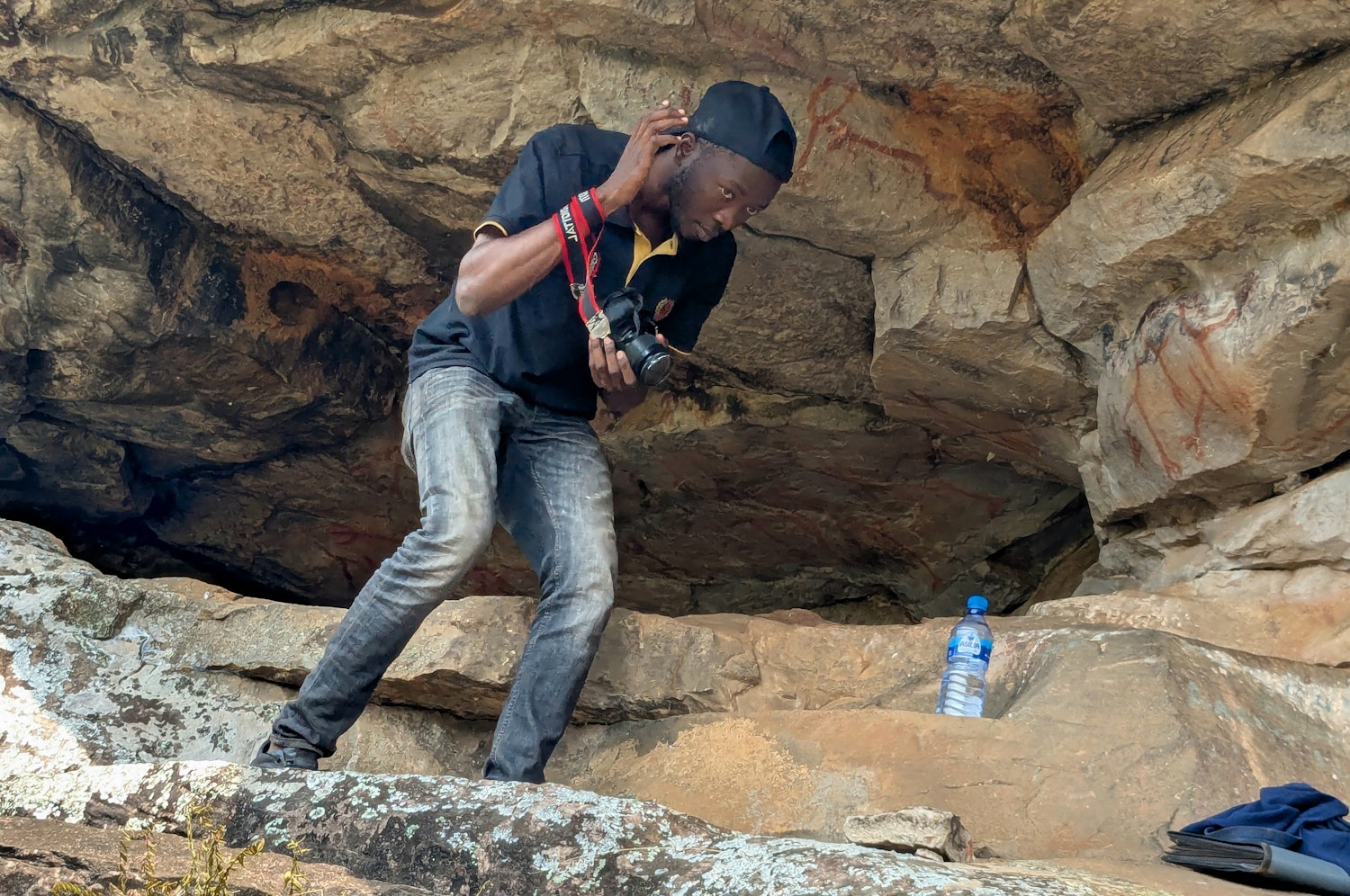
Chogoro Magige Chogoro, Tanzania
Chogoro Magige Chogoro is a Tanzanian archaeologist and master’s student in the Department of Archaeology and Heritage Studies at the University of Dar es Salaam. His interest in human origins began during his undergraduate studies at the University of Dodoma, where he participated in fieldwork at the Makuyuni paleoanthropological site. His interest deepened through subsequent field experience on a project led by Professor Mirjana Roksandic that examined large-scale hominin and faunal movements during the Middle Pleistocene. Since enrolling at Dar es Salaam in 2024, he has continued building his field and laboratory skills through multiple projects in the Lake Eyasi Basin and the Kagera River Basin, working under the supervision of Prof. Pastory Bushozi.
With the support of a Baldwin Fellowship, Chogoro will complete his Master’s degree in Archaeology. His thesis focuses on the Later Stone Age (LSA) chronology at Njarasa Rockshelter in the Lake Eyasi Basin, a site with well-stratified deposits that can help resolve dating inconsistencies produced by disturbed contexts at nearby sites including Mumba Rockshelter. He aims to establish a reliable sequence for the LSA and subsequent cultures in the region and track trends in technological change over time.
Upon completing his degree, Chogoro plans to pursue a PhD and eventually secure a faculty position in archaeology, with the goal of expanding outreach to Tanzanian youth to build the next generation of African archaeologists.
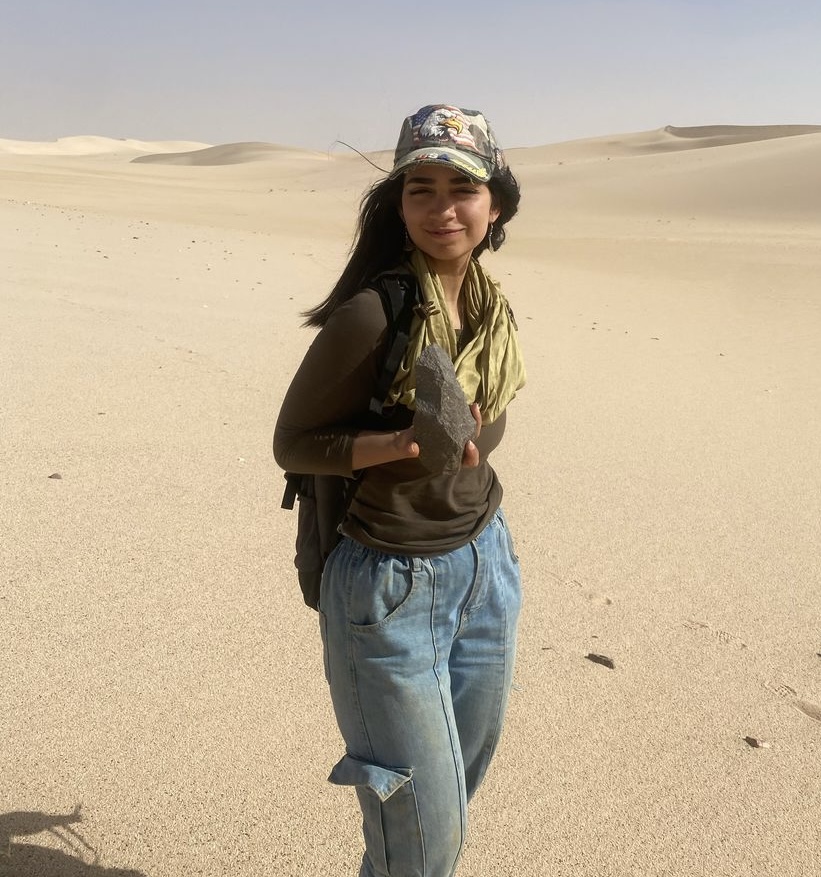
Assala Hadjadj, Algeria
Assala Hadjadj is an Algerian archaeologist, vertebrate paleontologist, and graduate student at Università degli Studi di Ferrara in Italy. Her undergraduate thesis, conducted at the CNRPAH Zooarchaeology Laboratory under the supervision of Razika Chelli-Cheheb, focused on the zooarchaeology and taphonomy of the Early Pleistocene faunal assemblage from El Kherba in the Aïn Hanech complex, one of the oldest Oldowan sites in North Africa. She has since gained substantial fieldwork experience at key Algerian sites, including Tighennif, Erg Tihodaïne, and Bir El Ater, spanning the Acheulean through the Middle Stone Age.
With the support of a Baldwin Fellowship, Hadjadj will continue her master’s studies at the University of Ferrara under Marta Arzarello, while undertaking specialized training in Quaternary mammal systematics at the Spanish National Research Council (CSIC) in Madrid under Jan van der Made. She will also gain experience in collection-based research at the Muséum National d’Histoire Naturelle in Paris. Her work will focus on the morphometric reassessment of North African Plio-Pleistocene proboscideans and large herbivores with the aim of clarifying their taxonomy, evolutionary relationships, and biogeographic connections to sub-Saharan Africa.
Upon completing her degree, she plans to pursue a PhD and take up a junior researcher position at CNRPAH, where she hopes to build training programs in vertebrate paleontology for the next generation of Algerian scientists.
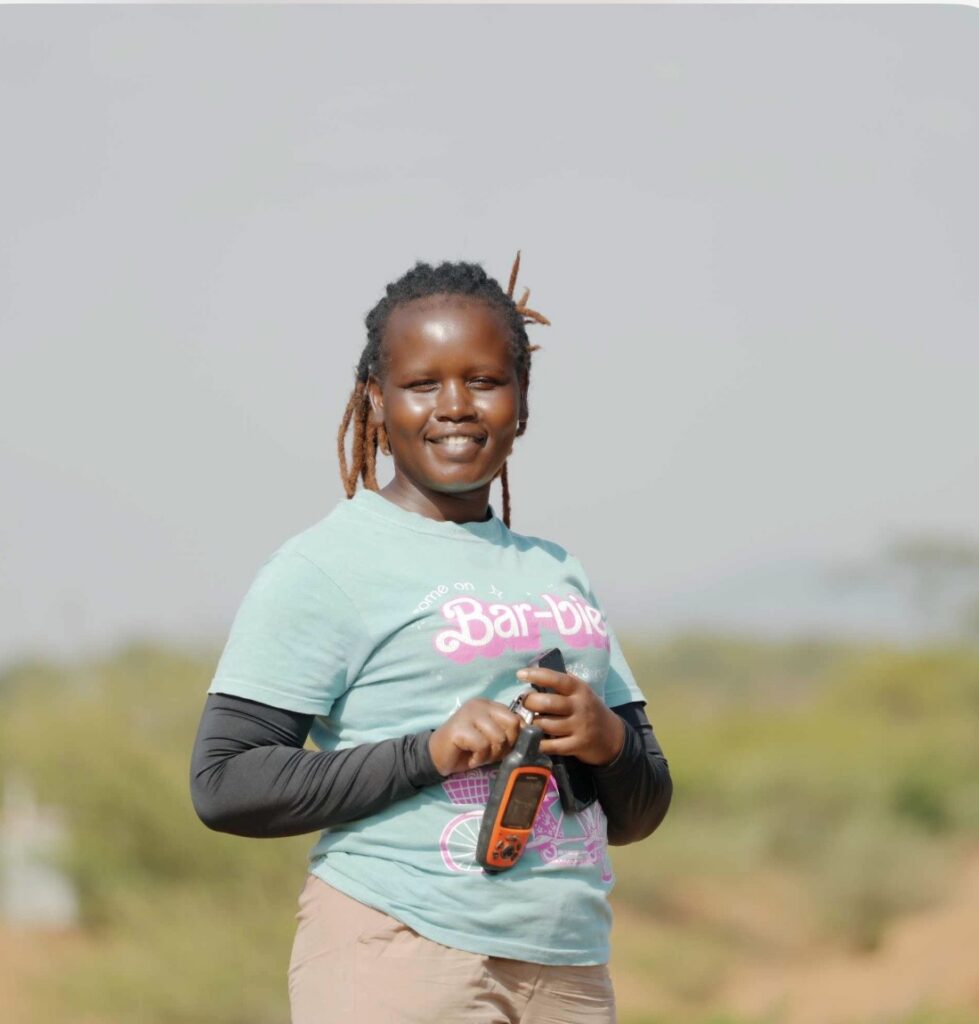
Ruth Kaptai, Kenya
Ruth Kaptai is a Kenyan archaeologist and an intern-research scientist in the Earth Sciences Department at the National Museums of Kenya, where she has spent several years gaining field and laboratory experience in paleoecological and archaeobotanical research. Her fieldwork has taken her to some of Kenya’s most productive prehistoric sites, including Panga Ya Saidi on the coast, Koobi Fora, and the late Miocene Lemudong’o Formation in southern Kenya, as well as the Boomplaas Field School in South Africa.
With the support of a Baldwin Fellowship, Kaptai will pursue a Master of Arts in Archaeology at Kenyatta University, supervised by David Maina Muthegethi. Her thesis will use phytolith analysis to reconstruct paleoenvironmental and vegetation dynamics at Panga Ya Saidi during the Middle Stone Age.
Upon completing her degree, she plans to pursue a PhD focused on the dietary reconstruction of early hominins using stable isotopes and to continue her work at the National Museums of Kenya, where she is well-positioned for a long-term research role.
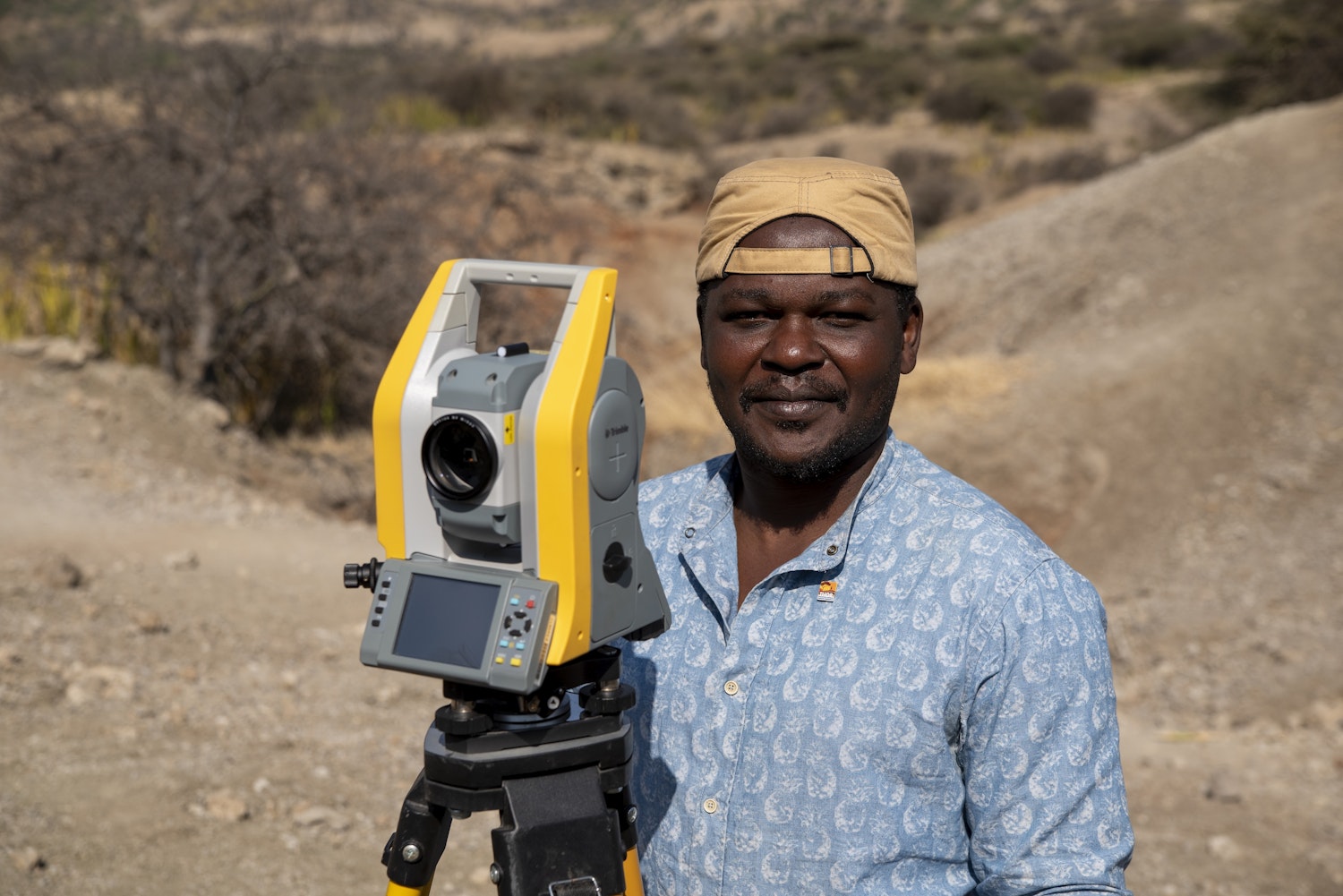
Jackson Kimambo, Tanzania
Jackson Kimambo is a Tanzanian paleontologist and second-year PhD student at the University of Perugia. He is also the founder of the Eastern Africa Research Centre for Palaeosciences (EARCEP). His path to doctoral research spans nearly fifteen years of fieldwork and training across African paleoanthropological sites. After completing his BA in Archaeology at the University of Dar es Salaam, he earned BS and MS degrees in Paleontology at the Evolutionary Studies Institute at the University of the Witwatersrand, where his thesis examined butchering patterns and hominin feeding behaviors at HWK-EE in Oldupai Gorge. Since 2016, he has been a research collaborator with the Tanzania Human Origins Research (THOR) project, contributing to investigations at Oldupai and Laetoli focused on mammal systematics, taphonomy, and paleoenvironmental reconstruction, and he has published peer-reviewed work on hominin dental remains, porcupine systematics, and crocodilian anatomy.
With the support of a Baldwin Fellowship, Kimambo will continue his PhD in Earth System and Global Changes at the University of Perugia, supervised by Marco Cherin. His dissertation focuses on the paleontological record of the upper Oldupai Beds, the Middle and Late Pleistocene portion of the sequence that has received far less attention than the iconic lower Beds, combining systematic faunal analysis, taphonomy, geochemical dating, micromorphology, and 3D modeling. A centerpiece of the project is his ongoing study of a fossil hyena den at Locality 99N, which offers a rare window into carnivore behavior and site formation processes during this understudied interval. Upon completing his PhD, Kimambo plans to return to Tanzania to pursue an academic or research position, with strong prospects at the University of Dodoma’s newly established Department of Archaeology.
Simon Mumo, Kenya
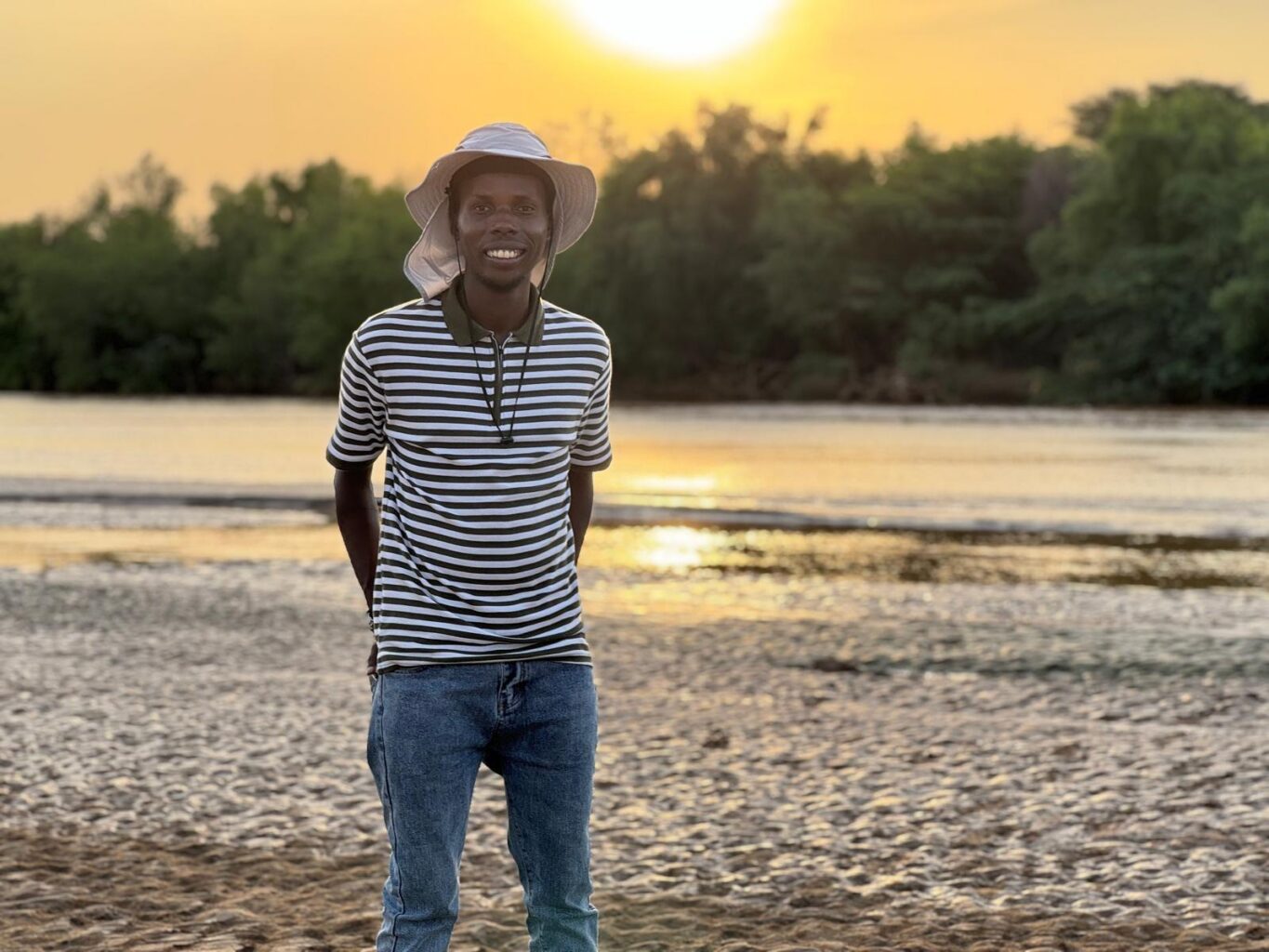
Simon Mumo holds a BS in Geoinformatics from Taita Taveta University, where he focused on flood risk modeling and land-use change detection. After graduating, he worked at the Kenya Forest Service mapping forest cover via satellite and drone imagery, then joined the National Museums of Kenya and later the International Centre of Insect Physiology and Ecology (ICIPE), where he applied geospatial methods to vector-borne disease modeling and ecological risk assessment. A turning point came in 2025, when he was selected for Harvard’s competitive field program in Kenya, studying climate, ecology, and human evolution in the Turkana Basin under Daniel Green.
With support from the Baldwin Fellowship, he will pursue an MS in Geosciences at the University of Potsdam. The program’s strengths in quantitative Earth science, remote sensing, and climate modeling align closely with his background, and Potsdam’s partnerships with the GFZ German Research Centre and the Potsdam Institute for Climate Impact Research offer an exceptional interdisciplinary environment. His research, jointly supervised by Martin Trauth (Potsdam) and Daniel Green (Harvard), will evaluate time-series analytical methods applied to stable isotope datasets from fossil and modern teeth, with relevance to paleoenvironmental reconstruction in regions such as the Turkana Basin.
He plans to return to Kenya after completing his degree to contribute to national capacity in climate and environmental science, working with agencies such as the Kenya Meteorological Department and the National Environment Management Authority.
Rose Nyaboke, Kenya
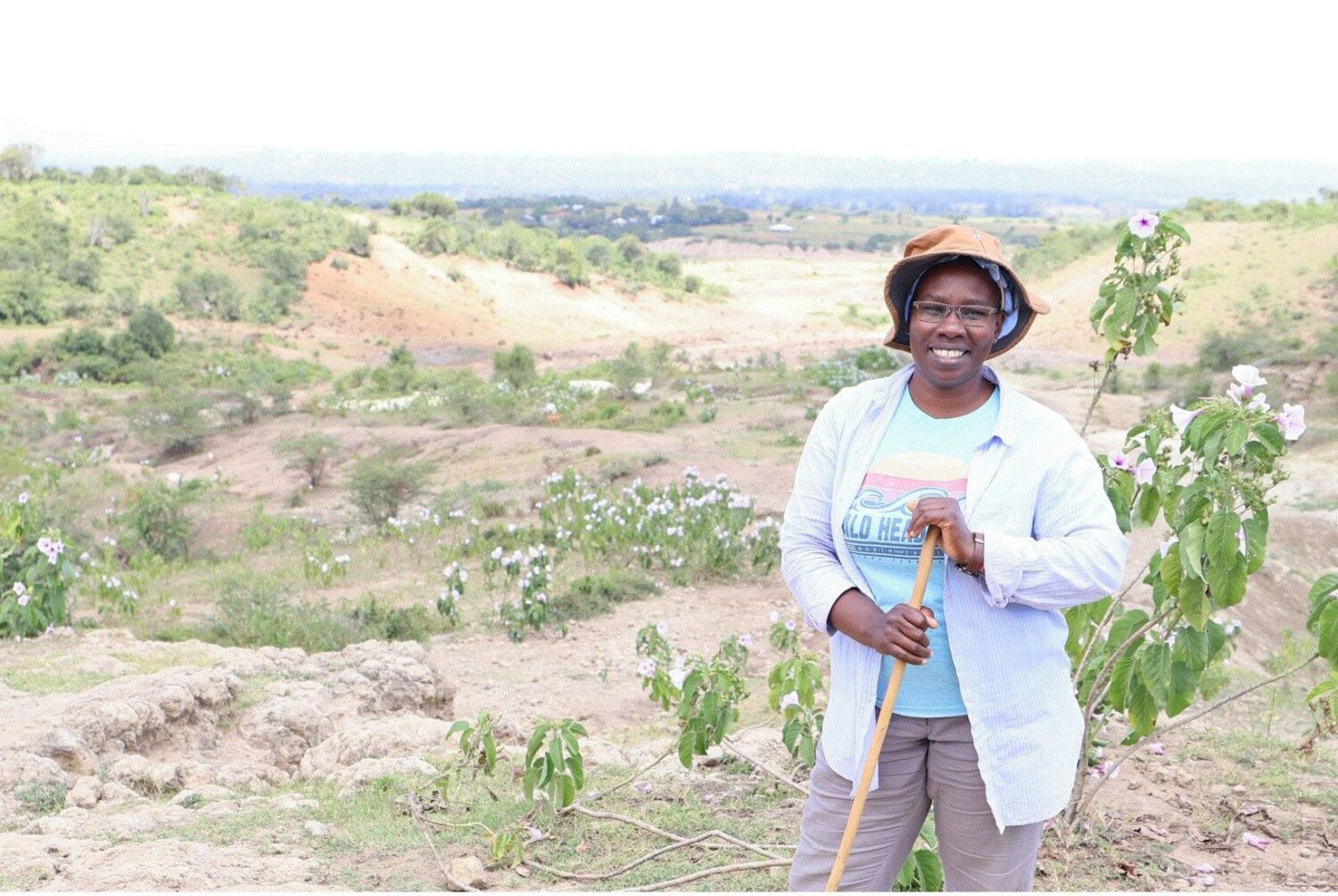
Rose Nyaboke has spent seventeen years as a collections manager in the Palaeontology and Paleoanthropology Laboratories at the National Museums of Kenya (NMK), where she has supported Kenyan and international researchers working on some of the country’s most significant fossil collections. This hands-on experience with vertebrate faunal assemblages, taphonomy, and curatorial practice is the foundation of her graduate research, which she began in 2025 in the MS program in Environmental Studies (Climate Change and Sustainability) at Kenyatta University. Her path to graduate study has not been straightforward as an accepted offer to a Masters in Earth Science program at the University of Oregon was derailed by a visa denial.
With support from the Baldwin Fellowship, she will pursue her thesis research on the Late Pleistocene faunal assemblage from Amboseli National Park, supervised by Kay Behrensmeyer of the Smithsonian Institution and Professor John Muriuki of Kenyatta University. The project combines taphonomic analysis of the existing NMK fossil collection with stable carbon and oxygen isotope analysis of dental samples, which will be conducted during a research visit to the Stable Light Isotope Laboratory of Julie Luyt at the University of Cape Town. The Amboseli deposits, dating to between 37,000 and 195,000 years BP, include a hominin parietal fragment alongside abundant mammalian fauna, making them a compelling but underexplored window into Late Pleistocene hominin ecology in East Africa.
She plans to remain at NMK and pursue a PhD after completing her master’s degree, with the goal of building her independent research profile and contributing to paleontological capacity in Kenya.
Patrick Okello, Uganda
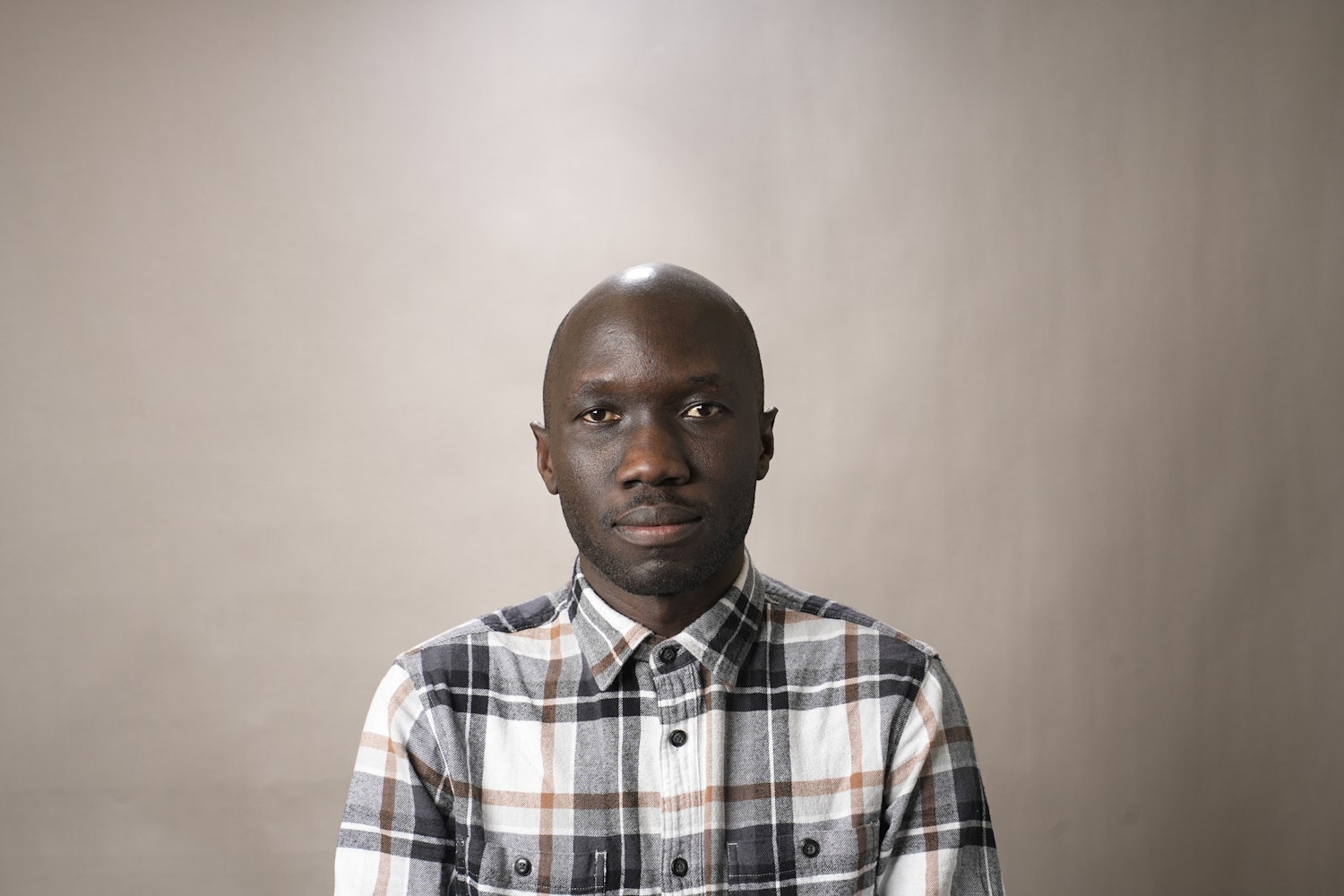
Patrick Okello trained as a wildlife veterinarian, earning a BS from Makerere University in Uganda and an MS in International Animal Health from the University of Edinburgh. Before entering academia, he spent six years working in the field with the Uganda Wildlife Authority and a range of conservation organizations, including the Kibale Chimpanzee Project, Gorilla Doctors Uganda, and the Jane Goodall Institute. His time with the Kibale Chimpanzee Project inspired his focus on the ecology and comparative evolution of respiratory disease pathogens in humans and nonhuman primates. Watching wild chimpanzees repeatedly succumb to respiratory illness, he began asking questions about the origins and transmission dynamics of the pathogens responsible and decided to pursue a PhD in biological anthropology to investigate these questions systematically.
Okello is now in his second year of the PhD program in biological anthropology at the University of Illinois, Urbana-Champaign, supervised by Prof. Rebecca Stumpf, whose expertise in host microbial diversity and emerging diseases aligns directly with his interests. His dissertation will examine the ecology, diversity, and evolutionary relationships of respiratory disease pathogens among wild chimpanzees and sympatric nonhuman primates in Kibale National Park. The Baldwin Fellowship will support a critical year of his training as he moves from coursework into dissertation research.
After earning his PhD, he plans to return to Uganda and join the faculty at Makerere University, where he hopes to establish a research group focused on emerging respiratory pathogens in nonhuman primates.