

Read about the latest human origins discoveries, Leakey Foundation-supported research, and news from the field.
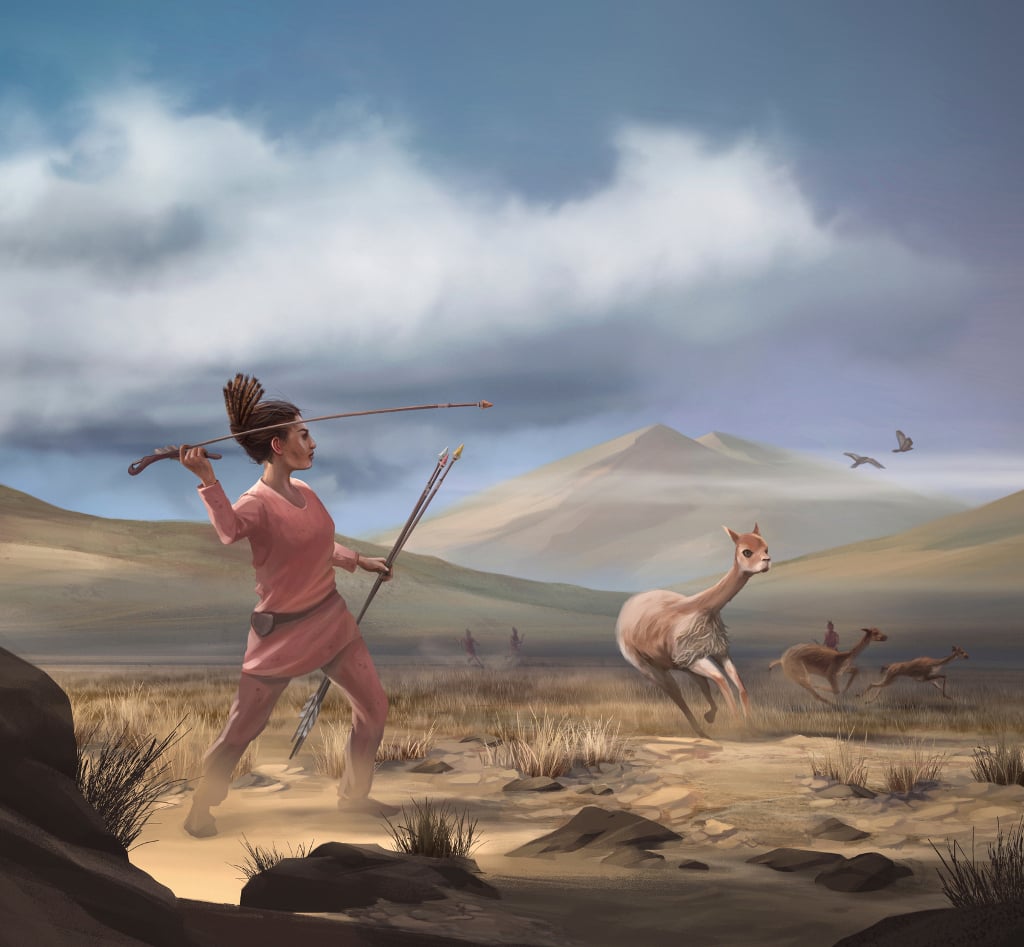
Did prehistoric women hunt? New research suggests so
Journal Article
For a long time, it was assumed that hunting in prehistoric societies was primarily carried out by men. Now a new study adds to a body of evidence challenging this idea.
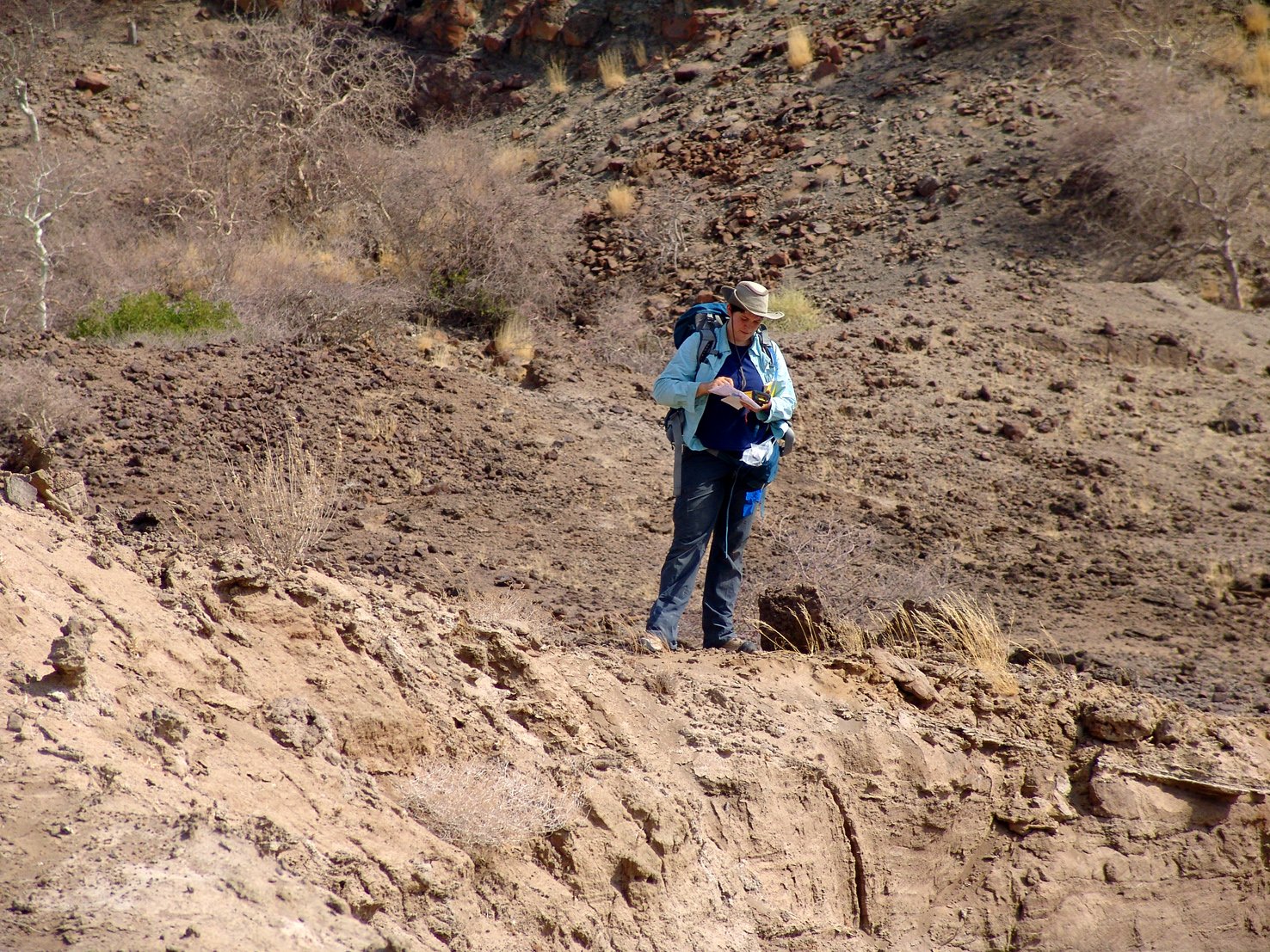
Grantee Spotlight: Irene Smail
Grantee Spotlight
Leakey Foundation grantee Irene Smail is using information from fossil primates to model how closely-related primate species may have interacted with each other in the past. Her research will shed light on why our species survived while others went extinct.
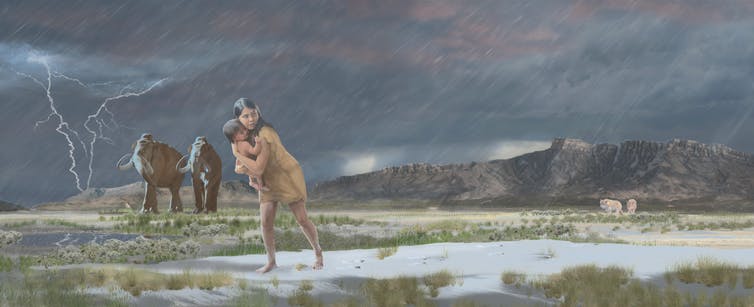
The story behind the longest known prehistoric journey
Journal Article
Archaeologists in New Mexico have uncovered the longest known trackway of ancient human fossil footprints, offering evidence of interactions between an adult, a child, and a giant sloth.
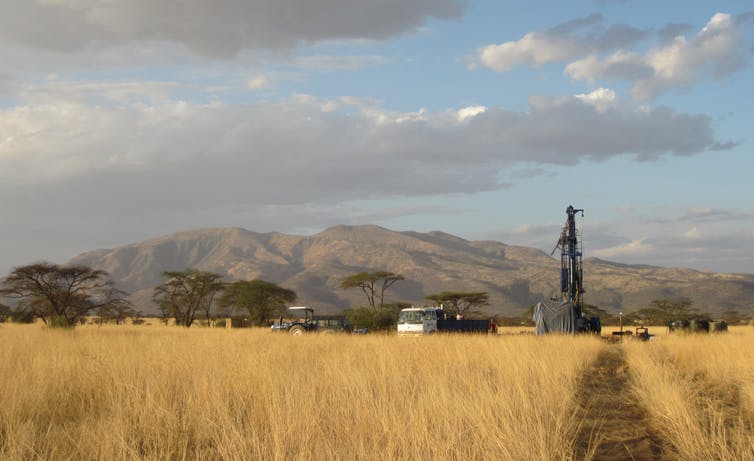
Turbulent environment set the stage for leaps in human evolution and technology 320,000 years ago
Behind the Science | In the News | Journal Article
People thrive all across the globe, at every temperature, altitude and landscape. How did human beings become so successful at adapting to whatever environment we wind up in? Human origins researchers like me are interested in how this quintessential human trait, adaptability, evolved.
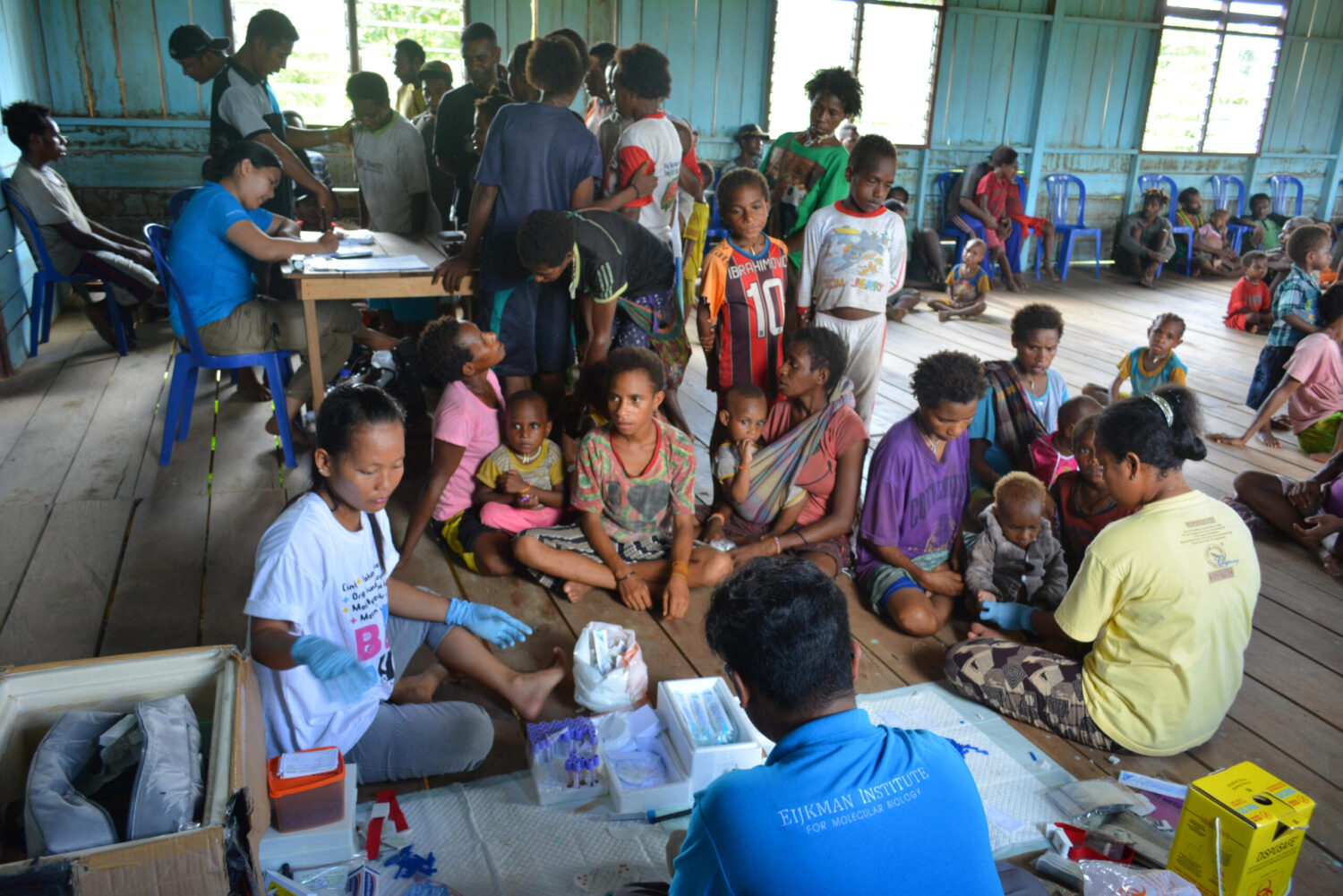
Irene Gallego Romero discusses Denisovan DNA in a virtual lecture
Speaker Series
Join Leakey Foundation grantee Dr. Gallego Romero for a virtual lecture on her ongoing research in partnership with local researchers in Indonesia and Papua New Guinea. She will characterize the legacy of DNA from archaic Denisovans that is present-day Papuan DNA. She will also explore the positioning of Indonesia in the global human genetics landscape.
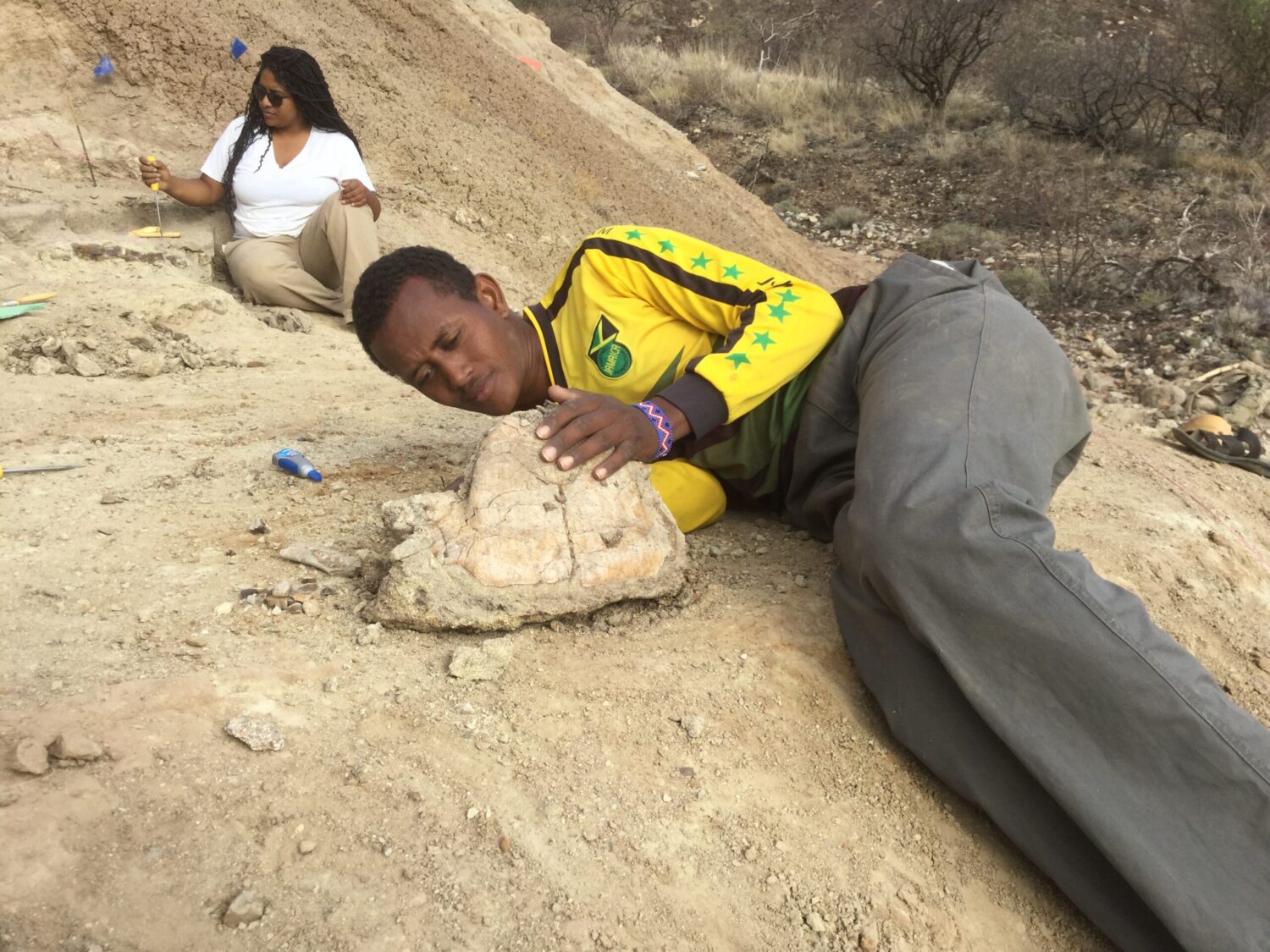
New study to uncover how climate change and tectonics drove evolution in East Africa
In the News
A 17 million-year-old whale fossil discovered in the 1970s is the impetus for new research led by Leakey Foundation grantee Isaiah Nengo. This research project takes a unique approach to uncovering the course of mammalian evolution in East Africa.
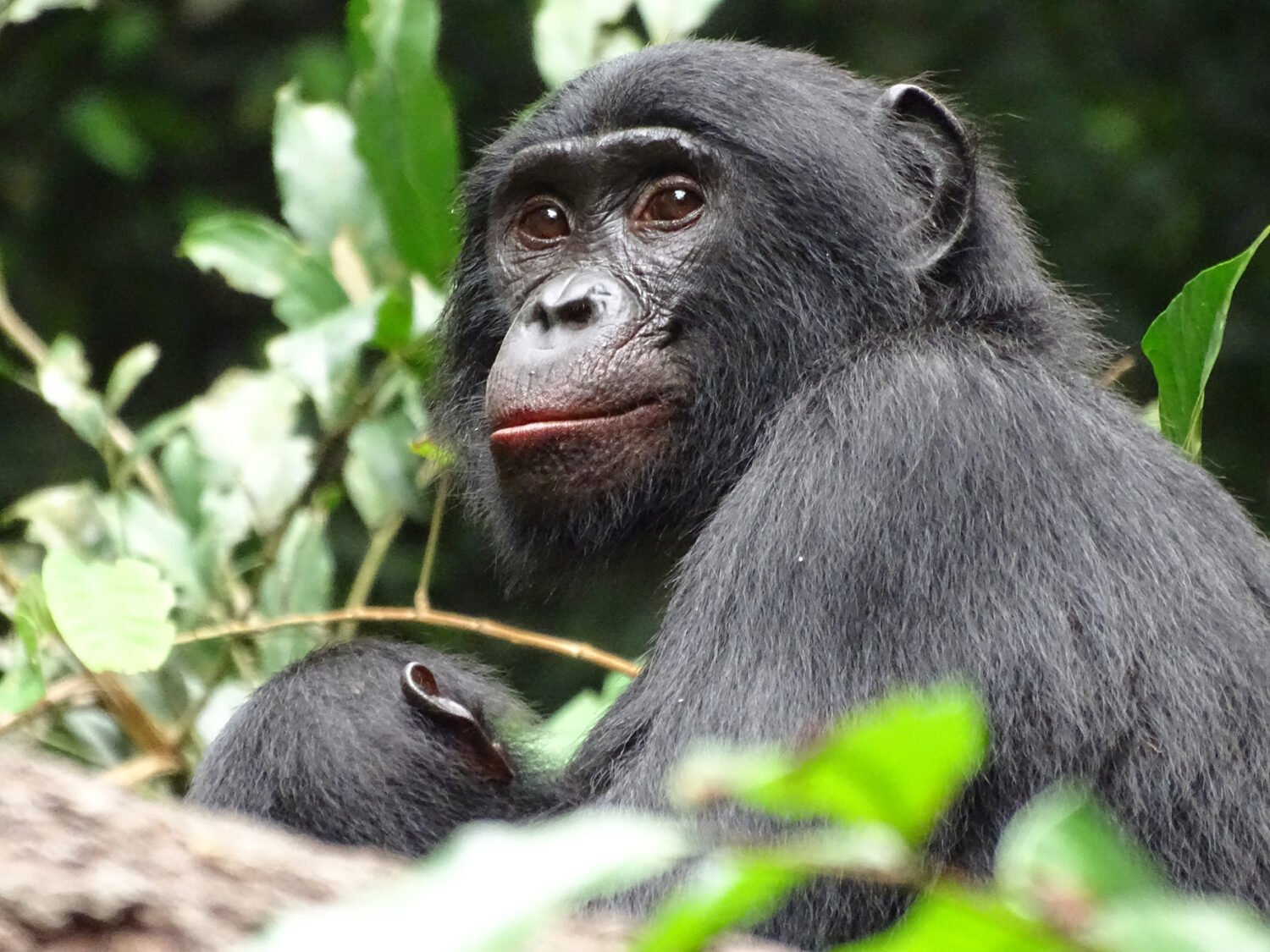
Primate Research Fund provides a lifeline for long-term primate studies
Grants | In the News | Press Release | The Leakey Foundation
The Leakey Foundation, through its Primate Research Fund, has awarded five emergency grants to help long-term primate research projects keep going despite challenging circumstances.
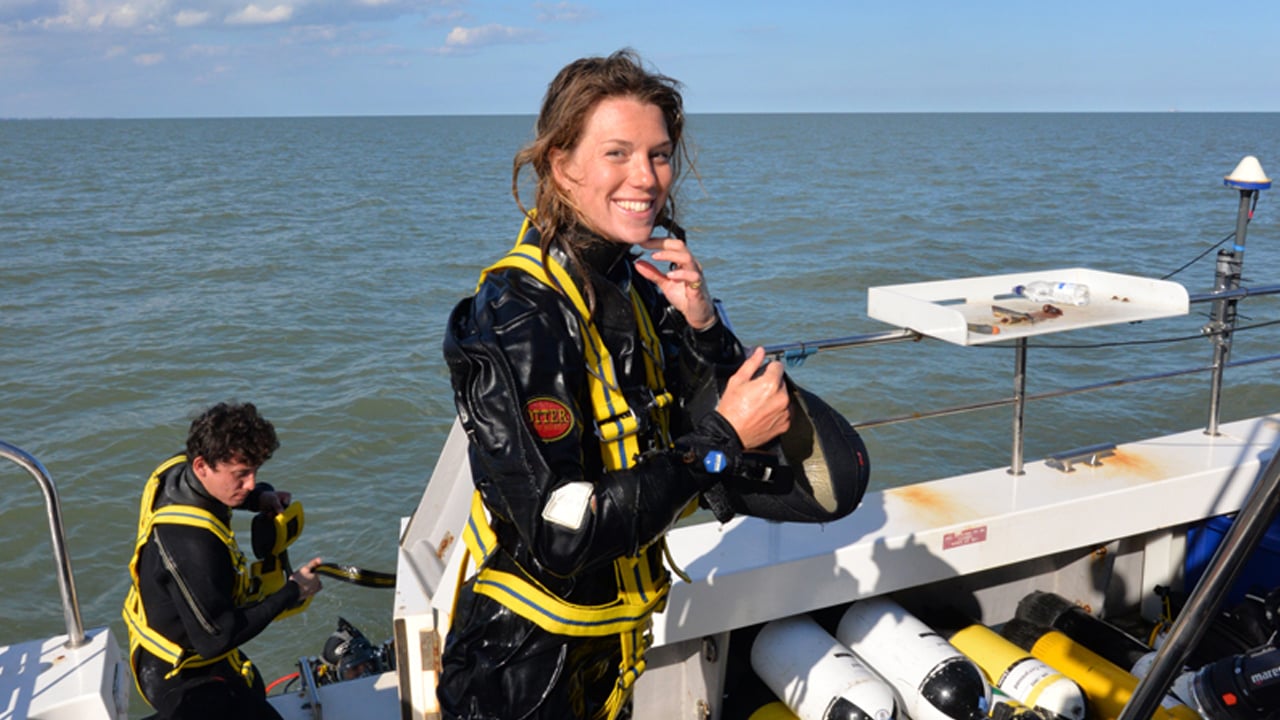
Lunch Break Science #11: Rachel Bynoe discusses underwater archaeology
Lunch Break Science
Have you ever wondered what it’s like to excavate an archaeological site underwater? Grab your lunch and join archaeologist Rachel Bynoe for an exploration of her work uncovering ancient artifacts from a submerged Pleistocene site off Happisburgh, England.
Grantee Spotlight: Jeff Spear
Grantee Spotlight
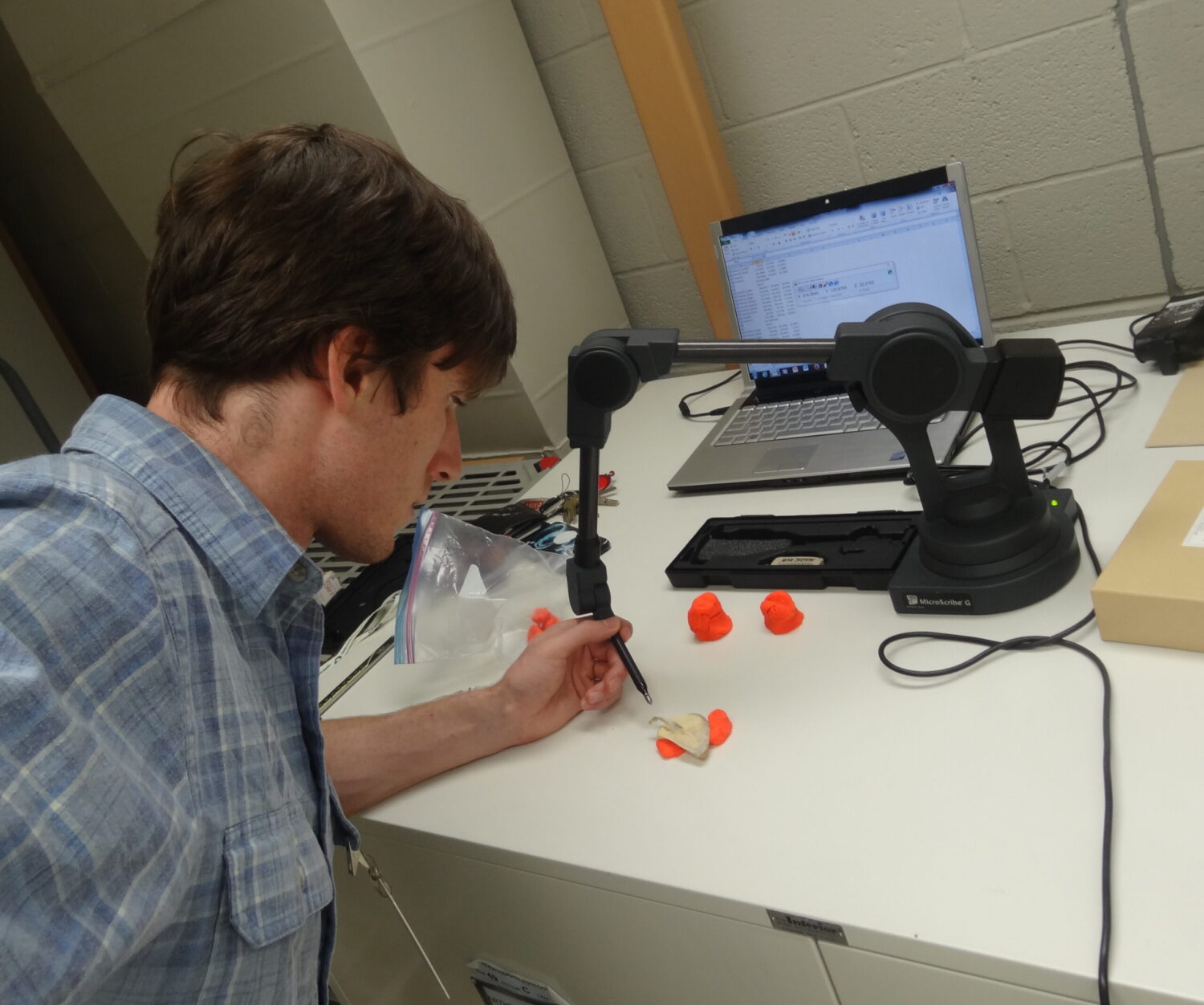
Jeff Spear’s research involves traveling back and forth between Airbnbs and museum basements to collect the large samples needed for a study of this kind. Although perhaps not as glamorous as field sites, museums can offer a treasure trove of data and are an essential resource for studying evolution.
Grantee Spotlight: Shasta Webb
Grantee Spotlight
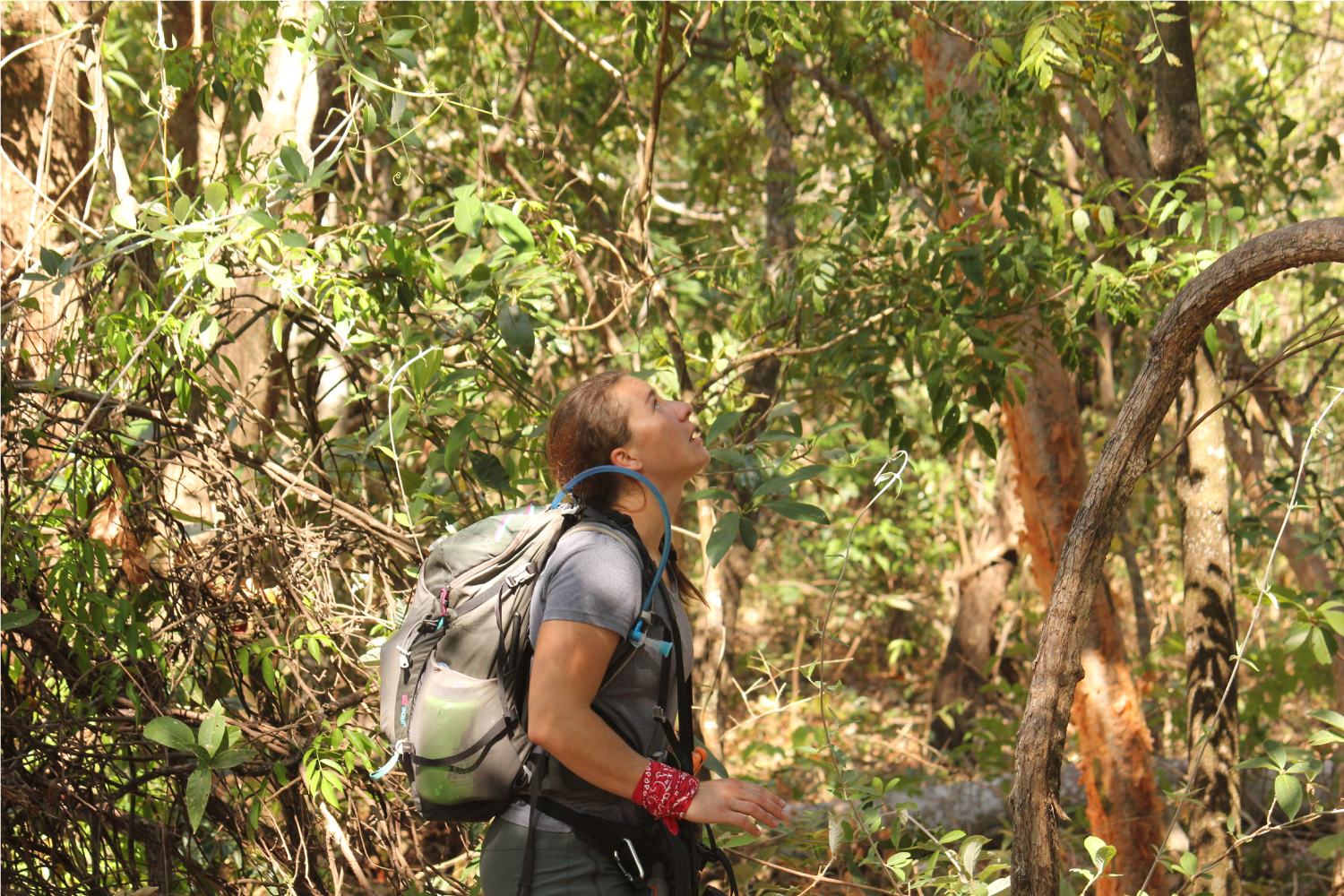
Shasta Webb is a 2020 Leakey Foundation grantee whose research focuses on primate flexibility in dynamic environments. Her field work is on hold due to COVID-19 so she is focused on analyzing her large microbiome dataset.