

Read about the latest human origins discoveries, Leakey Foundation-supported research, and news from the field.

A study of skull growth and tooth emergence reveals that timing is everything
Journal Article
Paleoanthropologists have wondered for a long time how and why humans evolved molars that emerge at these specific ages and why those ages are so delayed compared to living apes. New research solves this mystery.
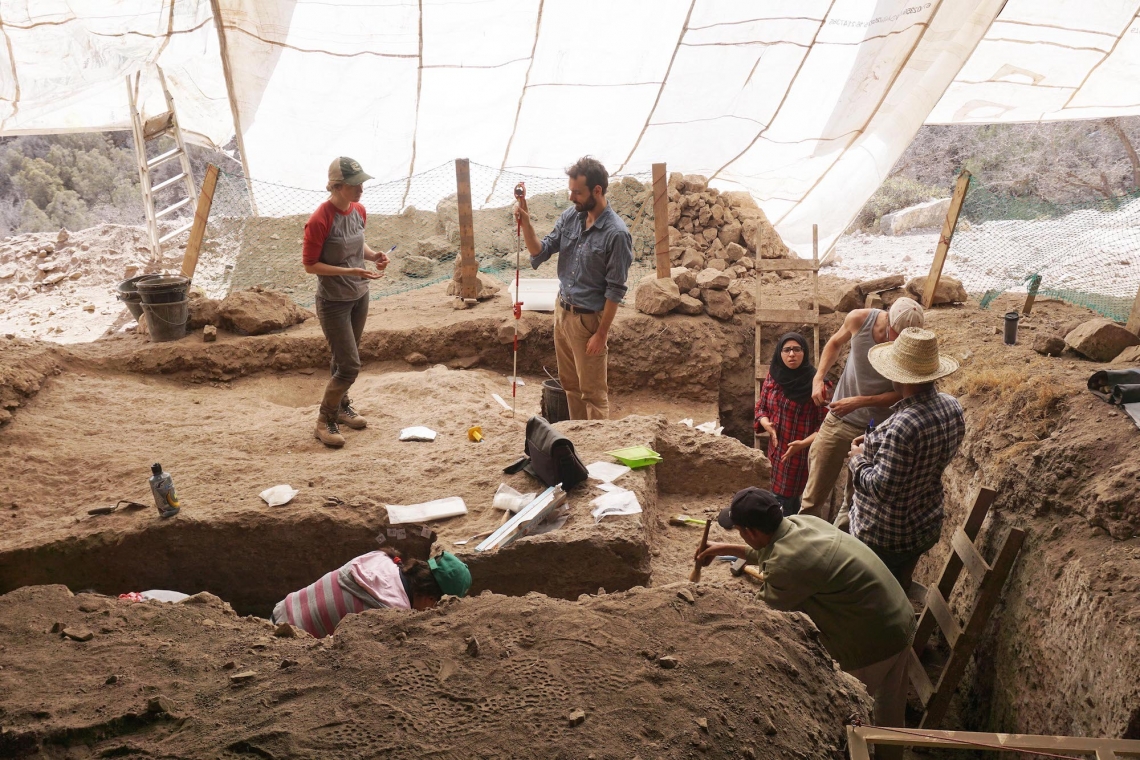
Archaeologists find the oldest-known shell beads
Archaeology
Shell beads found in a cave in Morocco are at least 142,000 years old. The archaeologists who found them say they’re the earliest-known evidence of a widespread form of human communication.
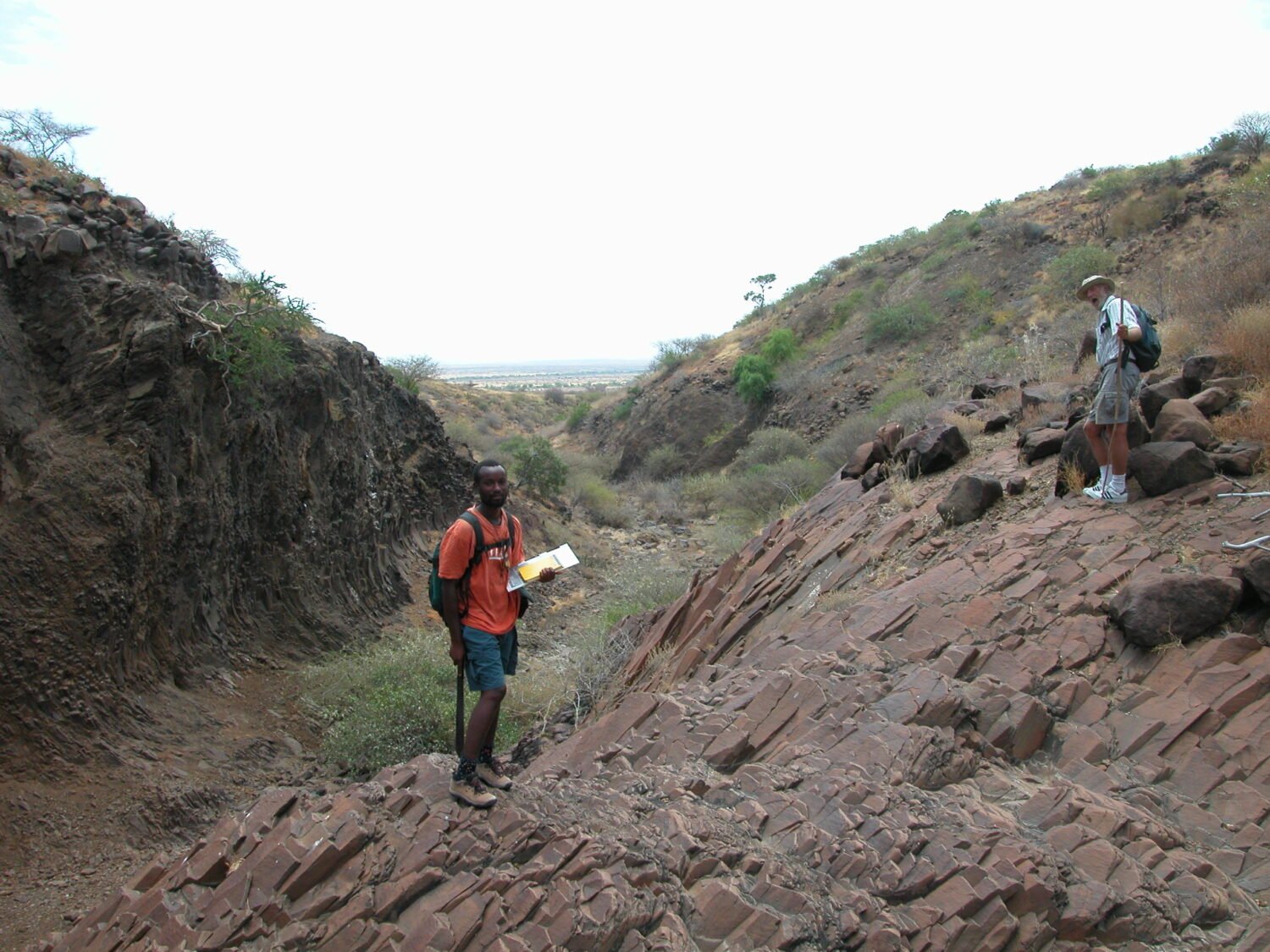
Grantee Spotlight: Patrick Gathogo
Grantee Spotlight
Dr. Patrick Gathogo is a geologist and research associate at Stony Brook University who is developing a new approach to geochronology that will extend the capability of the standard methods for dating hominid sites.
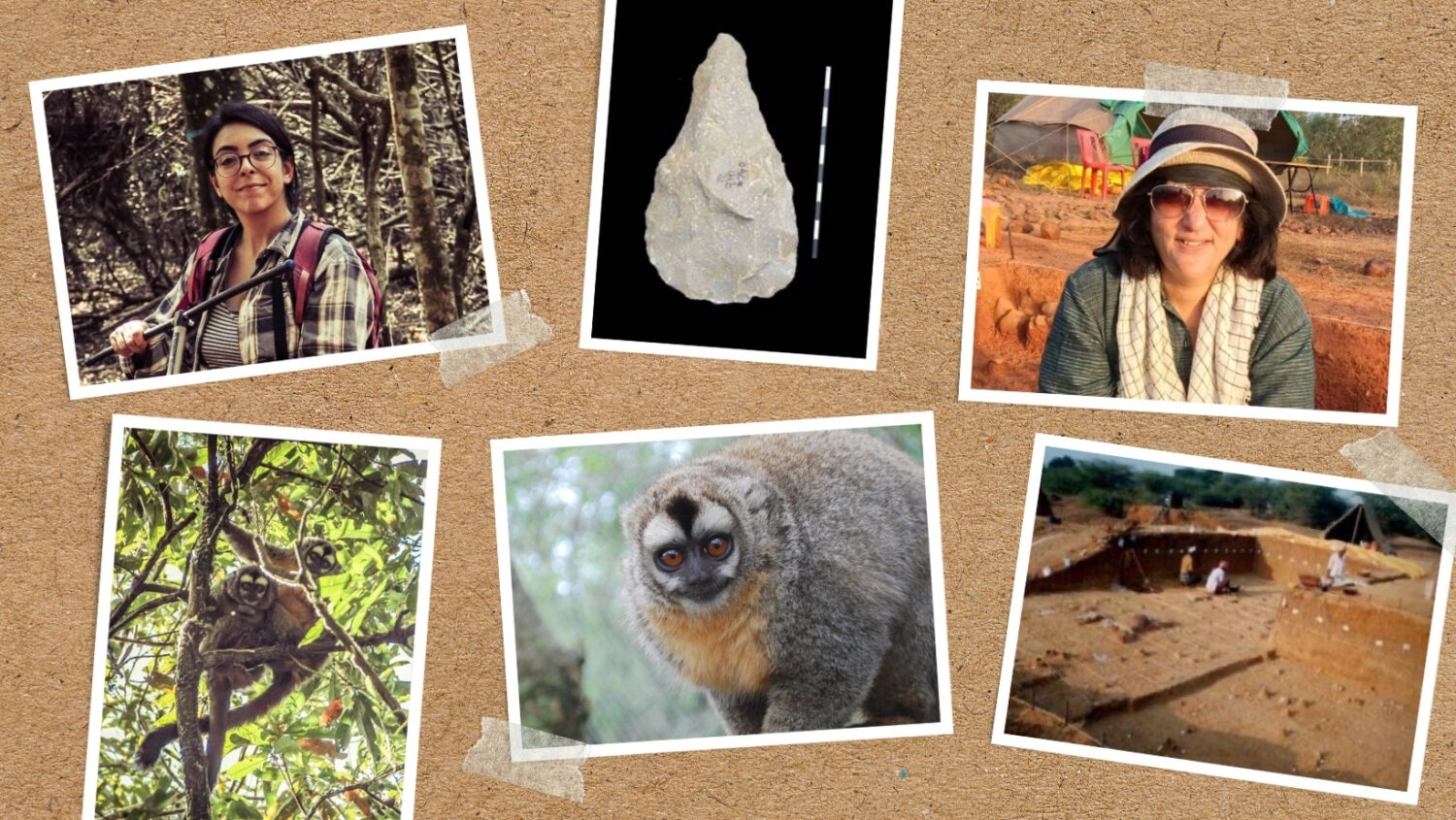
Live this Month: October
Lunch Break Science
Join The Leakey Foundation for two exciting virtual programs this October!
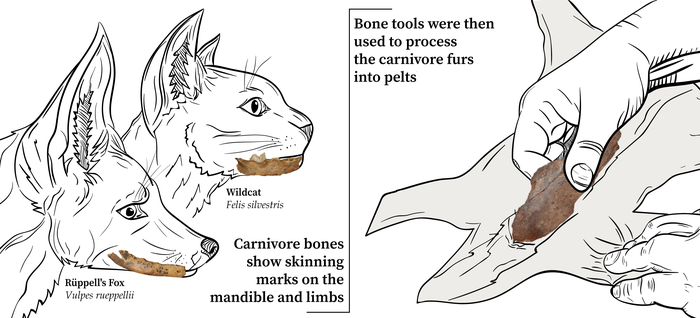
Bone tools from Morocco indicate the production of clothing by 120,000 to 90,000 years ago
Journal Article
The invention of clothing and the development of the tools needed to create it, are milestones in the story of humanity. A new study, supported in part by The Leakey Foundation, provides strong evidence for the manufacture of clothing as far back as 120,000 years ago.

Grantee Spotlight: Giulia Gallo
Grantee Spotlight
Did all Neanderthals need or use fire? Giulia Gallo is a PhD candidate at UC Davis whose research is focused on Neanderthal fire use and maintenance. Her Leakey Foundation-supported project will help us to understand the different ways Neanderthals used fire.

Prehistoric climate change channelled human migrations across Arabia
In the News | Journal Article
Researchers, supported in part by The Leakey Foundation, have found that early humans spread into Saudi Arabia multiple times over the past 400,000 years.
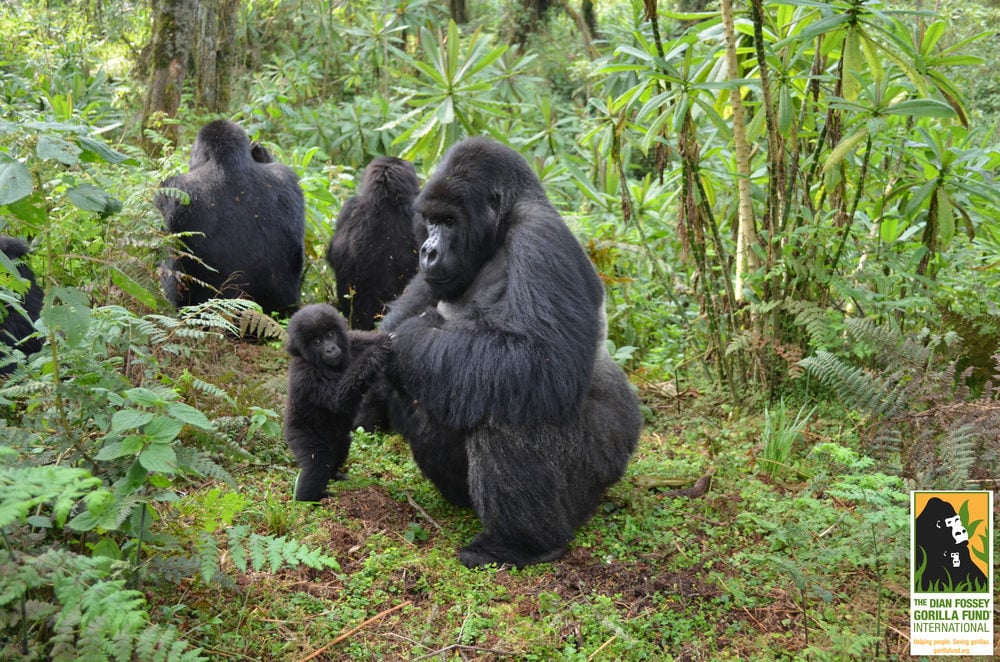
Did Dads Evolve?
Guest Post
Most male mammals are not involved in raising their offspring. Anthropological observations of fatherhood can provide insight into how—and why—humans are so different.
Live This Month: August
Lunch Break Science | The Leakey Foundation
Join The Leakey Foundation for three exciting virtual events this August!

Homo longi: Extinct human species that may replace Neanderthals as our closest relatives found in China
Journal Article
In 1933 a mysterious fossil skull was discovered near Harbin City in the Heilongjiang province of north-eastern China. Despite being nearly perfectly preserved – with square eye sockets, thick brow ridges and large teeth – nobody could work out exactly what it was. The skull is much bigger than that of Homo sapiens and other human species – and its brain size is similar to that of our own species. Historical events left it without a secure place of origin or date, until today.