

Read about the latest human origins discoveries, Leakey Foundation-supported research, and news from the field.
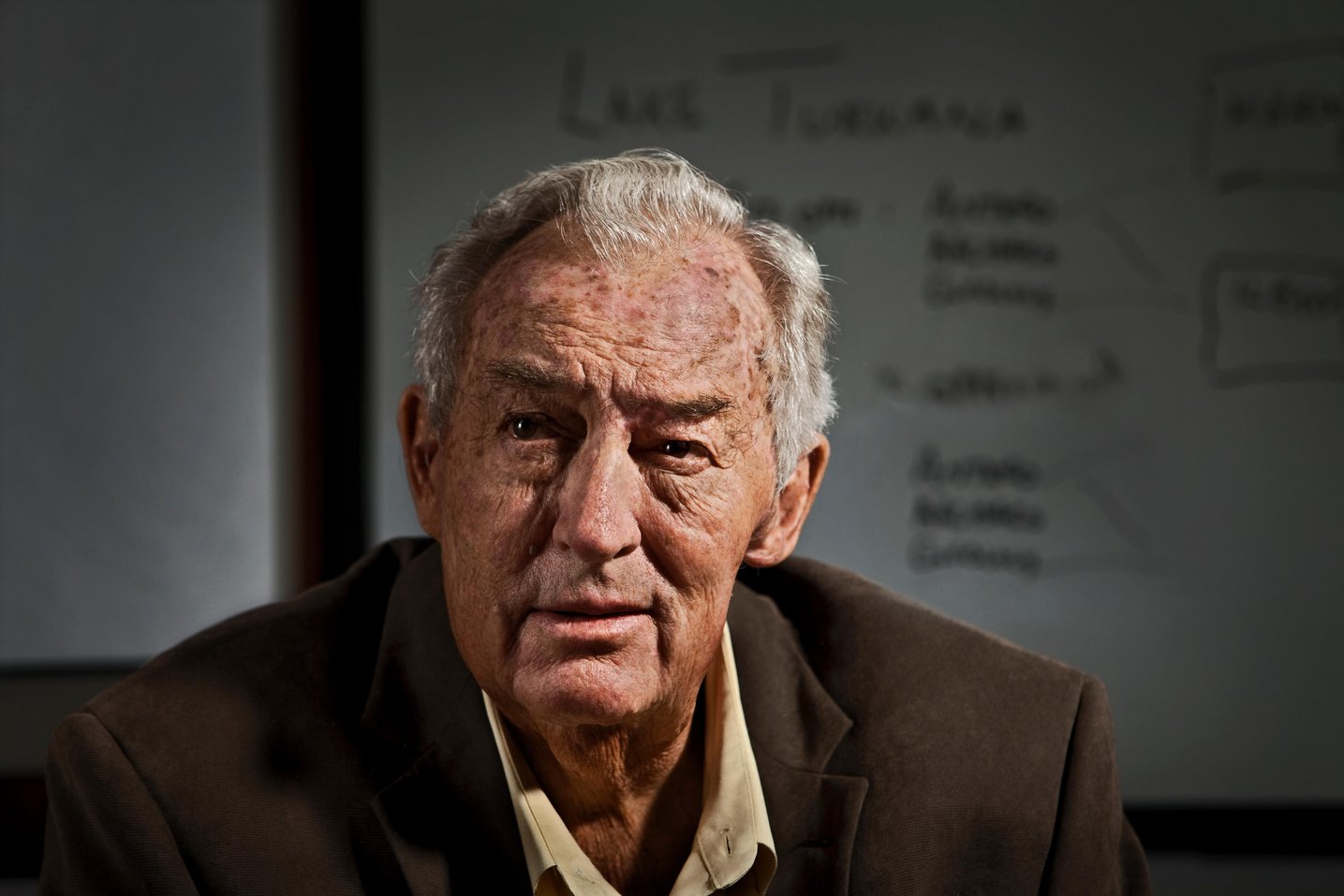
Richard Leakey, renowned paleoanthropologist and conservationist dies at age 77
In the News
Paleoanthropologist and conservationist Richard Erskine Frere Leakey, whose discoveries helped show that humankind evolved in Africa, died on January 2, 2022, at age 77.
Origin Stories podcast year in review
Origin Stories | The Leakey Foundation
Origin Stories podcast turned six years old in 2021! We produced 10 episodes and reached several important milestones this year. Here’s a look back at our year in podcasting.
Help us meet our quadruple-match challenge!
Support Us | The Leakey Foundation
Human origins research is powered by donors like you.
This December, your donation to The Leakey Foundation will be quadruple-matched thanks to Jorge and Ann Leis and the Ann and Gordon Getty Foundation.
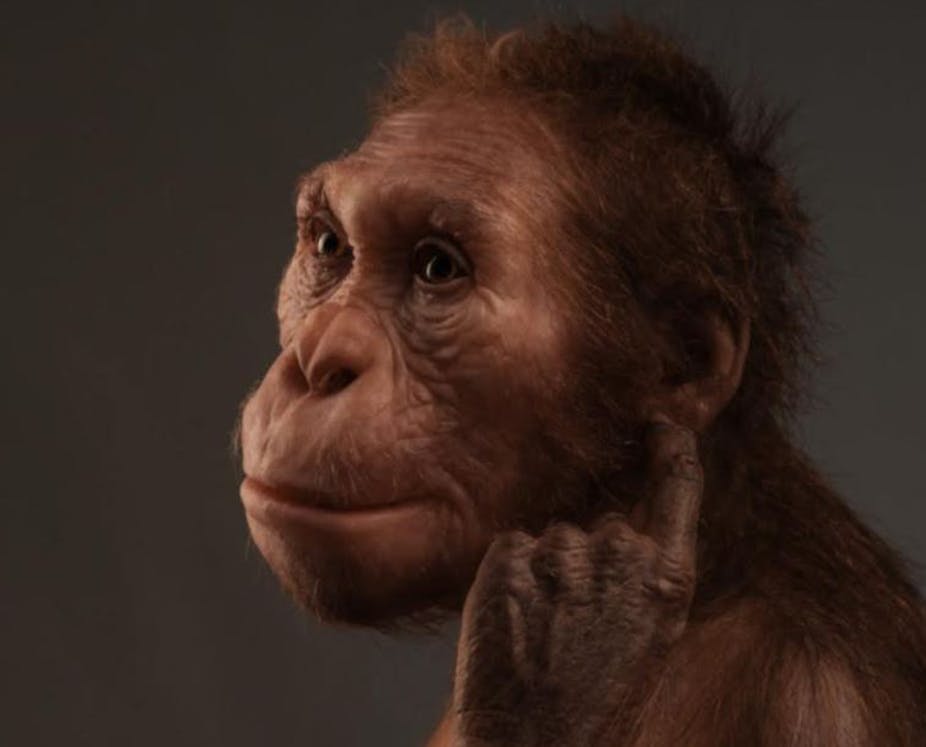
Fossil spine suggests ancient human relative walked like us, but climbed like an ape
Journal Article
s ago an ancient human relative, Australopithecus sediba, lived in what is today South Africa, near a cave called Malapa that’s a part of the Cradle of Humankind. Until recently, it was not clear how much the species spent climbing in trees and walking on two legs on the ground.
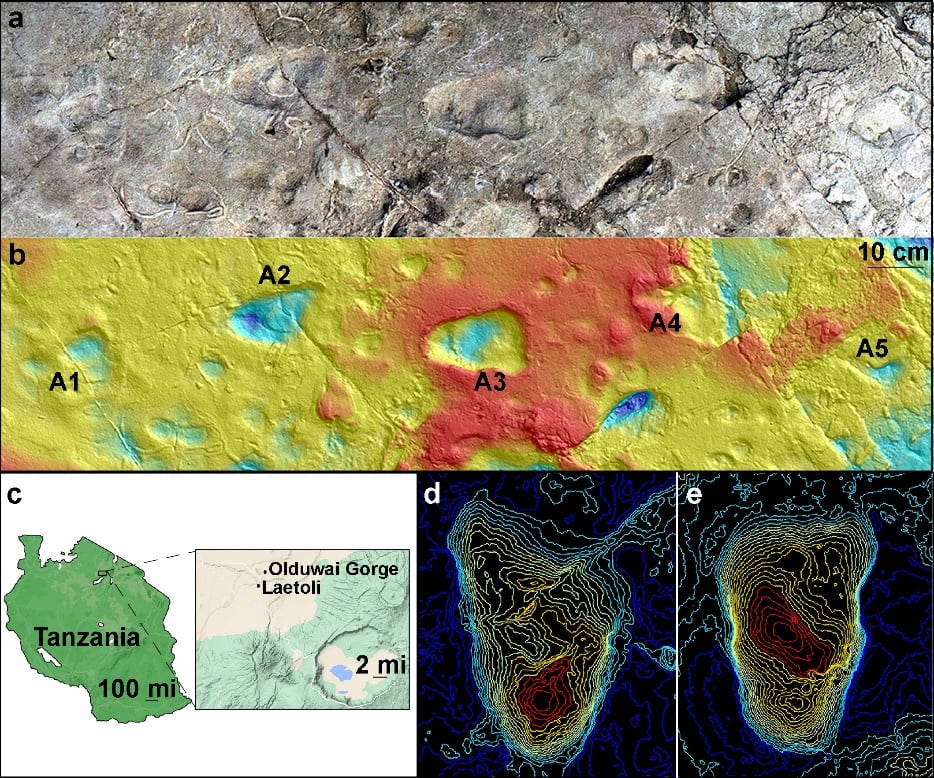
Mystery solved: footprints from Site A at Laetoli, Tanzania, are from early humans, not bears
In the News | Journal Article
The oldest unequivocal evidence of upright walking in the human lineage are footprints discovered at Laetoli, Tanzania in 1978, by paleontologist Mary Leakey and her team. The bipedal trackways date to 3.7 million years ago. Another set of mysterious footprints was partially excavated at nearby Site A in 1976 but dismissed as possibly being made by a bear. A recent re-excavation of the Site A footprints at Laetoli and a detailed comparative analysis reveal that the footprints were made by an early human

Grantee Spotlight: Sebastián Ramírez Amaya
Grantee Spotlight
Sebastián Ramírez Amaya is a PhD candidate who is studying chimpanzees in Uganda in order to learn about the evolution of pair-bonding in humans.
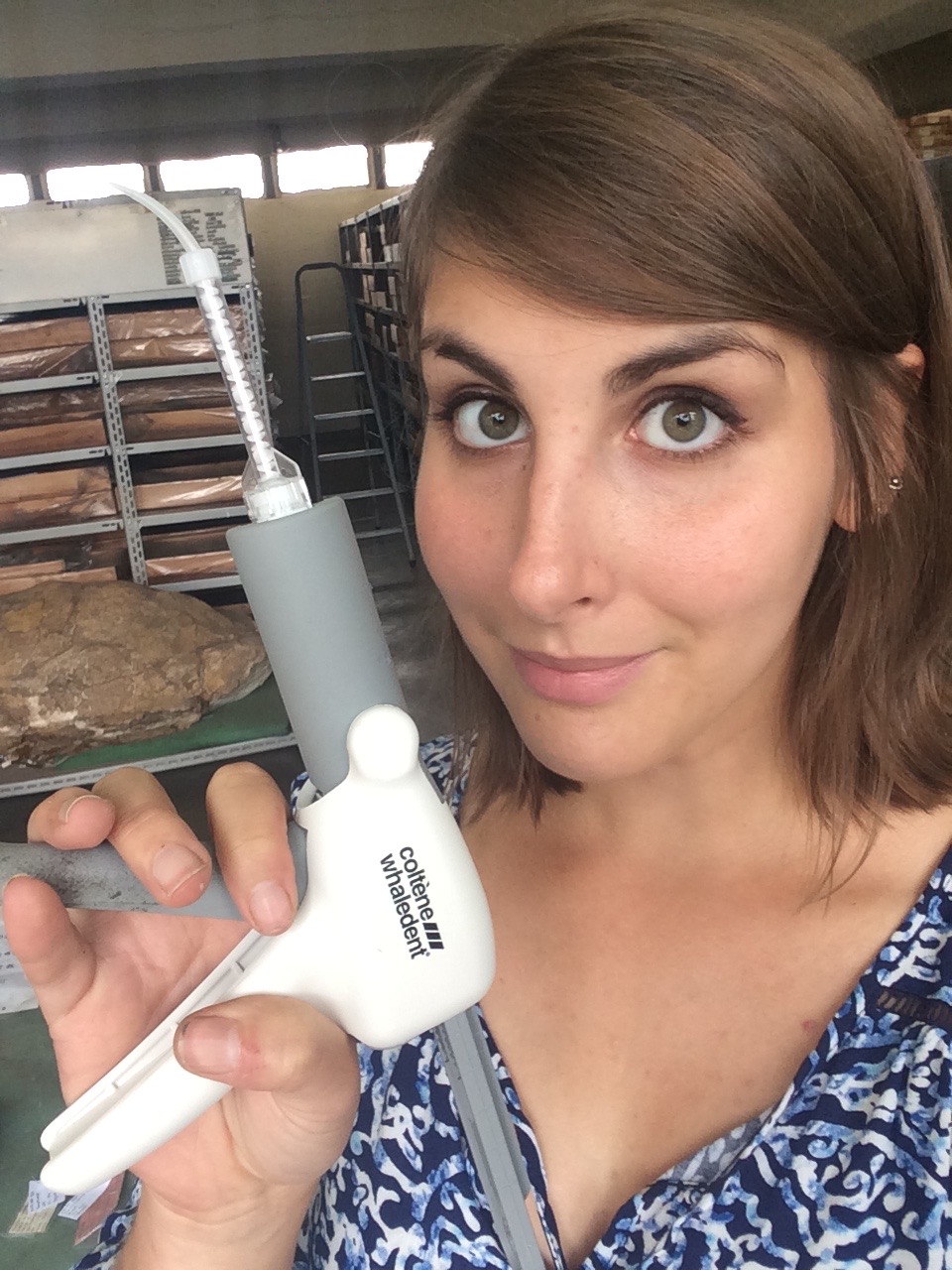
Grantee Spotlight: Tessa Cicak
Grantee Spotlight
Tessa Cicak is a PhD candidate studying whose research is testing ideas about how primates respond to competition over food resources.
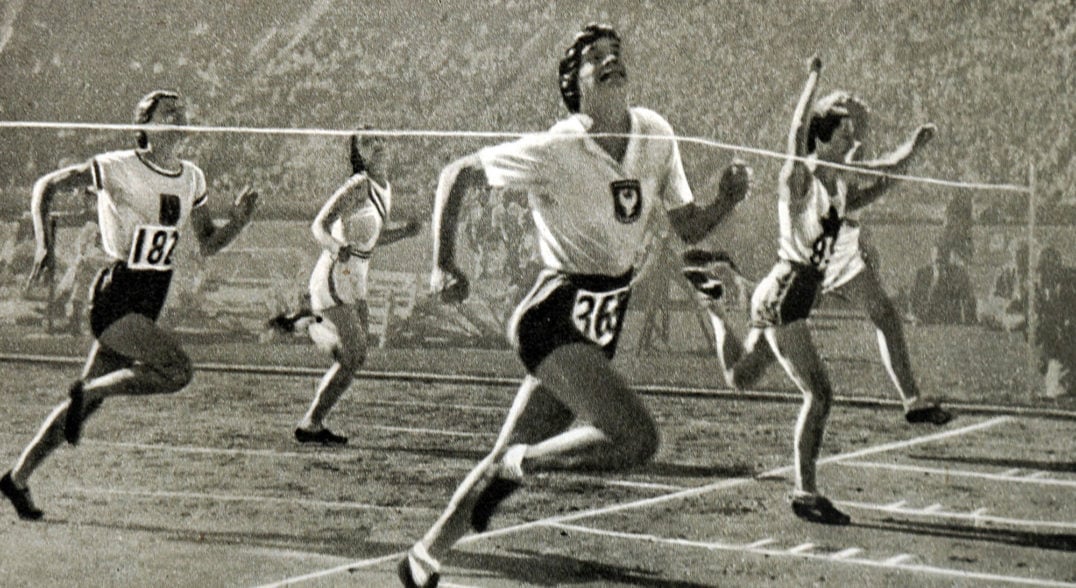
What our skeletons say about the sex binary
Guest Post
Society increasingly accepts gender identity as existing along a spectrum. The study of people, and their remains, shows that sex should be viewed the same way.
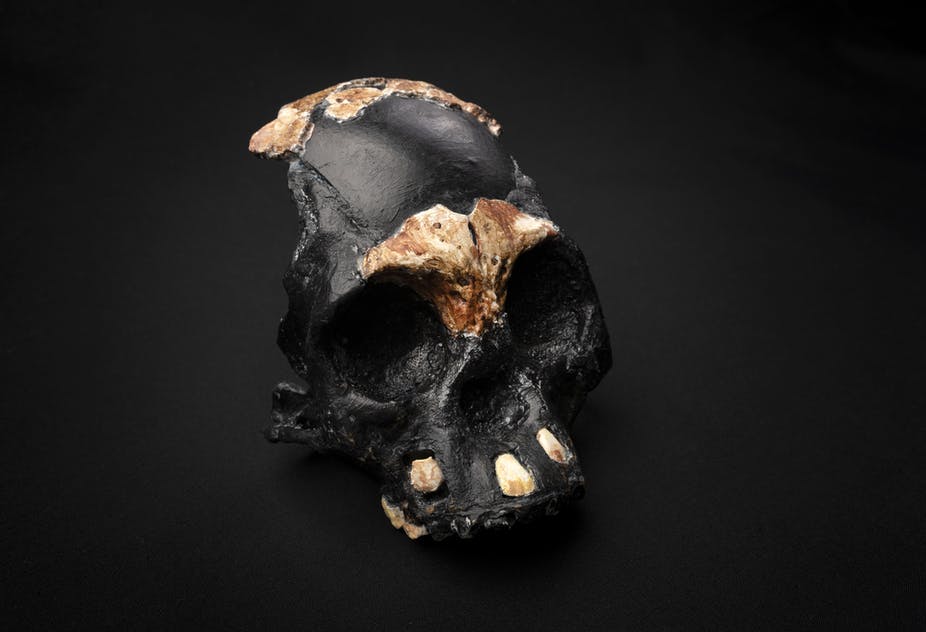
I was part of the team that found the Homo naledi child’s skull: how we did it
From the Field | In the News | Journal Article
An international team of researchers, led by Professor Lee Berger, a palaeoanthropologist from South Africa’s University of the Witwatersrand, has revealed the first partial skull of a Homo naledi child from the Rising Star cave.
Live This Month: November
Lecture | Lunch Break Science
Join The Leakey Foundation for three exciting virtual events this November!