
Grants
In December 2025, The Leakey Foundation awarded research grants to 30 scientists working to answer fundamental questions about human origins, evolution, behavior, and survival. Made possible by our donors, these grants support researchers working in field sites and laboratories around the world. Among the recipients are 17 PhD candidates, representing an investment in promising scientists at the beginning of their careers.
Their innovative research explores topics such as the development of complex culture, how sociality connects to health and longevity, what ancient DNA reveals about early human dispersal, and what happens to the gut microbiome in human-disturbed environments.
We look forward to sharing more about our grantees and their work as their projects progress.
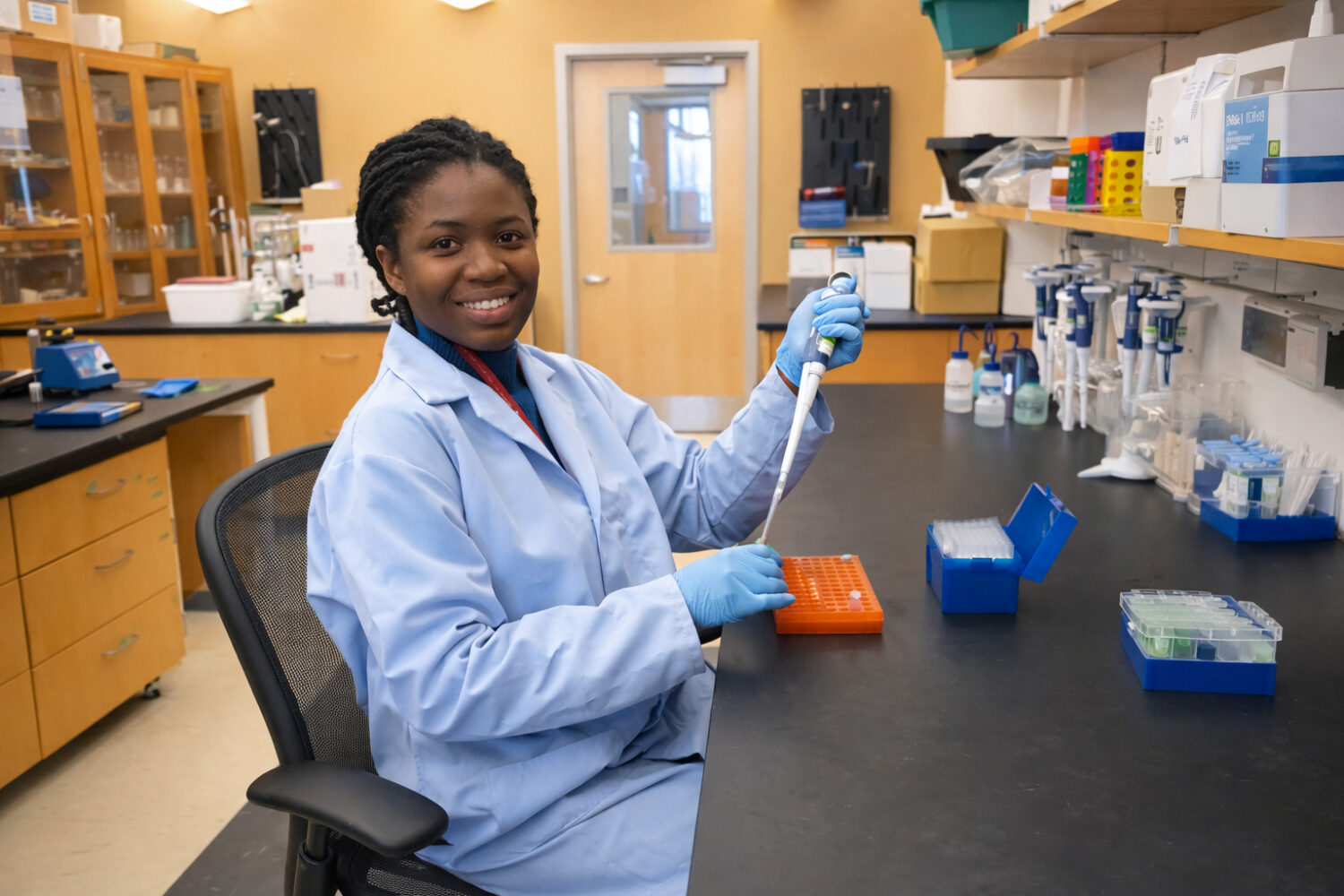
Olayemi Ajayi, The University of Cincinnati: How rainfall variation shapes gene regulation patterns in thick-tailed galagos
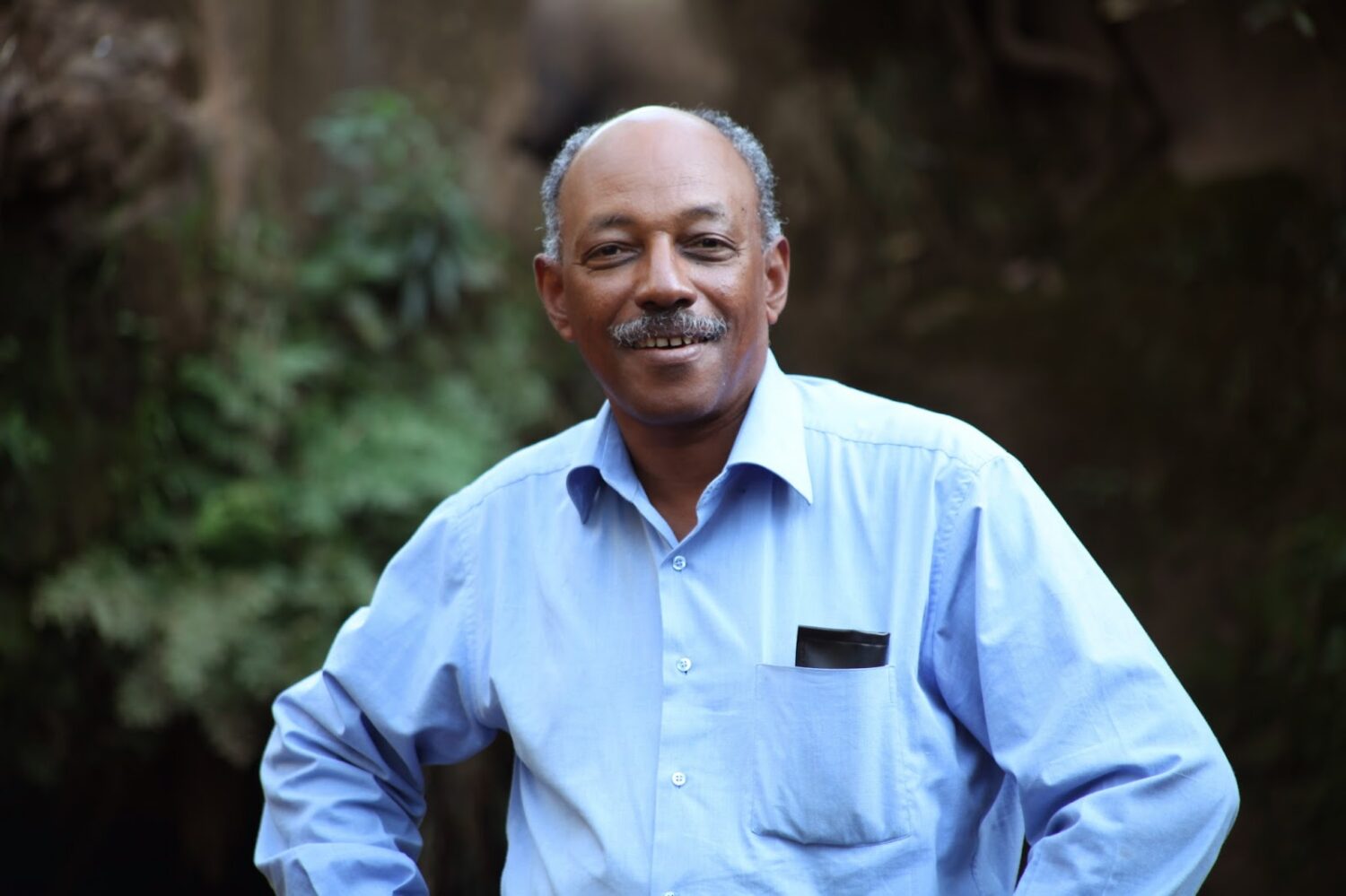
Yonas Beyene, Ethiopian Heritage Authority and the Centre Français des Etudes Ethiopiennes: Tracing the emergence of cultural complexity: new insights from the earliest Acheulean at Konso
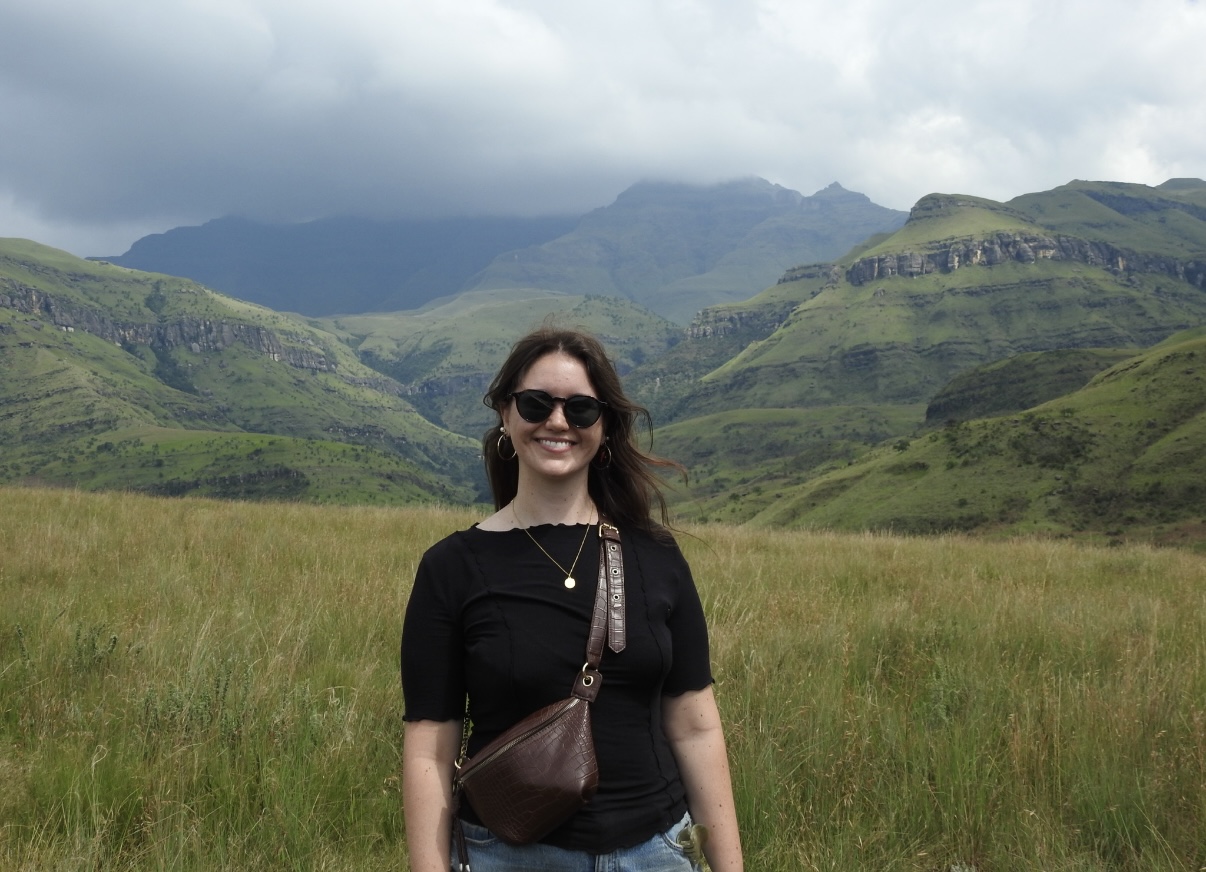
Peyton Carroll, University of Connecticut: Social connectivity and adaptation in Upper Paleolithic Sicily
Nicholas Chapoy, Tulane University: Calls from the canopy: Exploring communication and dominance in male white-faced capuchins (Cebus imitator)
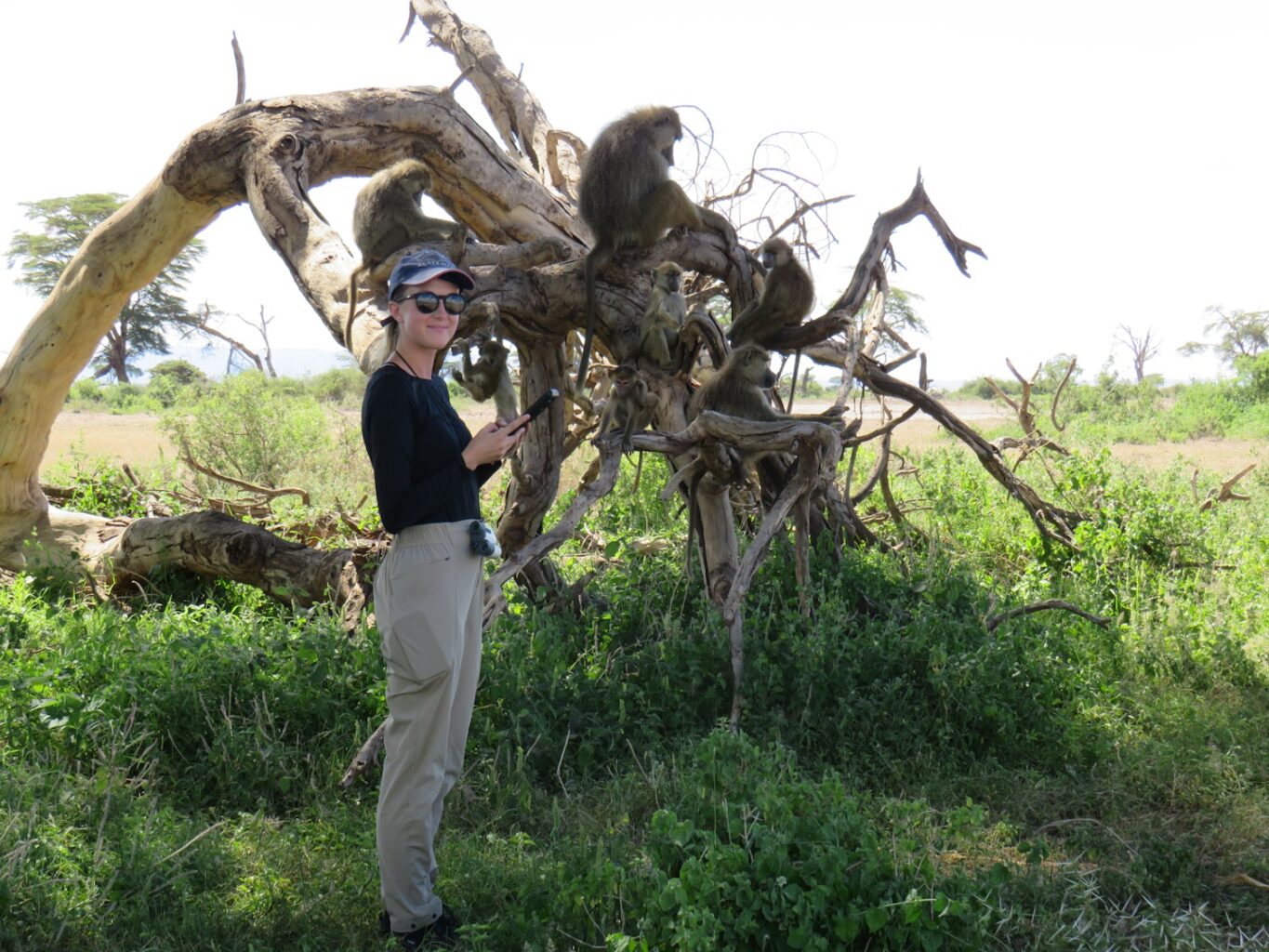
Maria Creighton, Duke University: Exploring how sociality links to health and longevity in primates
Mark de Bruyn, Griffith University: The Deep Skull: Ancient DNA insights into early human dispersal into Southeast Asia and Australasia
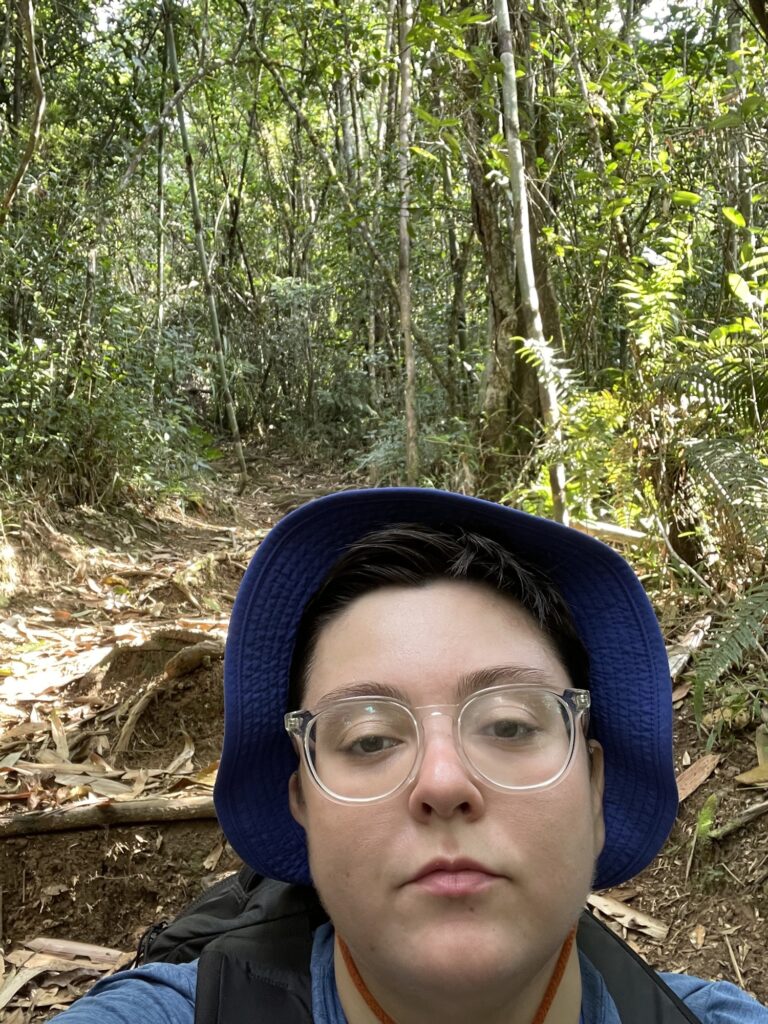
Rebecca DeCamp, Rutgers, The State University of New Jersey: Understanding the evolution of seasonal reproduction in primates using the gray mouse lemur as a model
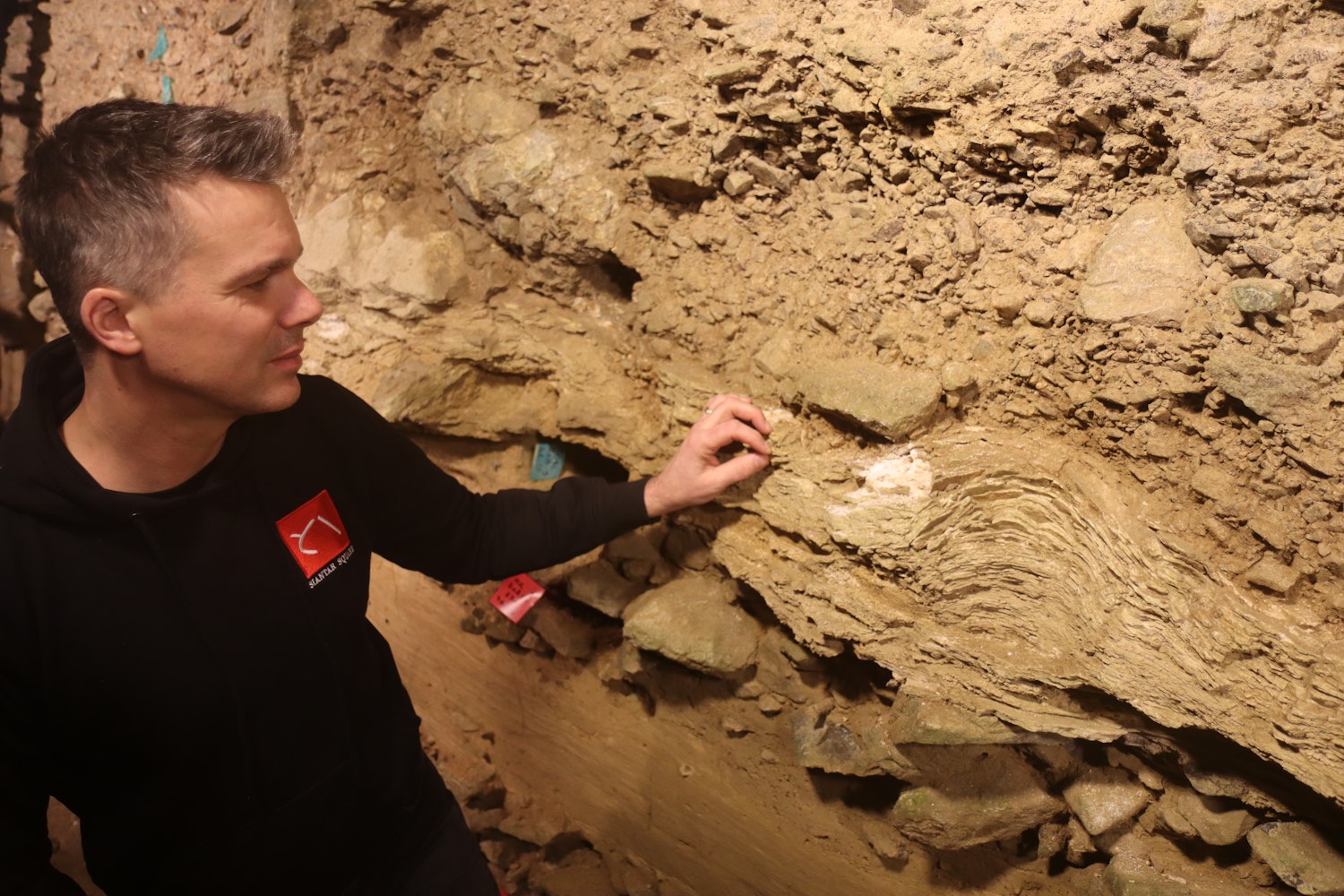
Kévin Di Modica, Espace Muséal d’Andenne: Earliest human settlements in North-West Europe: the Belgian evidence
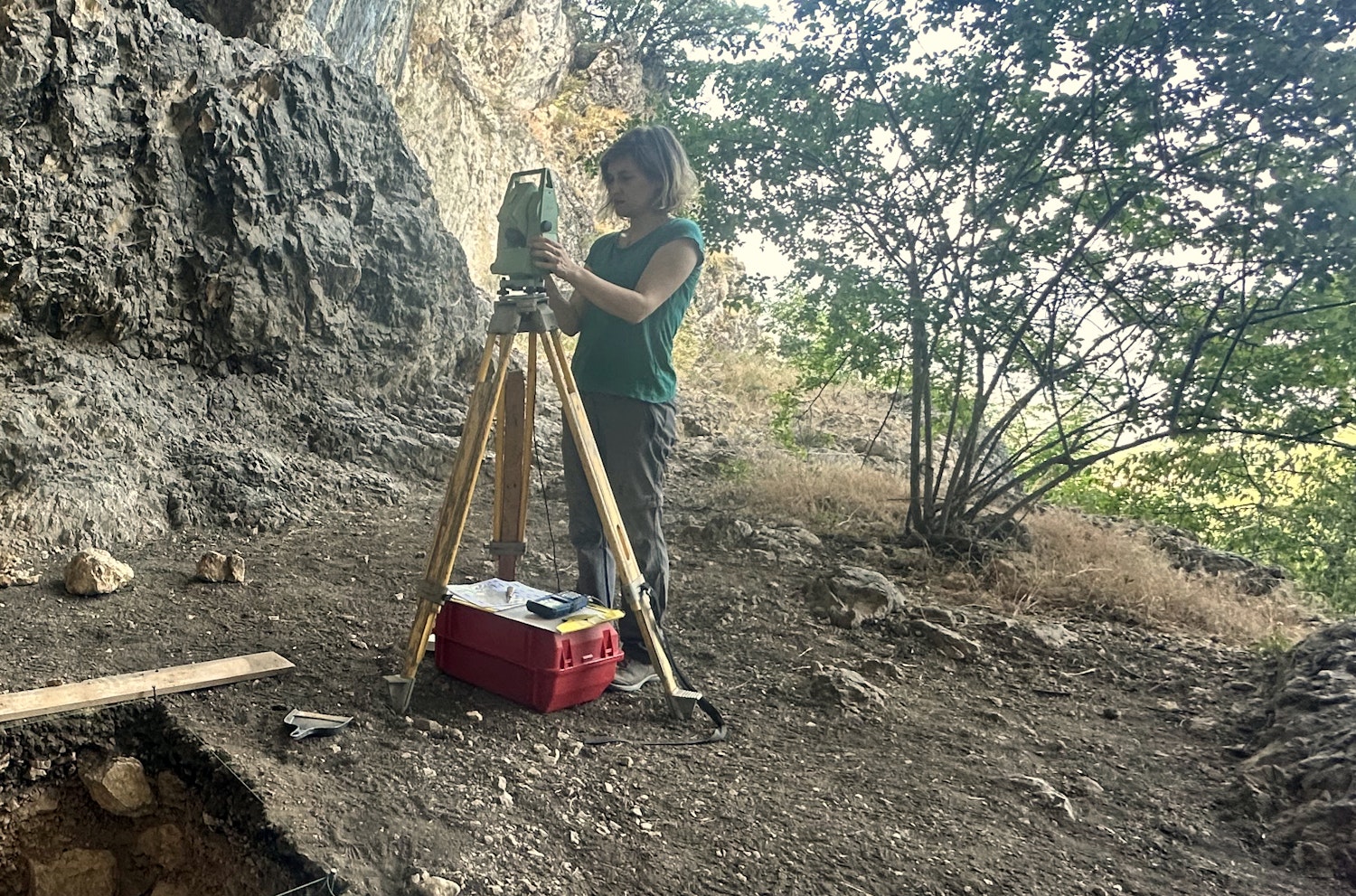
Tamara Dogandzic, Leibniz-Zenrum Für Archäeologie: Mountain refuge: How neanderthals adapted and endured in the Dinaric Alps
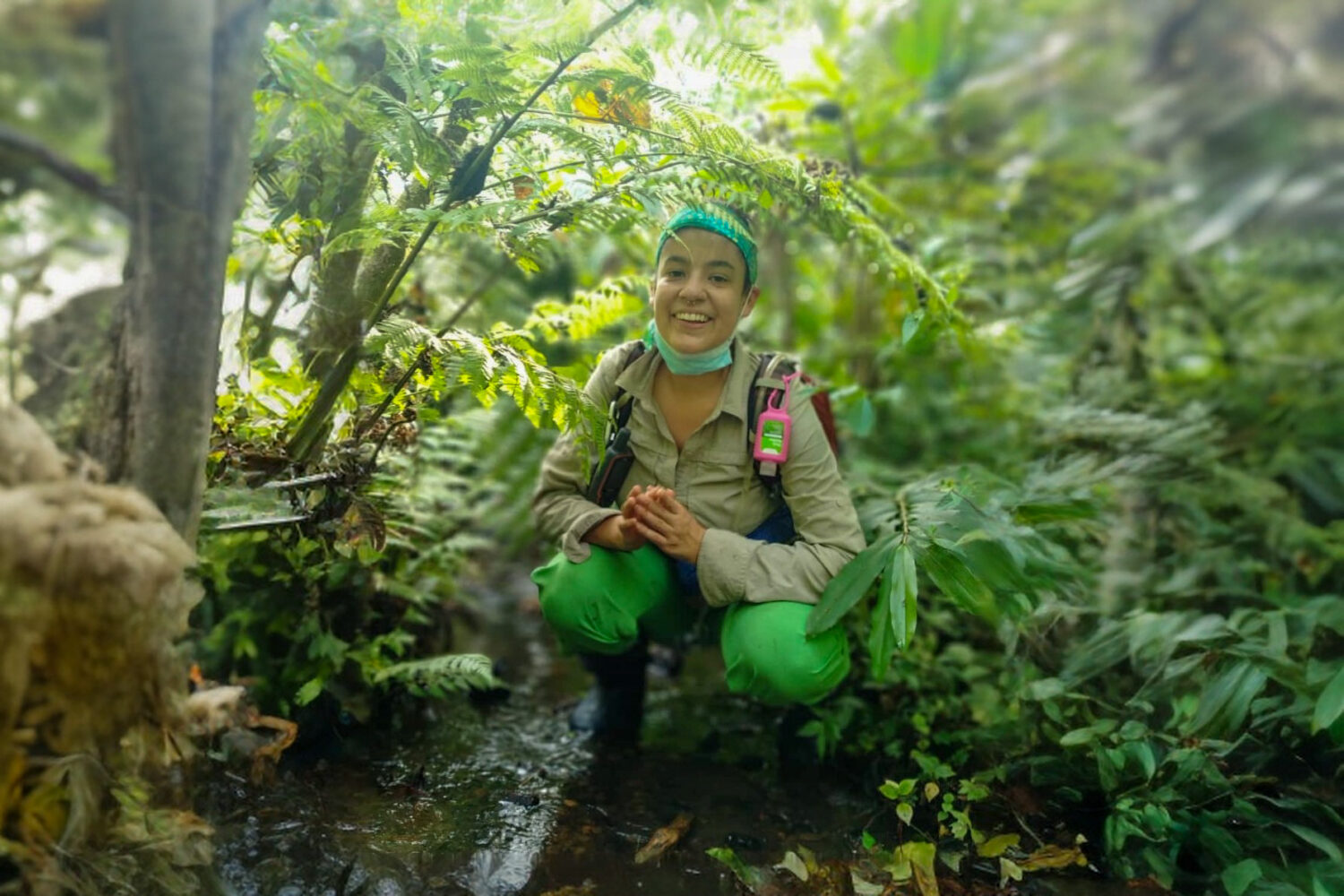
Ellen Dyer, University of New Mexico: How does access to social support affect stress responses?
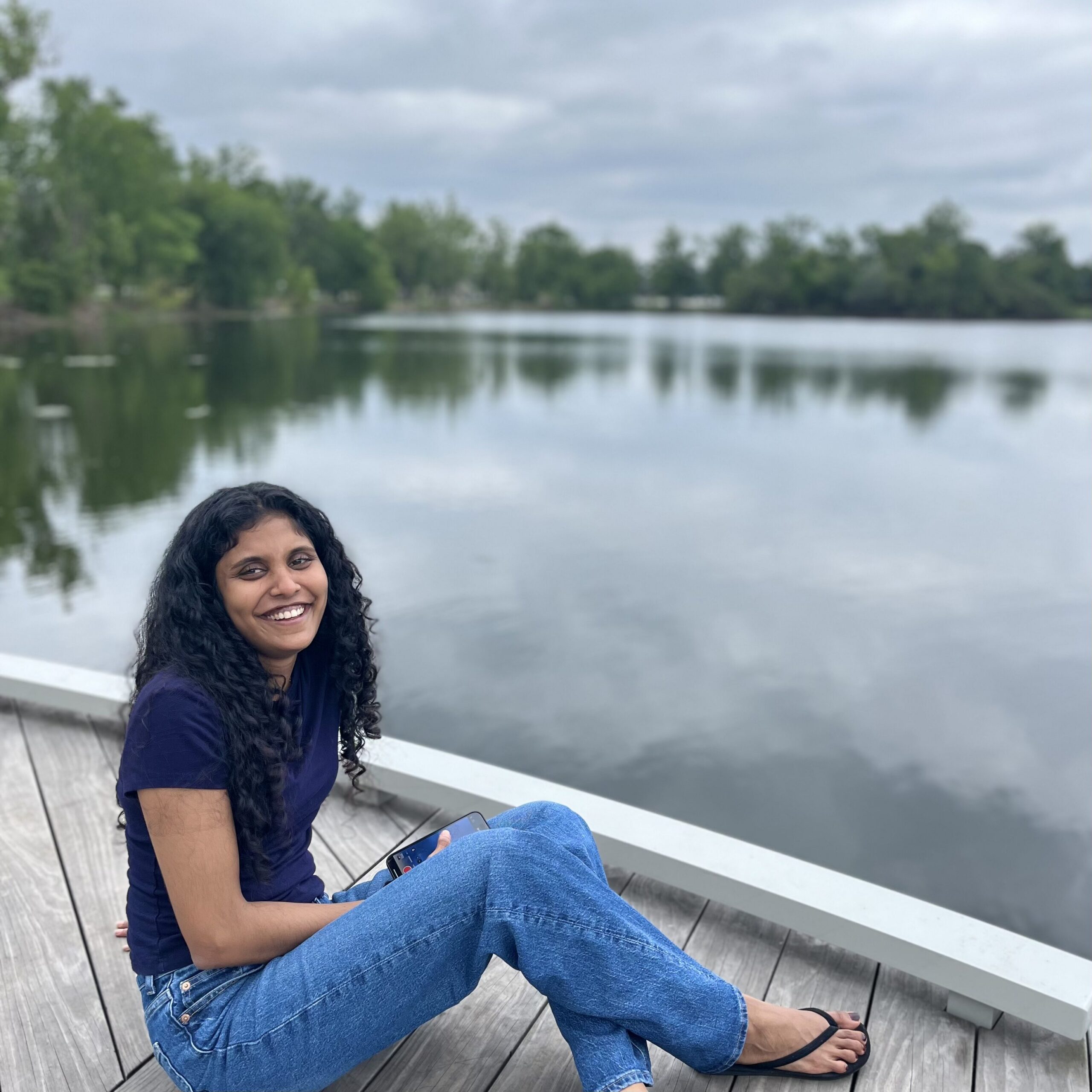
Shehani Fernando, University of Notre Dame: Sri Lankan macaques as a model for human evolution: Investigating gut microbiome responses to anthropogenic disturbance
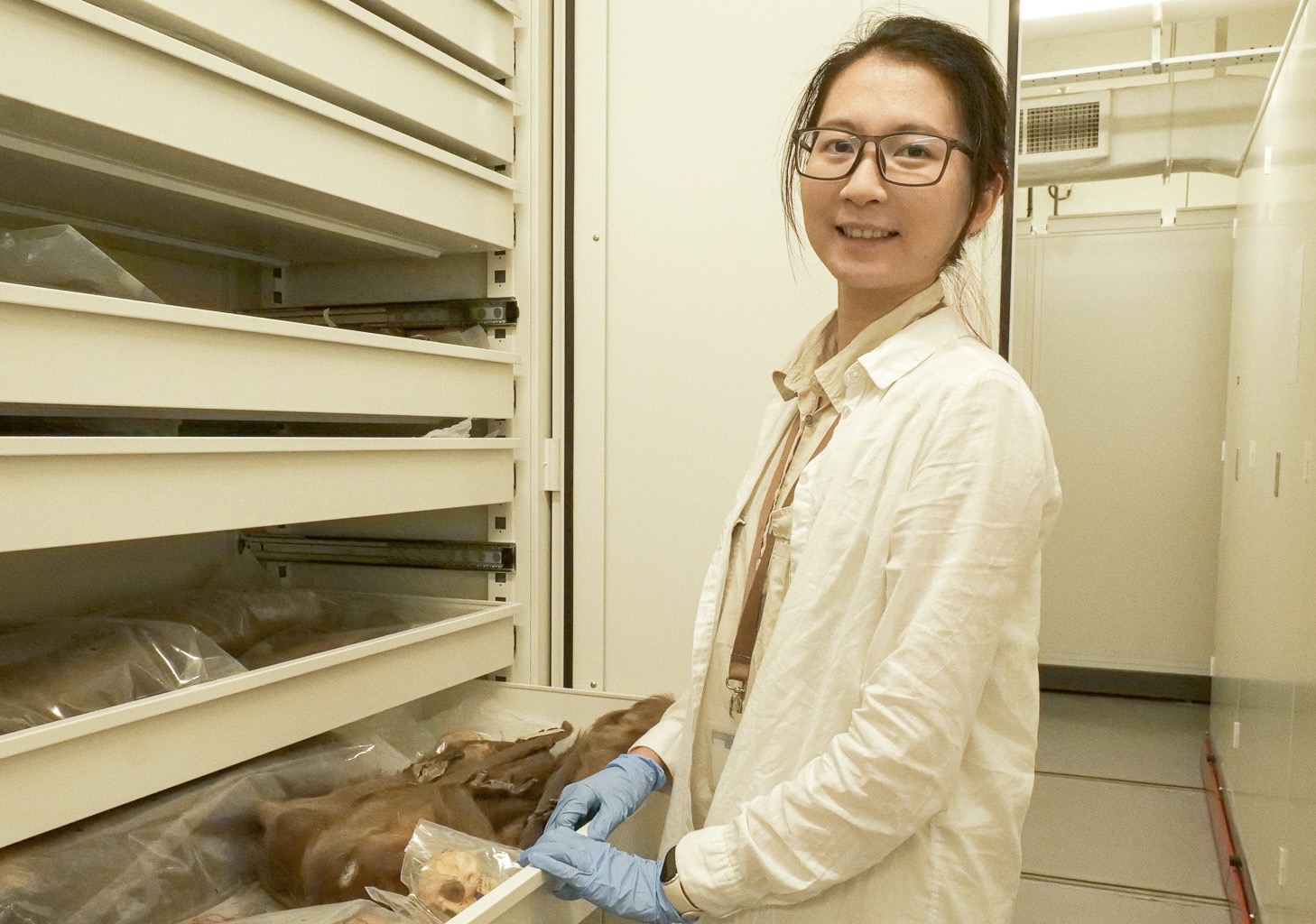
Yuting Gao, University of Colorado, Boulder: Monkey microbes, molars, and meals: Clues to human dietary evolution
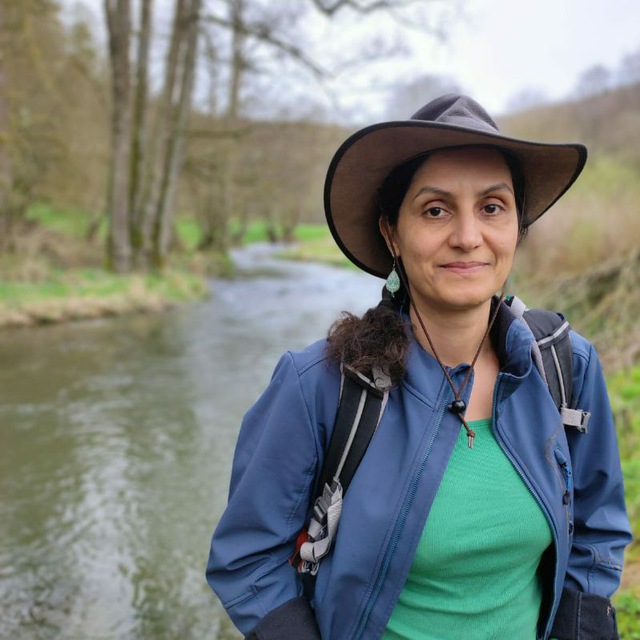
Elham Ghasidian, Neanderthal Museum: In search of late Pleistocene hominins in the Fararoud Land (Transoxiana): Revival of research in the Khudji site

Sarah Hlubik, St. Mary’s College of Maryland: Understanding how humans may have acquired fire: A landscape approach

Caroline Jones, University of Pennsylvania: Stone tool use in juvenile wild tufted capuchin monkey (Sapajus libidinosus); development and benefits of persistence
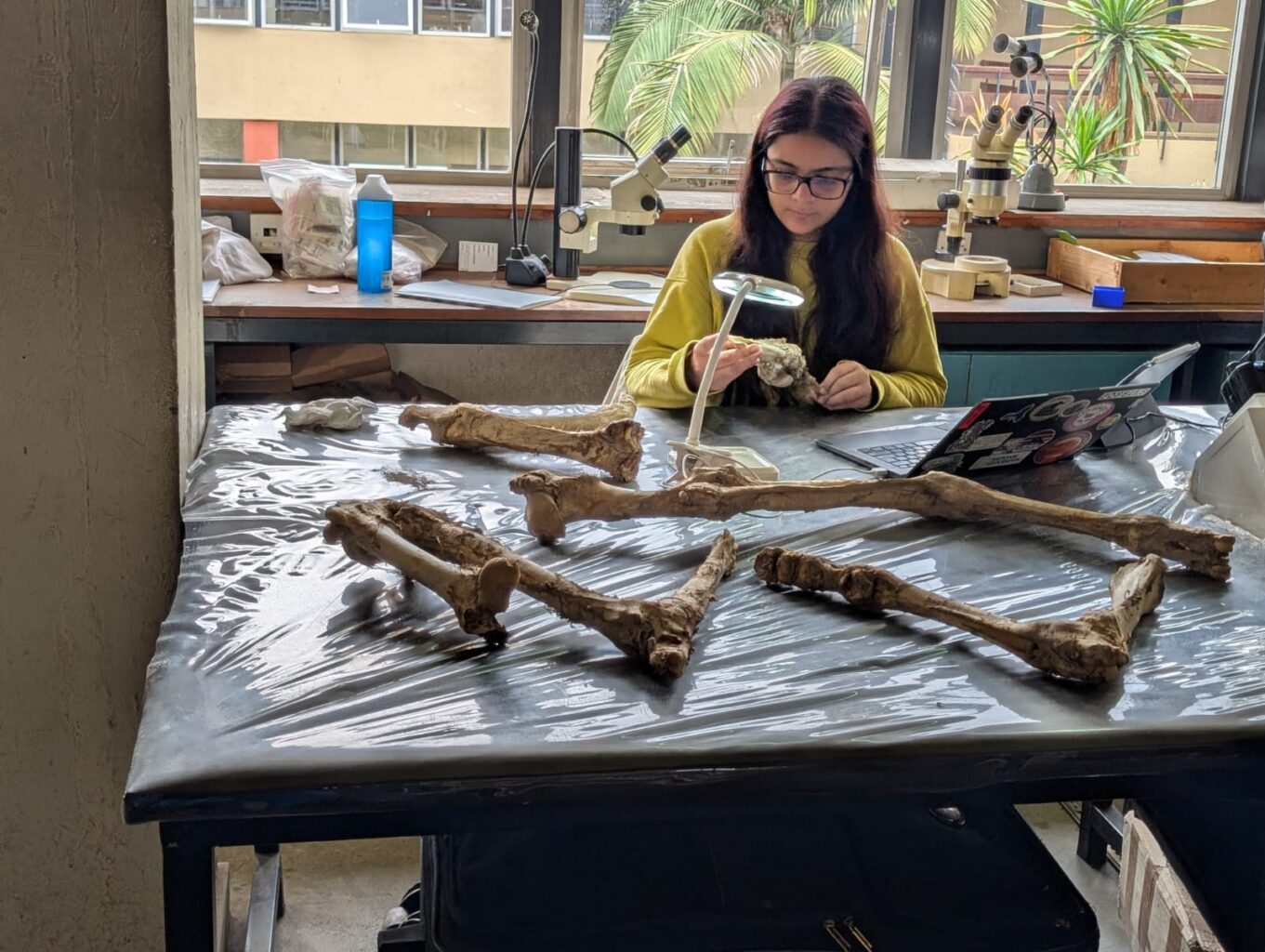
Anubhav Preet Kaur, University of Arizona: Aridity and adaptation: Tracing Pleistocene environmental thresholds for hominin dispersals in South Asia
Danielle Kulick, Tulane University: Navigating ecological extremes: Behavioral and physiological flexibility in wild capuchins

Thomas LaBarge, Indiana University Bloomington: Isotopic Perspectives on the Trophic Dynamics of the Prehistoric Serengeti and Hominin Ecology at Olduvai Gorge

Hailey Loucks, University of California, Santa Cruz: Mapping archaic hominin ancient DNA to a pangenome reference
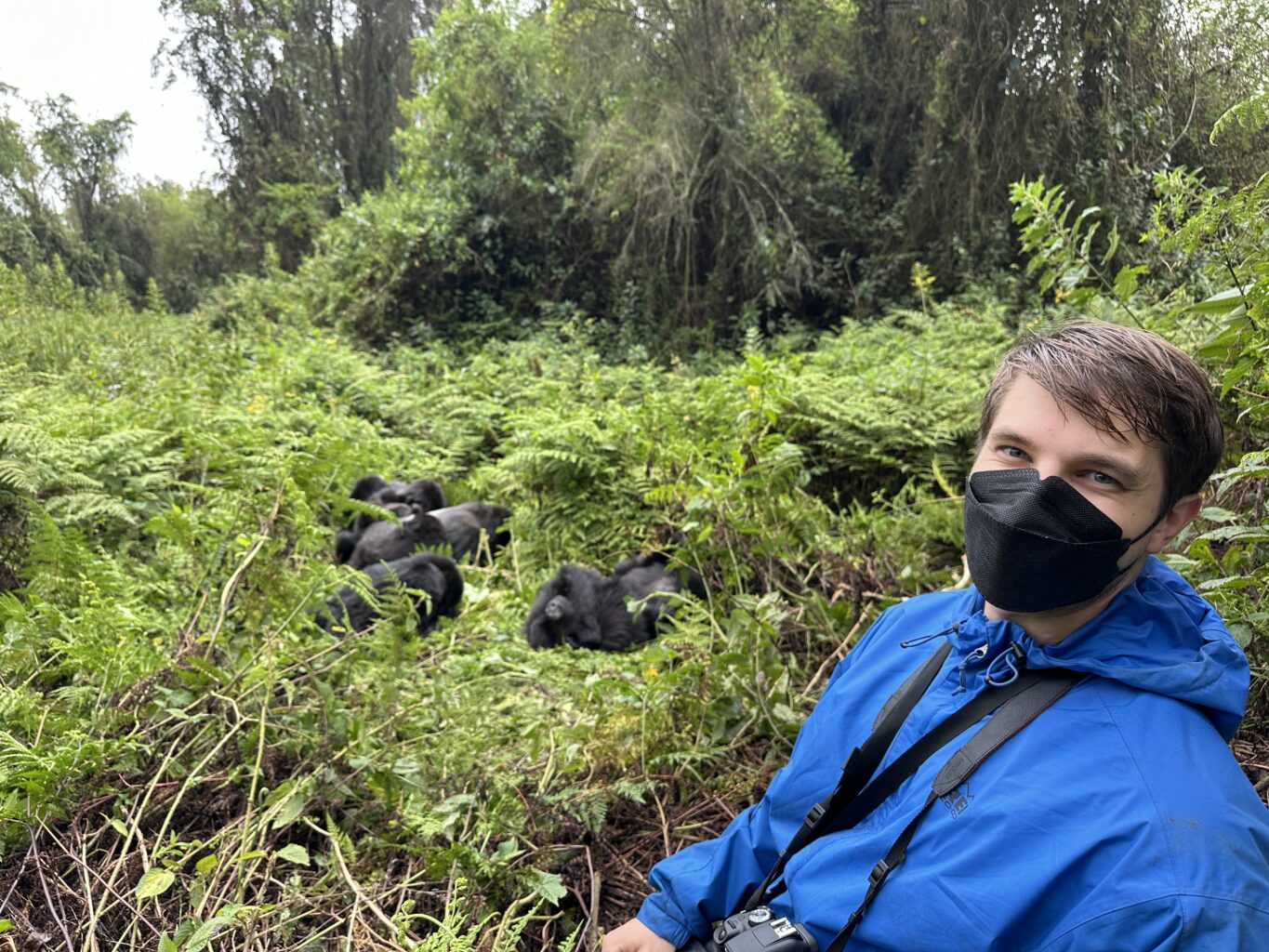
Dominic Mayo, University of Michigan: Social resource competition among female mountain gorillas

Alyssa McGrath, University of Utah: Using food web models to investigate Pleistocene extinctions in South Africa

Christina Mutinda, National Museums of Kenya: The paleoecology of Paranthropus boisei as suggested by the fossil fauna from Chesowanja, Kenya
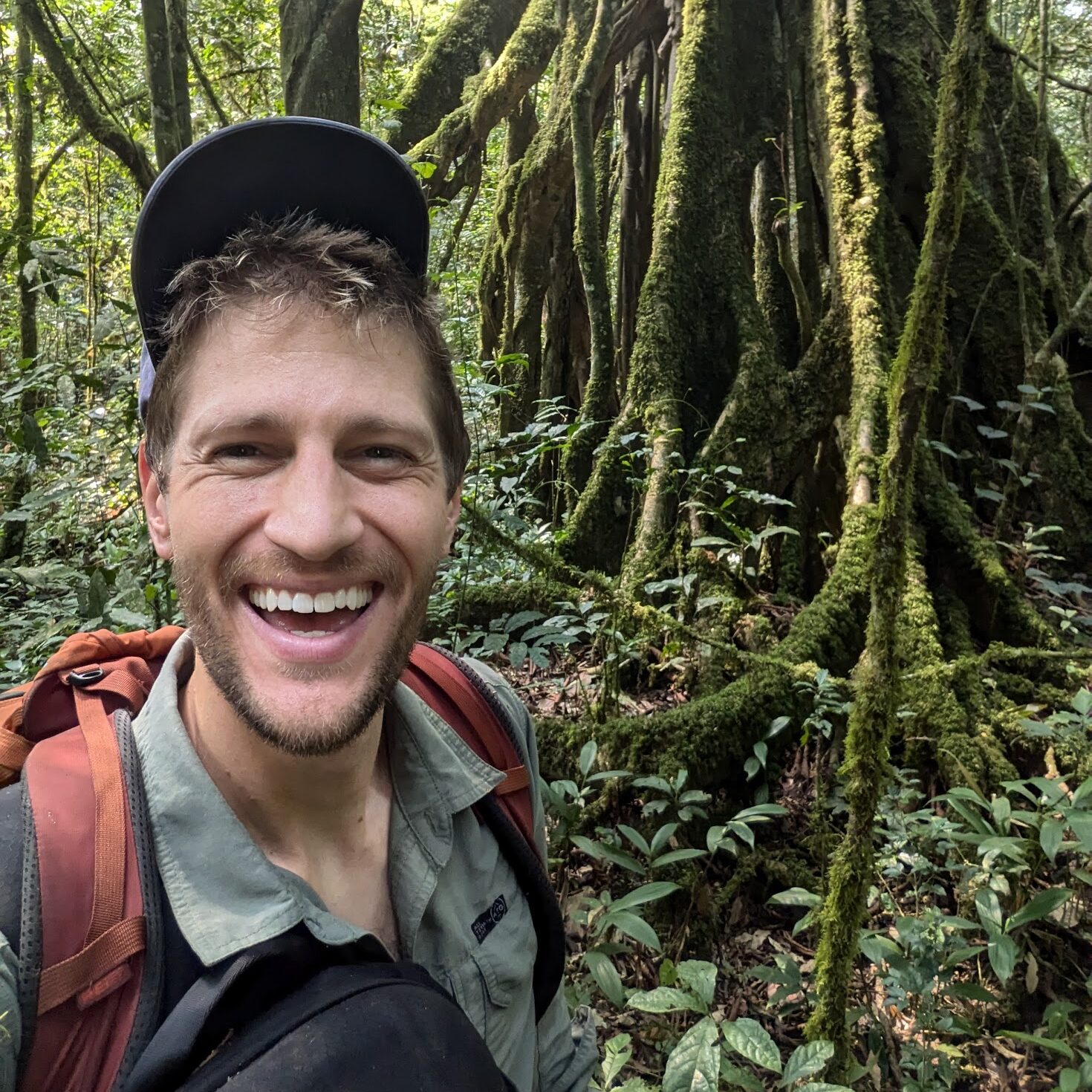
Jacob Negrey, University of Arizona: How and why chimpanzee social interactions change with advanced age
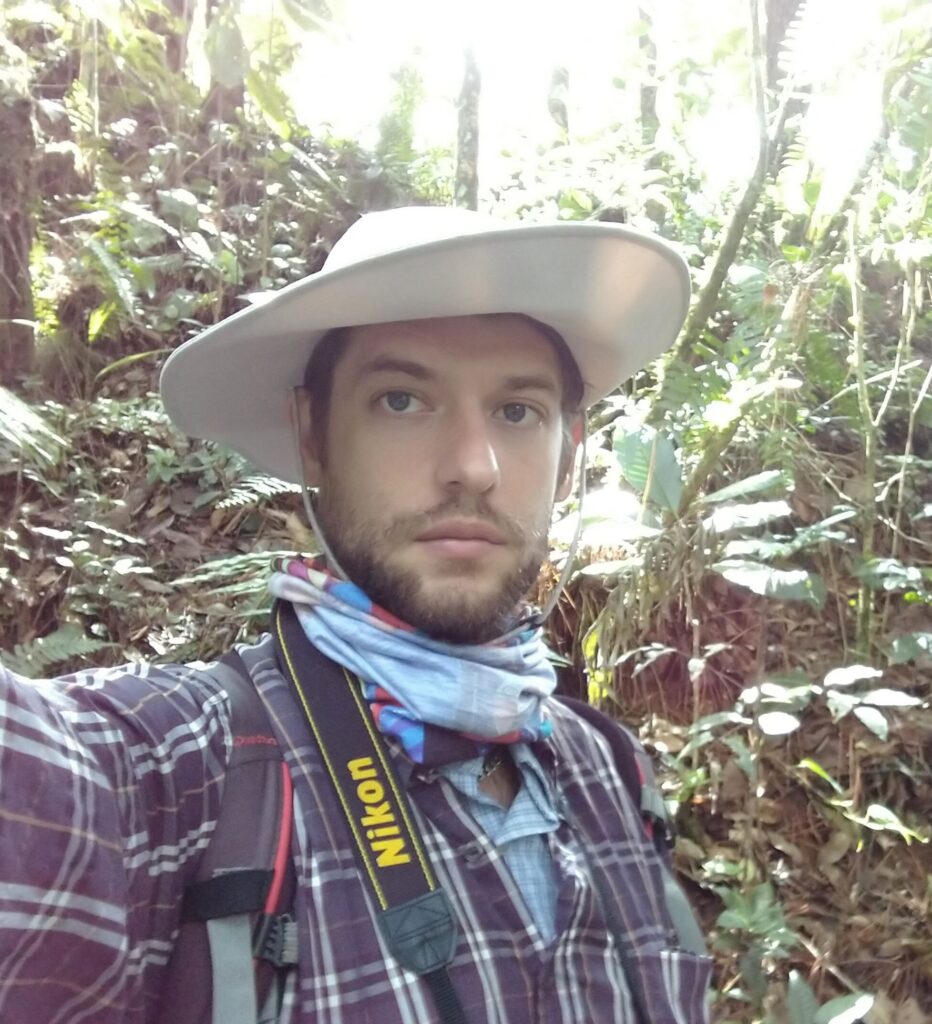
Juan Olvido Perea García, Universidad Las Palmas de Gran Canaria: What did our ancestors eyes look like? Estimating ancestral human external eye appearance from a representative sample of extant populations
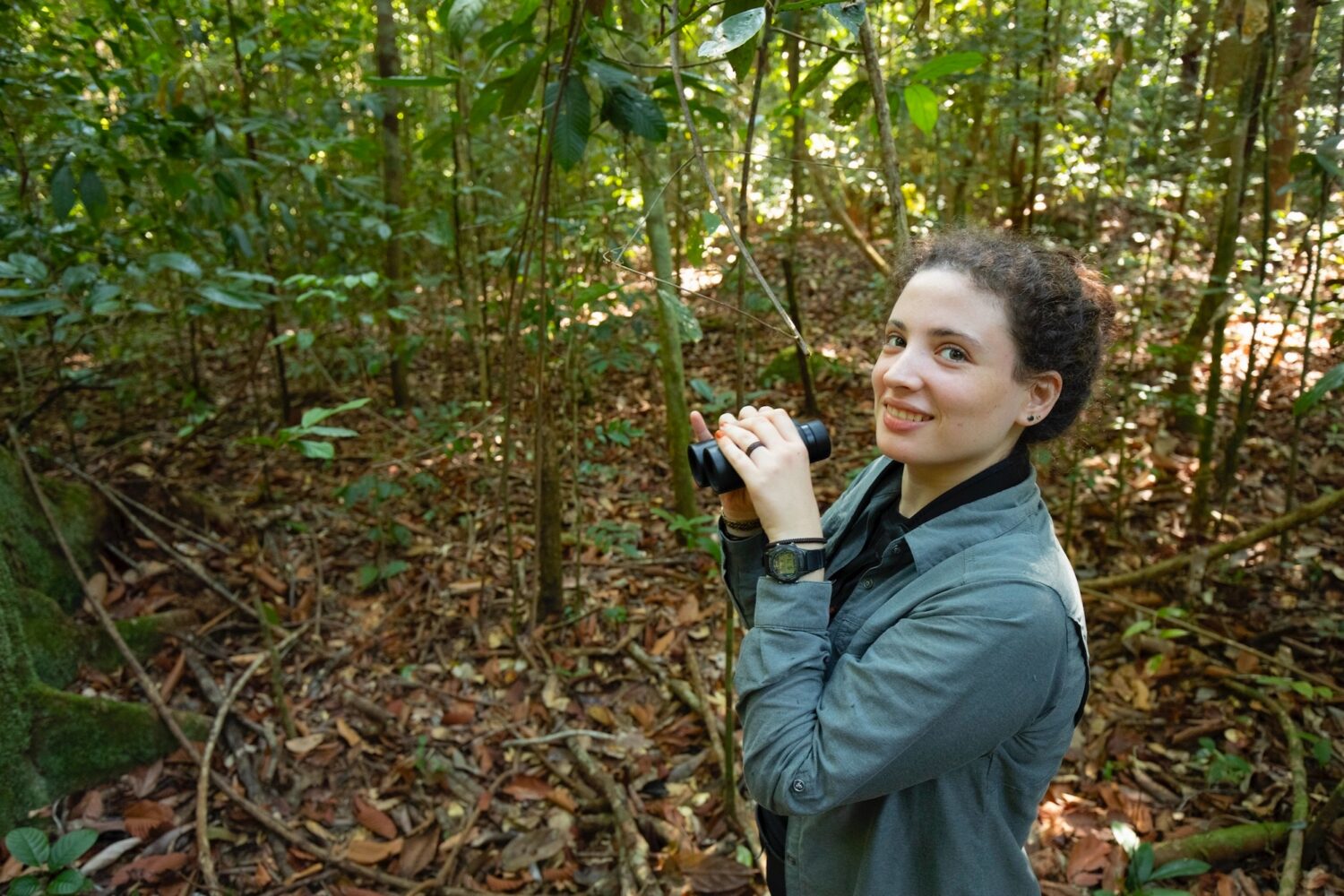
Natalie Robinson, Rutgers, The State University of New Jersey: Do rainforest ecology and fruiting patterns drive female orangutan reproduction?

Rowan Sherwood, University of Michigan: Tracing early ape evolution through limb joint shape and function

Charlotte Van den Driessche, Université Libre de Bruxelles – University of Cambridge: Development of attention skills in children from small-scale societies in the Congo basin

Edwin van Leeuwen, Utrecht University: Investigating cumulative cultural evolution in bonobos

Jensen Wainwright, University of Oregon: Using small mammals as isotopic proxies to study early hominin diet and habitats in the Turkana Basin, Kenya
Patricia Wright, Stony Brook University: Exploration and excavation in Ranomafana National Park, Madagascar for fossils