
In Memoriam
by Dr. Erin Vogel
In the dense, humid rainforests of Central Kalimantan, Borneo, one woman set out to inform the world about the least studied of the apes: the wild orangutan. In doing so, she formed the foundations of what we know about these elusive apes. Biruté Galdikas did not simply study orangutans; she dedicated her life to revealing their behavior and ecology, protecting their future, and ensuring they would never again be forgotten. Importantly, she inspired the next generation of primatologists and conservation biologists worldwide.
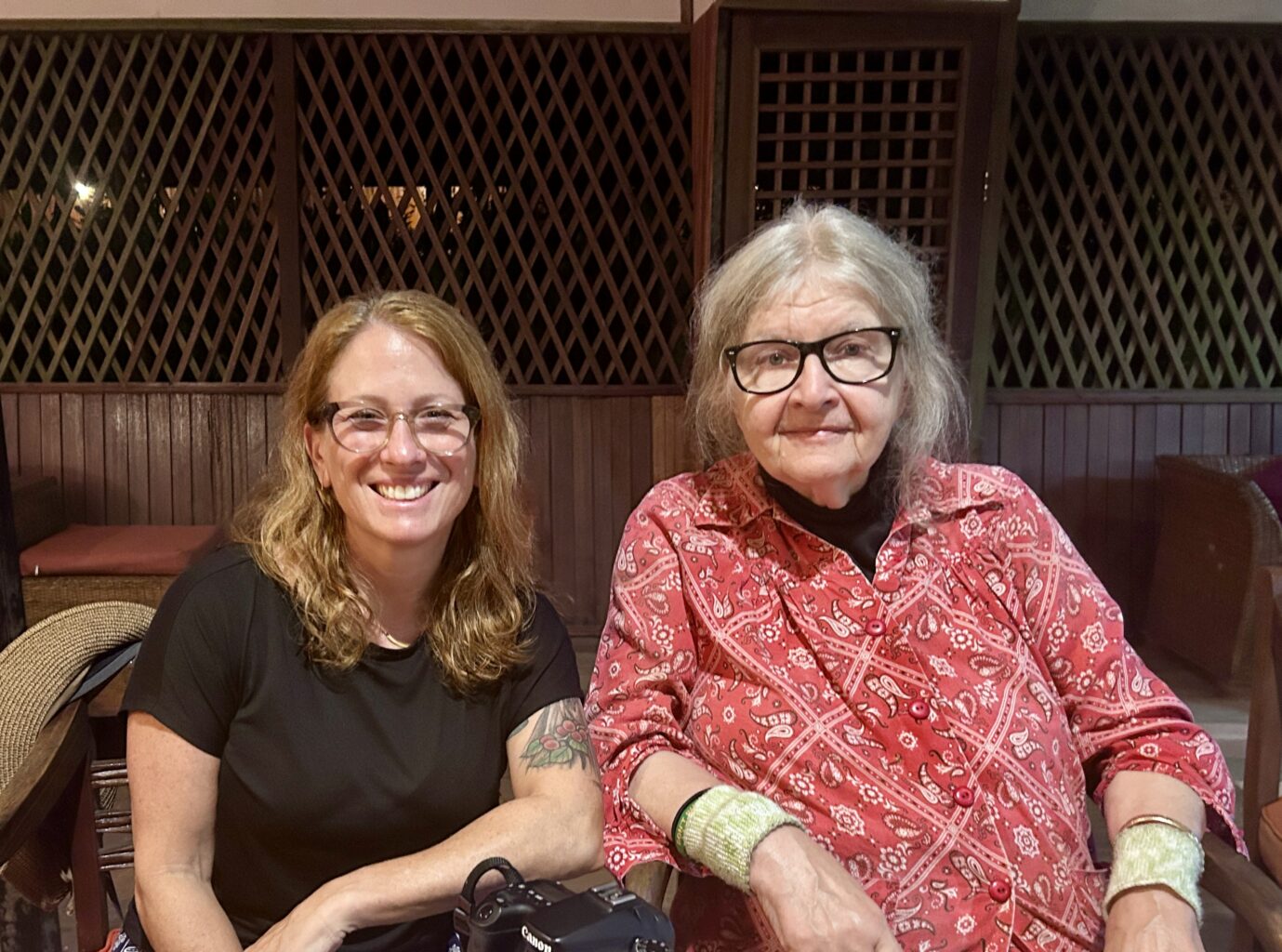
In 2023, The Leakey Foundation organized a trip to Tanjung Puting to visit Camp Leakey and meet Dr. Galdikas for dinner and to see the orangutans she has studied over the past 50 years. That evening, Leakey Foundation Executive Director Sharal Camisa Smith and I sat late into the night with Biruté as she told us stories about how she got to Camp Leakey, the challenges she faced, and how her passion for orangutans will never fade. She reminded us that the next generation of conservation biologists will be critical to continue her legacy of protecting orangutans.
Biruté told us the story of how her work began; how, during her graduate studies at UCLA, she saw paleoanthropologist Louis Leakey give a lecture and went right up to him afterward to tell him she should be funded to start a study on wild orangutans. She knew that he had funded Jane Goodall and Dian Fossey to study chimpanzees and gorillas, respectively, and this was her opportunity to convince him that orangutans deserved the same attention. He told her to meet with him the next day, and she did. She persuaded him to fund her studies on wild orangutans and never turned back.
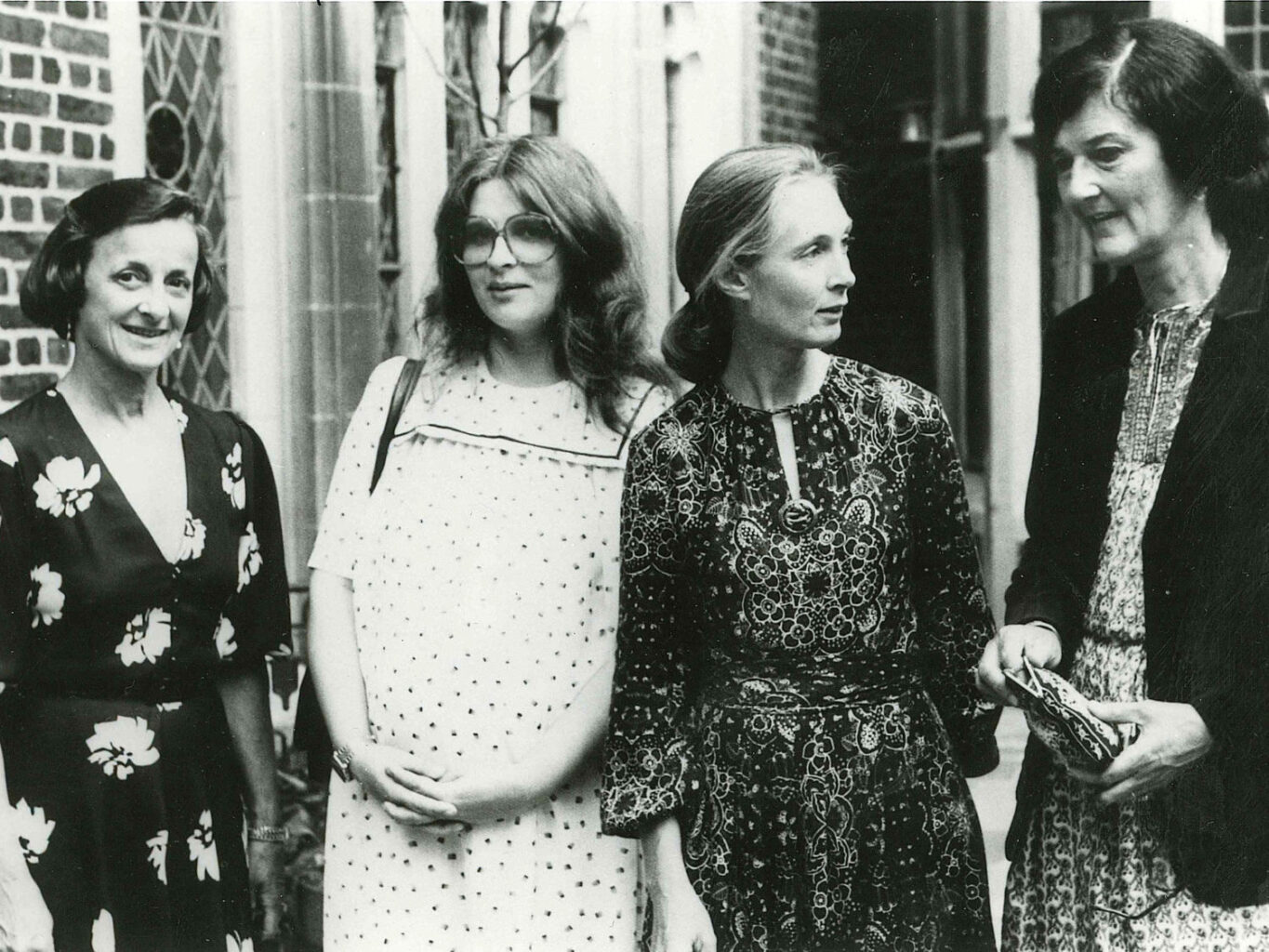
Biruté was part of a remarkable legacy. Alongside Jane Goodall and Dian Fossey, she was one of the “Trimates,” three women selected by Louis Leakey to study the great apes in the wild. Together, they revolutionized primatology, shifting it toward immersive, long-term, observational field studies of a single species. Indeed, so many primatologists followed in their footsteps because they established the importance of long-term research.
Among these giants, Biruté carved a path uniquely her own, defined by patience, endurance, and an unwavering commitment to a species that needed her and to a country she loved. She loved Indonesia so much that she proudly told us that she was an Indonesian citizen.
For over five decades, she remained in the field, continuing her work through political challenges, environmental crises, and the ever-present threats to the forest. Her legacy is written not only in scientific journals but in the forests she helped protect, the animals she helped save, and the countless researchers and conservationists she inspired. She laid the foundations of much of what we know about orangutans.
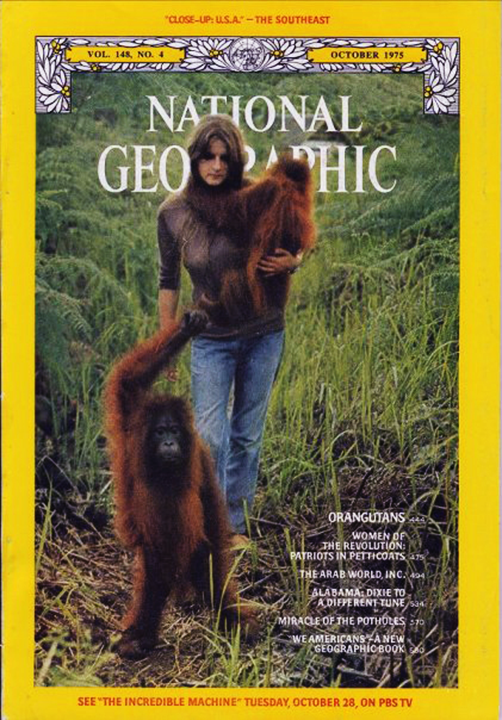
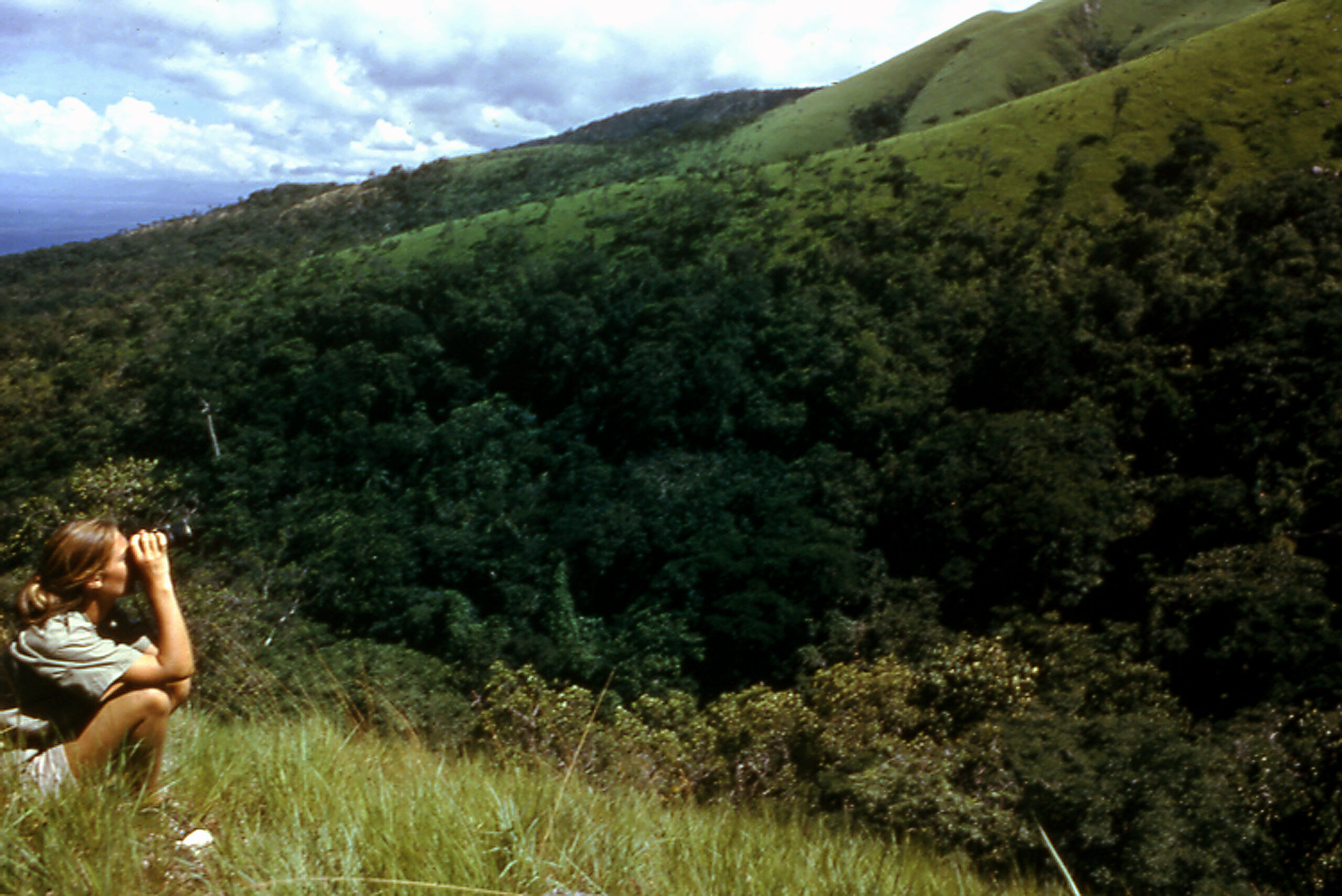
Biruté’s journey began in 1971, when she was 25, and she arrived in what is now Tanjung Puting National Park. At the time, orangutans were the least understood of the great apes. While chimpanzees and gorillas had already captured scientific and public attention, orangutans remained elusive, their behaviors largely undocumented. Biruté changed that. Establishing Camp Leakey, she launched the first long-term study of wild orangutans, work that would span over 50 years and become one of the most important continuous studies of any animal species.
In those early years, she uncovered foundational information about orangutan life. Contrary to prevailing assumptions, orangutans were not as highly social as other great apes. Instead, they lived largely solitary lives, with adult males of two different morphologies (now known as bimaturism) roaming alone, while females formed deep, enduring bonds with their young. She documented their daily routines, how they built intricate nests high in the trees each night, how they foraged on diverse diets across vast forest ranges, and how their diet made them essential seed dispersers in maintaining rainforest ecosystems.
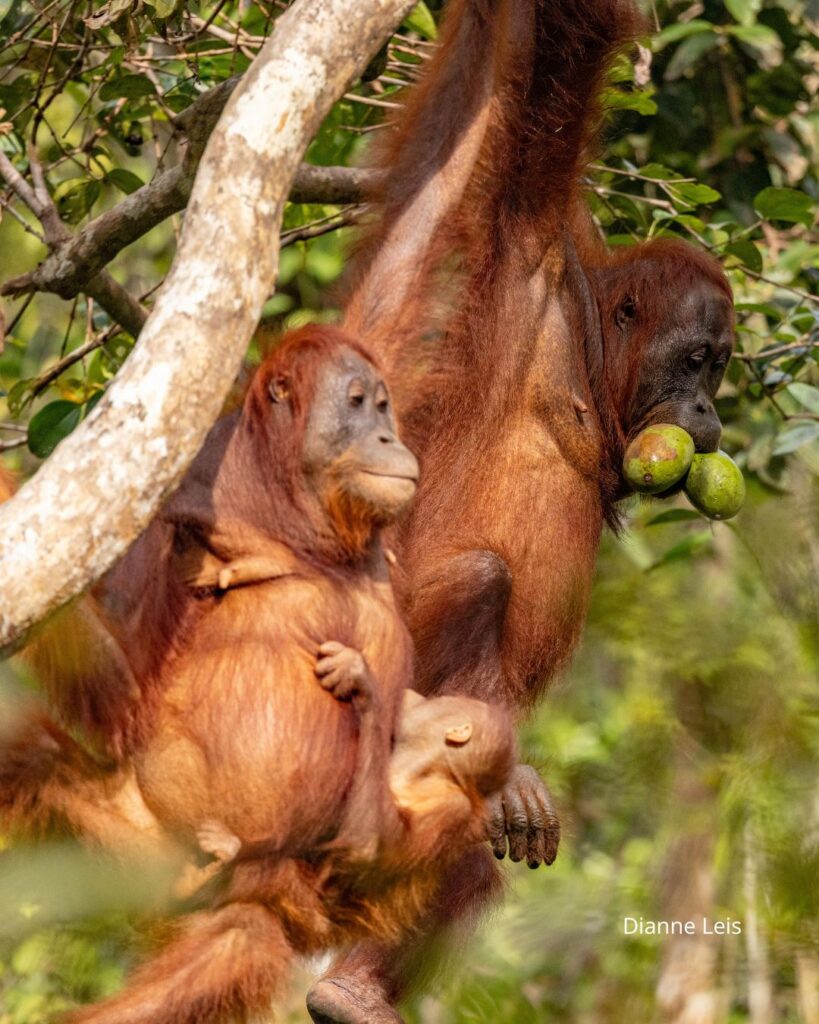
Perhaps one of her most profound discoveries was just how slowly orangutans live and reproduce. With mothers raising a single infant for up to eight years and waiting 8-9 years before having another, orangutans have the slowest reproductive rate of any mammal. This insight carried enormous weight: it revealed just how vulnerable they are to extinction. She showed that their populations cannot quickly recover from habitat loss, hunting, or captivity.
Biruté knew that observational research alone would not save the declining orangutan population. As she witnessed the growing threats of deforestation, illegal wildlife trade, and human encroachment, her role evolved from field biologist to the protector of the animals she had dedicated her life to studying.
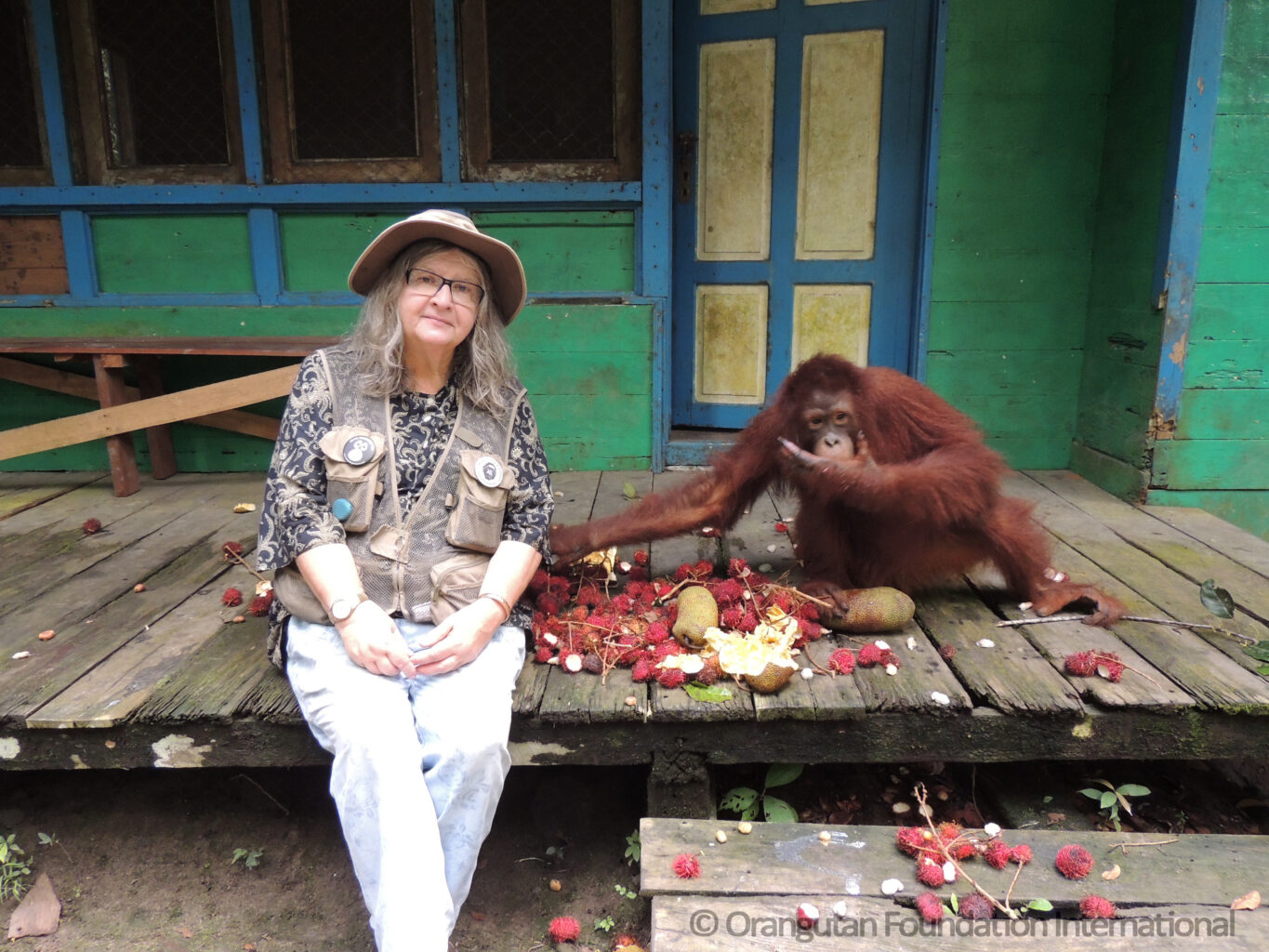
In 1986, she founded Orangutan Foundation International, creating a global platform dedicated to conserving orangutans and their habitat. Through this work, she helped rescue and rehabilitate orphaned orangutans, many taken from the wild as part of the illegal pet trade, and pioneered methods to prepare them for life back in the forest. She was the first to start an orangutan rescue and rehabilitation center with her team and family, paving the way for other NGOs who followed her lead.
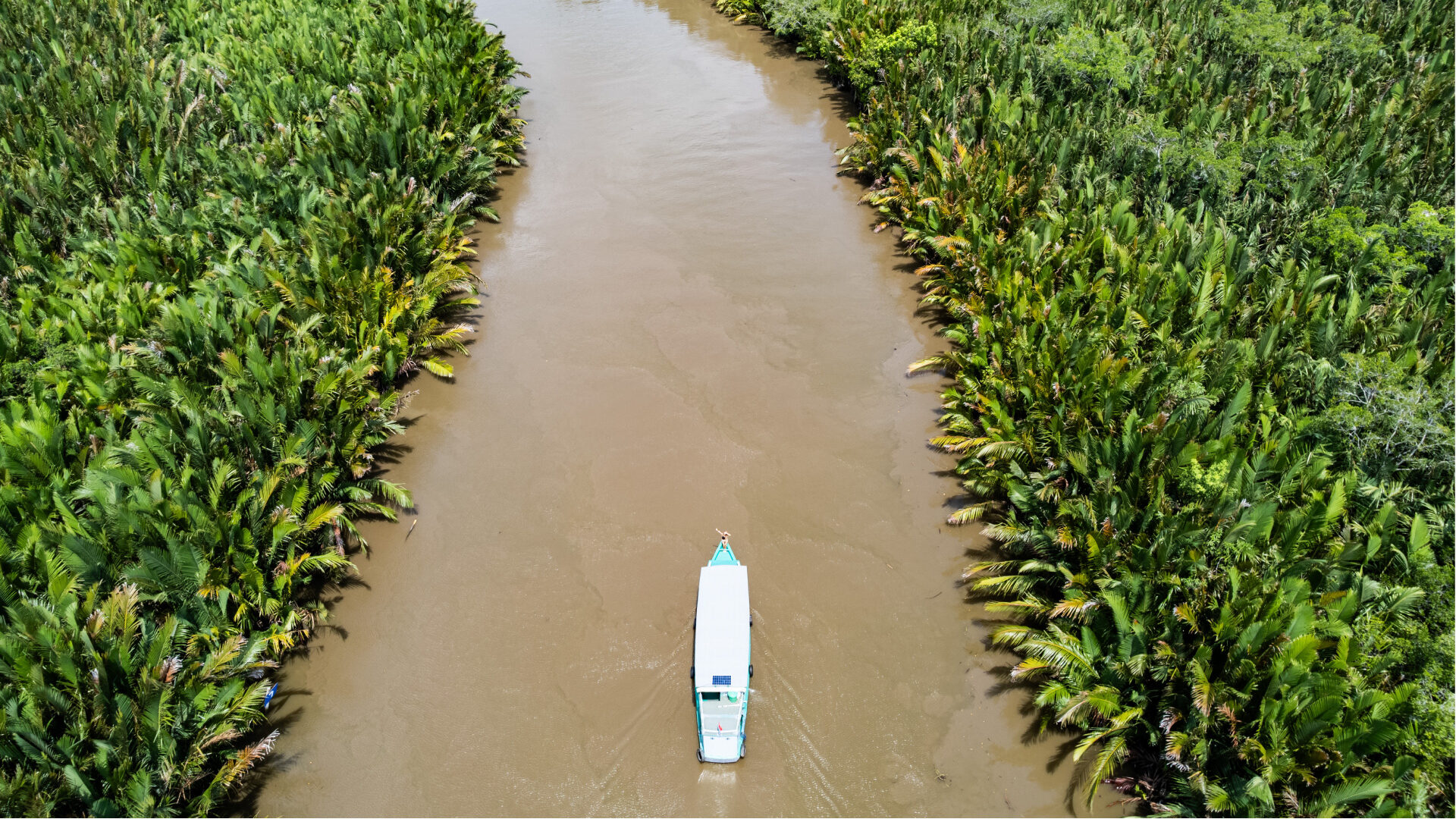
Biruté also played a crucial role in safeguarding the forests themselves. She became a fierce advocate for protecting Tanjung Puting National Park, playing an integral role in its formation and ensuring it remained a refuge for one of the largest populations of wild orangutans.
As palm oil plantations and logging operations expanded across Borneo, her voice was one of the most persistent and urgent calls for conservation. Her nephew, Kissar Odom, told me that Biruté was a hero for the younger generation of Dayak Darat in Tanjung Puting, who stopped consuming and hunting orangutans because of her efforts. He told me “she was the greatest teacher in my life’s journey to understand the existence and role of wild orangutans.”
Odom has followed in his aunt’s footsteps, dedicating his life to protecting orangutans. I first met Odom in 2004 when I started to work at Tuanan Orangutan Research Station, a station he helped establish in 2003. He has now returned to Camp Leakey to help continue his aunt’s life work and dreams. Biruté was a strong advocate for providing training opportunities for young Indonesian students, funding their education and hiring local Indonesians as research and field staff.
When we were visiting Camp Leakey, Indonesian students hurried to meet the legendary Ibu Biruté Galdikas. As I stood with her at the orangutan feeding stations, I witnessed them telling her it was an honor to meet her, and that they want to be primatologists because of her: “Thank you Ibu Biruté,” they all said.
Over time, her work extended far beyond the forest. Through books, lectures, and international collaborations, she brought orangutans into the global spotlight. She helped the world see them as intelligent, emotional beings, capable of learning, culture, and forming deep familial bonds. She showed us that young orangutans learn everything from their mothers, from what to eat to how to survive, in one of the longest interbirth intervals and juvenile dependency periods among mammals.
In remembering Biruté Galdikas, we remember more than a scientist. We remember a guardian of the forest, a voice for the voiceless, and a reminder of what one person’s persistence can achieve. And perhaps most importantly, we remember that her work is not finished. The future of orangutans remains uncertain: all three species are critically endangered, and their survival is still tied to the rainforests they call home.
To honor her legacy is to continue the work she began, to protect, to gain more knowledge, to collaborate with others, and to care. Because of her, the world finally knows the orangutan. And because of her, there is still hope that they will endure.
Biruté is survived by her three children, Frederick, Jane, Binti, and her extended family in Indonesia.

Dr. Erin Vogel is a professor at Rutgers University, a member of The Leakey Foundation’s Scientific Executive Committee, and co-director of the Tuanan Research Station in Borneo. She has been studying primates since 1999 and started her research on orangutans at Tuanan in 2005. Her research at Tuanan primarily focuses on the relationships between diet, health, and physiology in orangutans. She is also interested in patterns of fruiting and tree growth in peat swamp habitats.