
Grantee Spotlight
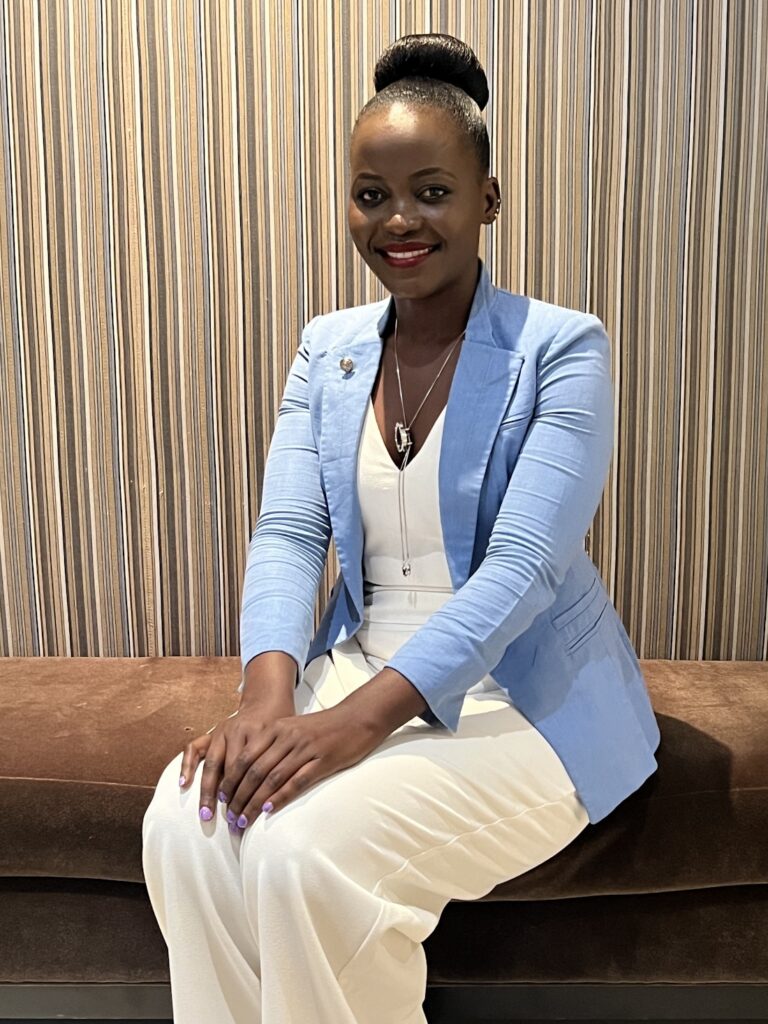
Penina Kadalida is a Leakey Foundation Baldwin Fellow and PhD student at the University of Minnesota, Twin Cities. Penina’s research focuses on how the shape of the human face and skull changes as we age. She integrates comparative anatomy of the living apes and fossil remains, digital imaging, and quantitative analysis to study the factors that influence variation. Her work will help us better understand the biology of aging and how evolutionary history still shapes our lives today.
Outside of research, Penina leads science outreach and academic mentorship for women and students from underrepresented backgrounds. She is the founder of Cradle of Resilience, a nonprofit with a mission to empower girls and women facing adversity by providing comprehensive support, resources, and advocacy to help them overcome challenges and achieve their full potential. She is also the co-founder of the African Paleosciences Student Society.
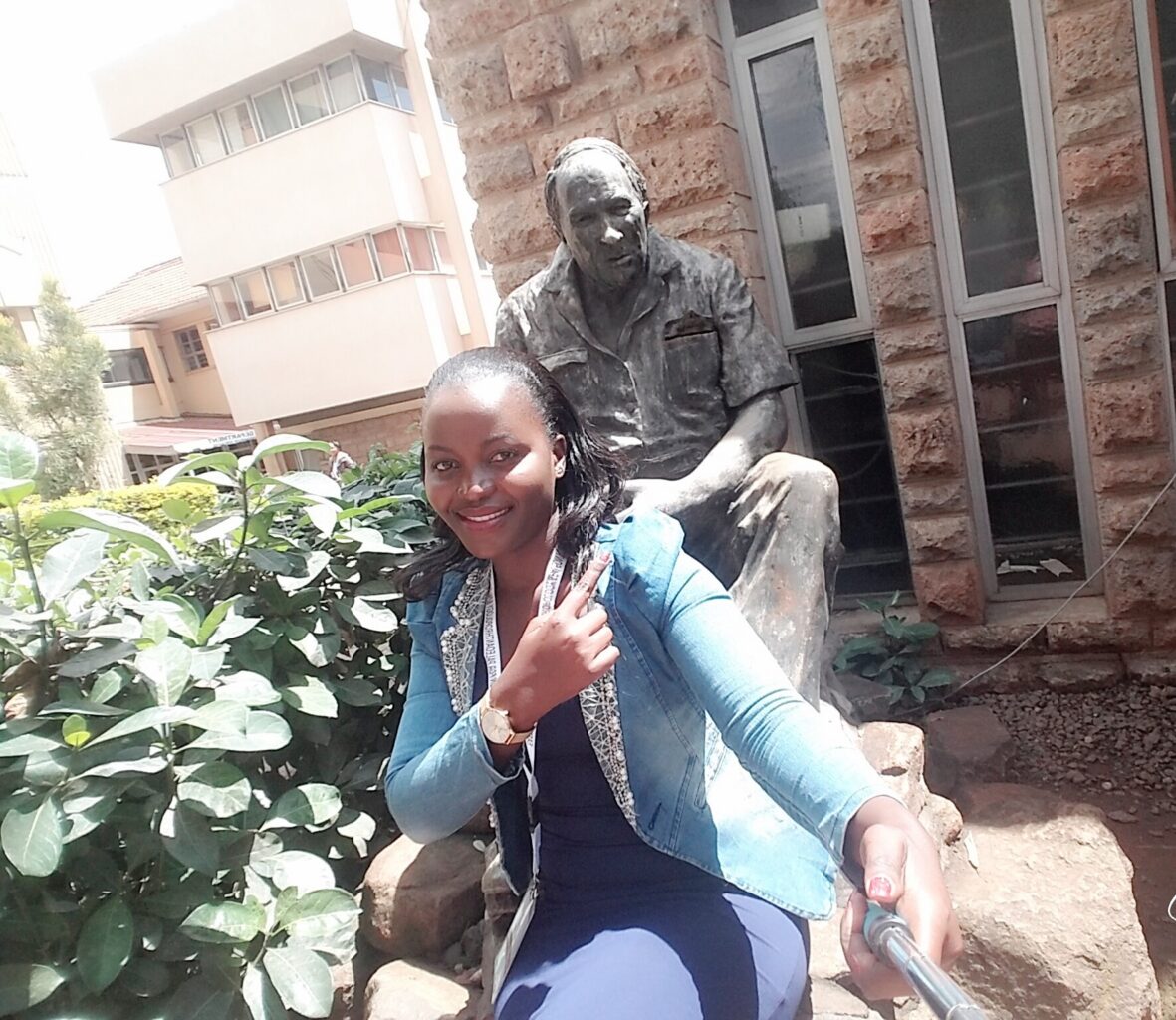
What sparked your interest in human evolution? Was there a specific experience that set you on your path?
I’ve always been curious about how we became human, what makes us who we are, and why we look the way we do. That curiosity turned into a clear calling in 2006, when I was a Form Three student and visited Olduvai Gorge. During that visit, I attended lectures on human evolution, and standing at such a historically significant site while learning about our ancient ancestors, I felt something click. I remember thinking, “This is what I want to do.” That moment marked the beginning of my journey, and I have been deeply engaged in the field ever since.
What questions are you most interested in answering with your research and why?
I am most interested in understanding how the human face and skull continue to change after we reach adulthood, and what these changes can tell us about aging and evolution. My research looks at post-maturational craniofacial variation how the shape of the skull evolves later in life and compares these patterns across modern humans, African apes, and early Homo species. By examining these changes, I hope to uncover what aspects of aging are uniquely human and what we share with our evolutionary relatives. These questions are important because they shed light on the biological and environmental factors that have shaped our species over time.
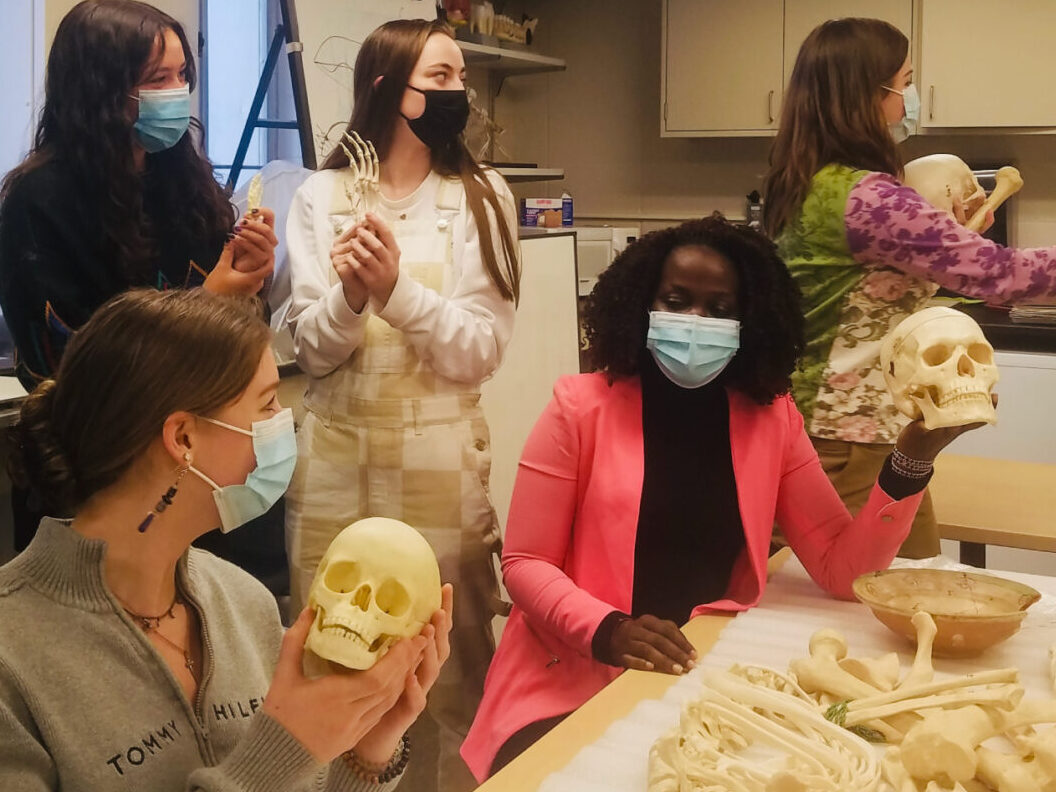
How did you feel when you learned you received a Baldwin Fellowship? What impact will this support have on your life and career?
When I learned that I had received support from The Leakey Foundation, I was overwhelmed with gratitude and relief. As an international PhD student, navigating academic life in the U.S. comes with many challenges‚financial, emotional, and logistical. This grant not only affirmed the value of my research but also gave me the stability and encouragement I needed to continue pursuing my goals.
Support from The Leakey Foundation is making a profound difference in my life and career by allowing me to focus more fully on my research and training. It has opened doors for deeper engagement with the paleoanthropological community and brought me one step closer to contributing meaningful knowledge about our evolutionary past.
What surprising discovery or challenging obstacle have you encountered in your work so far?
One of the most challenging aspects of my work so far has been navigating access to fossil data across different institutions. Coordinating permissions, managing imaging protocols, and ensuring proper documentation requires patience, persistence, and clear communication. It has also been a valuable learning experience in building professional relationships and adapting to delays or changes in access. This challenge has taught me the importance of flexibility and long-term planning in paleoanthropological research, especially when working with rare and fragile specimens.
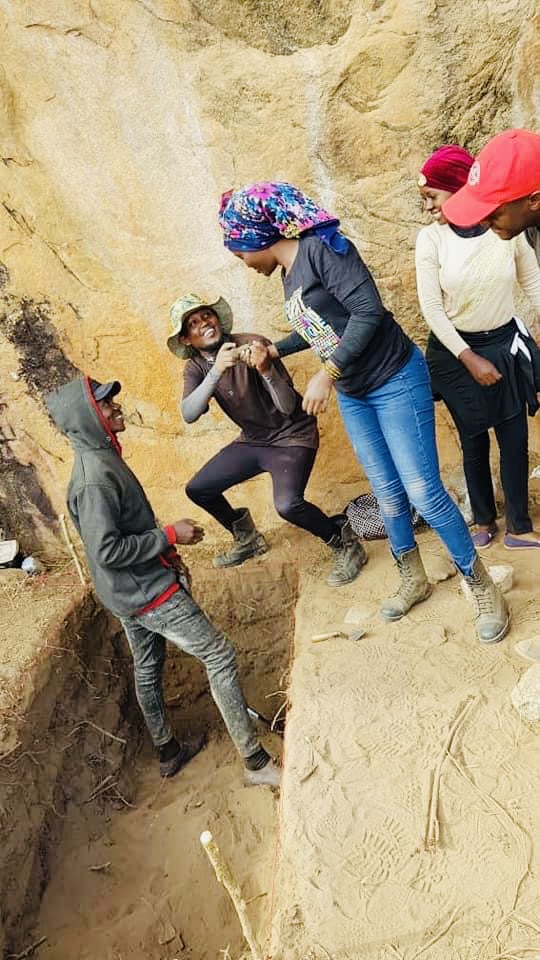
Why should people care about human origins research?
People should care about human origins research because it helps us understand what it means to be human where we come from, how we’ve adapted over time, and what connects us across cultures and generations. This knowledge gives us perspective on everything from health and aging to climate change and social behavior. By studying our evolutionary past, we gain insight into the biological and environmental challenges we’ve overcome, which can inform how we face the challenges of today and tomorrow. Ultimately, human origins research reminds us that we are part of a much larger story one that continues to unfold and one in which we all play a role.
How can research like yours help us understand or solve a significant challenge we face today?
Research in human evolution helps us understand how biological, environmental, and social factors have shaped who we are today and that insight is deeply relevant to the challenges we currently face.
My work, which focuses on craniofacial changes after physical maturity, sheds light on how aging processes vary across species and through time. Understanding these patterns can inform how we think about age-related health issues, resilience, and biological diversity within and across populations. More broadly, evolutionary research reminds us that humans are adaptable and interconnected with other species an important perspective as we address global issues like health disparities, climate change, and the future of human aging.
Is there anything we haven’t asked that you’d like our readers to know about you or your work?
I would like readers to know that my journey into this field hasn’t been easy, but it has been deeply meaningful. Coming from a background where opportunities were limited especially for girls I’ve worked hard to pursue a career in science and contribute to our understanding of human origins.
My research is not just about ancient bones; it’s about telling the story of who we are, where we come from, and how we change over time. By focusing on how the human face and skull continue to change after maturity, my work helps us better understand the biology of aging and how evolutionary history still shapes our lives today. I also hope to inspire other young scholars, especially those from underrepresented communities, to see themselves in science and know that their voices and perspectives matter.
What’s your favorite mind-blowing fact related to human origins, evolution, or your field?
Did you know that our bones don’t stop changing after we reach adulthood? One of my favorite mind-blowing facts is that long after we stop growing, our skeleton continues to remodel subtly shifting in shape and structure as we age. These post-maturational changes can affect everything from bone thickness to curvature, and they vary between individuals, sexes, and even species. It is incredible to realize that our bones are not static structures but living, dynamic records of our biology, behavior, and evolution.