
Grantee Spotlight
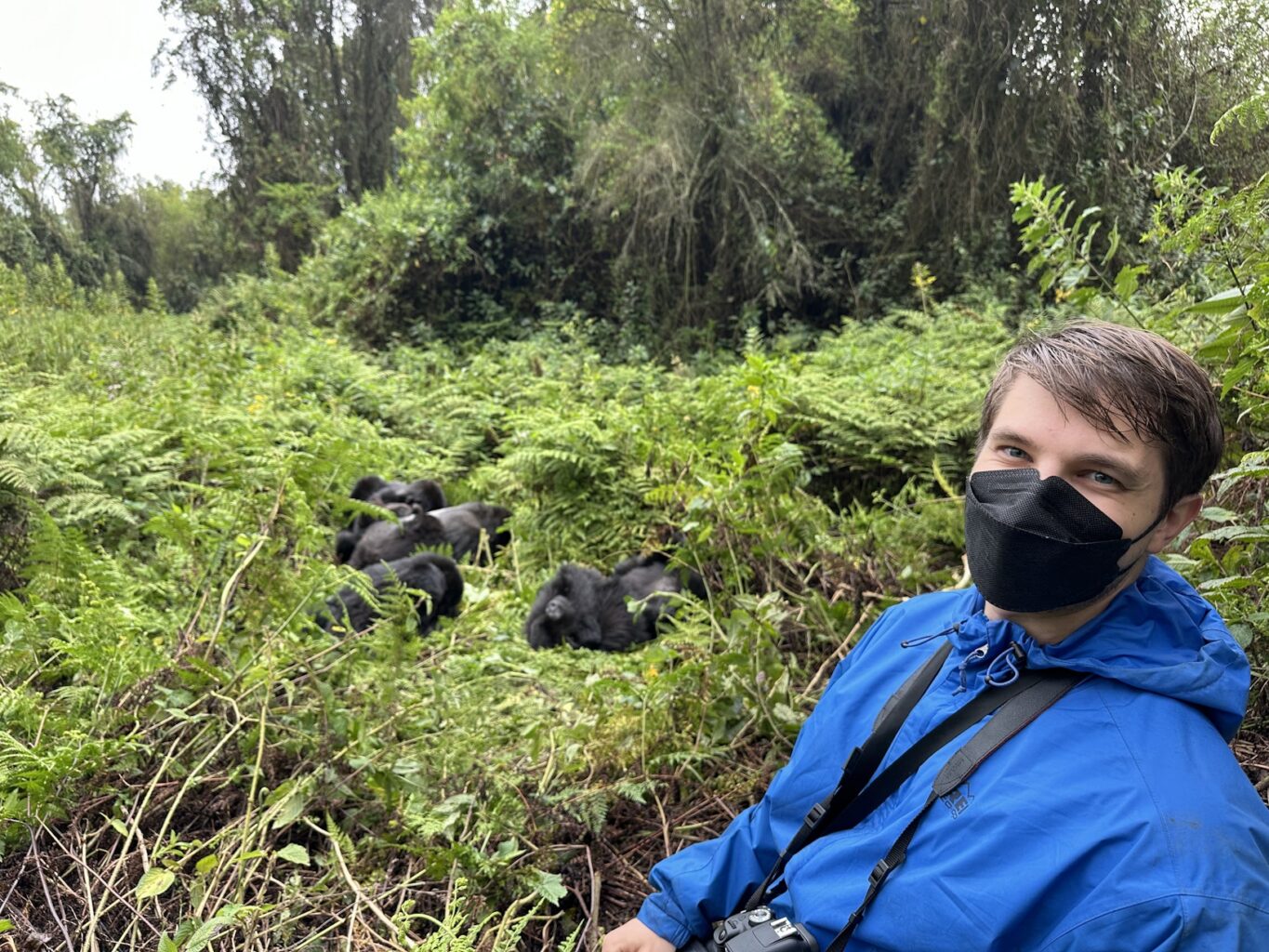
Mountain gorillas are among our closest living relatives, and they exhibit some surprisingly human-like behaviors. One notable example is that male mountain gorillas often care for and protect infants, even when they are not the biological father. For female gorillas, having a male social partner who provides this kind of care might make a meaningful difference in how well their infants do, including whether they survive.
Dominic Mayo is a PhD candidate at the University of Michigan who studies mountain gorillas at the Karisoke Research Center in Rwanda’s Virunga Mountains. His Leakey Foundation-supported research investigates whether female mountain gorillas compete with one another over access to caregiving males. And if so, how does that competition play out?
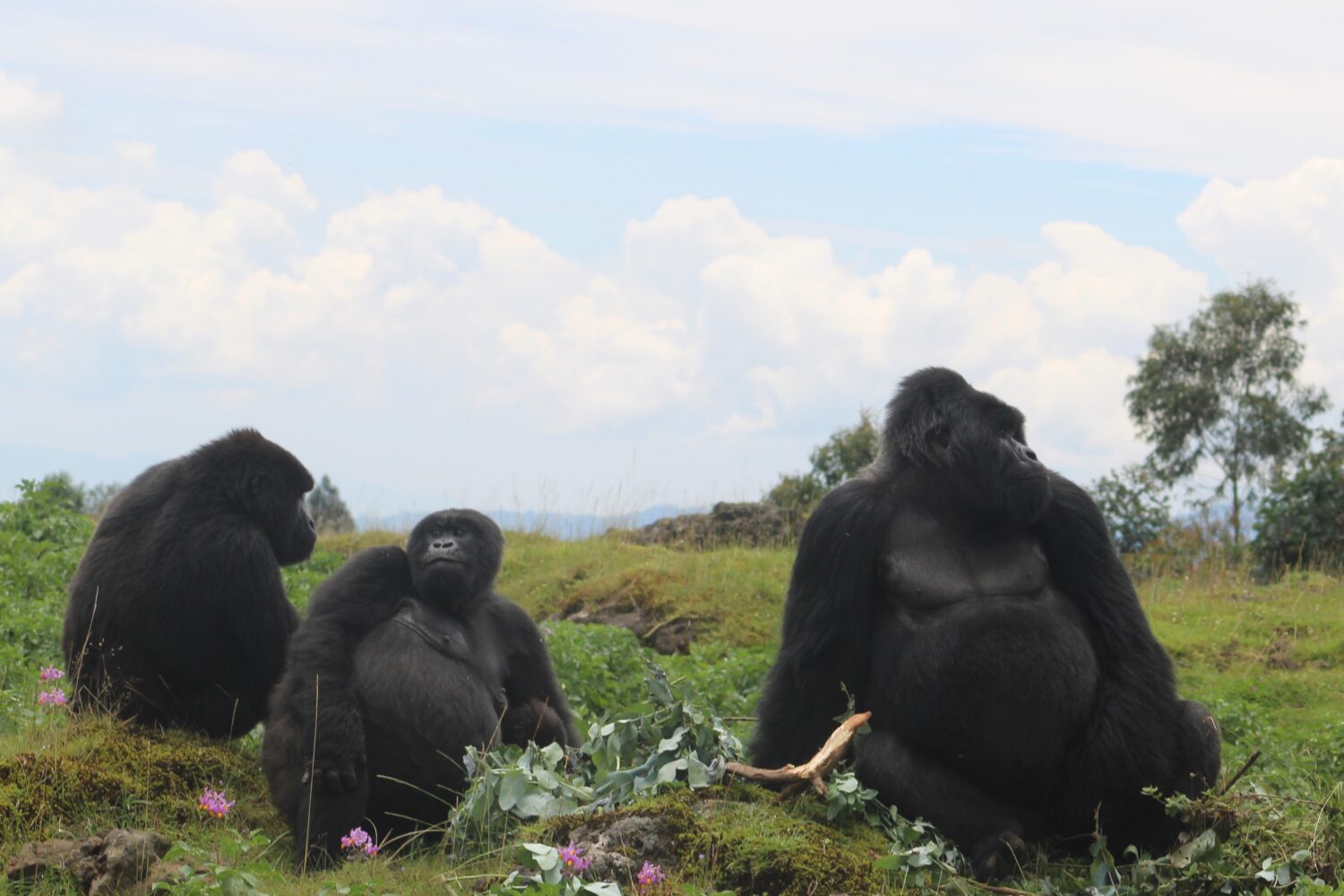
What questions would you like to answer with your research?
Do female gorillas compete for male social partners? What forms does their competition take? What are the benefits? Social partners, or friends, can provide valuable services. Yet the number of preferred friends in a social group is likely limited, as is the time and energy they can devote to providing services. How do social animals manage access to mutual friends?
These questions interest me because they can help to inform our understanding of human origins, biology, and behavior. A simplistic version of evolutionary theory suggests that in mammals like us, males should compete for access to females, not the other way around. However, we know that in humans it is never that simple, and studying similar behaviors in our living relatives can help us understand why.

Gorillas are an interesting species in which to study this topic because, among great apes, only humans and gorillas provide consistent forms of male care. We know, for example, that protection by adult males can decrease the risk of infanticide (killing of infants by other gorillas), which is a major cause of death for young mountain gorillas, and male care might help support infant development.
Previous evidence from mountain gorillas suggests that adult females may compete for space near and for caregiving “services” from adult males. However, we lack critical contextual information about female competitive interactions and their potential benefits for females and infants. My study collects this information and explores dynamics that may have played an important role in the evolution of social systems generally, and female behavior specifically, in human ancestors.
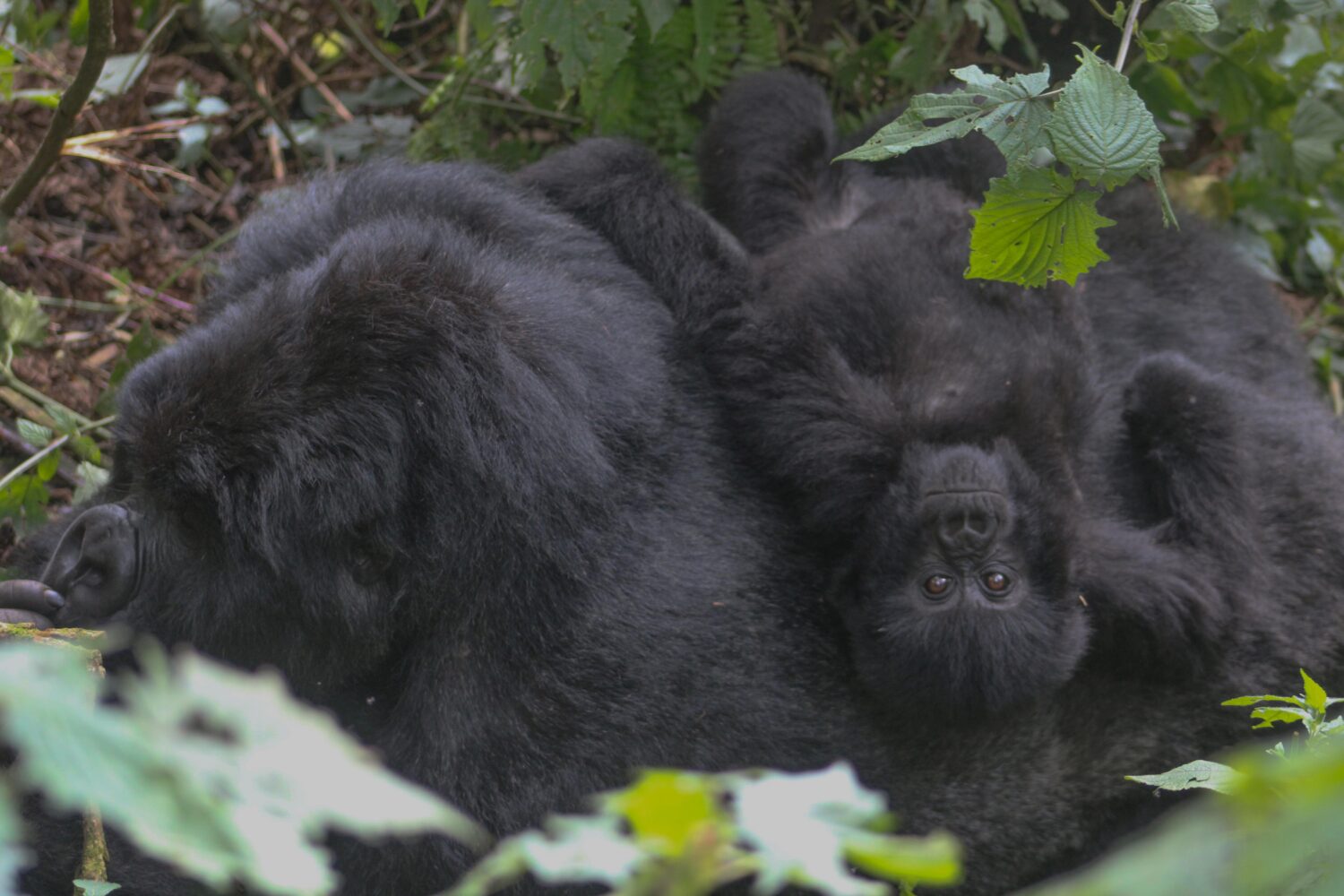
What sparked your interest in studying mountain gorillas?
I have always been interested in science, specifically animal biology and behavior. As a young kid, I watched nature documentaries for hours. One of my favorite books growing up was an animal encyclopedia! Any opportunity I had to learn something new about wildlife and share it with others, I took.
My interests in human origins, biology, and behavior manifested somewhat later in life. I was studying wildlife ecology and conservation in college when I enrolled in a biological anthropology course. The professor recommended a temporary exhibit at the natural history museum about Dian Fossey and her research with mountain gorillas. At that point, I already knew I wanted to pursue a career as a scientist, researching social animals and teaching others about them. The course and the exhibit really inspired me to channel that passion for science towards asking questions about humans and our primate relatives.
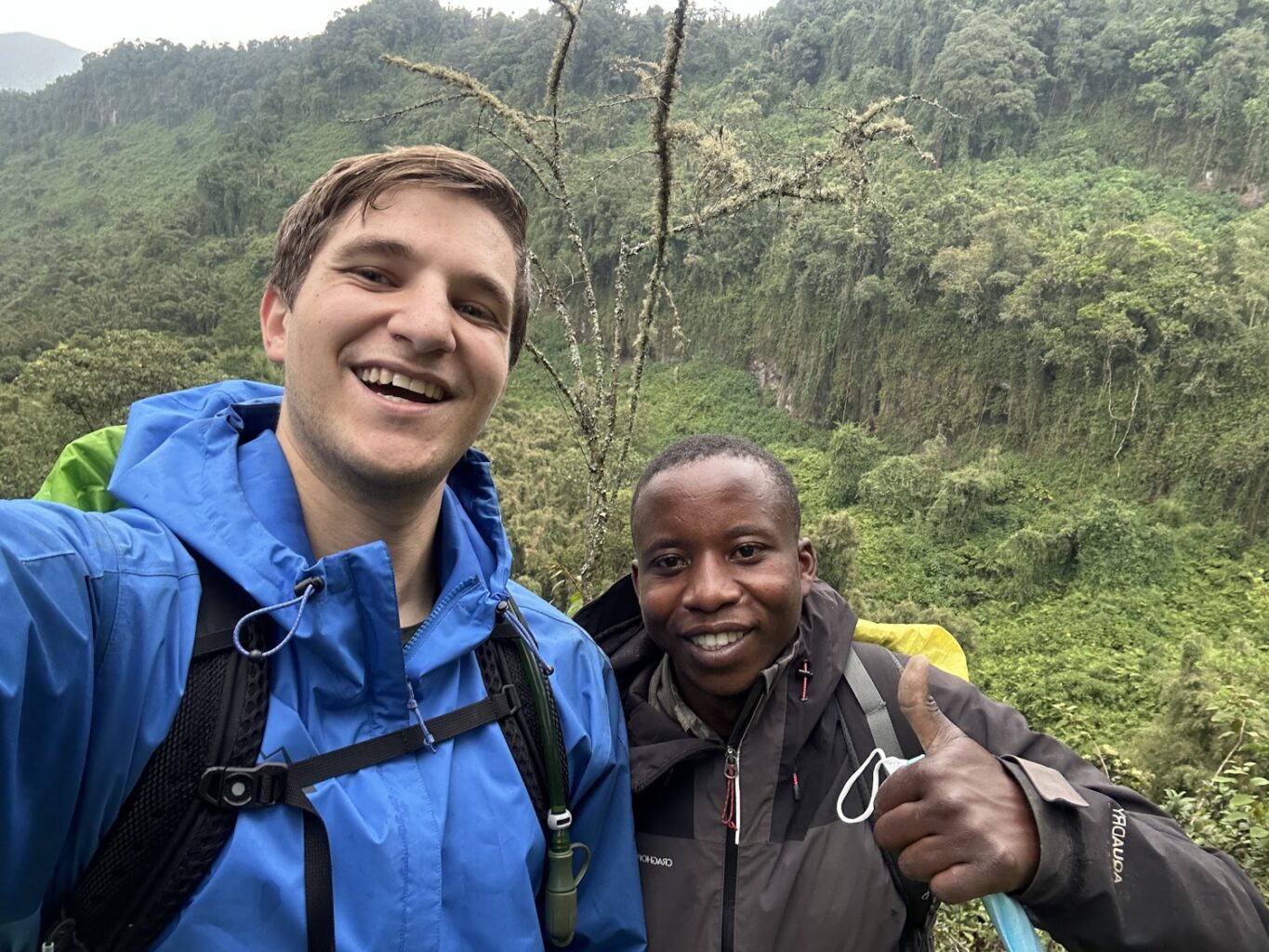
How did you feel when you learned you’d received a Leakey Foundation grant?
Overjoyed. I was actually in the field when I heard! I was taking a break while hiking up a mountain to locate the group of gorillas I was studying that day when I opened my email and received the news. Support from The Leakey Foundation is critical for my dissertation research, and I am incredibly grateful for that opportunity. It takes a big team of people to do this kind of work, and that requires significant financial support.
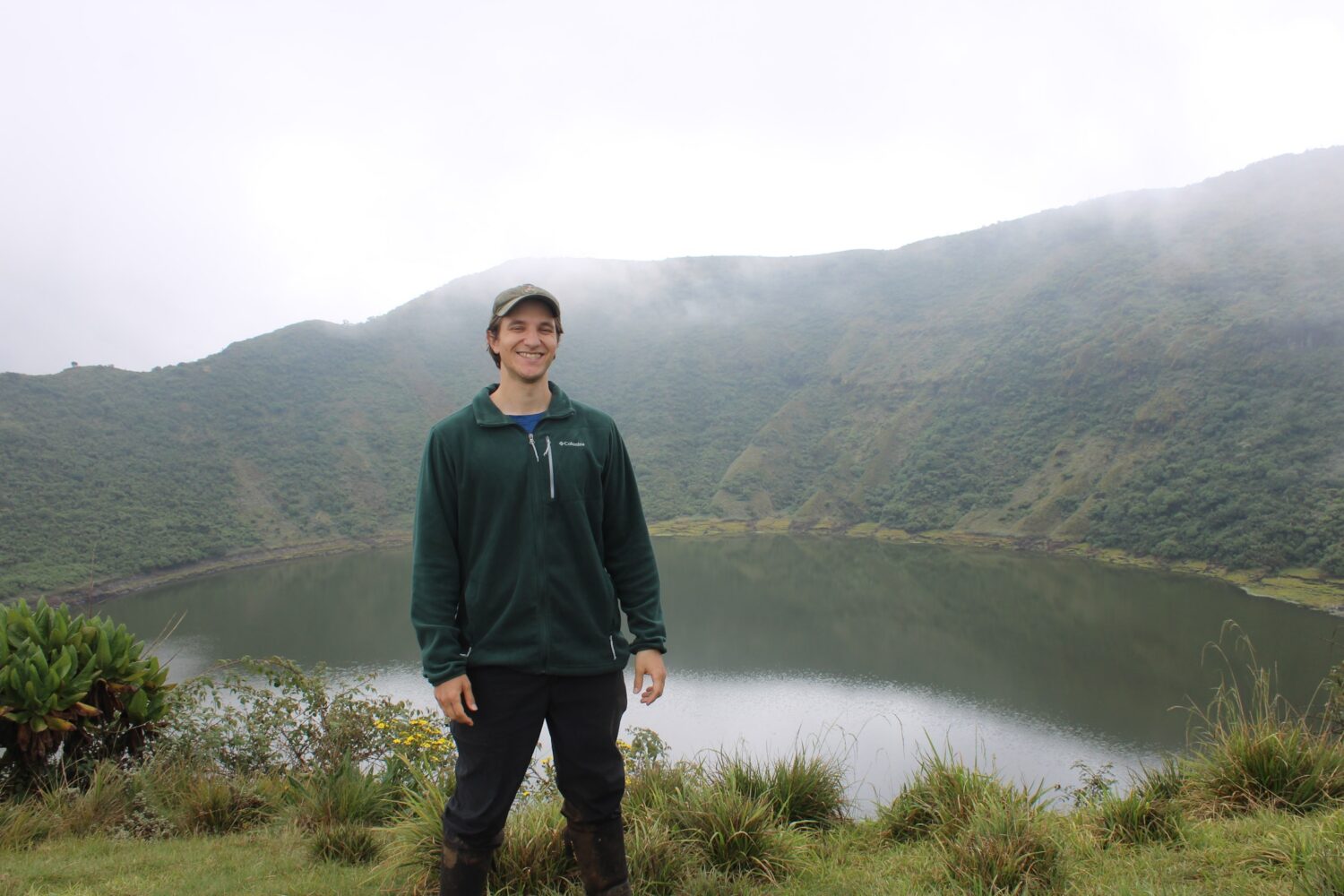
What has surprised or challenged you in your work so far?
Hiking volcanoes. Obviously, I knew mountain gorillas lived in the mountains. However, it was not until I began my fieldwork that I really wrapped my head around the reality of the elevation. I grew up in Florida, in a city 3m above sea level. While in the field, my lodging is 1,850 meters above sea level, and hikes to my study subjects can take me 3,700 meters up! The physical activity in the mountains was initially challenging, though thankfully, it became easier over time. Still, some days can be quite intense!
How does human evolution help us understand the world today?
Investigating the past is valuable to understanding the present and making predictions for the future. Humans face a myriad of challenges today that, in part, have roots in our evolutionary history. Studies of other primates provide valuable context for our understanding of human origins. Behavior does not fossilize, but living nonhuman primates can provide important clues about how primate social dynamics emerged and changed, and what selection pressures generated these changes. Human origins research creates opportunities for us to explore our past in diverse ways, which in turn helps us better understand what it means to be human today.
Is there anything else you’d like to share?
There is a new movie released on April 17th on Netflix called A Gorilla Story: Told by David Attenborough. It follows the lives of mountain gorillas in the historic Pablo group, which includes descendants of gorillas studied by Dian Fossey. These gorillas are also part of my Leakey-supported research project! And, if you want to learn more about mountain gorillas and the critical work being done to protect them, go to gorillafund.org and follow @savinggorillas on Facebook and Instagram.