
Research Highlights
Each month, we publish a roundup of new human origins research supported by Leakey Foundation grants. This is the science your support makes possible.
This is our first edition, and we’d love to hear what you think.
PRIMATE BEHAVIOR • OPEN ACCESS
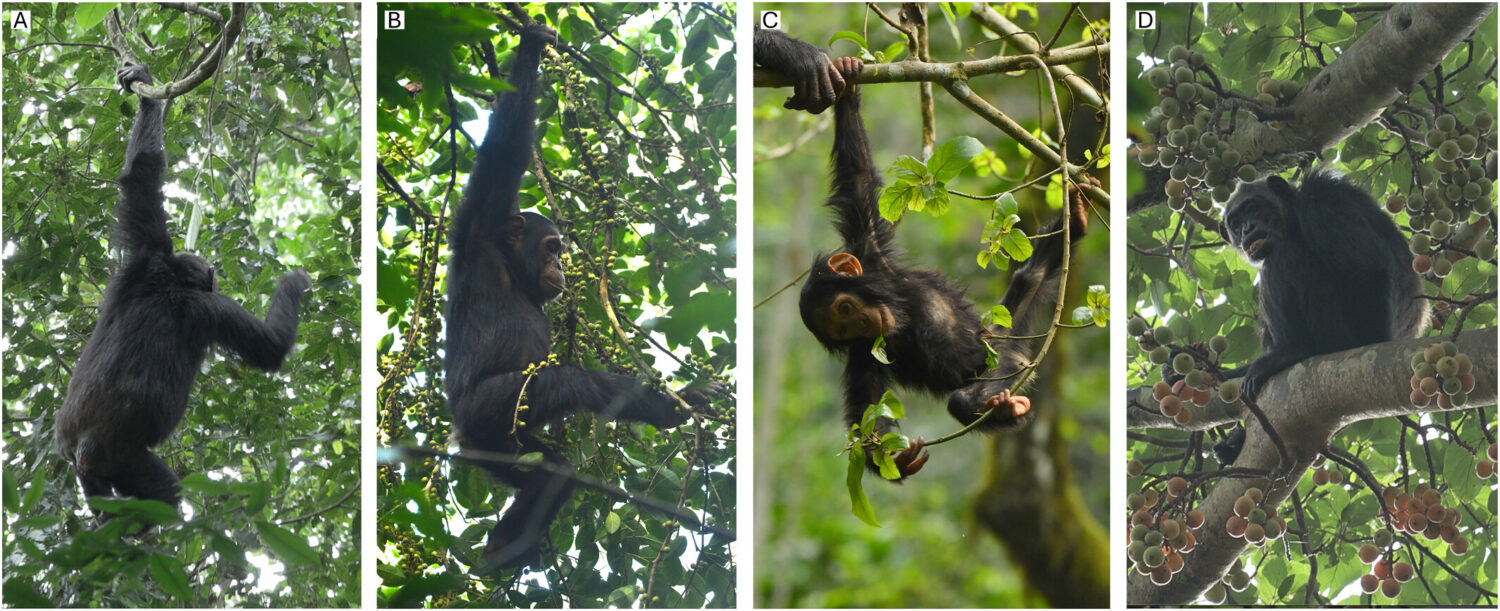
Feeding in Forest Chimpanzees: Do Food Type and Canopy Location Predict Positional Behavior?
Laura MacLatchy, Sharifah Namaganda, Lauren Sarringhaus
American Journal of Biological Anthropology, February 2026
Researchers collected data on chimpanzee feeding behavior over 10 months on 103 chimpanzees from Ngogo, Kibale Forest, Uganda. They examined whether the type of food, its location in the canopy, and the age of the chimpanzee predicts how chimps position their bodies while eating, connecting diet to locomotion in our closest living relatives. Branch size and number, and tree size and species were also examined.
HUMAN EVOLUTION
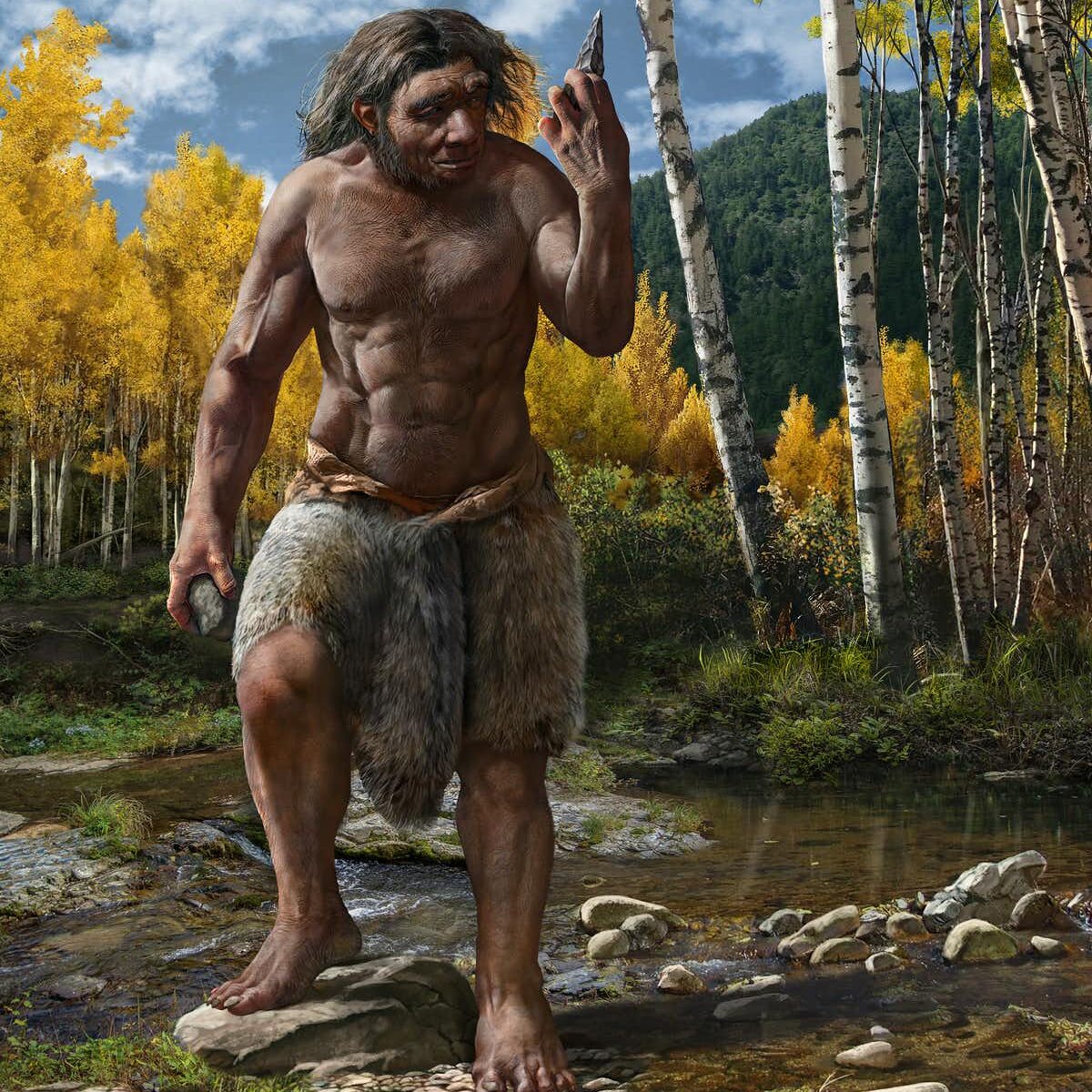
Palaeoanthropological evidence from China is changing the picture of hominin evolutionary history
Shi-Xia Yang, María Martinón-Torres, Michael Petraglia
Nature Ecology & Evolution, February 2026
A review of recent discoveries in China indicate that eastern Asia had an important role in the evolutionary history of the genus Homo over the past 2 million years. In this paper, the authors synthesize evidence that complicates traditional narratives of hominin dispersal and adaptation, making the case that China’s paleoanthropological record deserves a more central place in the story of human evolution.
HUMAN LIFE HISTORY • OPEN ACCESS
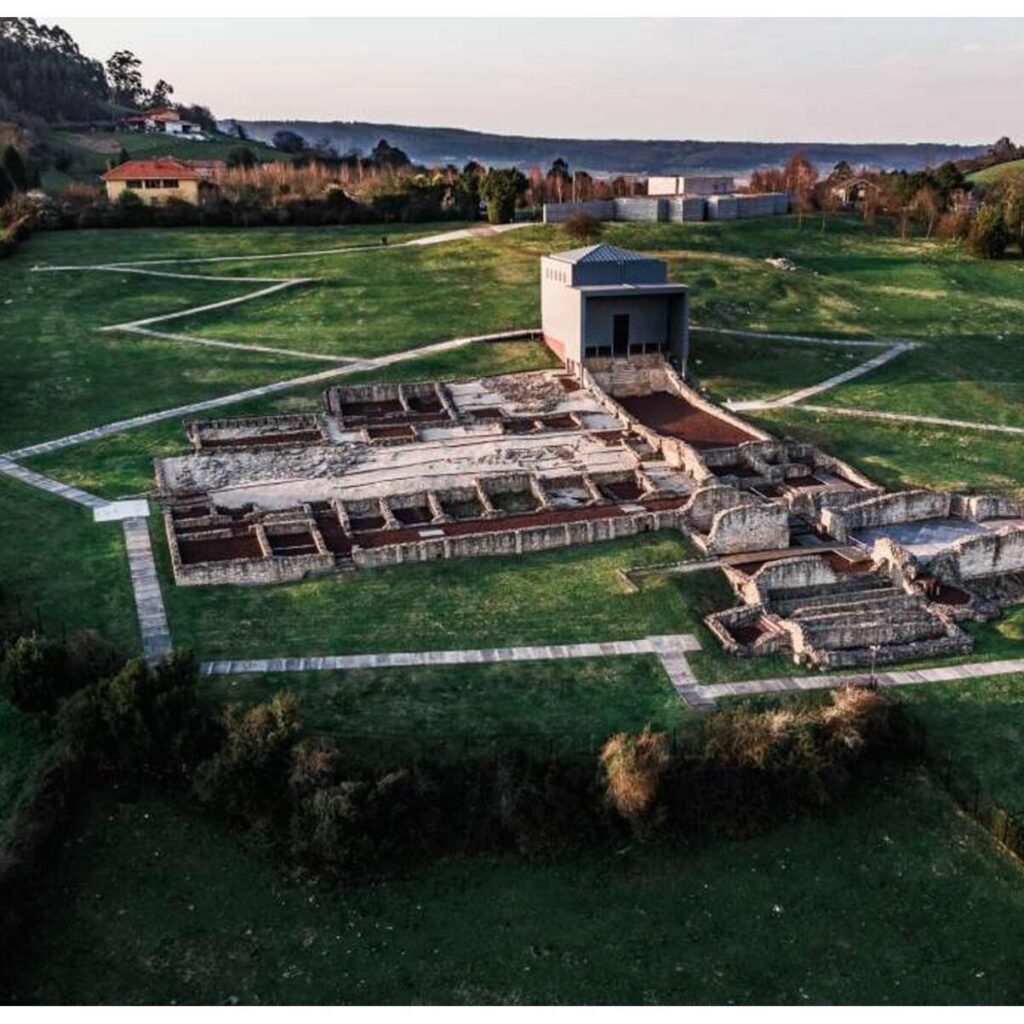
Puberty in medieval Veranes: Embracing all adolescent skeletons for a more complete picture
Danielle M. Doe, Josefina Rascón Pérez, Nieves Candelas González, Oscar Cambra-Moo, Armando González Martín
Journal of Archaeological Science: Reports, February 2026
A study of adolescent skeletons from the medieval archaeological site of Veranes in Spain takes a more inclusive approach to understanding puberty in past populations. Rather than focusing only on the best-preserved remains, the researchers analyzed all available adolescent skeletons, producing a fuller picture of how young people grew and developed centuries ago.
HUMAN EVOLUTION
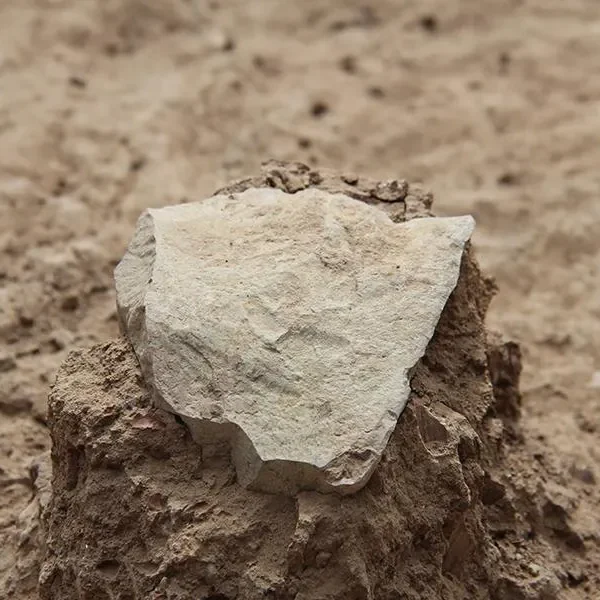
The Late Pliocene to Early Pleistocene Lomekwi faunas, West Turkana, Kenya
Denis Geraads, René Bobe, Thomas A. Püschel, Carol V. Ward, J. Michael Plavcan, Fredrick Kyalo Manthi
Quaternary International, February 2026
A new analysis of fossils from Lomekwi in western Kenya, a site best known for Kenyanthropus platyops and the oldest known stone tools, has identified 85 vertebrate species spanning roughly 3.6 to 2.2 million years ago. The findings paint a detailed picture of the world early hominins lived in: landscapes shared with vast herds of hoofed animals, diverse carnivores, and giant crocodiles as apex predators. The work also helps refine the timeline of the site and adds to a growing body of evidence that the gelada relative Theropithecus was a consistent neighbor of early hominins across multiple African sites.
HUMAN LIFE HISTORY • HUMAN HEALTH • OPEN ACCESS
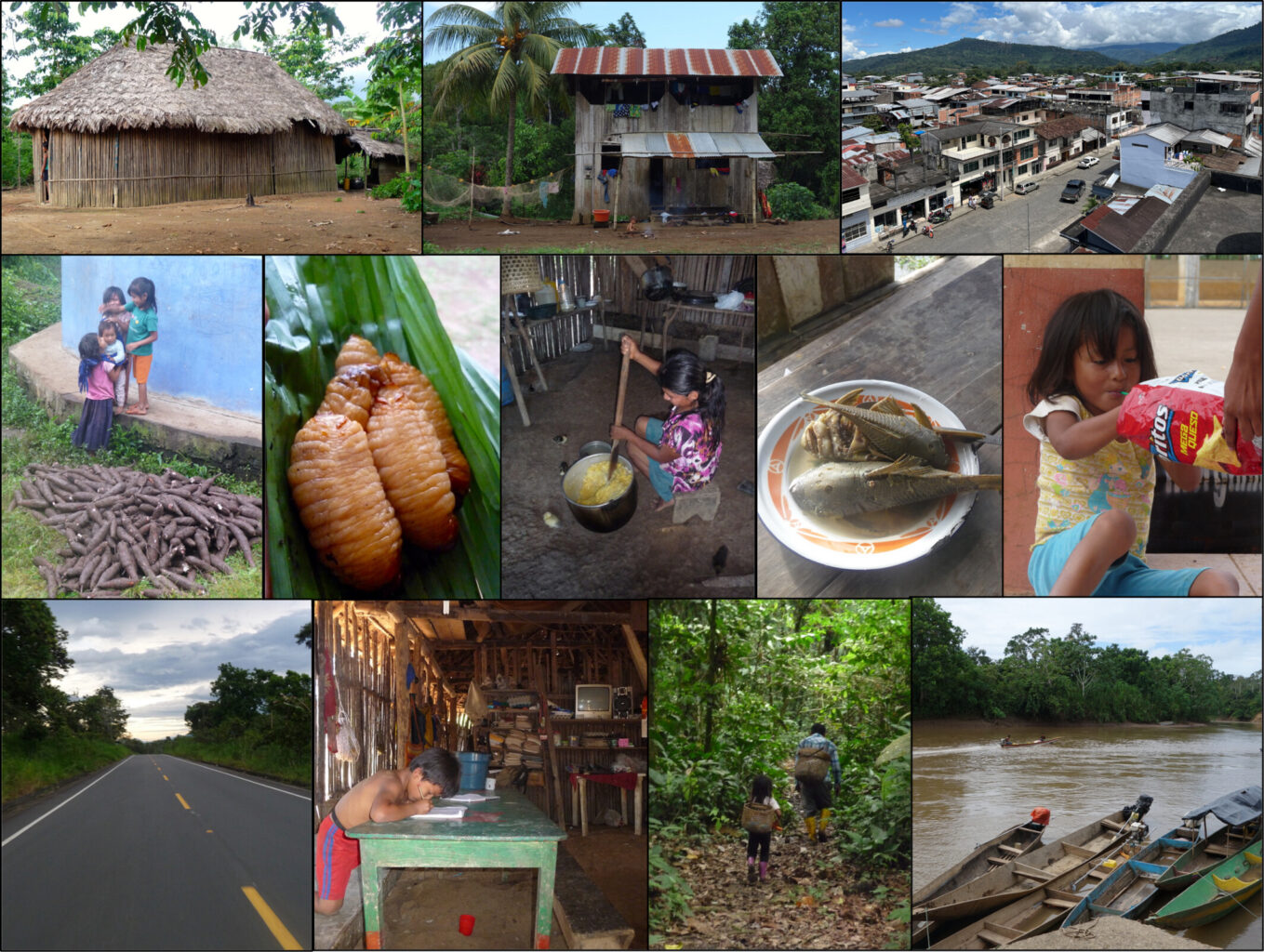
The Shuar Health and Life History Project: Overview at 20 Years
Samuel S. Urlacher, Theresa E. Gildner, Lawrence S. Sugiyama
American Journal of Human Biology, February 2026
For twenty years, researchers have been working with the Indigenous Shuar people of Amazonian Ecuador to understand how changes in diet, lifestyle, and market integration affect health across a lifetime. The Shuar Health and Life History Project draws on more than 3,500 participants to explore questions ranging from how the body allocates energy between competing demands to the evolutionary roots of human social behavior. This special issue brings together ten studies from the project, offering a window into how one of the longest-running Indigenous health research collaborations is shaping our understanding of human biology.
MORPHOLOGY
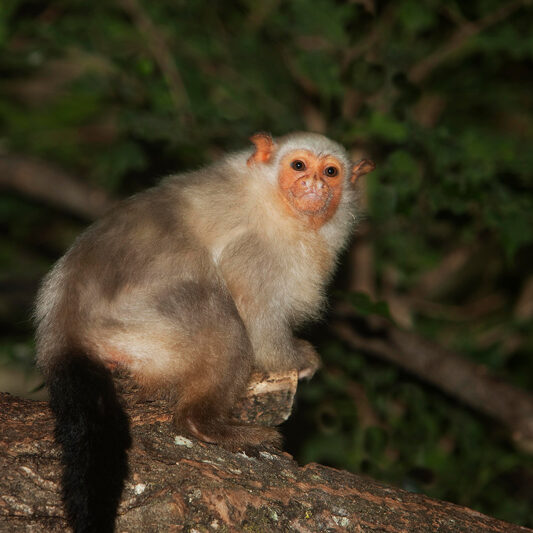
Allometry and Evolution of Neurocranial Narrowness Across Nonhuman Anthropoid Primates
Isabel J. Mormile, Christopher J. Percival, James B. Rossie
American Journal of Biological Anthropology, February 2026
Some primates have notably narrow braincases relative to their body size, and this study asked why. The researchers found that body size and skull shape don’t scale the same way across all primate groups, with small-bodied monkeys, particularly callitrichines and female cebines, showing especially narrow braincases that size alone can’t explain. Feeding adaptations and brain size may contribute to the variation, though the pattern differs across lineages.
MORPHOLOGY
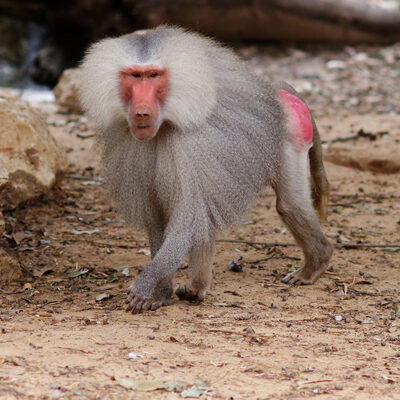
Selection for a secondary sexual trait in male hamadryas baboons
Katarina D Evans, W Scott McGraw, Larissa Swedell
Zoological Journal of the Linnean Society, February 2026
Male hamadryas baboons are known for the striking pink patches of skin on their hindquarters, but scientists weren’t sure what role those patches played in reproductive success. A new study of wild baboons in Ethiopia finds that males with larger patches tend to have more females in their social units and produce more offspring, providing the first evidence that the trait evolved through sexual selection.
Someone like you funded this research!
This research was made possible by generous Leakey Foundation supporters.
Donate now to help fund the next big discovery! Your gift will be matched.