

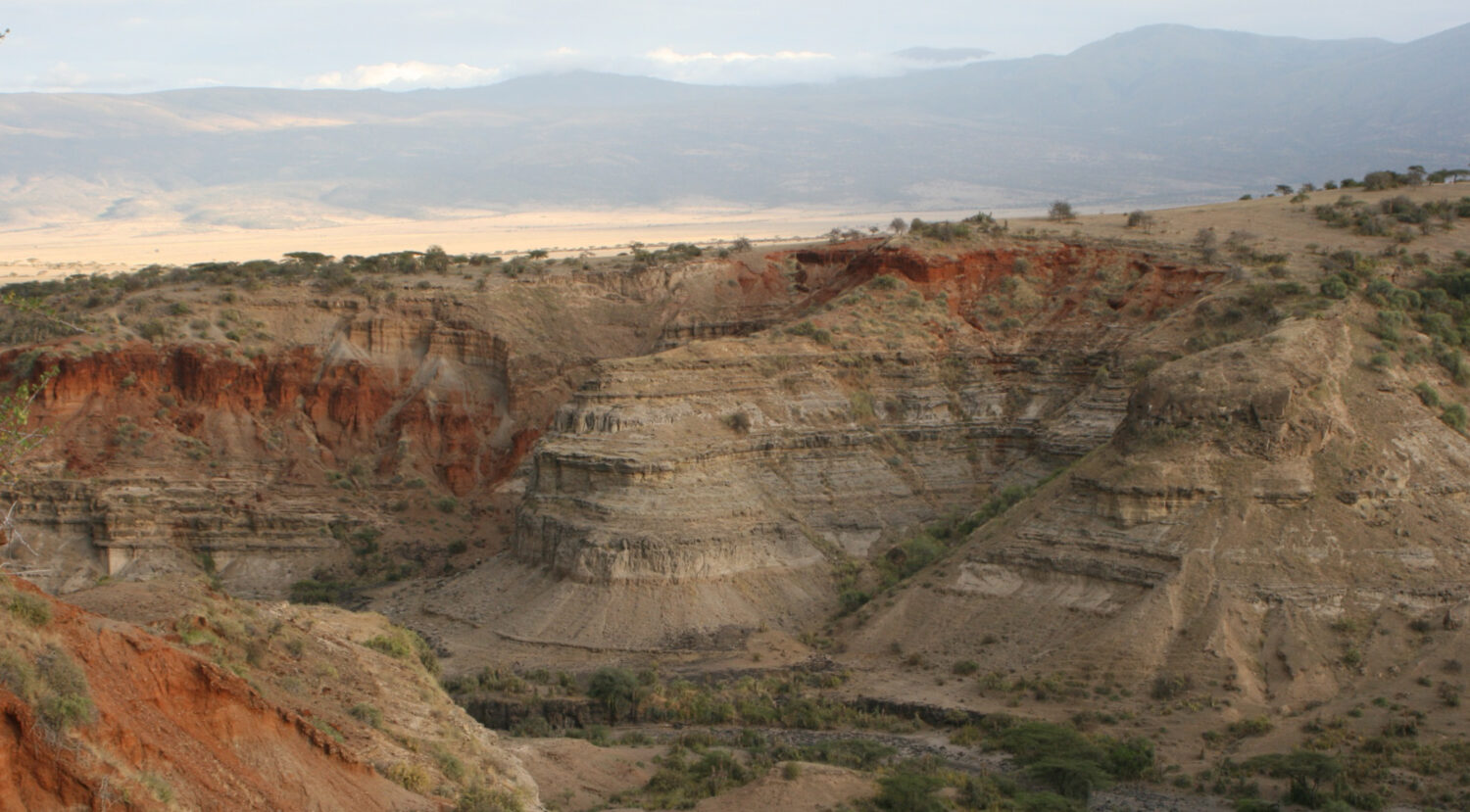
Oral History of Human Origins Research
The Oral History of Human Origins Research is a growing collection of interviews intended to preserve the personal stories of the people who shape our understanding of human origins, evolution, and behavior. These firsthand accounts are an essential part of scientific history that’s often missing from formal publications.
By sharing these stories, we aim to reveal the human element behind scientific discoveries and inspire future generations of researchers.
Oral History Archive
Explore the Oral History of Human Origins Research. This collection includes videos, transcripts, narrative supplements, and short highlight videos for use by teachers or online learners.
This project is led by Bernard Wood with Alexis Uluutku.
Koobi Fora
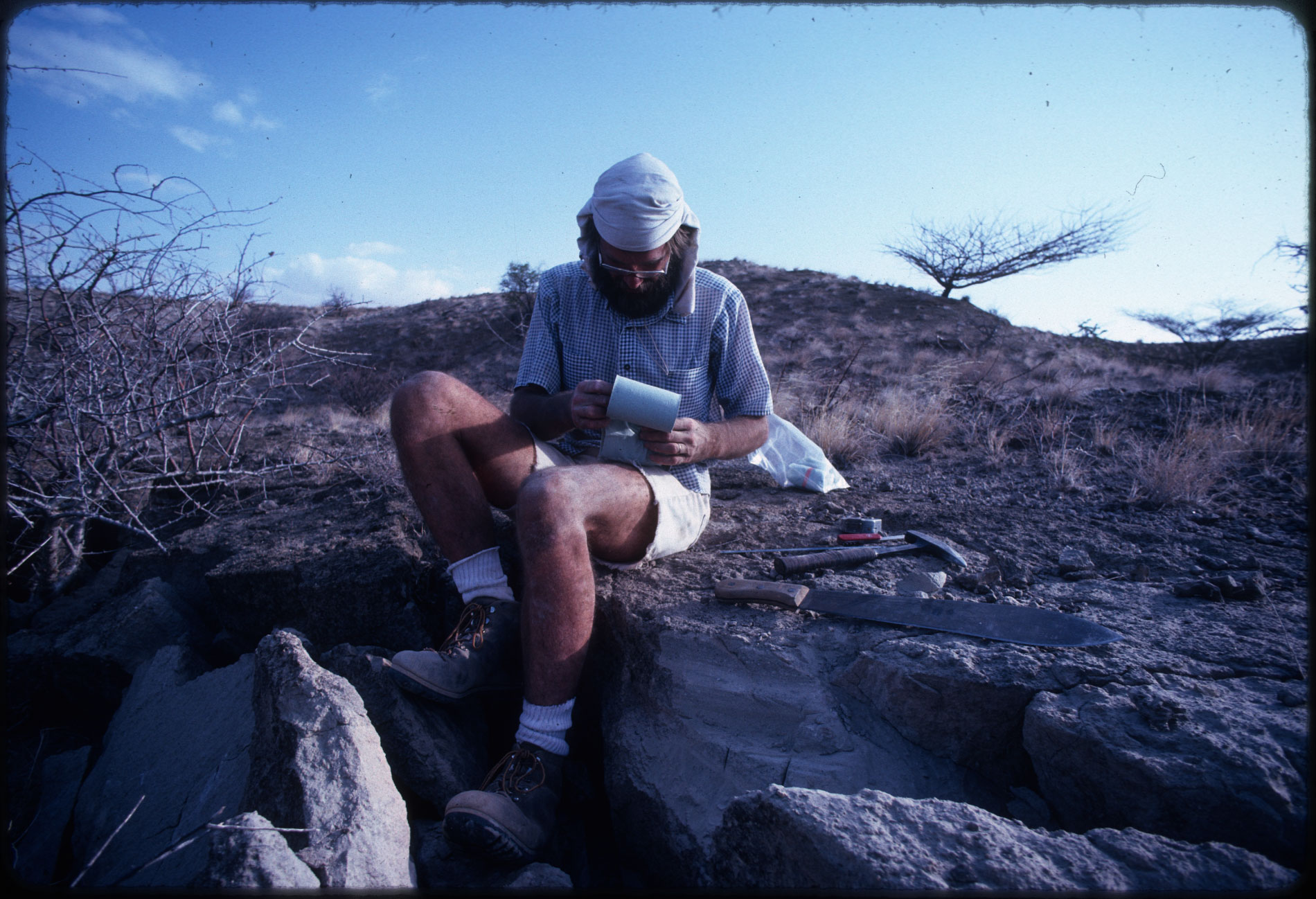
At the end of the 1967 field season, Richard Leakey decided to abandon his participation in the International (i.e., France, Kenya and the US) Omo Research Expedition (IORE) based in Ethiopia, to explore the southern extension of those sediments that are exposed on the eastern shore of what was then called Lake Rudolf in northern Kenya.
The consequences of that decision have been set out in print elsewhere (Harris et al., 2006; Pilbeam and Wood, 2025) and Richard’s own story has been captured in several documentaries.
Sadly, many of those who participated in the early years of what became known as the East Rudolf Research Project (ERRP) are no longer alive.
However, three who are, Kay Behrensmeyer, Thure Cerling and Bernard Wood, met recently in Washington DC to share the very different ways they each became involved in the ERRP, and their individual and shared experiences once they were involved.
Fields of study: Paleoanthropology, Geology
Participants: Kay Behrensmeyer, Thure Cerling, Bernard Wood
Components: Video, Transcript

Leslie Aiello
Leslie Aiello followed up a distinguished career as a biological anthropologist by serving as President of the Wenner-Gren Foundation for Anthropological Research. Aiello’s research spanned evolutionary theory, life history, and the evolution of the brain and cognition. She is best known for her focus on how the exigencies of energy constrained the evolutionary options of hominins, resulting in hypotheses that continue to influence researchers today. Throughout her time in academia, Aiello excelled as a teacher of both undergraduates and graduates.
Aiello’s research interests⎯initially focused on allometry and later energetics⎯played to her strengths in quantitative analysis. Particularly notable was her collaboration with Peter Wheeler to develop the ‘Expensive Tissue Hypothesis,’ which suggested the substantial energetic costs of brain enlargement were partly ‘paid for’ by a concomitant reduction in the size of another ‘expensive tissue,’ the gut. Aiello and Wheeler argued that a reduction in gut size would only have been possible if hominins had access to less bulky and higher-quality foods that required less physical processing by the teeth and jaws, and less chemical and physical processing in the gut.
Aiello’s long-standing interest in pedagogy was also expressed in her being the co-author, along with Christopher Dean, of the influential and ground-breaking An Introduction to Human Evolutionary Anatomy that provided detailed explanations of the morphology unique to extinct hominins.
Field of study: Biological Anthropology
Interviewer: Bernard Wood
Components: Video, Transcript, Narrative Supplement, Curriculum Vitae

Kay Behrensmeyer
Kay Behrensmeyer is a taphonomist and paleontologist who has worked in the Department of Paleobiology at the Smithsonian National Museum of Natural History since 1981; she has been a Senior Scientist there since 2009. She was elected a Fellow of the American Academy of Arts and Sciences in 2011, a Member of the National Academy of Sciences in 2020, and a Member of the American Philosophical Society in 2021. She received The Leakey Foundation’s Gordon P. Getty Award in 2024.
Behrensmeyer is a ‘big-picture’ scientist with an overarching interest in the evolution of terrestrial ecosystems. In lay terms, this means understanding how animals interacted with their environment and with each other in deep time.
Field of study: Paleontology, taphonomy
Interviewer: Bernard Wood
Components: Video, Transcript, Narrative Supplement, Highlight Videos, Selected Publications
Matt Cartmill
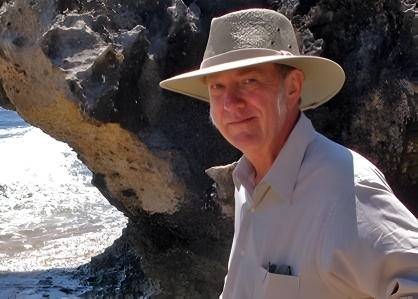
Although Matt Cartmill is best known for his influential contributions to our understanding of primate origins and the evolutionary history and functional morphology of early primates, he is a bona fide polymath whose has written authoritatively about an impressively broad range of topics including comparative cognition, epistemology, ethics, intellectual history, linguistics, phonology, scientific logic and systematics, for both specialist and general audiences.
Throughout his career, Cartmill has combined fundamental research with teaching, both in the classroom and via written exposition.
Cartmill’s research has consistently challenged conventional wisdom about the evolutionary biology of primates and much more. Cartmill’s expository output has ranged from essays in Discover and Natural History to books such as A View to a Death in the Morning, a highly acclaimed synthesis of perceptions about the hunting practices of both modern humans and early hominins. Cartmill was also the senior author of Human Structure, an introductory anatomy textbook, and co-authored, with Fred Smith, The Human Lineage, a highly successful textbook surveying human evolution. Cartmill continues to be productive and provocative.
Fields of study: Human and primate origins and phylogeny systematics; cranial morphology; the functional anatomy and evolution of bipedal and quadrupedal locomotion
Interviewer: Bernard Wood
Components: Video, Transcript, Highlight Videos
Dean Falk
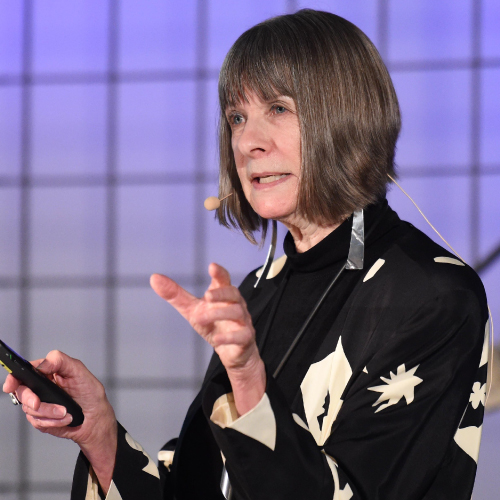
Dean Falk is the Hale G. Smith Professor of Anthropology and a Distinguished Research Professor at Florida State University. She combines a career as a distinguished researcher with the authorship of a series of successful books aimed at the general reader. Her research, which focuses on paleoneurology, has helped reduce our considerable ignorance about the evolutionary history of the large and distinctively-shaped brain of modern humans. When, and in what order, did changes in brain size and shape take place? Her books have focused on topics ⎯such as the acquisition of language⎯that many of her peers are reluctant to speculate about, and she has not been afraid to tackle controversial debates about the nature of the earliest hominins and the interpretation of Homo floresiensis (aka the ‘Hobbit’). Was the absolute and relative brain size and its distinctive brain shape caused by the ‘normal’ process of island dwarfing, or was it the result of a growth pathology?
Falk has championed the cause of women scientists in general, and women in paleoanthropology in particular. She continues to be productive as a researcher and as an author.
Field of study: Paleoneurology
Interviewer: Bernard Wood
Components: Video, Transcript, Curriculum Vitae
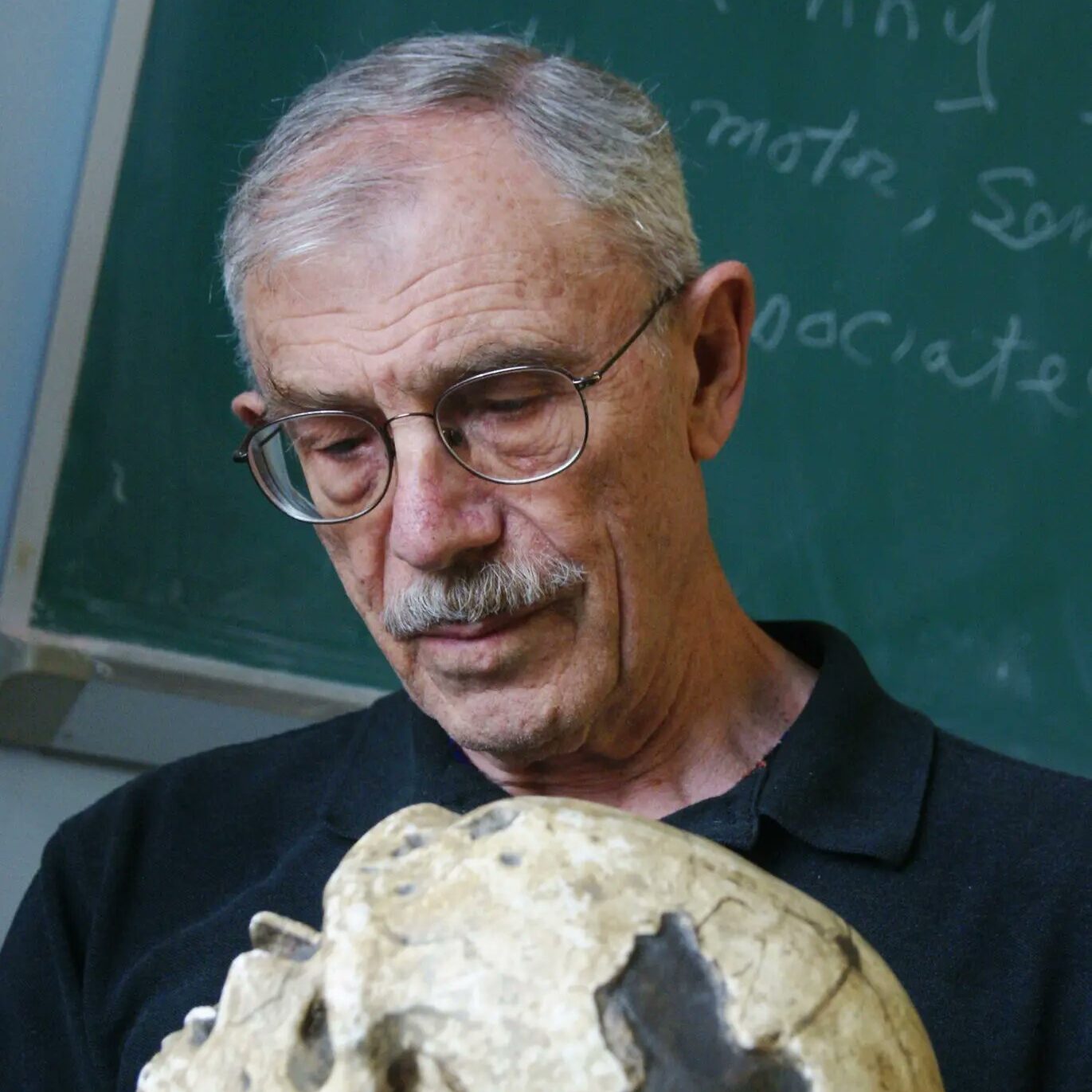
Ralph Holloway
Ralph Holloway (1935-2025) was a faculty member of the Department of Anthropology at Columbia University for close to six decades. Although his undergraduate degrees were in metallurgical engineering and geology, at graduate school his interests switched to the brain, and the topic of his 1964 PhD thesis from the University of California at Berkeley was “Some Aspects of Quantitative Relations in the Primate Brain.” With the help of graduate students, Holloway explored many aspects of the macro- and microstructure of the brain of extant primates, but he is best known for creating the sub-discipline of hominin paleoneurology, the blueprint and prospectus for which he set out in his 1973 James Arthur Lecture.
Holloway developed a methodology for using liquid latex to make casts of the inside of fossil skulls. These endocasts captured the brain’s contours, which allowed Holloway and other scientists to study the structure of fossil hominin brains.
Field of study: Paleoneurology, paleoanthropology
Interviewer: Bernard Wood
Components: Video, Transcript, Narrative Supplement, Highlight Videos, Selected Publications
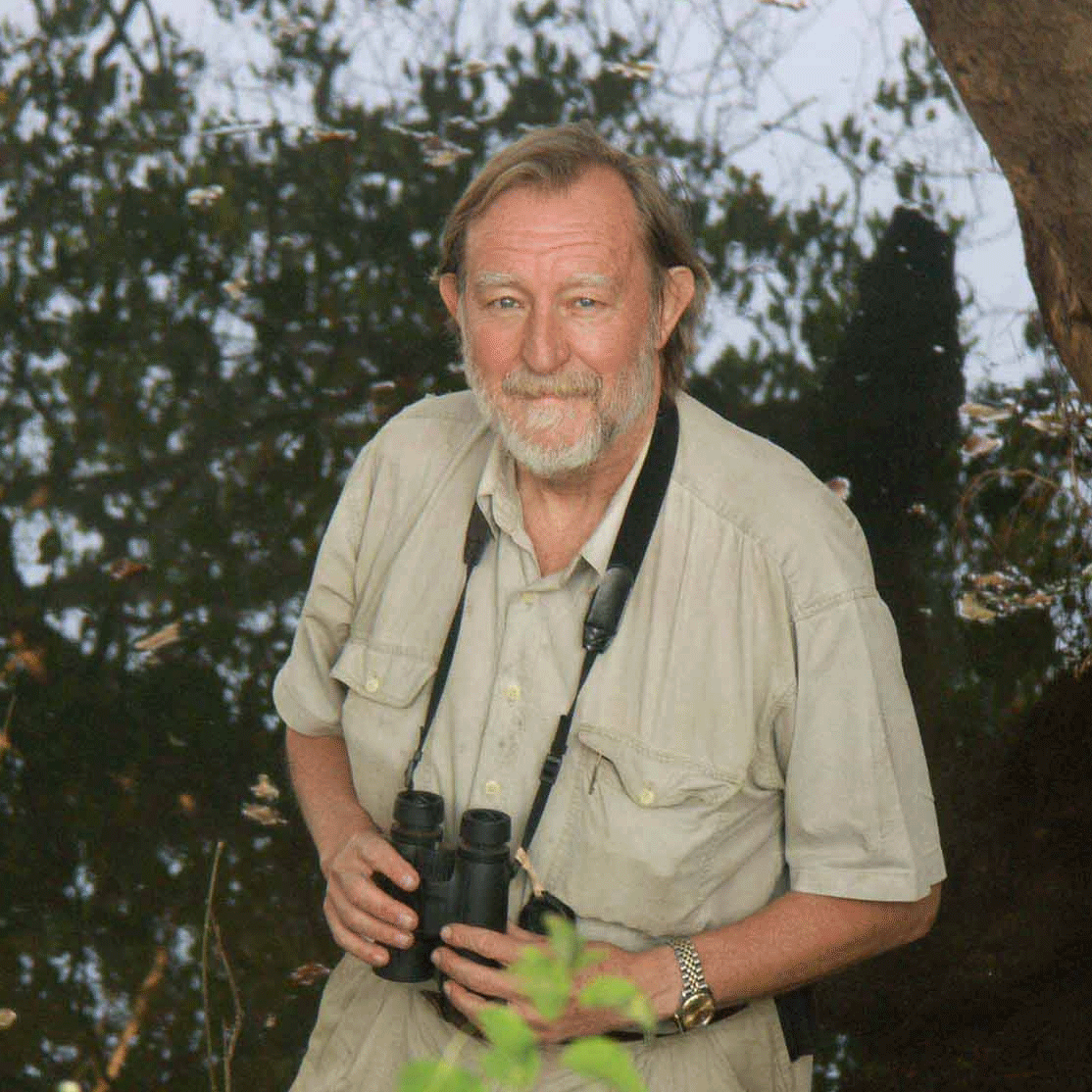
Clifford Jolly
Clifford (Cliff) Jolly is an emeritus professor of anthropology at New York University, where he spent more than four decades. Born in Essex, England, he completed his undergraduate and graduate studies at University College London, where his PhD on the systematics and functional anatomy of baboons launched a distinguished career in primate evolutionary biology.
Jolly’s research has helped build our understanding of nonhuman primate and hominin evolution. His decades of fieldwork on the population structure, genetics, and natural history of naturally hybridizing baboon populations in Ethiopia and Zambia produced findings that inform how scientists think about species boundaries and gene flow. He has written or edited six books, published more than 100 scientific papers, and supervised nearly 30 graduate students. He is a recipient of lifetime achievement awards from both the American Association of Biological Anthropologists and the International Primatological Society.
Field of study: Evolutionary biology, evolutionary anthropology, primatology, genetics
Interviewer: Bernard Wood
Components: Video, Transcript, Further Reading, Selected Publications

Maxine R. Kleindienst
Maxine R. Kleindienst is a Pleistocene geoarcheologist who worked as a researcher in the Department of Anthropology of the Field Museum of Natural History in Chicago, and then in the Department of World Cultures (Egyptology) of the Royal Ontario Museum in Toronto, before moving to the main campus of the University of Toronto in 1978. She later transferred to University of Toronto Mississauga, where she was a Full Professor until her retirement in 1998.
Kleindienst has a long and impressive record of field work in Africa, beginning in the mid-1950s in Tanzania, and in what is now Zambia. More recently her research has focused on Dakhla Oasis and then the Kharga Oasis in Egypt’s Western Desert; the latter site was discovered by Gertrude Caton Thompson.
Field of study: Geoarcheology
Interviewer: Bernard Wood
Components: Video, Transcript, Narrative Supplement, Highlight Videos
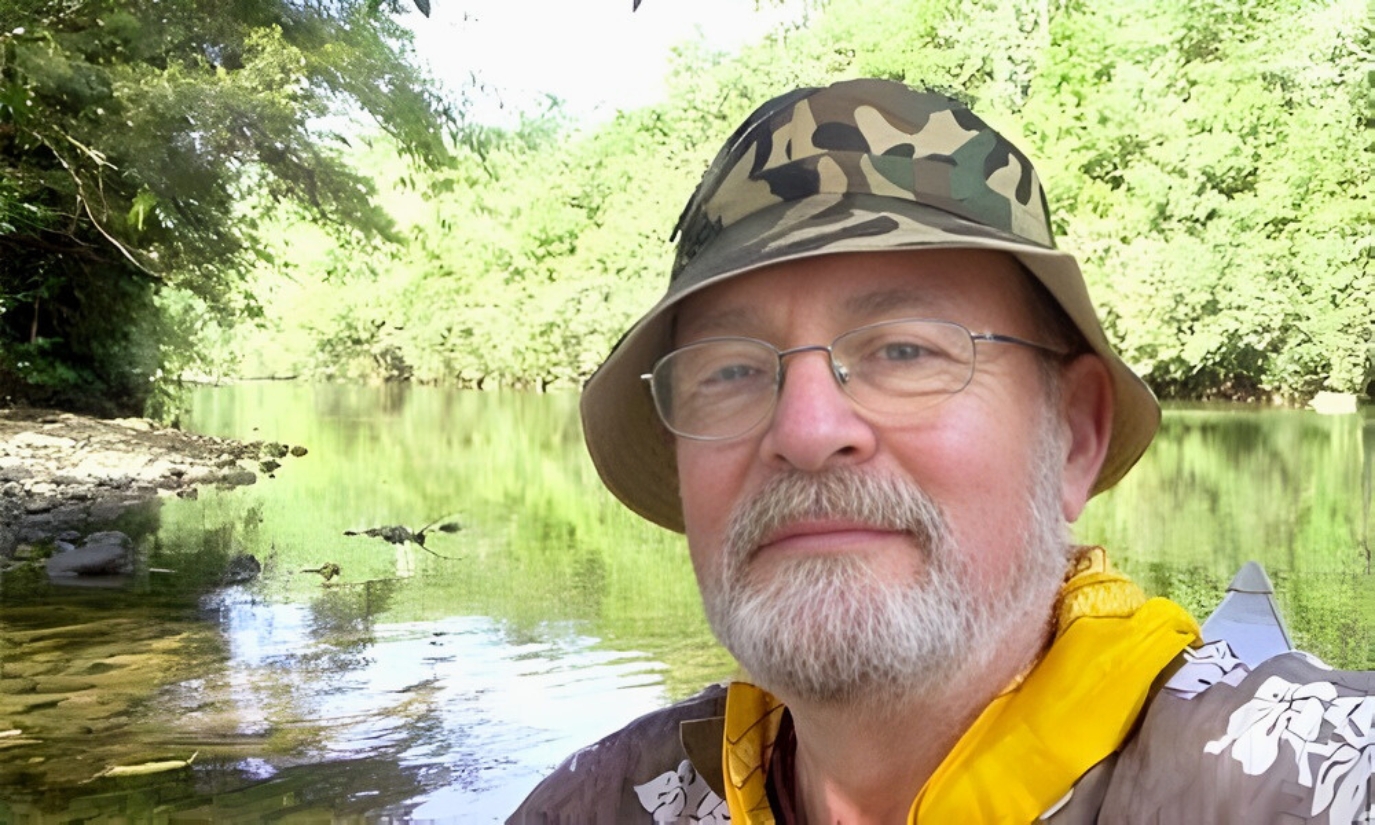
Richard Borshay Lee
Richard Lee, a proud Canadian, spent most of his career at the University of Toronto, where, until his retirement, he was a University Professor. One of Canada’s most distinguished scientists, Lee is a Fellow of the Academy of Social Sciences of The Royal Society of Canada, and in 2017, he was made an Officer of the Order of Canada for his contributions to the advancement of science, in particular recognizing the significance and influence of his pioneering ethnographic studies of the Ju/’hoansi-!Kung San of Botswana. Lee is also a past-President of the Canadian Anthropological Society/Sociétié canadienne d’anthropologie.
As well as his own and joint fieldwork with Irven DeVore in Botswana, Lee has studied foraging societies in Tanzania, Namibia, Alaska, Australia, British Columbia, the Yukon and Labrador. Lee has also been involved with indigenous human rights, the effect of global capitalism on the world’s indigenous peoples, the anthropology of health, and the cultural and social aspects of the HIV/AIDS epidemic in southern Africa.
Field of study: Anthropology
Interviewer: Bernard Wood
Components: Video, Short Biography, Transcript
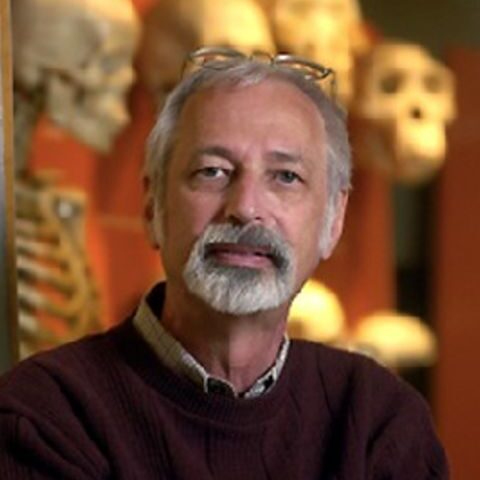
C. Owen Lovejoy
Owen Lovejoy’s eclectic research interests are likely explained by his educational history. Lovejoy’s first degree was in psychology, he studied for his master’s degree at the Case Institute of Technology, his PhD at the University of Massachusetts was in biological anthropology, and his post-doc at Case Western Reserve University was in orthopædic biomechanics. Since 1968 Lovejoy has been a faculty member at Kent State University—where he is now a Distinguished University Professor.
Lovejoy’s publications and distinguished lectures run the gamut from clinical orthopedics to pedagogy, via functional morphology, the origins of bipedalism, the earliest hominins and archeology. He applied his extensive knowledge and interest in the evolution of hominin locomotion to develop a hypothesis suggesting that because bipedalism freed the hands from a primary role in body support and propulsion, it enabled bipedal early hominin mothers to carry their infants, as well as allowing males to share food carried to a home base.
Lovejoy was also heavily involved in interpreting many aspects of the functional morphology of Ardipithecus ramidus. His input was one of the main reasons why a series of papers in 2009 made the case that Ar. ramidus was one of the earliest, if not the earliest, hominin, and that the earliest hominins did not have a Pan-like ancestry.
Field of study: Anatomy, Biological Anthropology
Interviewer: Bernard Wood
Components: Video, Transcript, Highlight Videos, Curriculum Vitae
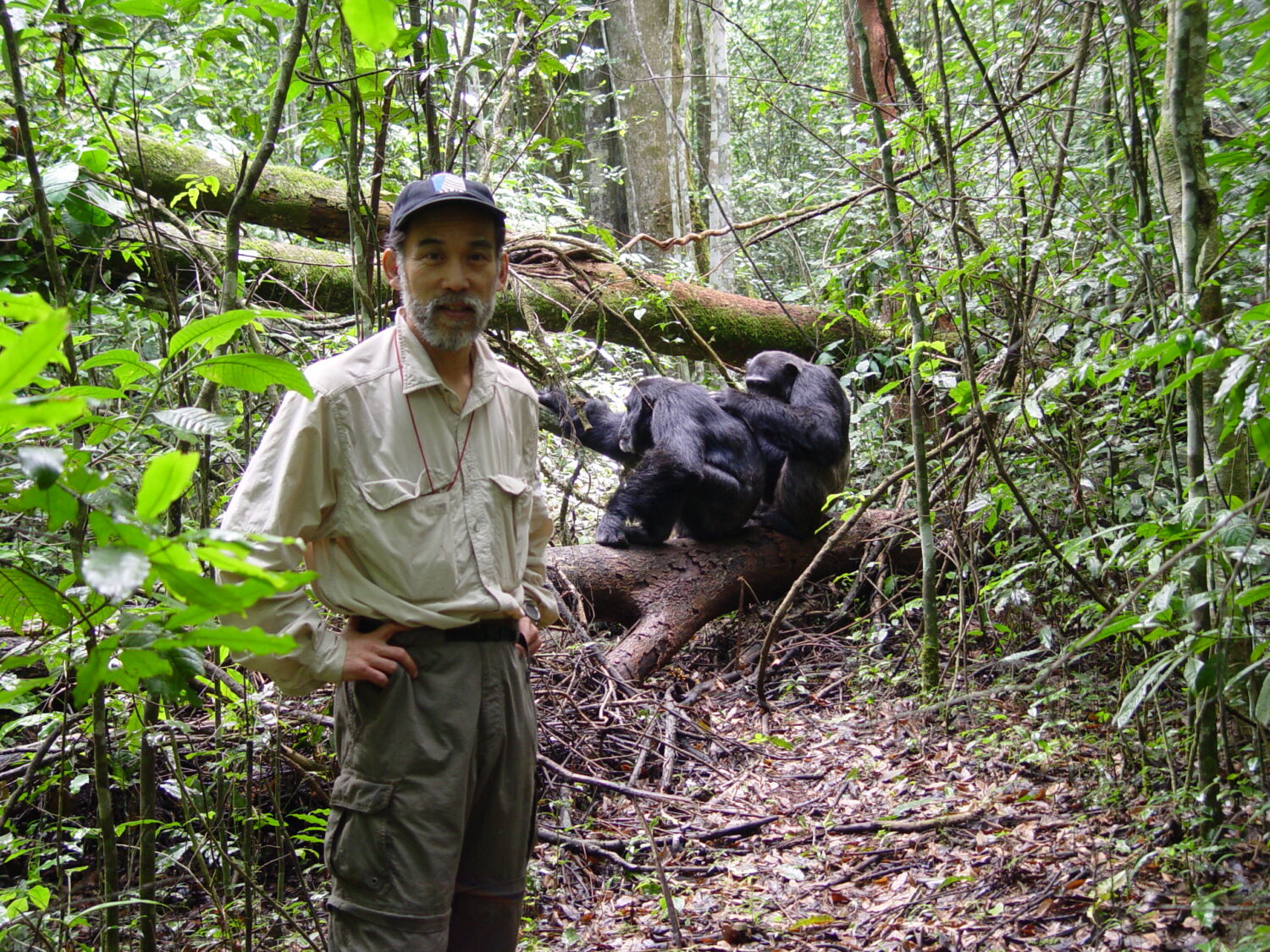
John Mitani
John Mitani is likely unique in having conducted field studies of all of the extant apes at various field sites in Asia and Africa. His eclectic research interests cover a wide range of ape behavior. Mitani was the James N. Spuhler Collegiate Professor of Anthropology at the University of Michigan, where he is now Professor Emeritus.
After his PhD thesis research on the mating and spacing behavior of gibbons and orangutans, Mitani conducted studies of male gibbon vocal behavior and orangutan behavior as a postdoc. In 1989, he made the transition to fieldwork in Africa. He began with studies of the vocal behavior of chimpanzees in the Mahale Mountains. During that time, he also conducted fieldwork with bonobos at Wamba in the Democratic Republic of Congo and mountain gorillas at the Karisoke Research Station in Rwanda. In 1995, he initiated his more than three decade-long study of the Ngogo chimpanzees in Kibale National Park, Uganda. His studies of the Ngogo chimpanzees have provided new insights into their life history, territoriality, hunting behavior, and male chimpanzee cooperation. Now that the Ngogo chimpanzee group has fissioned, the next 30 years promise new and unexpected findings.
Field of study: Primate Behavioral Ecology
Interviewer: Bernard Wood
Components: Video, Transcript, Highlight Videos, Curriculum Vitae
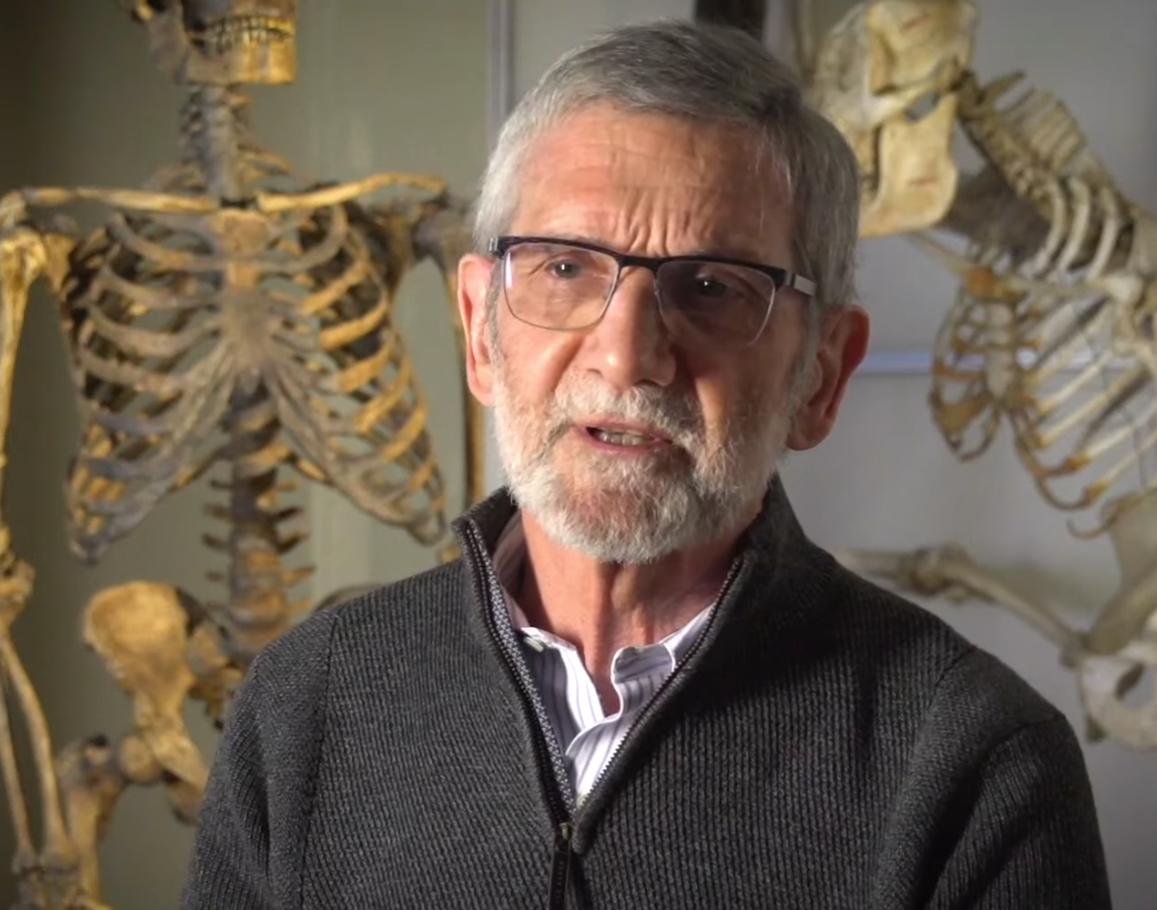
David Pilbeam
David Pilbeam spent most of his career at Harvard University, where he was Henry Ford II Professor of Human Evolution until his retirement in 2019. He was elected a Fellow of the American Academy of Arts and Sciences in 1985, and a Foreign Associate of the National Academy of Sciences in 1992 (and a Member in 1997).
Pilbeam has undertaken long-term field work in Pakistan, resulting in crucial evidence about hominoid evolution in Asia. His 1967 PhD thesis reassessing ape evolution within East Africa was ground-breaking, but he is perhaps best known for being the first influential paleoanthropologist to appreciate the significance of the impact of molecular biology on human evolution.
Pilbeam understood the implications of two independent—but related—developments in molecular biology. Evidence from DNA meant it was possible to generate robust hypotheses about how modern humans and the extant apes are related, and the principle of the molecular clock enabled researchers to place constraints on the timing of the splits among the various extant apes and modern humans.
Field of study: Paleoanthropology
Interviewer: Bernard Wood
Components: Video, Transcript, Selected Publications
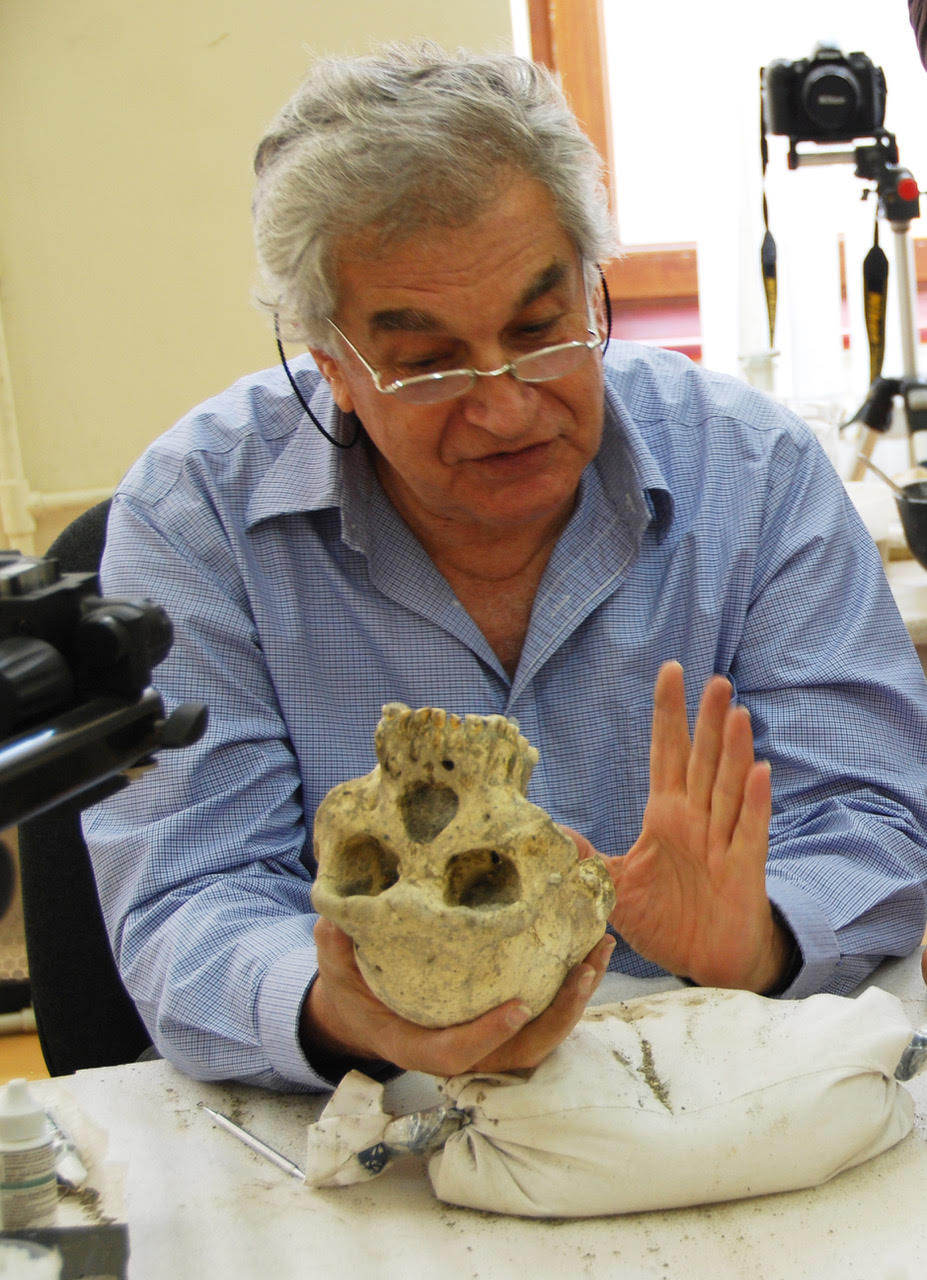
Yoel Rak
Yoel Rak, who has worked for the whole of his career at Tel Aviv University⎯where he still teaches, is one of the few paleoanthropologists whose research interests run the gamut from early hominins to Neanderthals. He is a consummate morphologist with a reputation for seeing and appreciating the significance of morphological details his peers pass over. His thesis, which was published in 1983 as a book, The Australopithecine Face, became an instant classic.
Rak, who was a PhD student of Francis Clark Howell, has participated in fieldwork in Israel and Africa, where he has played a leading role in the discovery, description, and analysis of fossils recovered from sites such as Amud and Hadar. His career-long collaboration with Bill Kimbel, in both the field and the laboratory, was especially productive and significant for both. Their penetrating descriptions and analyses of the cranial morphology of Australopithecus afarensis function as benchmarks for the genre.
Field of study: Morphology, Paleoanthropology
Interviewer: Bernard Wood
Components: Video, Transcript, Narrative Supplement, Highlight Videos, Selected Publications
This oral history project was made possible by the generosity of Camilla and George Smith, with additional support from the Ann and Gordon Getty Foundation and the Joan and Arnold Travis Education Fund.
The Leakey Foundation is grateful to Bernard Wood for creating and leading this project.