
Grantee Spotlight
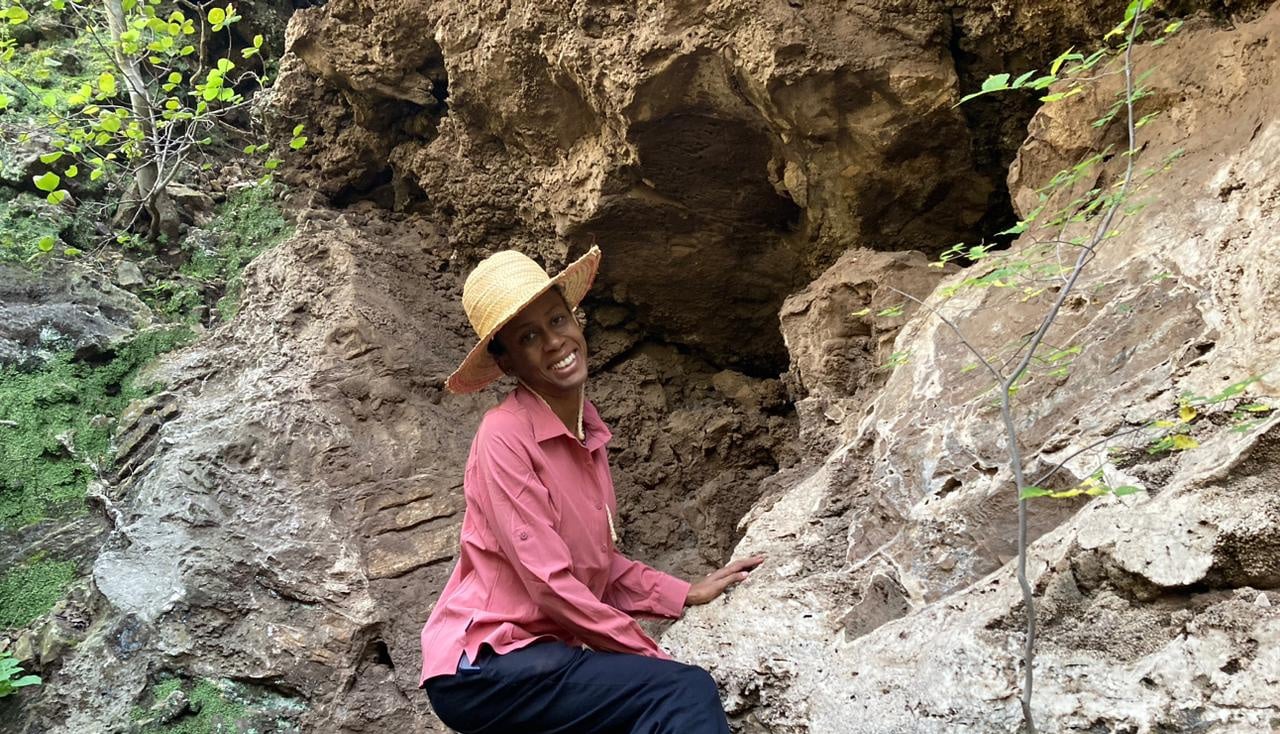
Georgina Luti is a Kenyan geologist and a Francis H. Brown African Scholar at the University of Cape Town, where she is pursuing her PhD in geological sciences. Her research focuses on the stratigraphy, dating, and paleoclimate reconstruction of the Gondolin and Kromdraai hominin sites in South Africa’s Cradle of Humankind. Using advanced geochemical techniques like U-Pb dating of speleothem samples, she is working to build precise timelines and understand the environments in which Paranthropus robustus lived.
From an early age, Georgina was fascinated by science and geography, inspired by the stories told by landscapes. An internship at the National Museums of Kenya confirmed her passion for combining geology with paleoanthropology to explore how Earth’s dynamic processes and ancient life are connected. With support from The Leakey Foundation, her work seeks to clarify when these caves formed and how environmental shifts shaped early hominin life, deepening our understanding of human origins.
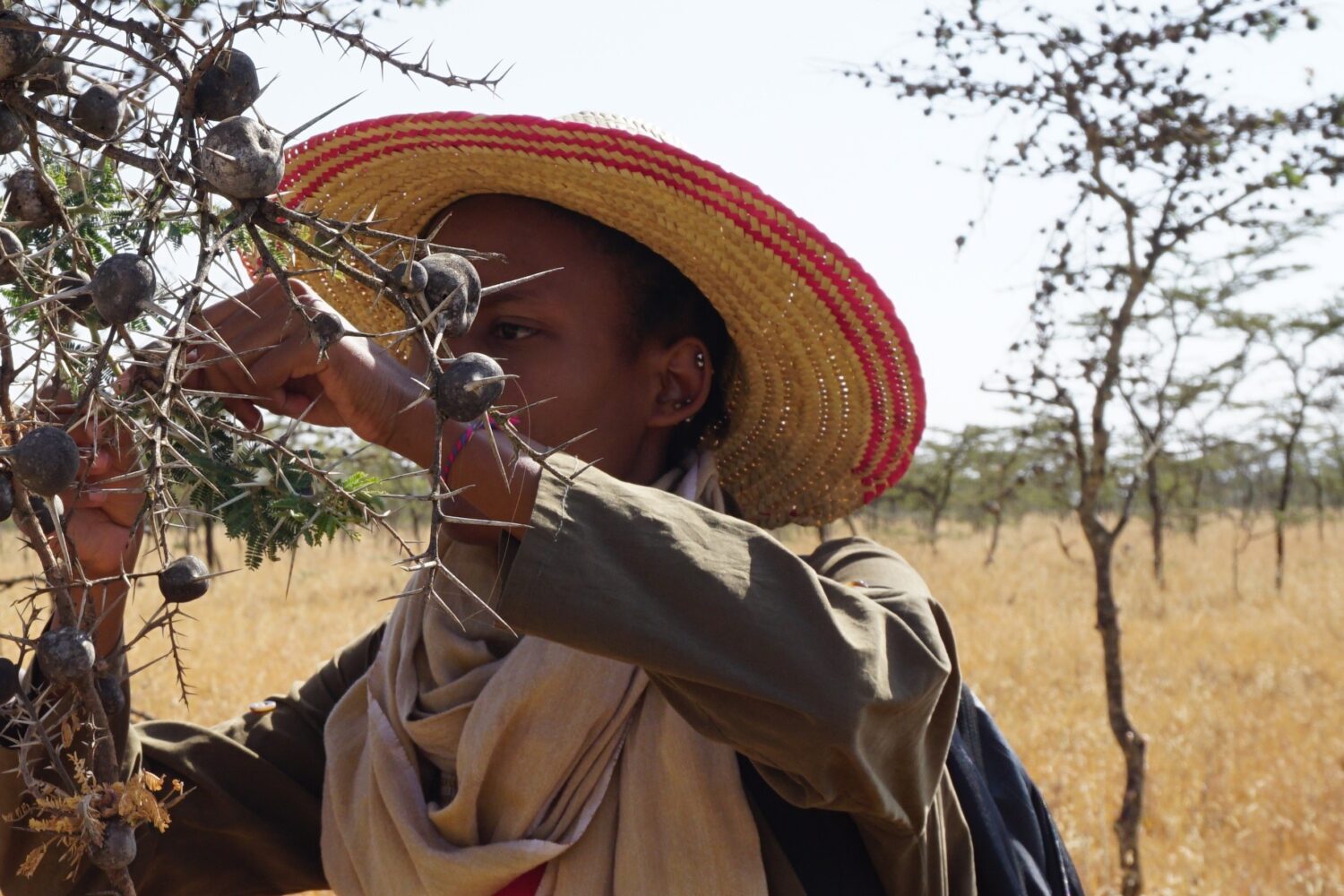
Questions and answers with Georgina Luti
Tell us about your Leakey Foundation-supported project.
My PhD project involves dating two hominin caves within the Cradle of Humankind, Gondolin and Kromdraai. This involves using speleothem samples in order to offer a robust chronology to the cave and its fossil content. Additionally, I will use the samples to establish the stratigraphy of the individual caves in order to reconstruct their history. The samples will also be used to infer the past climatic and environmental conditions during the development of the cave. The ages, together with the conditions, will help infer how the landscape was during the existence of the hominin Paranthropus robustus in these two sites.
Why did you choose to study this topic? What’s your academic or research background?
I loved science and especially geography for as long as I can remember, and I was always curious about how my surroundings came to be. The different landscapes were all telling a story, and I was eager to understand what the story was. Reconstruction and travelling back in time to the origins of humanity always sparked interest in me. Once I embarked on my internship at the National Museums of Kenya, I knew I wanted to combine geology and palaeoanthropology and understand the interrelationship between the two disciplines and what the two fields could tell us about our early ancestors.

What big questions guide your research?
When did the South African caves form and what was the sequence of development? How old are the caves? How old are the fossil deposits found within the cave? What was the climate and environment like during this period? My interest in answering these questions is to be able to offer a robust chronology to the last two undated sites in the Cradle; both of which have produced hominin fossils. I would like to confine the range of existence of this hominin in South Africa and understand what the landscape was during its existence and how it changed over time.
How did you feel when you learned you’d been selected for a Leakey Foundation grant? What will this funding help you do?
I was very excited and thankful. It is an opportunity to continue my research and provide me with numerous opportunities to continue learning, networking and gaining more skills. It is also a platform for me to continue my academic career in the fields of human evolution and geology.
Why is this kind of research important?
I believe we get to understand how we came to be by studying the past. How we evolved and why we evolved can be understood through study of hominins and other fossils and the contexts in which they occur. Through the past, we can better understand the present and plan for the future.
What’s something you wish more people understood about human evolution?
Through a speleothem sample, one can be able to carry out multiple analyses and get information on chronology, climate and environment, hydrology, landscape evolution and numerous other vital pieces of information.