
Grantee Spotlight
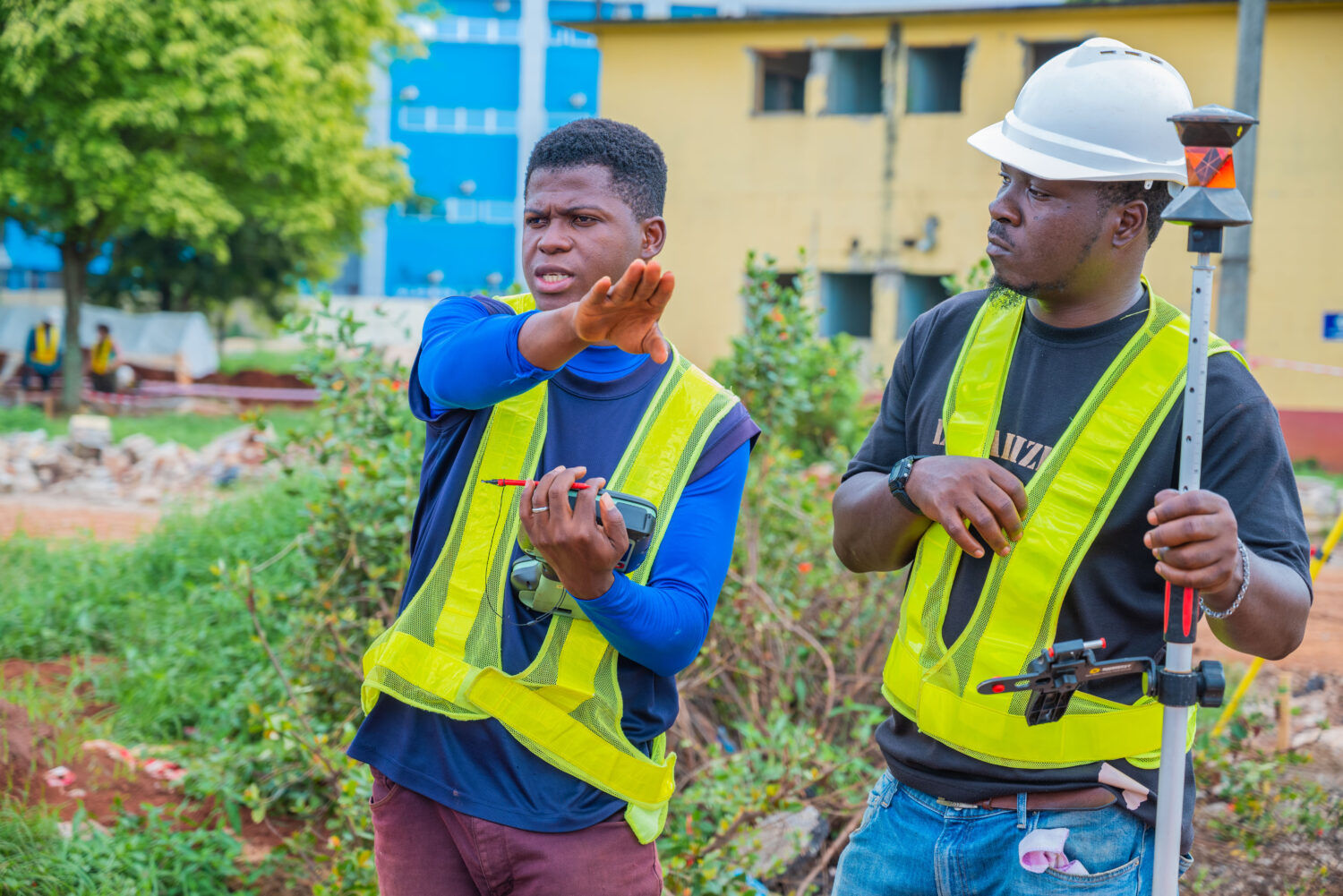
Babalola Jacobs is a 2024 and 2025 Leakey Foundation Baldwin Fellow and PhD student at the School of Human Evolution and Social Change at Arizona State University. His research focuses on how early humans in West Africa responded to major environmental changes. By analyzing ancient tools, animal remains, and soil samples, Babalola explores how climate shifts affected human mobility, settlement, and survival strategies. His research helps explain how early populations adapted to dynamic landscapes and changing ecosystems.
Before joining Arizona State University, Babalola Jacobs studied geology, where he became interested in the relationship between humans and the environment. His interdisciplinary work brings together geoarchaeology and digital archaeology to uncover how early communities adjusted to their surroundings.
Questions and answers with Babalola Jacobs

Tell us about your Leakey Foundation-supported project
My Leakey Foundation-funded project explores how early humans in West Africa adapted to significant climatic changes. This research focuses on a pivotal period known as the Pleistocene-Holocene transition, when major environmental shifts impacted human societies. By studying ancient tools, animal remains, and soil samples, I aim to uncover how early humans moved, settled, and adapted to their changing world. This research not only highlights the resilience and ingenuity of our ancestors but also helps us understand broader patterns of human migration and adaptation.
Why did you choose to study human evolution?
My interest in science and research began as a child, driven by a natural curiosity about the world and a love for discovery. This fascination grew over time, leading me to pursue geological education in my post-secondary studies. Here, I discovered my passion for understanding the physical and chemical processes that shape the Earth and their crucial role in interpreting archaeological records. This interdisciplinary approach allowed me to explore the complex interactions between humans and their environment, further fueling my interest in anthropology. My journey into anthropology evolved from childhood curiosity to a focused academic pursuit, instilling in me a deep appreciation for human history and a commitment to advancing our understanding of human evolution and human-environment interactions through rigorous research.

What big questions guide your research?
My research is driven by several key questions: How did environmental changes during the Pleistocene-Holocene transition influence human mobility and settlement patterns in West Africa? What adaptive strategies did ancient populations employ in response to these changes?
By examining the archaeological record, I aim to uncover how early humans adapted to their environments, what factors shaped their settlement decisions, and how they responded to ecological challenges. These questions are crucial for understanding the resilience and adaptability of human societies, offering insights into how our ancestors thrived in the face of changing climates and landscapes.
What will your Baldwin Fellowship help you do?
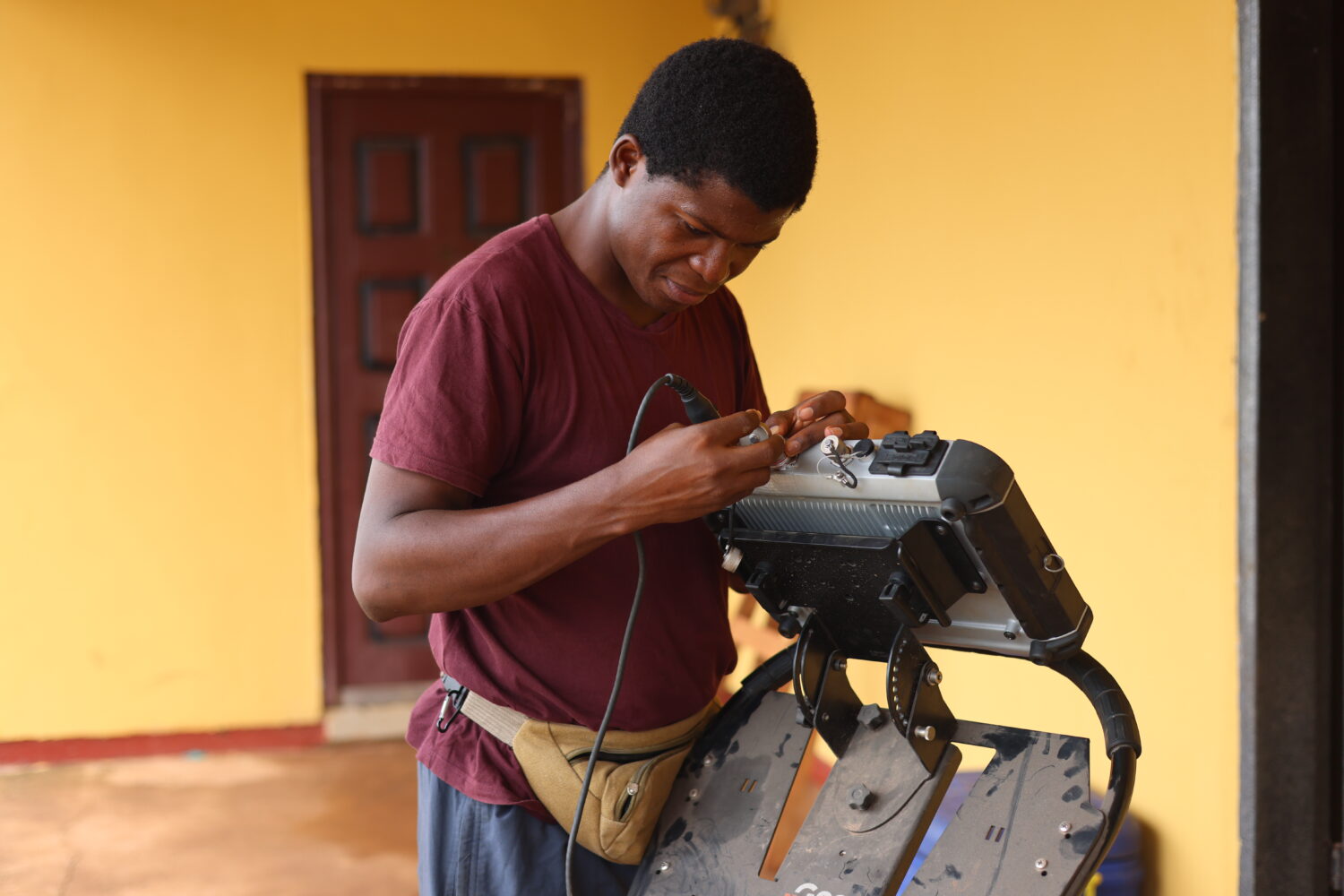
When I learned that I had received the Baldwin Fellowship, I was excited and deeply honored. This support is a significant milestone in my academic journey, providing the necessary resources to conduct in-depth training towards my research. The grant will enable me to acquire skills and collaborate with experts in geoarchaeology and digital archaeology. This opportunity will not only enhance my research capabilities but also strengthen my career prospects, allowing me to contribute valuable insights to the field of anthropology. Ultimately, this grant will help me fulfill my goal of advancing the understanding of human-environment interactions in West Africa.
Why is this kind of research important?
Research like mine is vital because it helps us understand the complex relationship between humans and their environments throughout history. By studying how our ancestors adapted to environmental changes, we gain insights into the resilience and ingenuity that have allowed humans to survive and thrive. This knowledge is crucial for addressing contemporary challenges, such as climate change and resource management. Understanding human evolution also fosters a deeper appreciation for our shared heritage and the diverse cultures that make up our world. It reminds us of our common origins and the ways in which our ancestors overcame adversity, inspiring us to apply these lessons to current and future challenges.
I would like to emphasize the importance of interdisciplinary collaboration in my research. By integrating methods from geoarchaeology, digital archaeology, and human evolution studies, I aim to create a comprehensive understanding of past human-environment interactions. Additionally, my work highlights the significance of West Africa in the broader narrative of human evolution, a region that has often been underrepresented in archaeological research. Through this project, I hope to bring greater attention to the archaeological heritage of West Africa and contribute to a more inclusive and diverse understanding of our shared human past.
What’s something you wish more people understood about human evolution?
Human evolution offers a captivating journey spanning millions of years, beginning in Africa around 6-7 million years ago. Fossil discoveries in East Africa’s Rift Valley and other regions reveal a diverse array of hominin species that preceded modern humans, each uniquely adapted to their environments.
What sets human evolution apart is our species’ exceptional ability to adapt and diversify. From bipedal locomotion to the development of complex tool use and social structures, each adaptation was crucial for survival and success in varied ecological niches. Cultural advancements such as language, art, and technology further shaped human interactions with the environment and facilitated global migrations.
Genetic studies have illuminated the pathways of human dispersal, mapping human diversity and ancestry. The interdisciplinary study of human evolution integrates paleontology, archaeology, genetics, geology, and anthropology, providing a holistic understanding of our evolutionary past.
Beyond its historical significance, human evolution informs contemporary challenges like climate change and biodiversity conservation, offering insights into sustainable practices and resilience strategies. Ongoing discoveries continue to refine our understanding, highlighting the dynamic nature of scientific inquiry into our origins and the profound lessons it offers about adaptation, innovation, and our place in the natural world.