
Baldwin Fellows
The Leakey Foundation is proud to introduce three returning Baldwin Fellowship recipients for our fall 2025 granting cycle.
The Franklin Mosher Baldwin Memorial Fellowship program was established in 1978 to expand access to advanced degrees for students from countries with limited educational opportunities. This prestigious program builds the future of science by investing in outstanding scholars, helping them become scientific leaders in their home countries. Successful applicants come to the program with strong academic records and remarkable dedication to their chosen fields.
We look forward to sharing more about these scientists and their work as their studies progress.

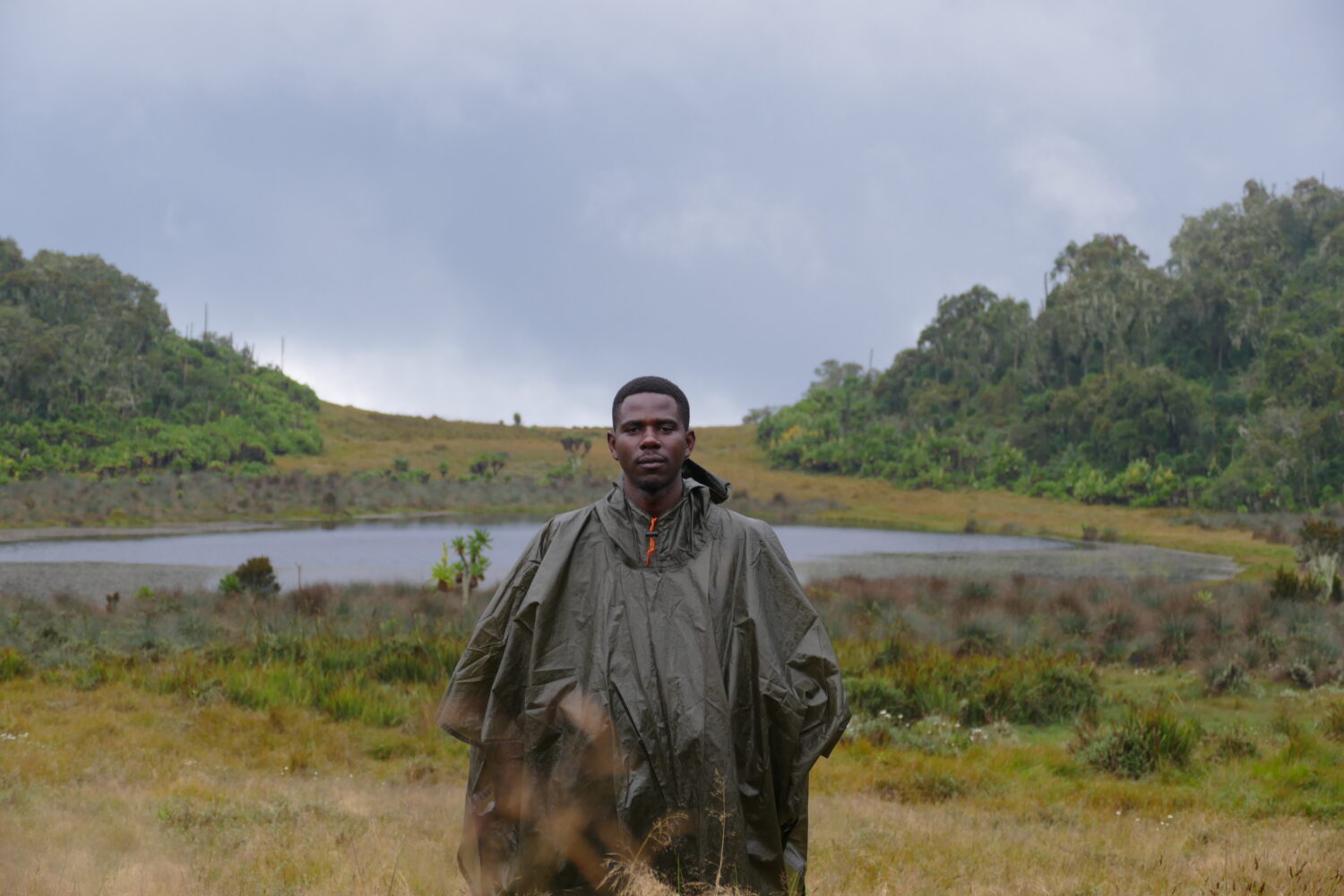
Alexandre Gategeko, Rwanda
Alexandre Gategeko is a PhD student in Biological Anthropology at the University of Michigan. His research focuses on endangered golden monkeys (Cercopithecus mitis kandti) in Volcanoes National Park, Rwanda, where he previously worked with the Dian Fossey Gorilla Fund for seven years.
Alexandre’s dissertation goal is to build on long-term data on golden monkeys and delve deeper into their reproduction and physiology. He plans to examine questions about how physiological profiles reflect differences in mating and birthing seasons across elevations, and how stress and social rank affect male reproductive success. Following his graduate studies, Alexandre’s goal is to become a professor and help develop the disciplines of primatology and evolutionary anthropology in Rwanda and East Africa.
James Munyawera, Rwanda
James Munyawera is a second-year PhD student at the University of Oregon. He is a data and operations coordinator with the Dian Fossey Gorilla Fund who is studying how ecological variation and proximity to human settlements shape the gut microbiome of mountain gorillas in Rwanda’s Volcanoes National Park.
“I trek steep, misty trails to collect critical data for mountain gorilla research and conservation,” wrote James. “As part of a community of researchers working on the frontline, I contribute to protecting gorillas and the habitats that sustain them and other biodiversity. Support from The Leakey Foundation makes this hands-on field research possible, helping me turn science into meaningful conservation action for future generations.”
By comparing gorillas living in different habitat types and ranging patterns, his research examines how diet, climate change, and human–wildlife interaction influence microbial diversity and digestive function. The goal of his work is to better understand gorilla adaptation under environmental change and to generate microbiome-based insights that can guide conservation and habitat management strategies.
James is committed to integrating microbiome research with practical conservation solutions. He aims to support capacity-building efforts in Rwanda through mentorship and science communication.
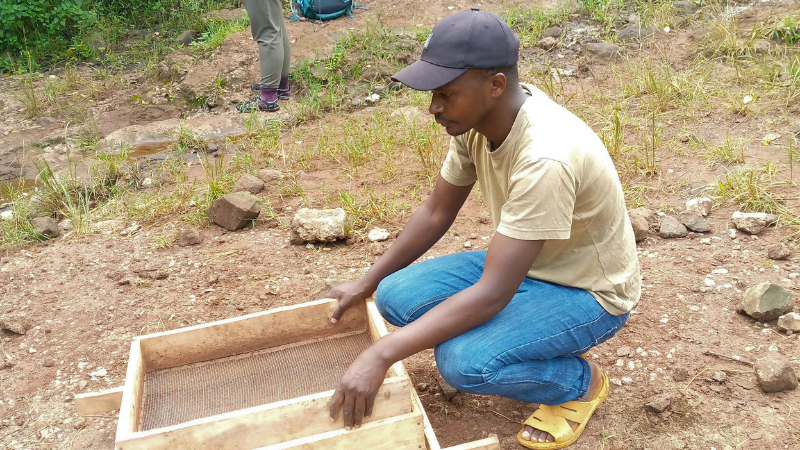
Charles Kiruki Muriithi, Kenya
For his master’s program at the University of Calgary, Charles Kiruki Muriithi is developing a thesis on the functional morphology of rodent postcrania. Rodents were diverse during the Miocene epoch, but little is known about their locomotor habits. Because of their small size, anatomical correlates of locomotor behavior in rodents are not easy to determine. Also, it is rare to find a complete skeleton.
He is examining morphological variation in long bones, especially the humerus, in different rodents, associating them with their special ecological niche. This will create a picture of the Miocene ecosystem as rodents are adapted to specific environments. His research is focused on Chamtwara #34 and Songhor, two Early Miocene sites in the Tinderet region of Kenya’s Rift Valley, and will help to characterize the likely paleoenvironment at Chamtwara and its surroundings.
Charles’ goal is to become a taxonomic expert in microfauna. His decision to specialize in this area was due to the fact that Kenya lacks specialists in fossilized microfauna. He plans to return home to secure a job at a university and help other young scholars develop careers in vertebrate paleontology.