

Evolution
Exploring Colombia’s richest fossil graveyard
By Evan Hadingham
For any traveler to the tropical forests of Central or South America, waking up to the dawn chorus of howler monkeys can be an alarming experience. Their screams and deep, guttural grunts have been compared to the roaring of lions, a violent windstorm in the trees, even the grinding of machinery. Victorian explorer William Beebe likened their effect to “a gathering of demons.” Howlers make the loudest calls of any land animal; they can reach 140 decibels, comparable to standing next to a runway while a jet airliner takes off. For indigenous societies in the Amazon, howlers have long been hunted, feared, and revered; for example, in the myths of the Awá people of eastern Brazil, howlers are ancient humans transformed into monkeys to prevent their living kin from starving.
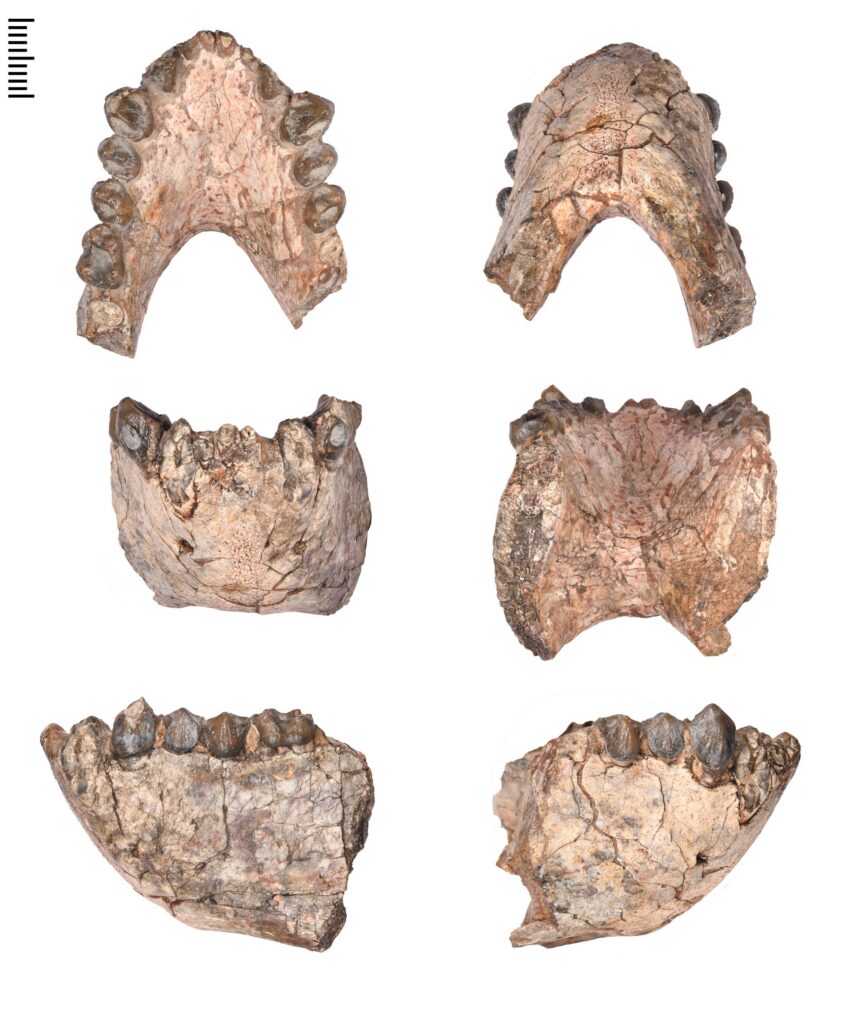
But now, science is telling a different kind of story. A new study of a pair of 13-million-year-old fossil jaws is throwing new light on how howler monkeys became one of South America’s most successful primates. Today, a dozen or so known species of howlers flourish across an extraordinarily wide range of settings and climates, from southern Mexico to Central America and from Colombia to Argentina.
The new study also contributes to the bigger picture of how primates first found their foothold and expanded into the forests of South America, giving rise to an astonishing profusion of species. For example, in the Andean foothills of southeastern Peru, a recent inventory found 14 different primate species all co-existing in a single hectare of forest, an area equivalent to one and a half soccer fields, each exploiting its own special niche and pattern of behavior. How and when did this riot of diversity begin? Ultimately, the answers may help us understand the radiation of primates on every continent, including the one in Africa that led to us.
The kids’ fossil bike brigade
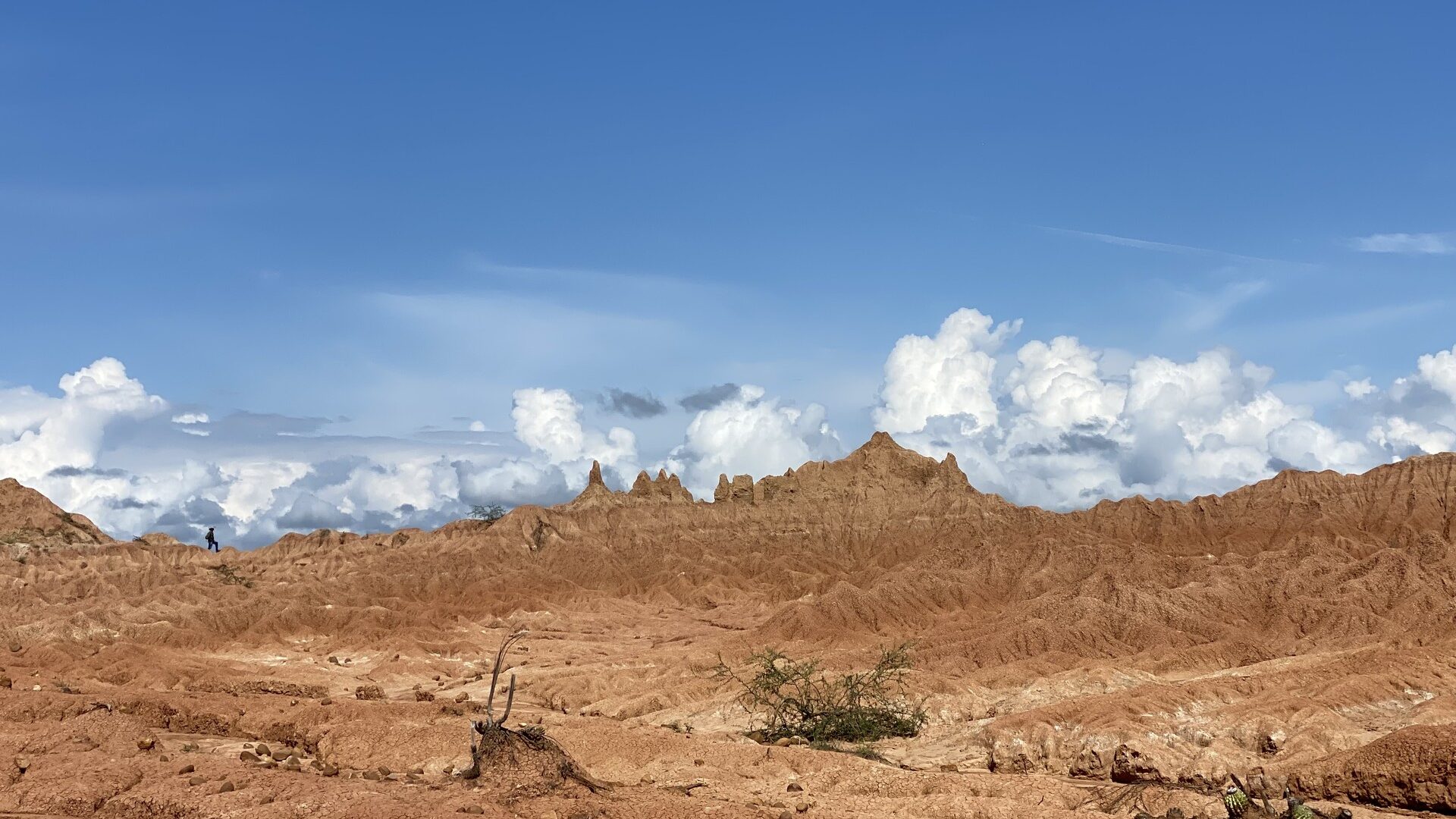
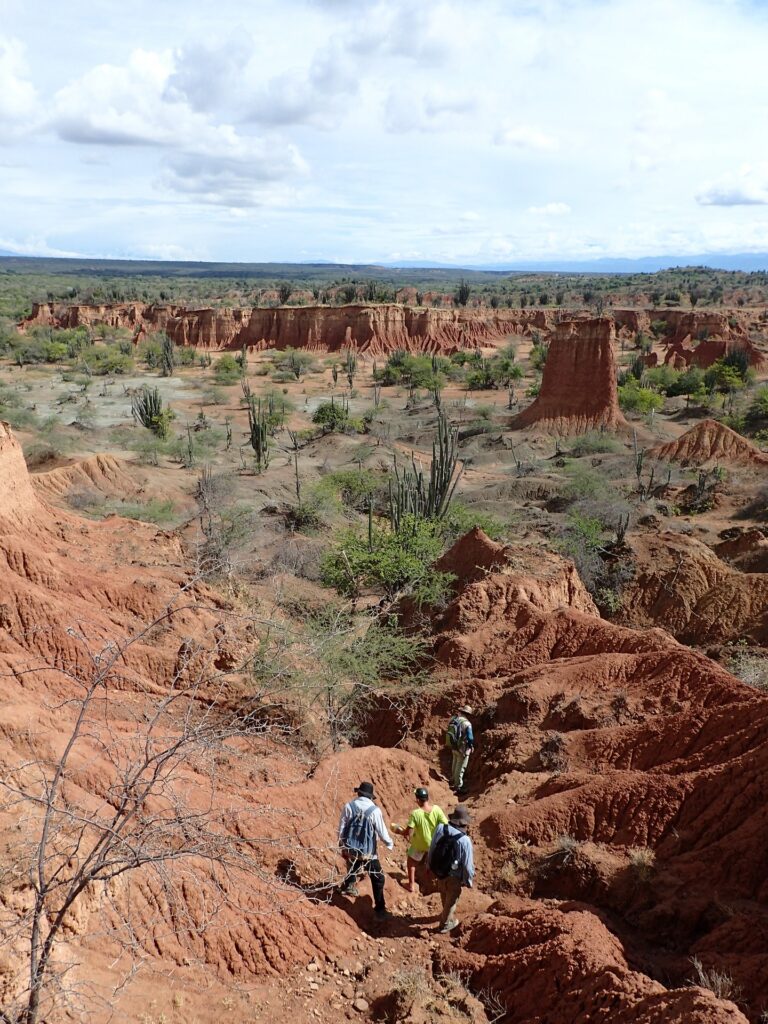
The long road to the recent discovery began with a school field trip organized by a teacher in La Victoria, a little town of around 3,000 inhabitants on the northern edge of Colombia’s Tatacoa Desert—technically, a dry forest rather than a desert. The school bus carrying 11 year-old student Andrés Vanegas pulled up at a spectacular location called “The Labyrinths of Cuzco”, a layer cake of ancient river deposits stained in vivid orange and yellow hues by iron oxide and sliced apart by erosion into towering mesas, sheer cliffs, ravines and gullies.
The torrid, arid landscape of Tatacoa today was very different back in the Miocene epoch 13 million years ago. This was long after the dinosaurs but before the rise of the Andes, when South America was still an island continent and a vast, million-square-mile wetland covered much of today’s western Amazonia. Through its steamy marshes and grasslands roamed huge extinct beasts such as giant armadillo-like glyptodonts, ancestral alligators weighing up to five tons, and formidable ten-foot flightless “terror birds” with massive beaks and claws. Along the margins of the wetlands, gallery forests would have provided a habitat for the ancestors of today’s New World primates. But at the time of André’s school field trip, relatively little was known about which species had established themselves and how they had adapted.
Back then, I didn’t know they were fossils
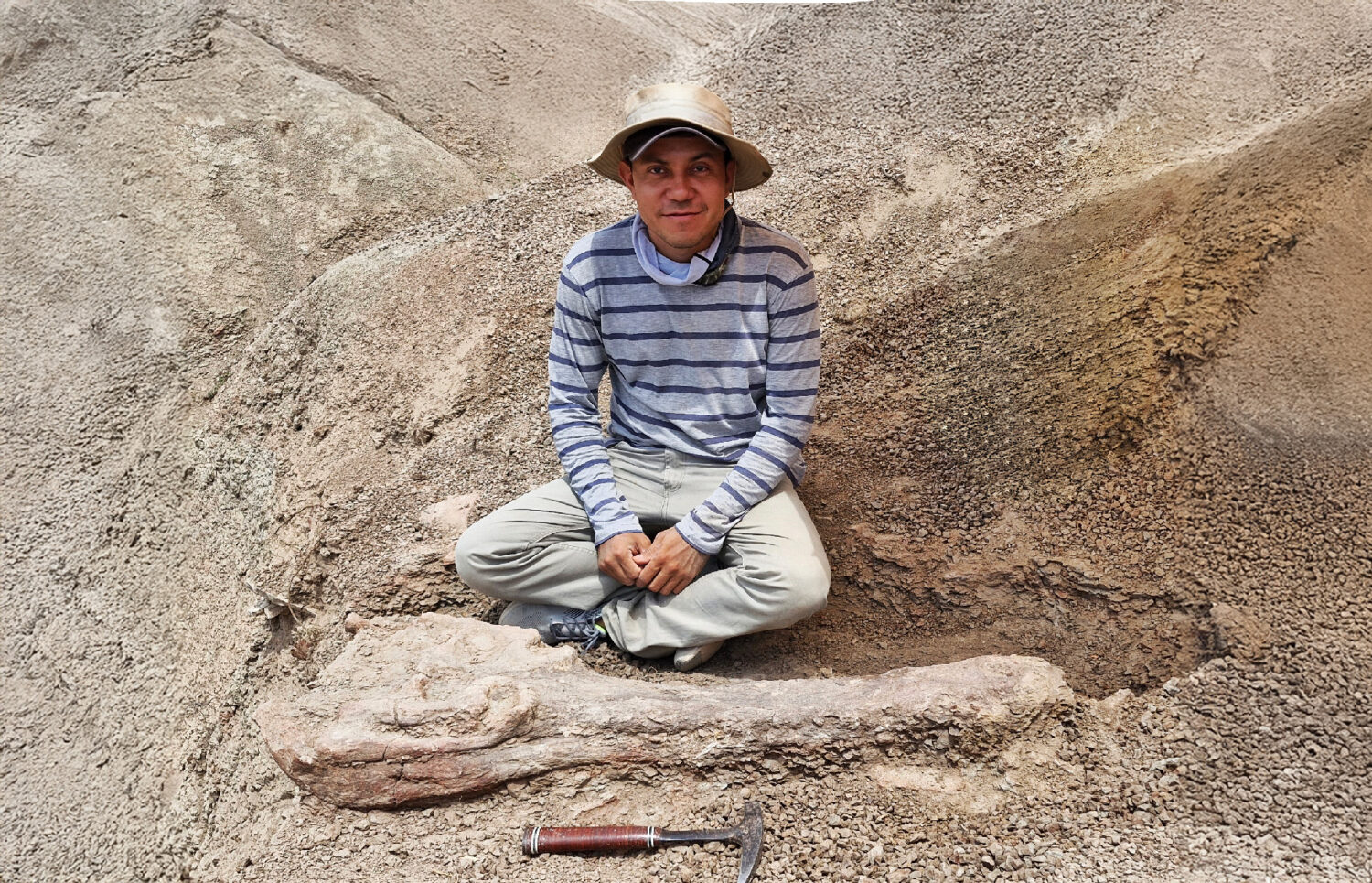
As the school kids scampered their way through “The Labyrinths of Cuzco,” Andrés’ eye was drawn to two unusual rocks, and he pocketed them. “Back then,” he says, “I didn’t know they were fossils. I was just drawn to them.” With no internet or library at the small community of La Victoria, there was no way to find out more. Then, Andres acquired a box of discarded books that one of his relatives found in the streets of Bogotá, including a booklet on dinosaurs and fossil collecting. It helped him figure out that his two rocks were fossils of extinct creatures—an ancient crocodile’s tooth and the pincer of a crab. Now Andrés realized that the area they had visited was part of one of South America’s richest fossil deposits, known as La Venta.
This was a turning point, igniting what quickly became a compulsive hobby. Borrowing toothbrushes and kitchen knives and forks, Andrés and about two dozen friends would jump on their bikes after school and explore remote corners of the canyons, returning home with fossil-laden backpacks. The fossils were easy to find and remarkably intact, strewn on the surface or easily dug out of the sandy layers. While most of their teenage friends outgrew the hobby, Andrés and his brother Rubén began amassing rock-filled shoeboxes and plastic containers, and dreamed about starting a museum. Local townspeople used to ridicule them for wasting time collecting rocks. “but we were really filled with so much passion,” Andrés says, “because every day we would find surprising things.”
A museum built from shoeboxes
After graduating from school, Andrés took a job in the regional capital of Neiva as a night security guard at the Universidad Surcolombiana. The campus hosted a Geological and Petroleum Museum, where a geology professor asked him to why he spent so much time hanging around the exhibits. After several interviews, the department offered Andrés a scholarship and he began alternating his security guard shift with attending a course in geology.
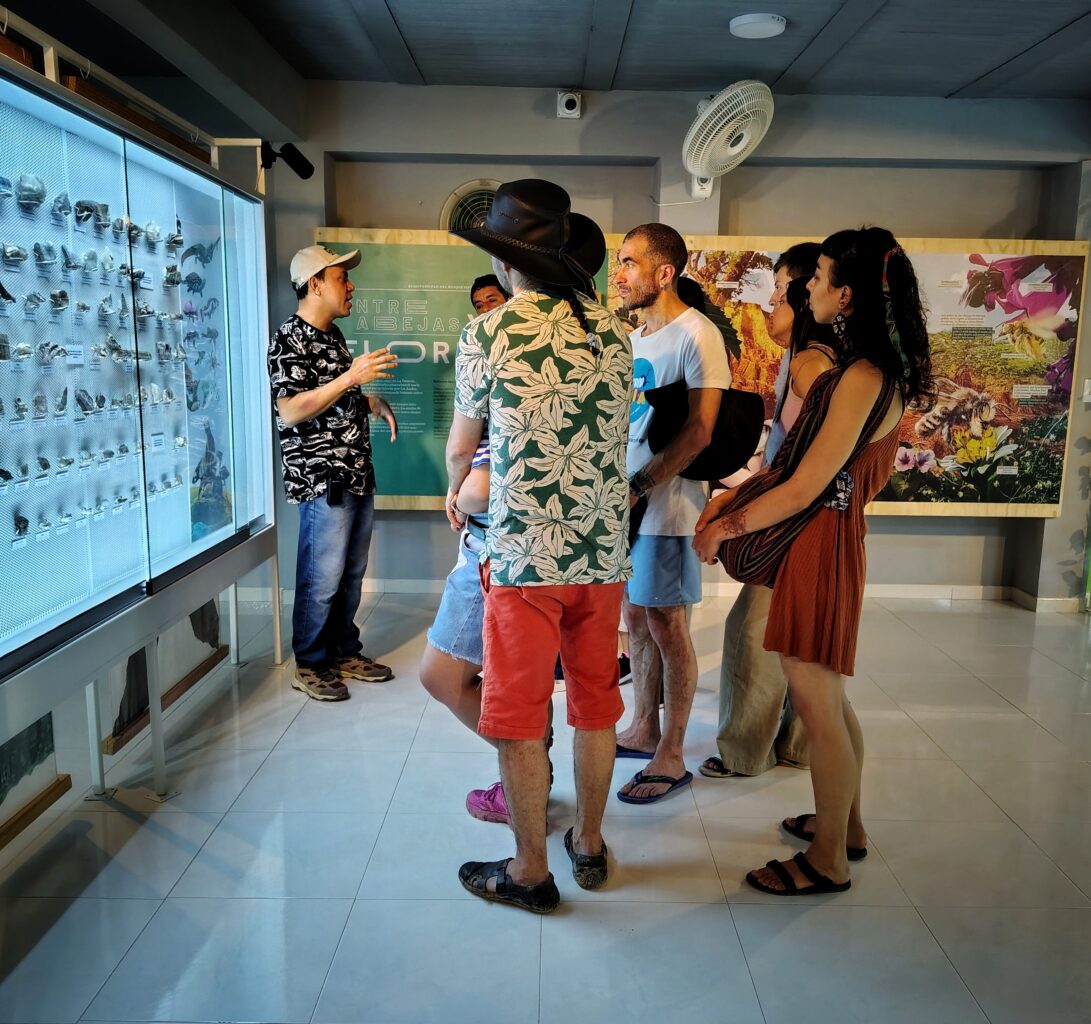
Meanwhile, back in La Victoria, Rubén continued collecting and organizing their specimens, which now numbered in the hundreds and were stored in their grandfather’s house. Gradually, the value of the brothers’ work began to be recognized. They successfully applied for a cultural heritage program that designated them as Guardians of the Paleontological Patrimony of La Tatacoa. Then they contacted Carlos Jaramillo, a leading Colombian paleobotanist at the Smithsonian Tropical Research Institute in Panama. Jaramillo paid a visit to La Victoria and was so impressed by what the brothers had accomplished that he took them under his wing, sending his grad students to help organize the collection and assisting them in raising funds from major foundations. Little by little, their grandfather’s house was transformed into the museum Andrés had long dreamed of. “I thought it was only a dream,” he says. “I never thought it would be a reality.”
The next step was to turn the collection into a center for scientific research. The late Bill Anders, the NASA astronaut who had piloted the Apollo 8 mission and captured the iconic “Earthrise” photograph, provided funding for a lab at the museum. Now, visiting scientists could study the fossils that they collected in the Tatacoa Desert and, afterwards, donate them to the museum’s collection rather than taking them away to their home institutions outside Colombia. After years of effort by Andrés and Rubén, The Natural History Museum of La Tatacoa finally opened its doors to the public in 2020.
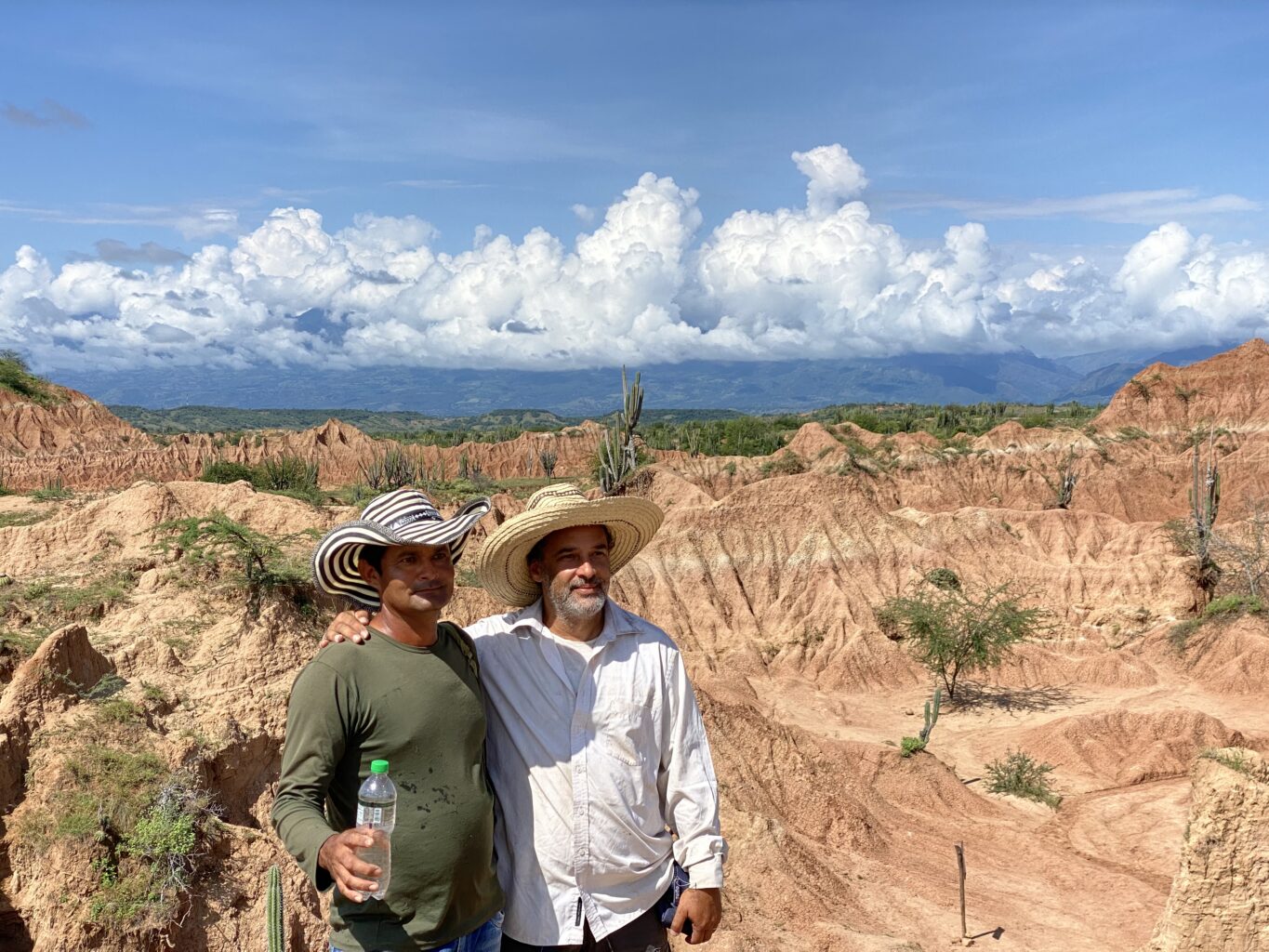
Remarkably, the Vanegas brothers weren’t the only amateur paleontologists to dedicate their lives to preserving the fossil wealth of La Venta. As a young boy in the 1980’s and 90’s, César Perdomo tended his flock of goats near an area of the Tatacoa where two long-running paleontological expeditions, one led by Duke University and the other by Kyoto University in Japan, were hunting for fossils. Perdomo would tag along with their teams and pick up tips on their collecting and preserving methods. Like the Vanegas brothers, he began storing a rapidly growing fossil collection in boxes under his bed. While remaining a rancher, Perdomo steadily acquired an encyclopedic knowledge of Miocene fossils and the locations of the most fruitful spots to hunt for them in the arid wilderness of the Tatacoa.
The colorful story of his efforts, told at length in a New York Times profile, culminated in the opening of a small museum less than an hour’s drive from the Vanegas brothers’ museum at La Victoria. Together, the museums not only house two of South America’s finest fossil collections but represent landmarks in community science, enlisting volunteers and enjoying strong support from the local population.
Want more science stories like this one?
Join our monthly newsletter!
The double jaw discovery
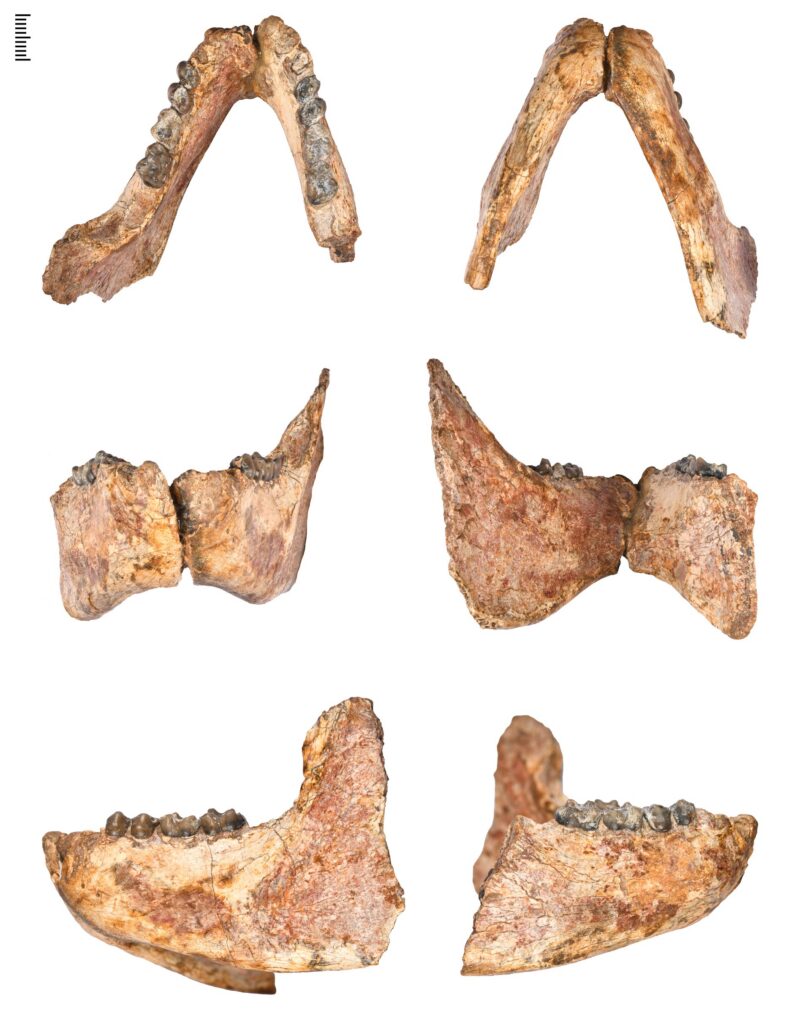
“One day in 2010,” Andrés Vanegas says, “I visited a place we call La Repartidora, north of the Tatacoa Desert. That day I went alone to look for fossils, as I like to go by myself to better concentrate on the search.” In a gully filled with ancient deposits, he came across an almost intact fossil of a small jawbone with several teeth. From the shape of the teeth, he at once suspected it could belong to a primate. On a return visit to the same spot four years later, he found another piece of the jawbone that fit perfectly with first.
Even more surprisingly, in 2016, Andrés discovered a second remarkably intact jawbone from the same species, barely two meters apart from the first. “The moment I found these fossils,” he says, I knew their importance and the impact the discovery would have, since the Tatacoa Desert is the place with the largest fossil record of New World primates.”
In the 1950’s, paleontologist Ruben A. Stirton had found similar jaws at La Venta. They were eventually given the genus or group name Stirtonia and were recognized as the probable ancestors of present-day howler monkeys. But most of these specimens were so fragmentary that little could be deduced from them. For many years, Colombia’s civil and drug-related violence discouraged outside researchers from working at La Venta.
Revisiting La Venta
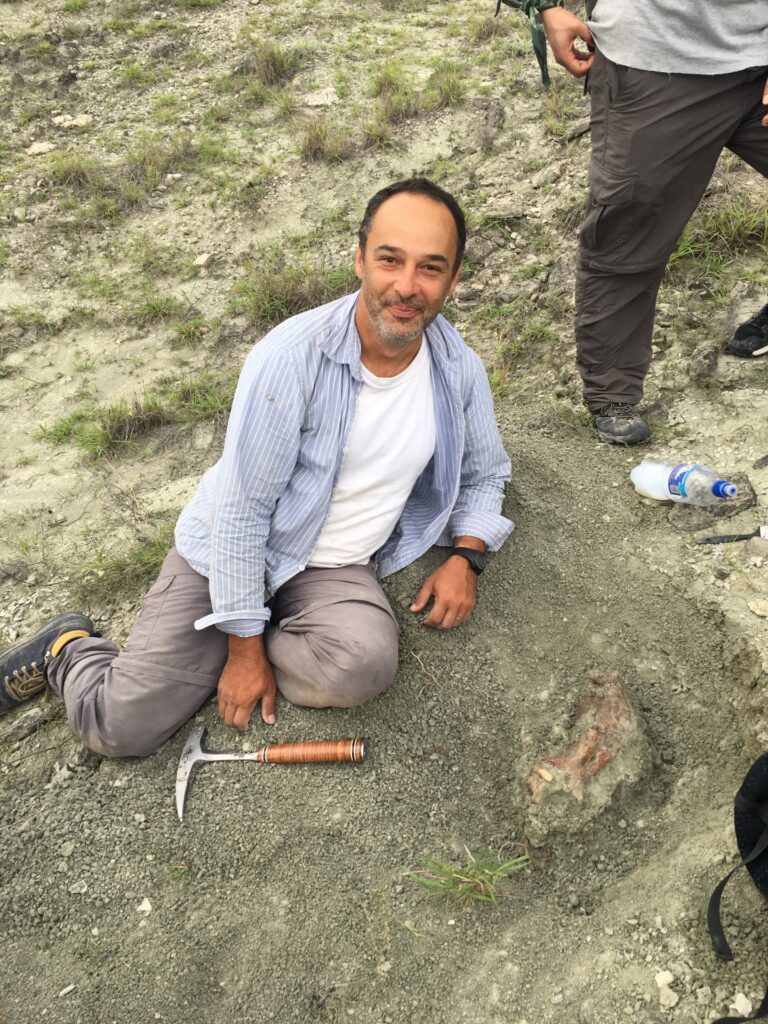
With relatively peaceful conditions prevailing in 2011, Colombian primatologist and Leakey Foundation grantee Andrés Link visited the site and was stunned by the abundance of fossils. Link, a professor at Universidad de los Andes, reported his impressions to paleontologist and Johns Hopkins School of Medicine anatomy professor Siobhán Cooke in New York, where they had both attended grad school; now, they decided to plan a major new project of surveying and excavation at La Venta. In 2013, their team began the first of many field seasons at La Venta, funded in part by The Leakey Foundation.
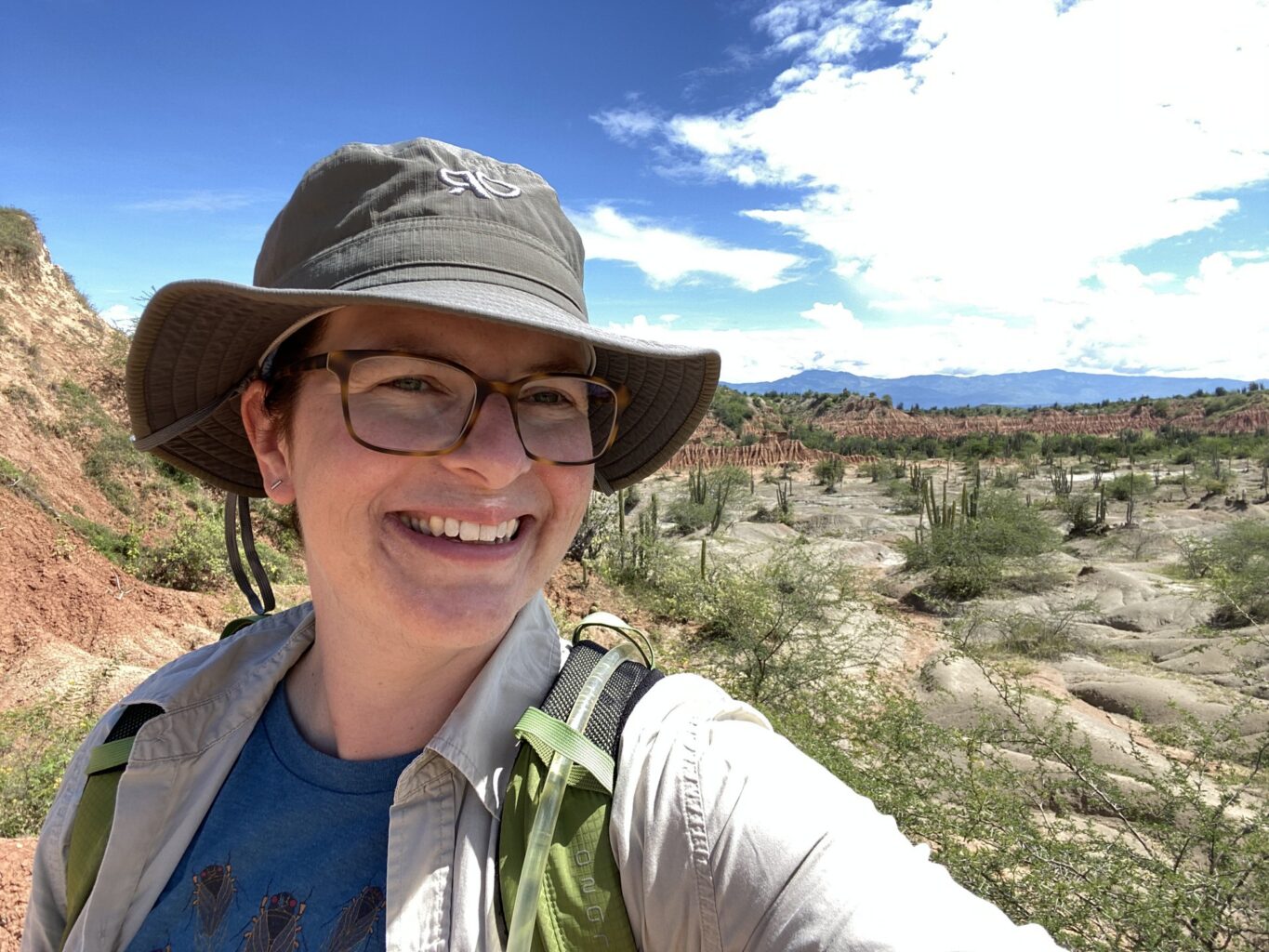
Over the years, Link and Cooke began closely collaborating with Perdomo and the Vanegas brothers. Eventually, they asked Andrés Vanegas if their team could carry out a detailed study of the two exceptionally well-preserved jaw specimens that he had unearthed at La Repartidora. They recognized them as belonging to the species Stirtonia victoriae.
High tech imaging
Cooke applied new 3D imaging technology to arrive at highly precise measurements of the size and shape of each tooth, and collaborator Ryan Knigge from the University of Minnesota analyzed the jawbone. Then they compared the data to similar measurements from 48 existing and extinct South American species. The team hoped the comparisons would yield clues to the diet of ancestral howlers, and to the question of how they had managed to survive and thrive in the lush forests and hothouse climate of the Miocene.
Built to eat leaves
As expected, the results showed a close relationship between the ancestral teeth and jaws and those of living howler monkeys. Their distinctively shaped tooth crests, cusps and large molars were ideal for shearing and grinding tough vegetation like leaves, rather than munching on the soft forest fruits that are the favorite menu of many primates today.
Since leaves represent an inadequate, low-calorie source of nutrition, howler monkeys host bacteria and enzymes in their microbiome that can break down otherwise indigestible plant material such as cellulose. While howlers enjoy a varied diet when it’s available, their ability to rely on leaves as a fallback food when fruit is scarce offers them a crucial advantage. Their dietary flexibility enables them to adapt to seasonal shifts in climate and to thrive in a huge range of environments, including marginal, high altitude locations where other species could not survive. Cooke and her colleagues’ study showed that the ancestral howlers had already developed their distinctive leaf-eating adaptation at a very early stage of their appearance at La Venta.
A hefty fossil primate
That was not all. The measurements of the twin jaws allowed them to arrive at an estimate of the average overall body size of Stirtonia victoriae. Weighing in at a hefty 18 pounds, it was the largest of all the primates so far identified at the site.
According to Andrés Link, the implications are that “by 13 million years ago, New World monkeys had already begun the process of diversifying their diet and evolving into the huge variety of species and specialized niches that we see in South America today.”
“We are primates,” Siobhán Cooke says. “And when we’re able to understand how our closest relatives evolved and what their adaptations are, it can help us better understand our own deep evolutionary past, which is very much tied to nonhuman primates.”
Did they howl?
There was a final, tantalizing question for the team to ponder: had Stirtonia victoriae howled? To produce their deafening yells, today’s howlers inflate a resonating chamber in their neck formed around an outsized hyoid bone, which helps with swallowing and anchors the muscles of the tongue and floor of the mouth. Hyoid bones are so delicate that they’re unlikely to survive in the fossil record, so there’s no way of directly estimating the ancestral howlers’ vocal talent. “But what we can say,” according to Cooke, “is that the underside of the jaw is pretty deep, so there’s nothing that would exclude the presence of a large hyoid if they were engaging in that behavior. They have the underlying morphology that would allow it.”
Reflecting back on his journey from boyhood bike expeditions to custodian of the Tatacoa’s heritage, Andrés Vanegas says: “Life has changed a lot now. The museum has brought a lot of important things into my life. It has brought personal growth and development for the region. It has filled me with strength to move forward and protect this site and show it to society. I hope it reaches many people around the world. And they can visit us and see what we found in our region…these things that are part of the history of our planet.”
Read the research 🔓
Siobhán B. Cooke, Ryan P. Knigge, Melissa Tallman, Andrés F. Vanegas, Laura K. Stroik, Brian Shearer, Savannah Cobb, Stephanie M. Palmer, Zana R. Sims, Luis G. Ortiz-Pabón, Andrés Link. Mandibular Specimens of Stirtonia victoriae from the La Victoria Formation, LaVenta, Colombia. PaleoAnthropology (2026). https://doi.org/10.48738/2026.iss1.3992

Evan Hadingham is the author of Discovering Us: 50 Great Discoveries in Human Origins. He is a writer, documentary producer, and science communicator who worked for decades as Senior Science Editor for the PBS science series NOVA.
Someone like you funded this discovery!
Generous Leakey Foundation supporters made this work possible.
Donate now to help fund the next big discovery! Your gift will be matched.
