

Speaker Series
Events
More than Genes: Predators, Parasites and Partners of the Human Body
The Houston Museum of Natural Science 5555 Hermann Park Drive, Houston, TX, United StatesWe evolved in a wilderness of parasites, mutualists, and pathogens, but we no longer see ourselves as being part of nature and the broader community of life. In the name of progress and clean living, we scrub much of nature off our bodies; however, a host of species still cling to us and always will. This is not necessarily a bad thing. Join biologist and author Robert Dunn as we explore the influence these wild species have on our well-being and the world.
$18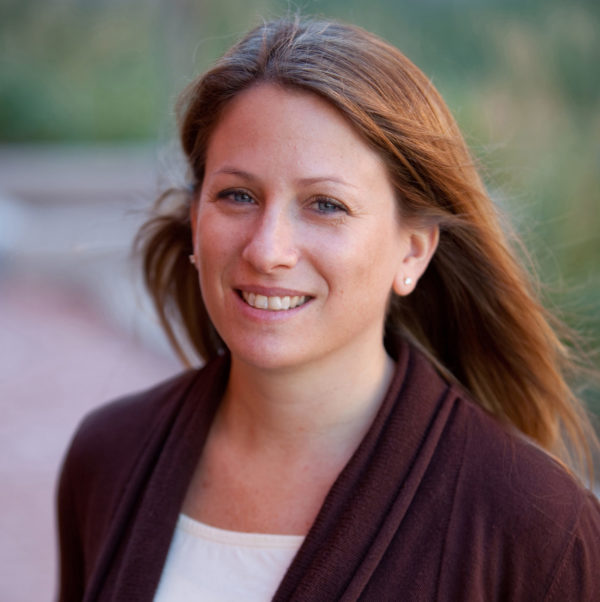

Nutrition in Wild Orangutans: Insights into Human Health
The Houston Museum of Natural Science 5555 Hermann Park Drive, Houston, TX, United StatesPrimate dietary ecologist Dr. Erin Vogel will discuss how information from diet, behavior, and physiology can help us understand how orangutans are adapted for survival in Borneo’s forests and shed light on the current obesity epidemic in modern day humans.
$18
Nutrition in Wild Orangutans: Insights into Human Health
The Houston Museum of Natural Science 5555 Hermann Park Drive, Houston, TX, United StatesPrimate dietary ecologist Dr. Erin Vogel will discuss how information from diet, behavior, and physiology can help us understand how orangutans are adapted for survival in Borneo’s forests and shed light on the current obesity epidemic in modern day humans.
$18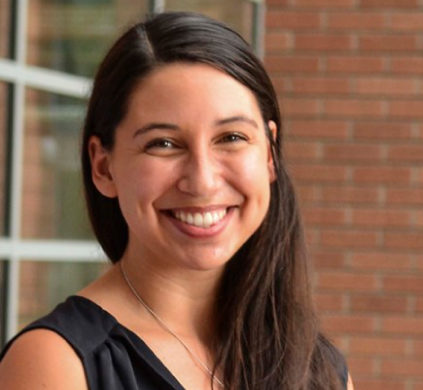

Stress and Human Evolution
American Museum of Natural History 56 West 81st St., New York, NY, United StatesHow does stress “get under the skin” to influence health? What about our evolutionary history causes our bodies to respond in this way? This talk will explore these questions by describing the biological mechanisms through which early life stress exposures influence later life biology and health.
Free
Stress and Human Evolution
American Museum of Natural History 56 West 81st St., New York, NY, United StatesHow does stress “get under the skin” to influence health? What about our evolutionary history causes our bodies to respond in this way? This talk will explore these questions by describing the biological mechanisms through which early life stress exposures influence later life biology and health.
Free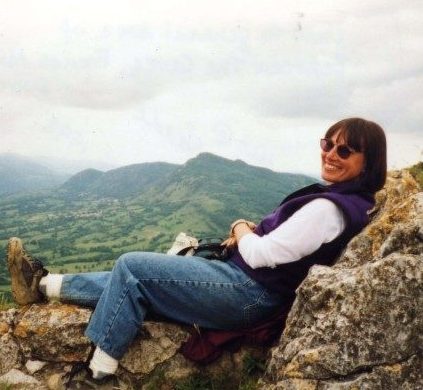

Making Things Meaningful in the Ice Age
Conaway Center, Columbia CollegeThe arts provide a key avenue of insight into ancient human behavior and symbolic evolution. In this lecture we will review some of the evidence and analysis of how our ancestors of the later Ice Age used the material and visual world to create meanings, to develop and solidify social relationships, and to become “effective world settlers.”
Free
Making Things Meaningful in the Ice Age
Conaway Center, Columbia CollegeThe arts provide a key avenue of insight into ancient human behavior and symbolic evolution. In this lecture we will review some of the evidence and analysis of how our ancestors of the later Ice Age used the material and visual world to create meanings, to develop and solidify social relationships, and to become “effective world settlers.”
Free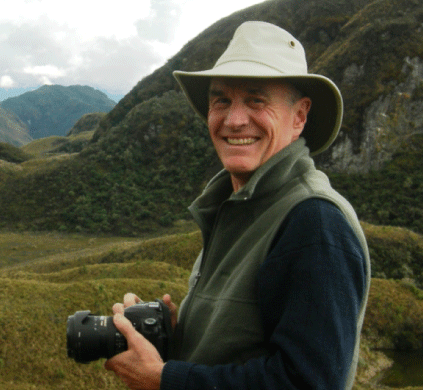

Humankind: How Biology and Geography Shape Human Diversity
California Academy of Sciences 55 Music Concourse Dr 94118, San Francisco, CA, United StatesWhat effects have other species had on the distribution of humans around the world, and what effect have we had, in turn, on their distribution? And how have human populations affected each other’s geography, even existence? Alexander Harcourt brings these topics together to help us understand why we are, what we are, where we are.
$15
Humankind: How Biology and Geography Shape Human Diversity
California Academy of Sciences 55 Music Concourse Dr 94118, San Francisco, CA, United StatesWhat effects have other species had on the distribution of humans around the world, and what effect have we had, in turn, on their distribution? And how have human populations affected each other’s geography, even existence? Alexander Harcourt brings these topics together to help us understand why we are, what we are, where we are.
$15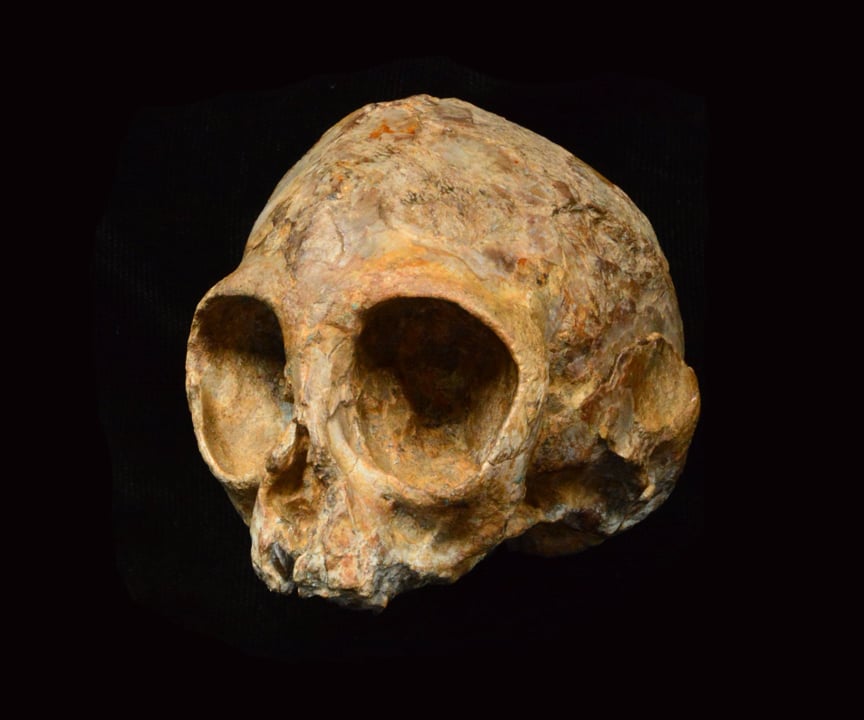
 Fred Spoor")
Alesi: The Life, Death, and Discovery of an Ancestor
Walter Payton College Prep High School 1034 N. Wells St., Chicago, IL, United StatesThe recent discovery of a 13 million-year-old fossil infant ape skull has offered a rare glimpse of what the common ancestor of all living apes and humans may have looked like. The fossil, nicknamed “Alesi,” was discovered by a member of Dr. Isaiah Nengo’s research team. In this talk, Dr. Nengo will share the story of finding this rare fossil and discuss what cutting-edge technology has uncovered about the life of this ancient infant.
Free Fred Spoor")
Alesi: The Life, Death, and Discovery of an Ancestor
Walter Payton College Prep High School 1034 N. Wells St., Chicago, IL, United StatesThe recent discovery of a 13 million-year-old fossil infant ape skull has offered a rare glimpse of what the common ancestor of all living apes and humans may have looked like. The fossil, nicknamed “Alesi,” was discovered by a member of Dr. Isaiah Nengo’s research team. In this talk, Dr. Nengo will share the story of finding this rare fossil and discuss what cutting-edge technology has uncovered about the life of this ancient infant.
Free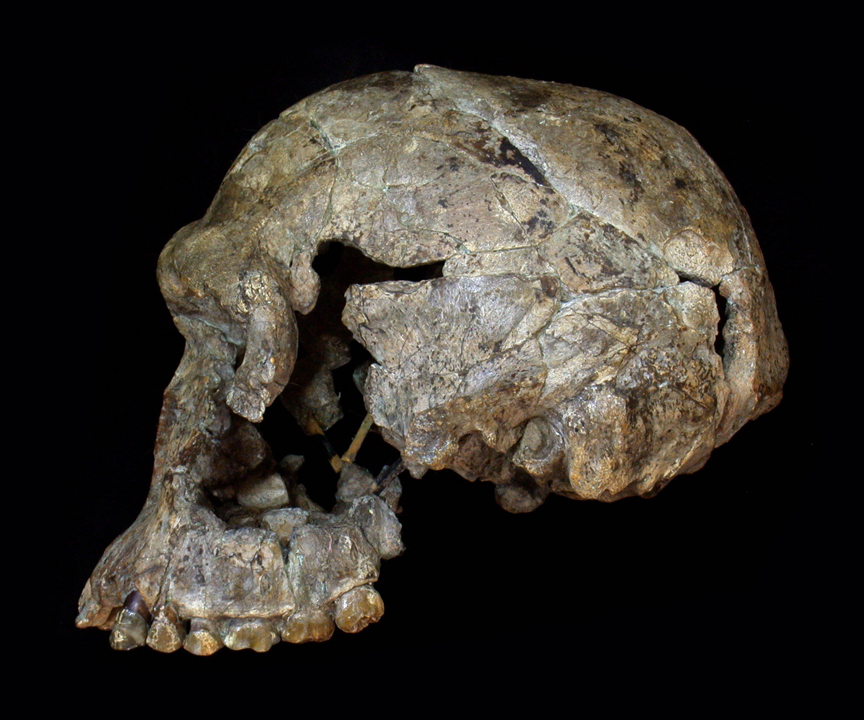
 Fred Spoor")
The Origins of the Genus Homo
California Academy of Sciences 55 Music Concourse Dr 94118, San Francisco, CA, United StatesIn this talk, paleoanthropologist Dr. Bernard Wood will survey the history of attempts to find fossils of the earliest members of the genus Homo, including very recent and controversial additions. He will review the complications that arise from defining the genus and discuss how half-a-century of paleontological research has taught him what to look for within the hominin fossil record when searching for the origins of our genus Homo.
$15