
From the Field
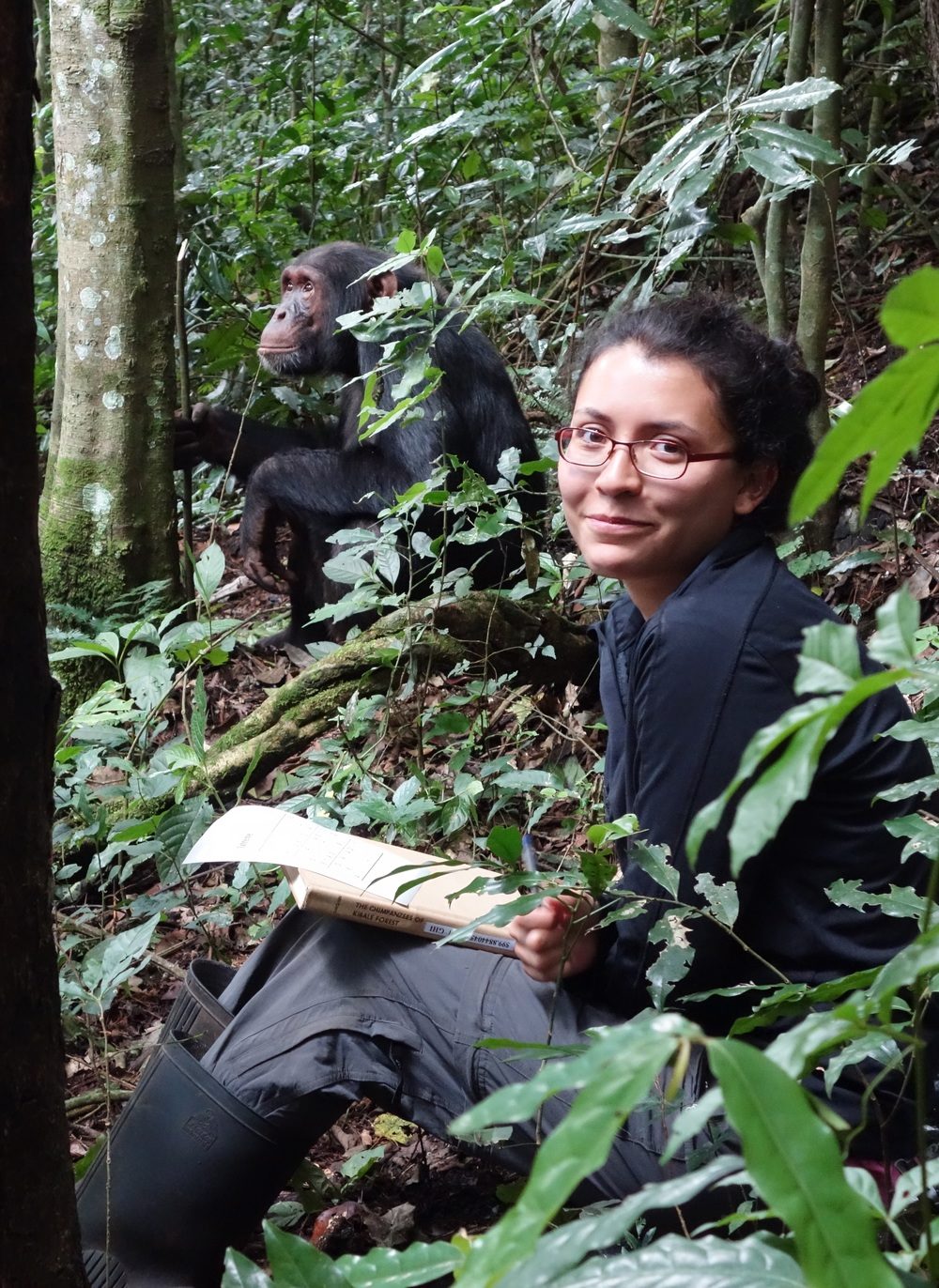
Follow Leakey Foundation grantees Sims Patton and Abigail McClain through a day in the field as they study chimpanzees at Gombe National Park, Tanzania.
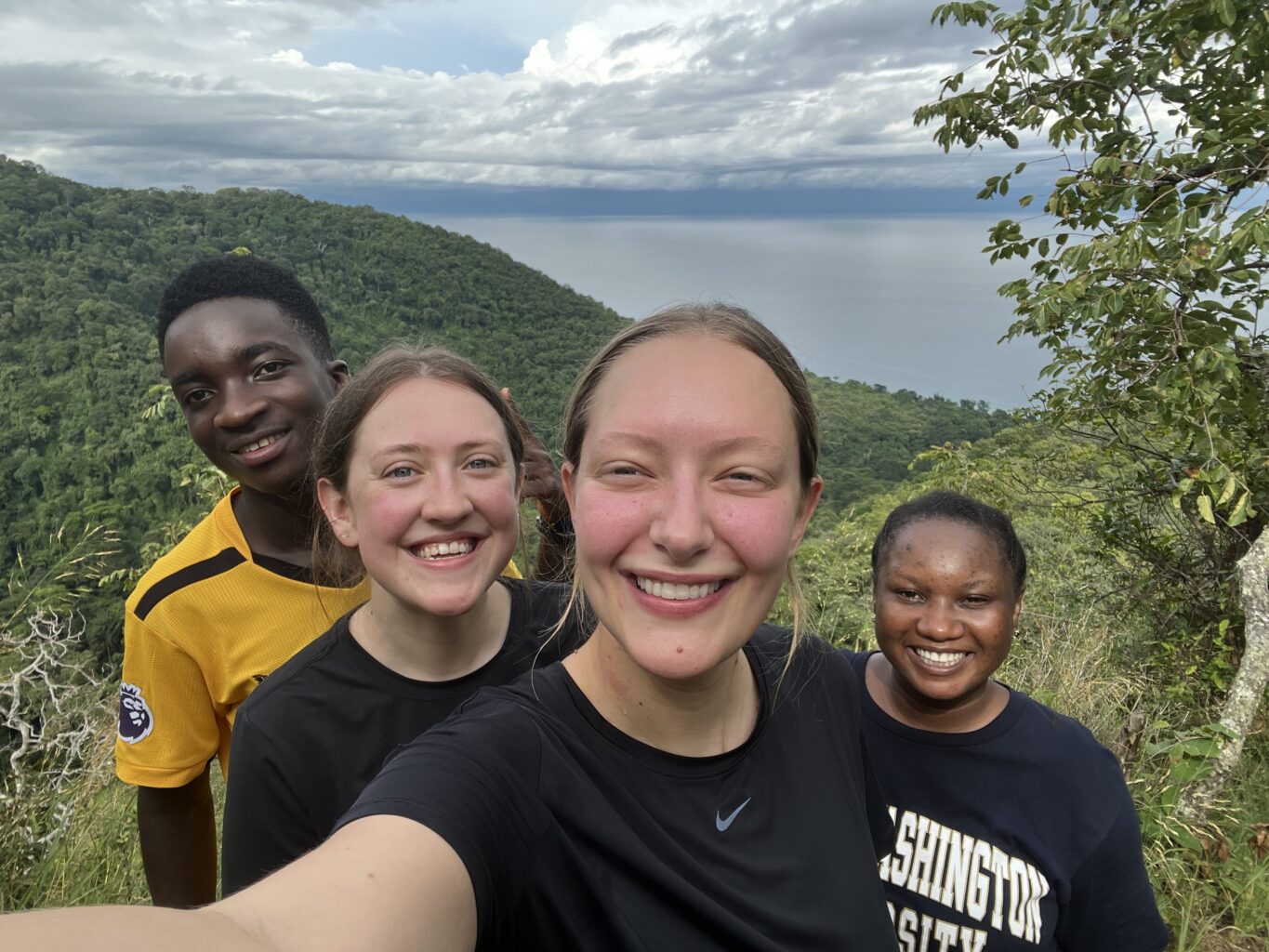
Meet the team
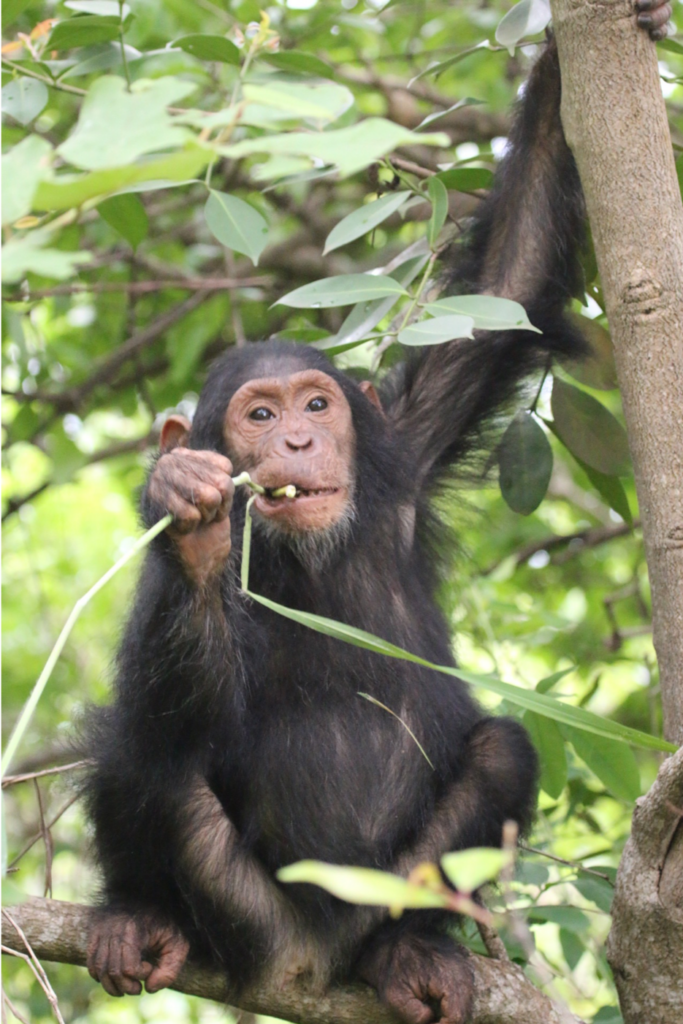
5:30-6:30 am: Wake up and get ready for the forest
Each morning, our wake-up time depends on where the chimps made their nests the previous evening. If they are far away from camp, that means an early wake up call for us! We aim to be on the trails and searching for the chimps before sunrise in order to see them wake up and start their days. This usually means leaving our house between 6:00 and 7:00am. We eat a quick breakfast of fruit and hard boiled eggs before hitting the trails.
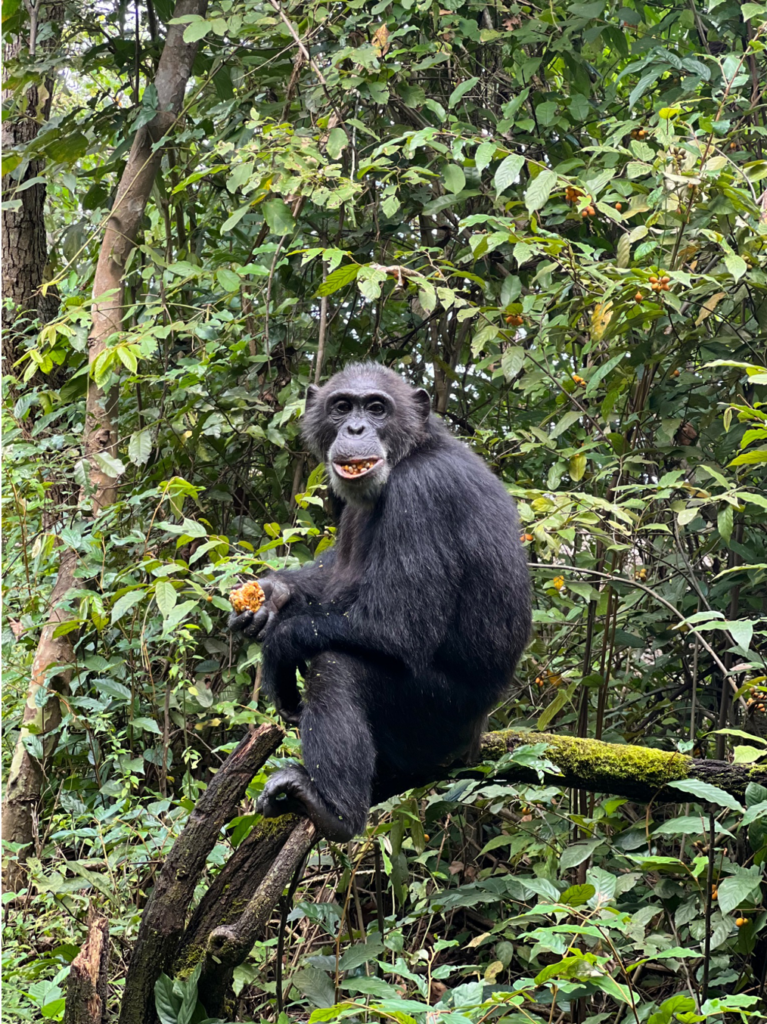
7:00-10:00 am: Chimpanzee wake-up and breakfast
The easiest way to find chimpanzees is to listen. While the afternoon chimpanzee research team does a great job of telling us where they have nested for the night, it is often the case that we have to do some searching to find exactly which grove of trees they are sleeping in. As they wake up, they make pant hoot and pant grunt sounds to greet each other. This is also one of the best times of day for us to collect the urine samples we will be using for our dissertation projects. Much like humans, chimpanzees tend to use the bathroom right as they wake up!
Once everyone is awake and on the ground, the search for breakfast begins. Chimpanzees are primarily frugivorous and feed on ripe fruits and leaves throughout the day. If the opportunity arises, they will work together to hunt colobus monkeys or fish for termites and ants. Before Dr. Jane Goodall observed the Gombe chimpanzees using sticks to termite fish, it was commonly thought that humans were the only animals to use tools. We are proud to continue her legacy studying chimpanzees and their unique behaviors.
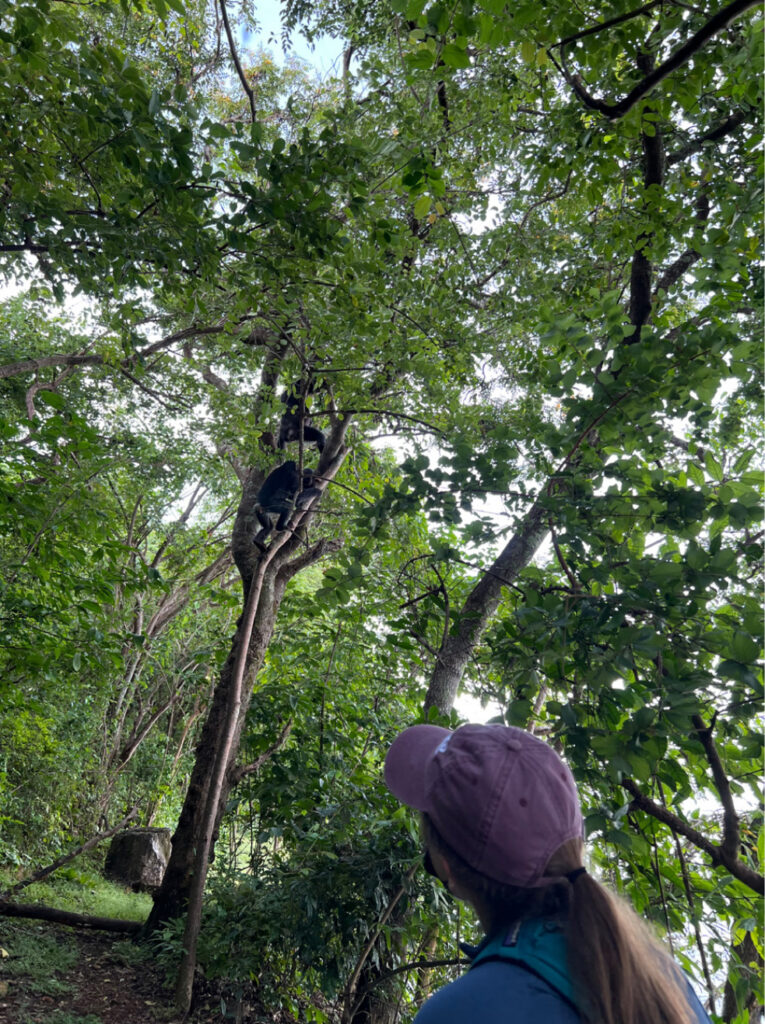
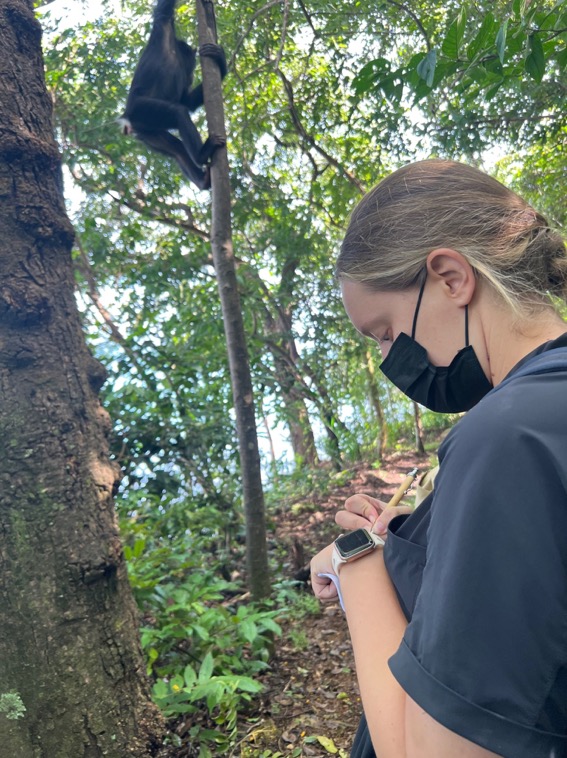
11:00 am-2:00 pm: Chimpanzees eat, rest, groom, and play
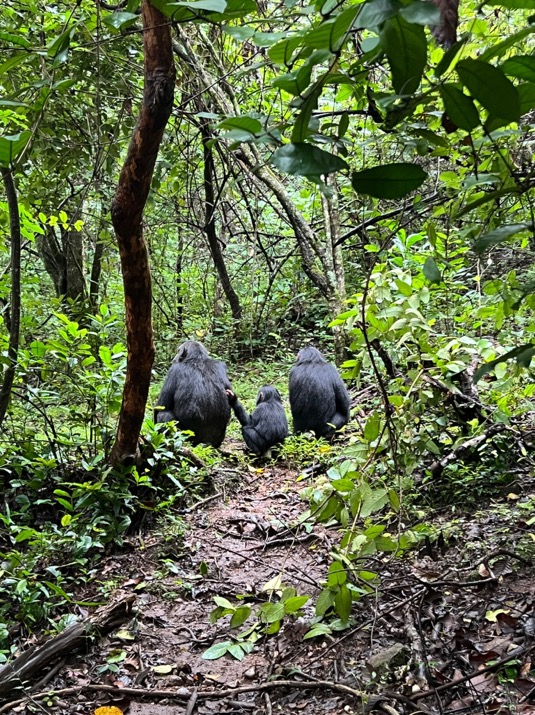
After a fruit filled breakfast, it’s time for some rest and relaxation! During the wet season, the chimpanzees spend time in large groups as fruit is plentiful. This gives them the opportunity to forge social bonds by grooming and playing. Grooming serves two purposes in chimpanzee life, to remove any insects and show affection between bond partners. It’s very nice to groom your friends, and it can also reduce cortisol, a stress related hormone, making the experience positive all around. Throughout the morning, we collect urine samples and record the behavior of specific chimpanzees in the area.
2:00-3:00 pm: Long walk home
At 2:00pm, we are met by the afternoon team of researchers. They will stay with the chimpanzees until they make their nests for the night, usually around 7:00pm. We make our way back to camp and are greeted by a delicious lunch prepared by our chef, Secy. After hiking in the forest all day, we are usually very hungry and excited to see the fresh fruits and vegetables she has prepared for us!
3:00-6:30 pm Relax, recharge, and refuel
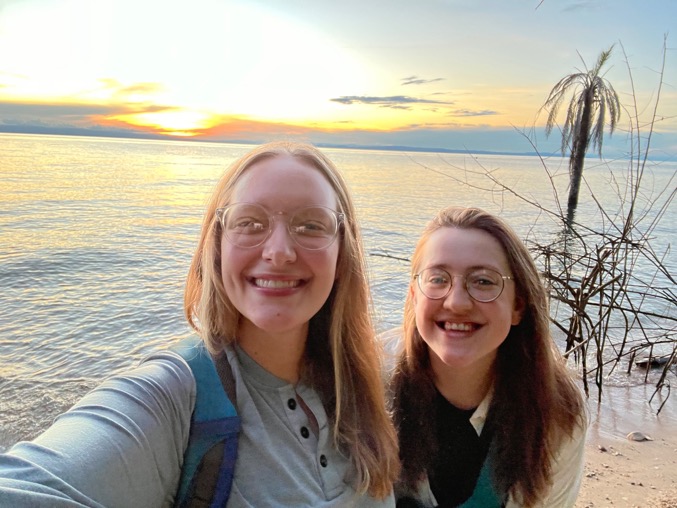
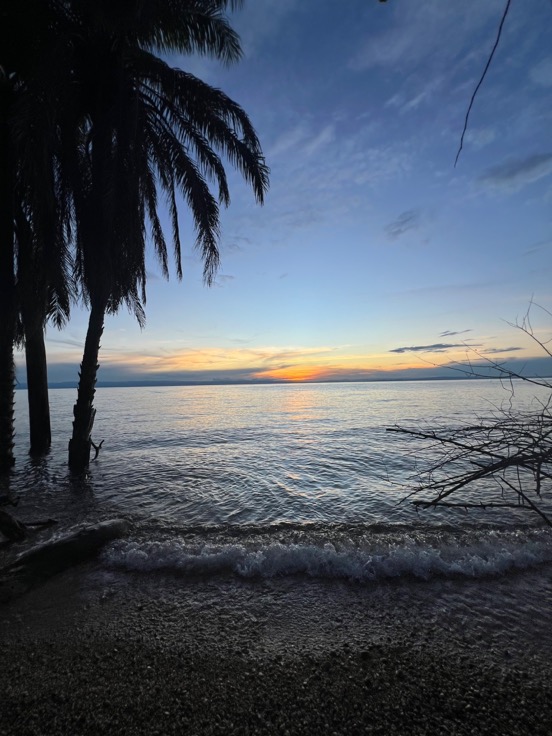
Our favorite activity after a long day of hiking is to take a swim in Lake Tanganyika right outside of our door! It is the second deepest lake in the world and contains 11% of the world’s fresh water. The lake is clear, calm, and cool and feels great after hiking through dirt. Our afternoons also consist of lots of reading and card games. For anyone looking for a place to disconnect, Gombe is perfect! Wifi is limited but time to read is plentiful. Secy prepares our dinner, hopefully with some mango, our favorite fruit to eat while in Tanzania and we pack our bags for the next day’s follow.
9:00 pm: Nightly recap
Each evening, the chimpanzee team meets to discuss the day and which chimpanzees were spotted. We also discuss the location of their night nests in order to know where to hike to the following morning. It is a great time to hear about everyone’s days and any interesting behaviors that were recorded. If needed, this is also the time of day we have access to wifi to call loved ones, check emails, and post on our field Instagram @the_primate_diaries !
10:00 pm: Bedtime
Our days end around 10:00 pm. We try to get as much rest as possible after spending so much of the day hiking. We read more books and drink tea before hitting the hay, already excited for the next day’s adventure!