

Dr. Robert Seyfarth (1948-)
Brief biography
Oral history interview recorded April 10, 2026
Interviewer: Bernard A. Wood
This oral history is a discussion with Robert Seyfarth, but if not for Dorothy Cheney’s untimely death in 2018, it would surely have been a three-way conversation. There is copious evidence of the longevity and intensity of their intellectual partnership. They were both graduate students of Robert Hinde, with their theses based on observations of the same group of baboons. Apart from Seyfarth’s PhD thesis and five publications prior to 1980, nearly all of his journal publications and books were either co-authored with or included Cheney. They jointly delivered the Branigan Lecture at Indiana University, and they were jointly awarded the Cozarelli Prize and the Distinguished Primatologist Award of the American Society of Primatology.
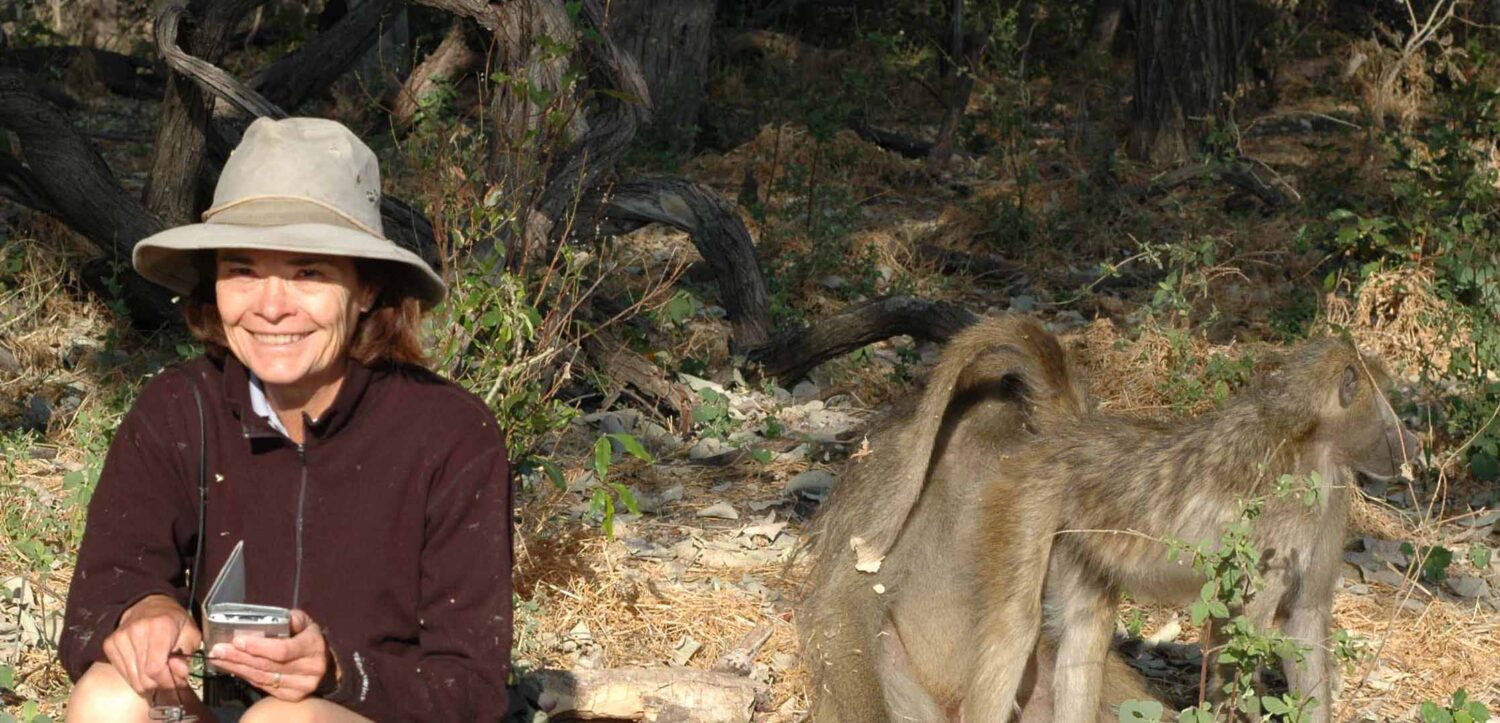
Cheney and Seyfarth were both elected Members of the National Academy of Science, as well as to the Fellowship of the American Academy of Arts and Sciences. Last but not least, both were distinguished professors at the University of Pennsylvania—Cheney in Biology and Seyfarth in Psychology—where they spent the majority of their careers. Seyfarth is currently the co-chair of the Leakey Foundation’s Scientific Executive Committee, which he joined in 2009.
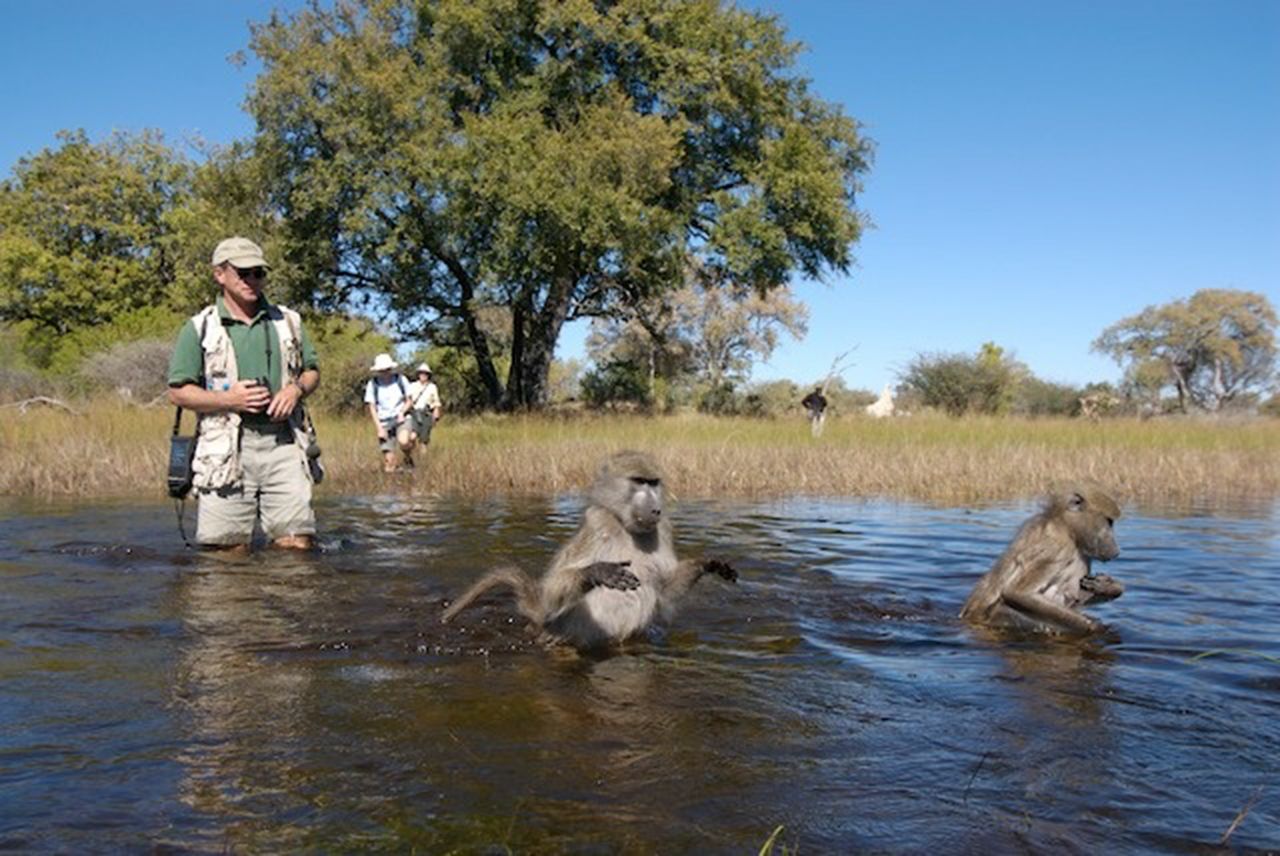
Seyfarth was an undergraduate at Harvard before joining a long line of distinguished primatologists who were Robert Hinde’s graduate students in the Sub-Department of Animal Behaviour at the University of Cambridge. As he explains in the interview, he and Cheney, who switched from applying for law school to joining Robert as a Hinde graduate student, studied social interactions among adult and juvenile baboons in Mt. Zebra National Park in South Africa. This was the first of several ground-breaking long-term studies of non-human primates in their natural habitats, on vervet monkeys in Amboseli National Park in Kenya, and then back to baboons in Moremi Game Reserve in Botswana. Within each of these distinctive projects, Cheney and Seyfarth explored and stressed the links between cognition and behavior. Their research strategies were eclectic, but each study melded methods borrowed from others—in several cases from researchers who were focusing on modern human behavior—with innovative experimental methods designed de novo.
In addition to their scientific partnership, Cheney and Seyfarth developed an equally successful writing partnership resulting in prize-winning books such as How Monkeys See The World: Inside The Mind of Another Species (Cheney, D.L. & Seyfarth, R.M., 1990), Baboon Metaphysics: The Evolution of a Social Mind (Cheney, D.L. & Seyfarth, R.M., 2007), and The Social Origins of Language (Seyfarth, R.M. & Cheney, D.L., 2017).
We will never know how many students were inspired to explore scientific primatology as the result of reading one or more of this impressive trilogy.
Oral History Transcript
The transcript below is free to read and download.
Oral History Highlights


