


Humankind: How Biology and Geography Shape Human Diversity
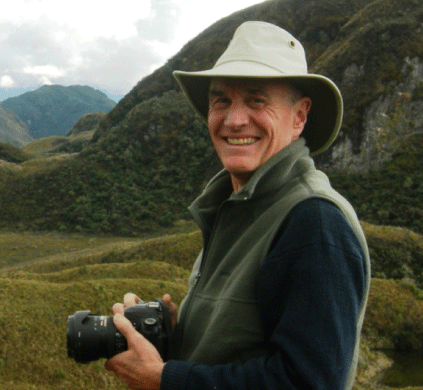
California Academy of Sciences 55 Music Concourse Dr 94118, San Francisco, CA, United StatesWhat effects have other species had on the distribution of humans around the world, and what effect have we had, in turn, on their distribution? And how have human populations affected each other’s geography, even existence? Alexander Harcourt brings these topics together to help us understand why we are, what we are, where we are.
$15Humankind: How Biology and Geography Shape Human Diversity
California Academy of Sciences 55 Music Concourse Dr 94118, San Francisco, CA, United StatesWhat effects have other species had on the distribution of humans around the world, and what effect have we had, in turn, on their distribution? And how have human populations affected each other’s geography, even existence? Alexander Harcourt brings these topics together to help us understand why we are, what we are, where we are.
$15

Science Speakeasy – Out of This World: From Caves to Space
Public Works 161 Erie Street, San Francisco, CA, United StatesPrepare for some extreme science! First, we’ll explore the depths of our past with Alia Gurtov, one of six “underground astronaut” archaeologists who excavated the newly discovered Homo naledi fossils in Rising Star Cave in South Africa. Then we’ll explore the far reaches of our future with Ariel Waldman, founder of SpaceHack.org and author of “What’s it Like in Space?”, who will tell us what it’s like in space and share ways you can explore space too.
$10Science Speakeasy – Out of This World: From Caves to Space
Public Works 161 Erie Street, San Francisco, CA, United StatesPrepare for some extreme science! First, we’ll explore the depths of our past with Alia Gurtov, one of six “underground astronaut” archaeologists who excavated the newly discovered Homo naledi fossils in Rising Star Cave in South Africa. Then we’ll explore the far reaches of our future with Ariel Waldman, founder of SpaceHack.org and author of “What’s it Like in Space?”, who will tell us what it’s like in space and share ways you can explore space too.
$10

Science Speakeasy – Evolution and Gender Revolution
Public Works 161 Erie Street, San Francisco, CA, United StatesThis Science Speakeasy celebrates gender diversity. Explore the evolutionary origins of gender with evolutionary anthropologist Stephanie Meredith, whose fieldwork with primates has taken her to Madagascar and Ethiopia. Then learn about Bay Area LBGT History with historian and award-winning writer and filmmaker, Susan Stryker.
$10Science Speakeasy – Evolution and Gender Revolution
Public Works 161 Erie Street, San Francisco, CA, United StatesThis Science Speakeasy celebrates gender diversity. Explore the evolutionary origins of gender with evolutionary anthropologist Stephanie Meredith, whose fieldwork with primates has taken her to Madagascar and Ethiopia. Then learn about Bay Area LBGT History with historian and award-winning writer and filmmaker, Susan Stryker.
$10

Science Speakeasy – A Giant Advantage: Baseball in Our Bones
Public Works 161 Erie Street, San Francisco, CA, United StatesIn this Science Speakeasy we’re stepping up to the pitcher’s mound! Explore the connection between precision throwing and our evolutionary split from other primates with evolutionary biologist Nathan Young. Then, San Francisco Giants’ official orthopedic surgeon Ken Akizuki will share how he keeps our Giants’ pitchers in optimum condition to win.
$10Science Speakeasy – A Giant Advantage: Baseball in Our Bones
Public Works 161 Erie Street, San Francisco, CA, United StatesIn this Science Speakeasy we’re stepping up to the pitcher’s mound! Explore the connection between precision throwing and our evolutionary split from other primates with evolutionary biologist Nathan Young. Then, San Francisco Giants’ official orthopedic surgeon Ken Akizuki will share how he keeps our Giants’ pitchers in optimum condition to win.
$10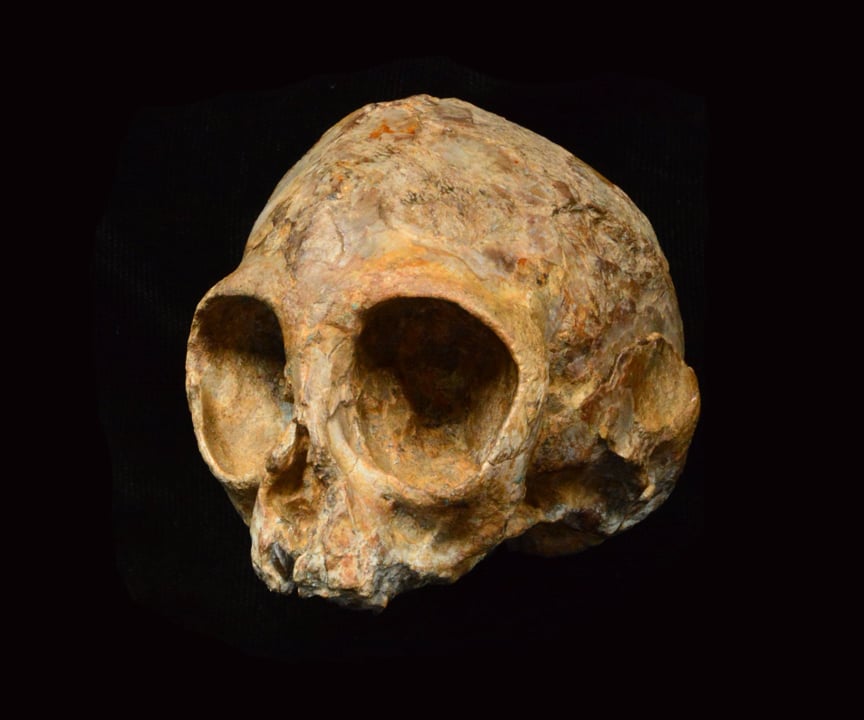

Alesi: The Life, Death, and Discovery of an Ancestor
Walter Payton College Prep High School 1034 N. Wells St., Chicago, IL, United StatesThe recent discovery of a 13 million-year-old fossil infant ape skull has offered a rare glimpse of what the common ancestor of all living apes and humans may have looked like. The fossil, nicknamed “Alesi,” was discovered by a member of Dr. Isaiah Nengo’s research team. In this talk, Dr. Nengo will share the story of finding this rare fossil and discuss what cutting-edge technology has uncovered about the life of this ancient infant.
FreeAlesi: The Life, Death, and Discovery of an Ancestor
Walter Payton College Prep High School 1034 N. Wells St., Chicago, IL, United StatesThe recent discovery of a 13 million-year-old fossil infant ape skull has offered a rare glimpse of what the common ancestor of all living apes and humans may have looked like. The fossil, nicknamed “Alesi,” was discovered by a member of Dr. Isaiah Nengo’s research team. In this talk, Dr. Nengo will share the story of finding this rare fossil and discuss what cutting-edge technology has uncovered about the life of this ancient infant.
Free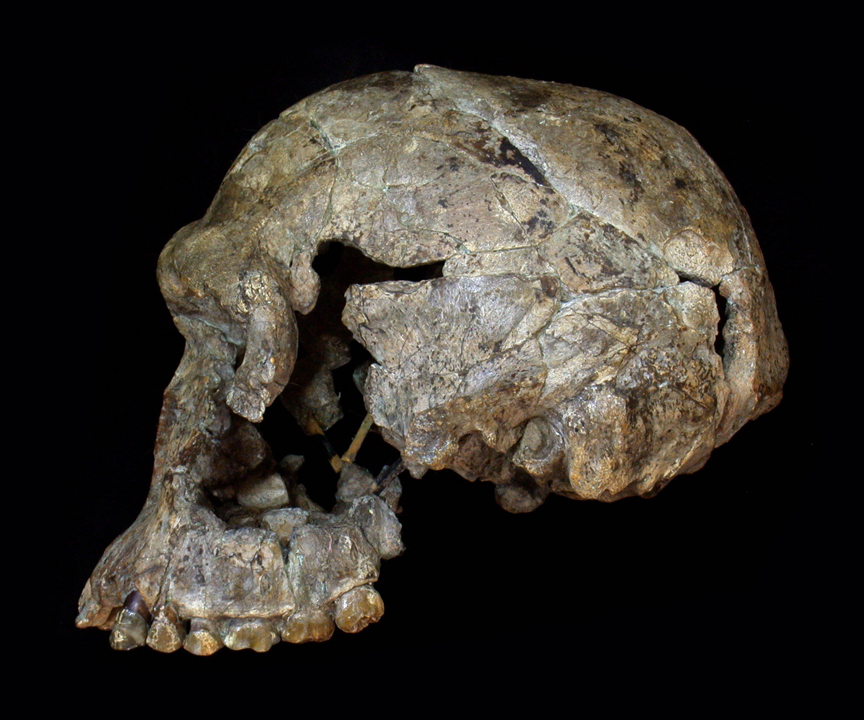
The Origins of the Genus Homo
California Academy of Sciences 55 Music Concourse Dr 94118, San Francisco, CA, United StatesIn this talk, paleoanthropologist Dr. Bernard Wood will survey the history of attempts to find fossils of the earliest members of the genus Homo, including very recent and controversial additions. He will review the complications that arise from defining the genus and discuss how half-a-century of paleontological research has taught him what to look for within the hominin fossil record when searching for the origins of our genus Homo.
$15The Origins of the Genus Homo
California Academy of Sciences 55 Music Concourse Dr 94118, San Francisco, CA, United StatesIn this talk, paleoanthropologist Dr. Bernard Wood will survey the history of attempts to find fossils of the earliest members of the genus Homo, including very recent and controversial additions. He will review the complications that arise from defining the genus and discuss how half-a-century of paleontological research has taught him what to look for within the hominin fossil record when searching for the origins of our genus Homo.
$15
Events
Archives: Events
12 events found.