Human Origins
Researchers report thousands of fossils and artifacts left by Denisovans at Bianfu Cave, China
By Bridget Alex
During a pleasant spell of the last Ice Age, a group of humans moved through a pine forest. Back home, in a cave on the edge of the Tibetan Plateau, they whacked stones into tools, used to slice meat and pound marrow from a freshly killed water buffalo.
For generations, the community and their descendants returned to that cave. Now, some 100,000 years later, analyses of their dinner scraps, artifacts, and bones have granted fresh insights about the residents, who were members of human evolution’s most mysterious branch: the Denisovans.
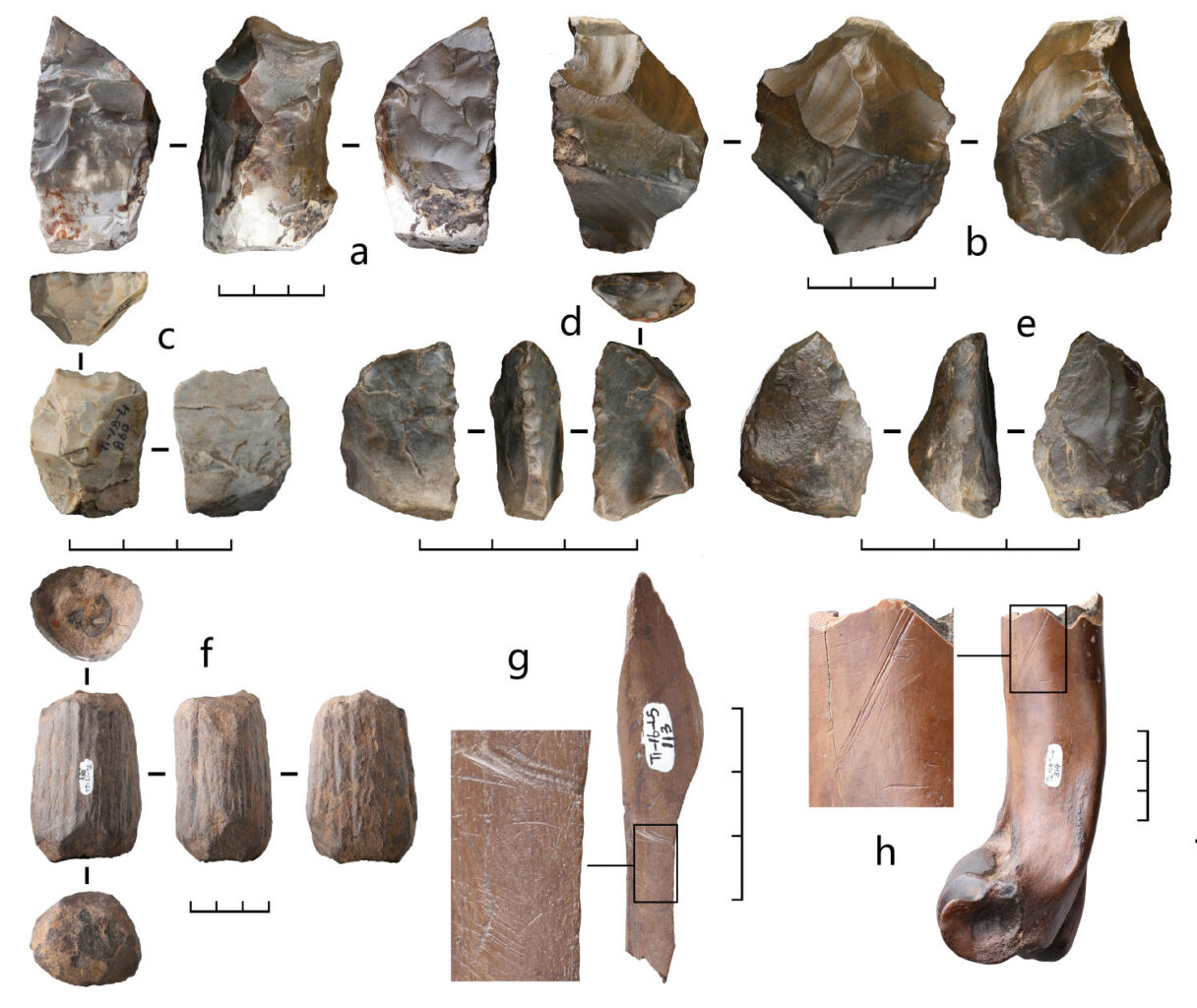
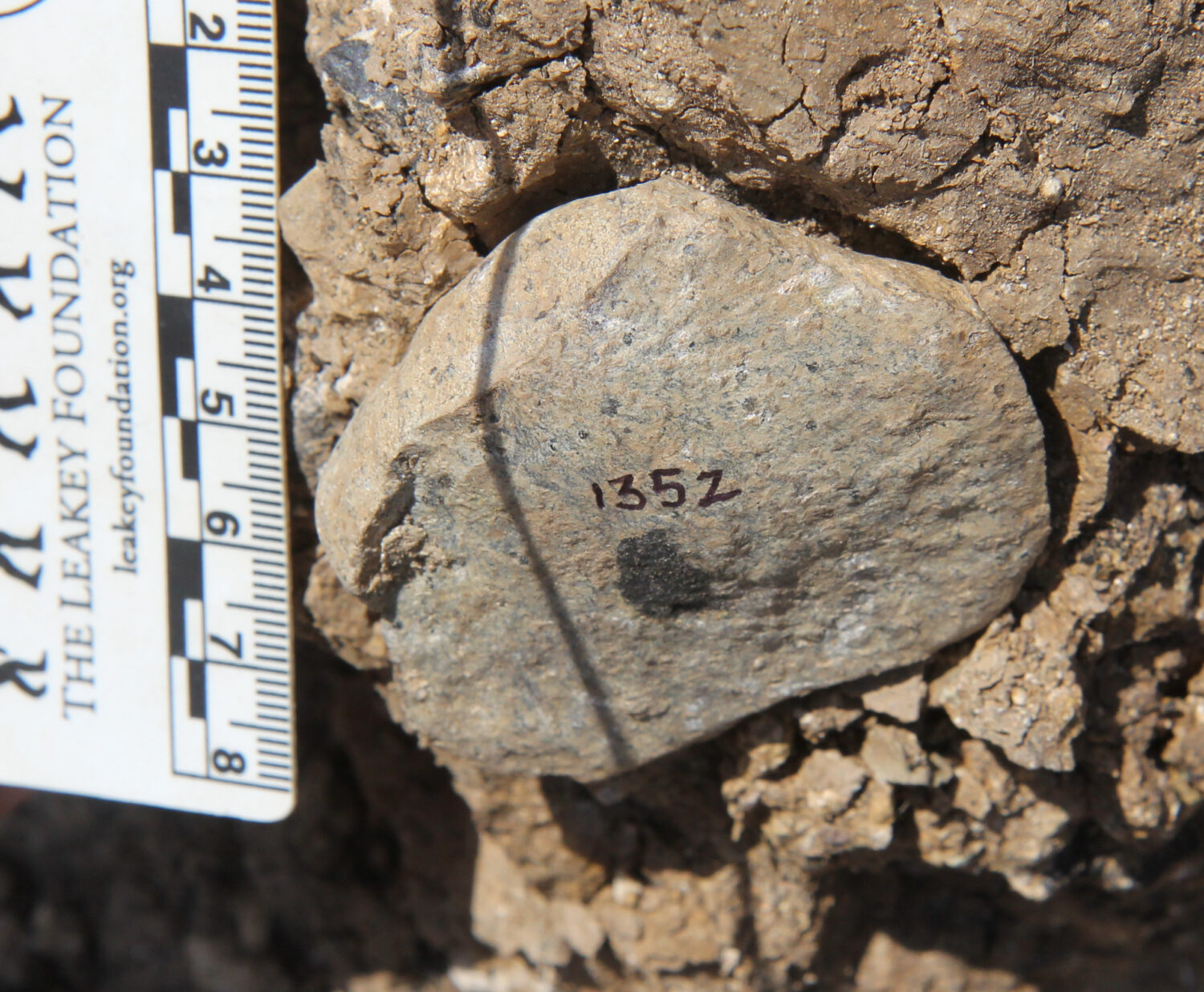
A pair of Nature studies recently reported the finds, which were excavated from Bianfu Cave, China, and include seven Denisovan bones, 1,366 stone tools, and more than 64,000 mammal fossils. The research sheds light on Denisovan appearance, behaviors, and habitats.
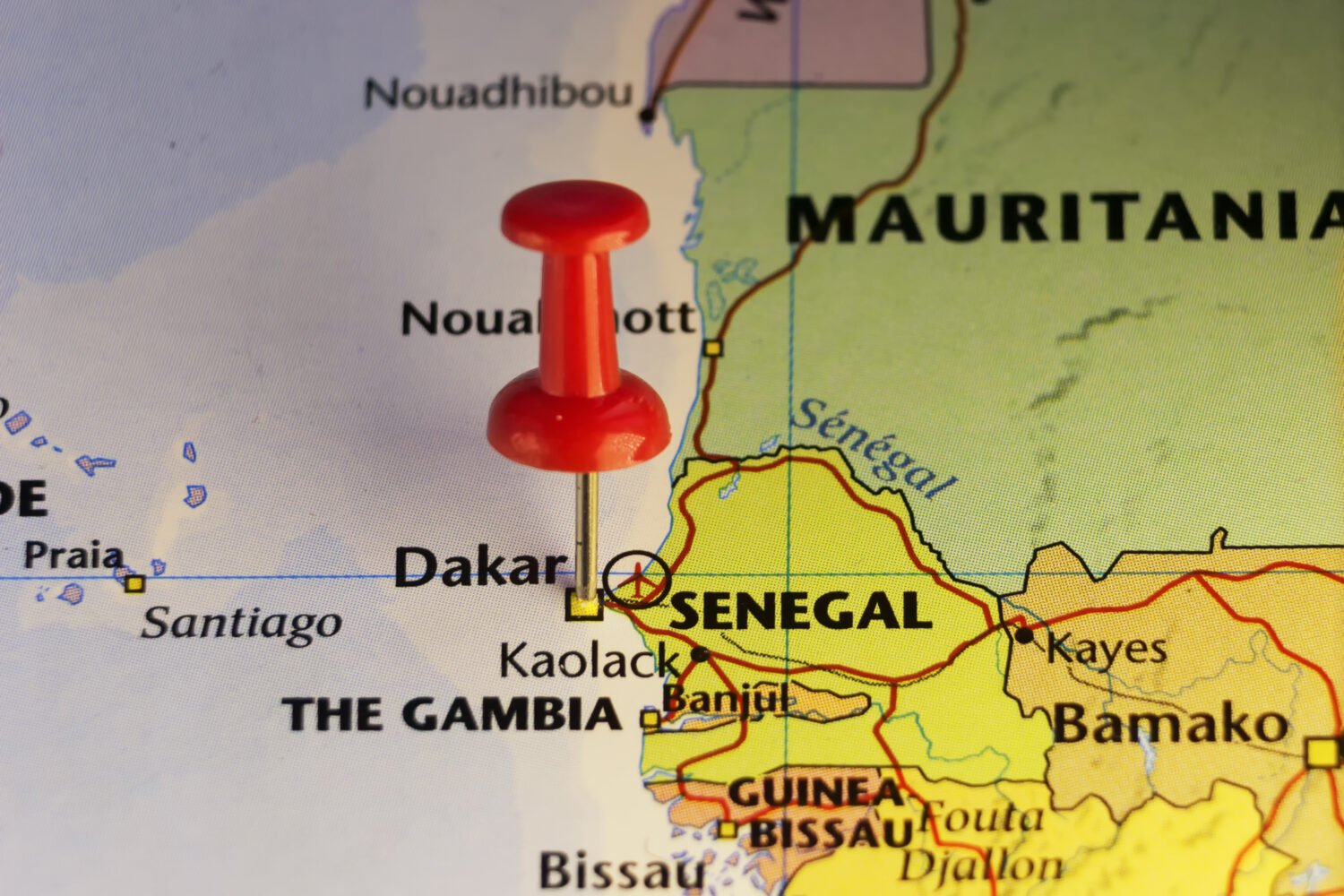
The discovery adds to the expanding map of Denisovan sites, which shows these humans roamed a vast territory across Siberia, the Tibetan Plateau, eastern China, and now Bianfu in southwest China. “Denisovans were obviously able to adapt to different environments,” says University of Copenhagen anthropologist Fabrice Demeter, a Leakey Foundation grantee and coauthor of one of the new studies.

Discovering Denisovans
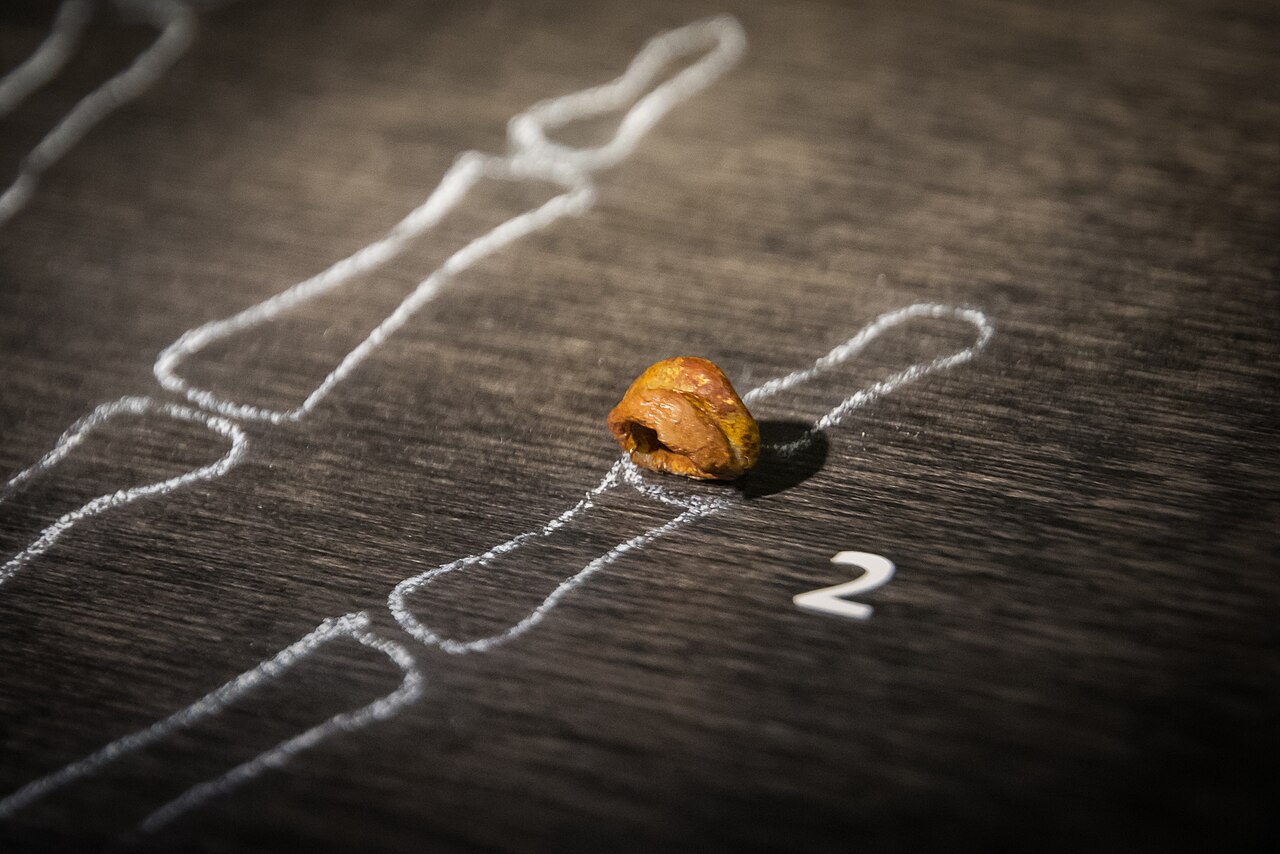
Denisovans’ existence only became known in 2010, when ancient DNA from a pinky bone showed it belonged to a human type that was distinct from, but living at the same time as, Neanderthals and Homo sapiens. Based on tallies of genetic differences, all three human types shared ancestors until roughly 700,000 years, when the evolutionary branch leading to modern humans split from the branch leading to both Denisovans and Neanderthals. By about 500,000 years ago, their ancestors also parted ways, with Neanderthals evolving to the west in Europe and Denisovans to the east in Asia.

Since that first pinky surfaced in a Siberian cave called Denisova, scientists have identified few more. Some loose teeth, two jawbones, and one skull (and a bone fragment from a Denisovan-Neanderthal hybrid) have been published in scientific journals and two leg bones appear in a report that has not yet been peer-reviewed. But Denisovans must have been widespread because these fossils have come from sites in Russia, China, and the Taiwan Strait. And a 2022 study, led by Demeter, suggested Denisovans reached what is now Laos, based physical properties of a tooth his team discovered in a site called Tam Ngu Hao 2 or Cobra Cave. With a Leakey Foundation research grant awarded in 2023, he is continuing research in Cobra Cave and the surrounding region of northern Laos.
Only two sites with Denisovan fossils have also yielded artifacts: Denisova Cave, where it’s difficult to say who made what because H. sapiens and Neanderthals also visited, and Baishiya Cave in Tibet, for which a detailed study of the stone tools has not been published.
A window into Denisovan daily lives
With few fossils or artifacts tacked to their legacy, Denisovans are mostly known from DNA and proteins pried from their teeth and bones. The work has revealed where Denisovans fit in the evolutionary tree, their unique genetic traits, and evidence they mated with both Neanderthals and H. sapiens. But it doesn’t say much about Denisovan culture or daily lives.
Scientists needed a site where Denisovan fossils became buried along with their crafted items, butchered prey, and plant remains reflective of the paleoenvironment. Bianfu Cave answered that call.
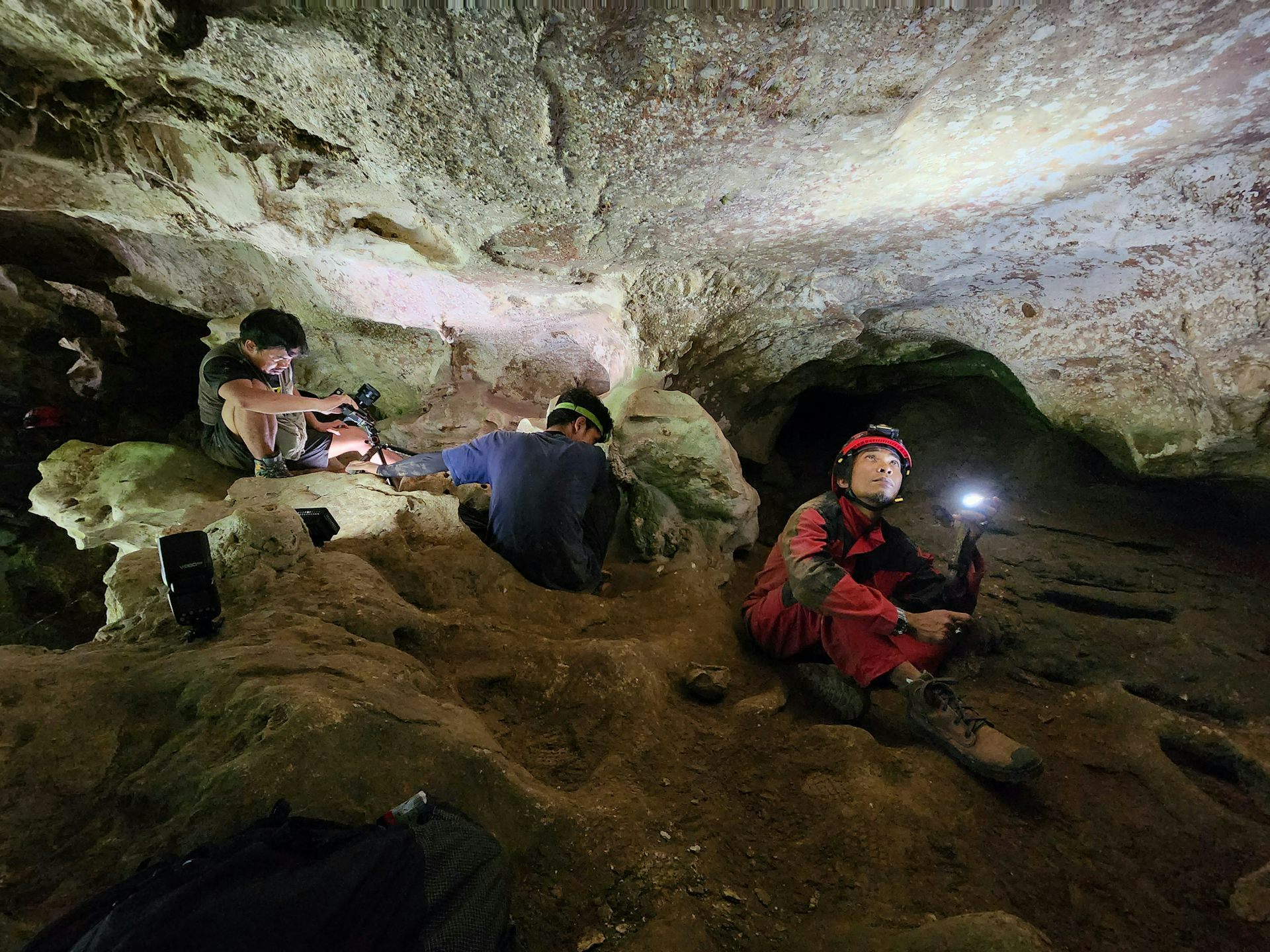
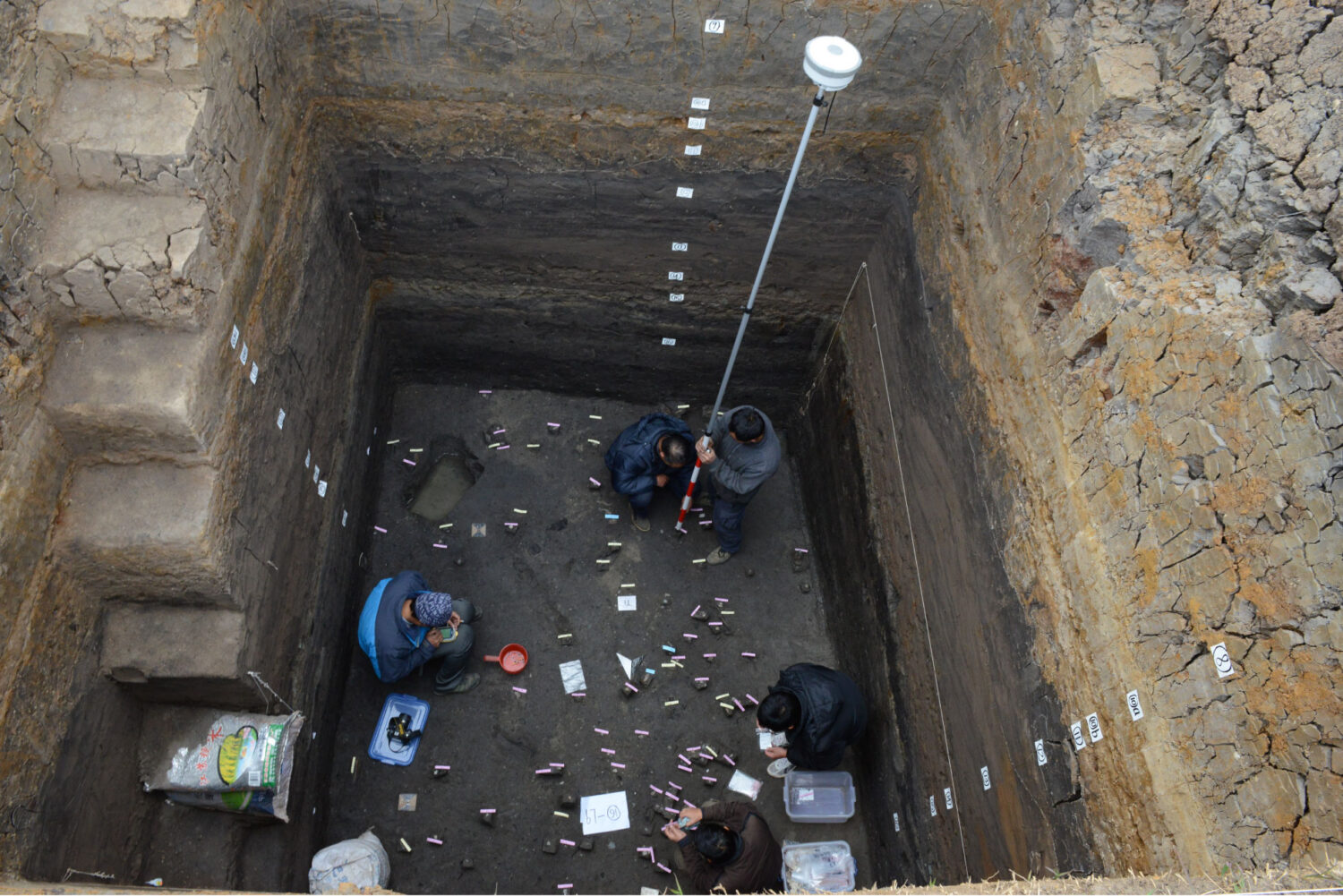
In 2019, researchers launched excavations in Bianfu, perched about 1.5 miles above sea level in China’s Yunnan Province. With collaborators across China and Europe, the project was led by the Chinese Academy of Sciences and the Yunnan Provincial Institute of Cultural Relics and Archaeology. After digging a few feet into the cave floor, researchers started to uncover fossils and artifacts in sediment layers dated between 70,000 and 190,000 years old.
Ancient proteins identify Denisovans
In one resulting study published this September, researchers inspected more than 60,000 animal bones, seeking any that might be hominins. Twenty-two promising candidates were chosen for protein analysis in the laboratory led by Qiaomei Fu of the Chinese Academy of Sciences. The physical examinations and protein work narrowed the collection down to seven human fossils, from at least four individuals ranging in age from a 5-year-old to adulthood.
However, deciphering which type of humans required more testing. From five of the fossils, Fu’s team captured collagens, the major proteins in bone. Among its building blocks, the collagen had a marker that she has previously shown to be present in Denisovans but absent in Neanderthals or H. sapiens. Other proteins extracted from tooth enamel strengthened the case that the specimens came from Denisovans. These newly confirmed Denisovans include a molar, premolar, two pieces of skull, and part of an arm bone.
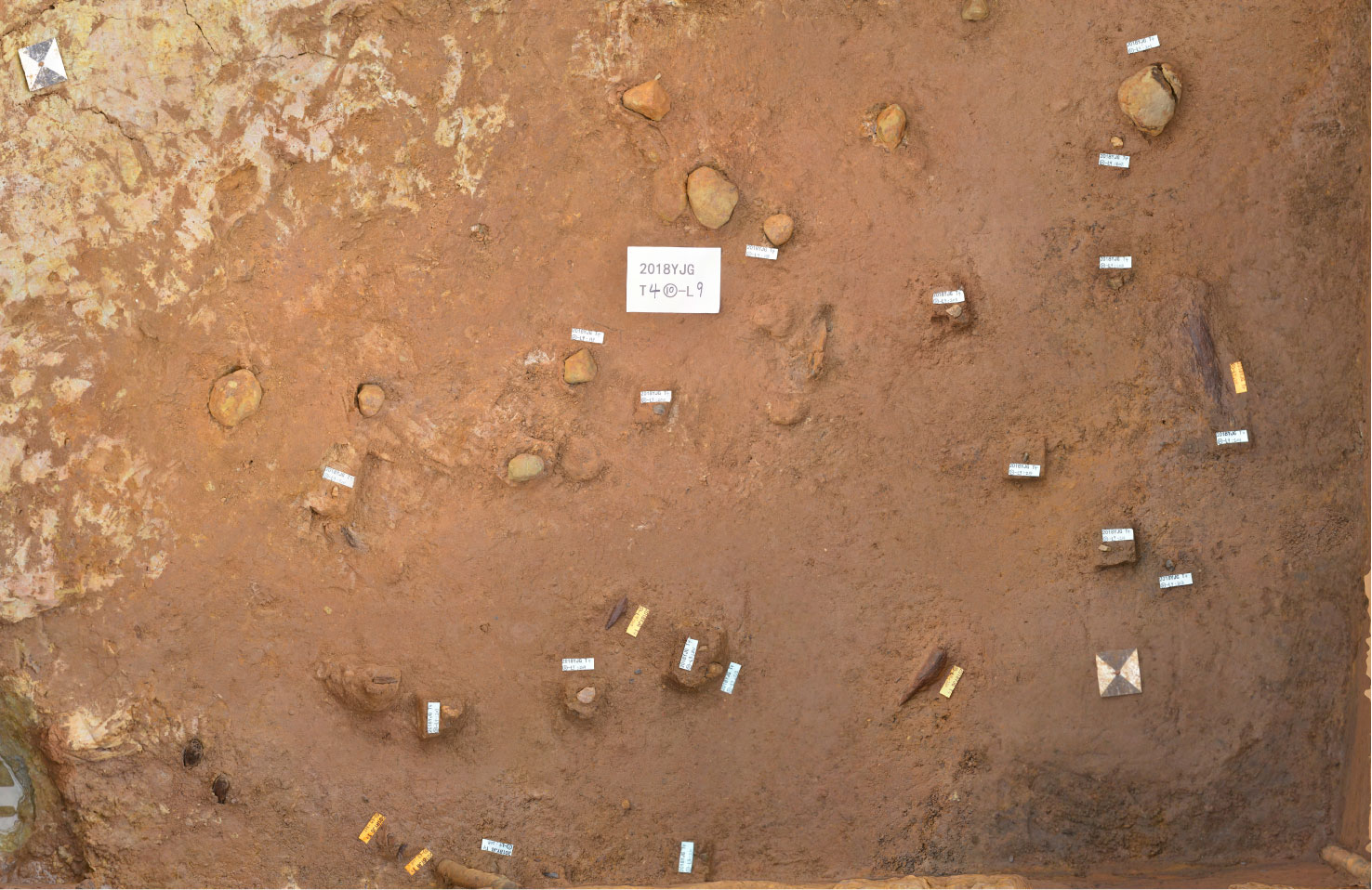
The recovered artifacts, animal bones, and pollen were examined in a companion study. “The 1,300-plus artifacts, including flakes and core tools, is amazing,” says Demeter. The collection documents what they were producing and using to kill and butcher animals, he adds. These Denisovans swiftly shaped bones and knocked pieces from stones to make simple but handy tools that could scrape, notch, chop, and hammer.
Tens of thousands of mammal fossils provide a window into the Bianfu Denisovans’ tastes or hunting habits: They mostly dined on medium to large prey such as sika deer, water buffalo, and gaur, a type of bison. The presence of these animals, along with pollen from Bianfu, suggests these Denisovans enjoyed a temperate climate in a pine-covered forest—what the study authors called a “hunting paradise.”
And there are probably more Denisovan finds to come from this once-paradise. Archaeologists have found 19 other Stone Age sites in the province. It’s a good bet those sites also hold Denisovan remains, hidden since their heyday.
Read the research
Rao, H., Xing, S., Ruan, Q. et al. Ancient proteins identify various Denisovan remains from Southwest China. Nature (2026). https://doi.org/10.1038/s41586-026-10976-9
Ruan, Q., Li, H., Xing, S. et al. Denisovans from southwestern China and their subsistence strategies. Nature (2026). https://doi.org/10.1038/s41586-026-10997-4
Bridget Alex is an anthropologist, educator, and science writer based in Somerville, MA. She teaches at Harvard and Tufts Universities.