
From the Field | Primate Research Fund | Primates
By Dr. Cheryl Knott, Boston University
Executive Director, Gunung Palung Orangutan Conservation Program and Gunung Palung Orangutan Project
When an unexpected funding crisis threatened one of the world’s longest-running studies of wild orangutans, The Leakey Foundation stepped in at exactly the right moment.
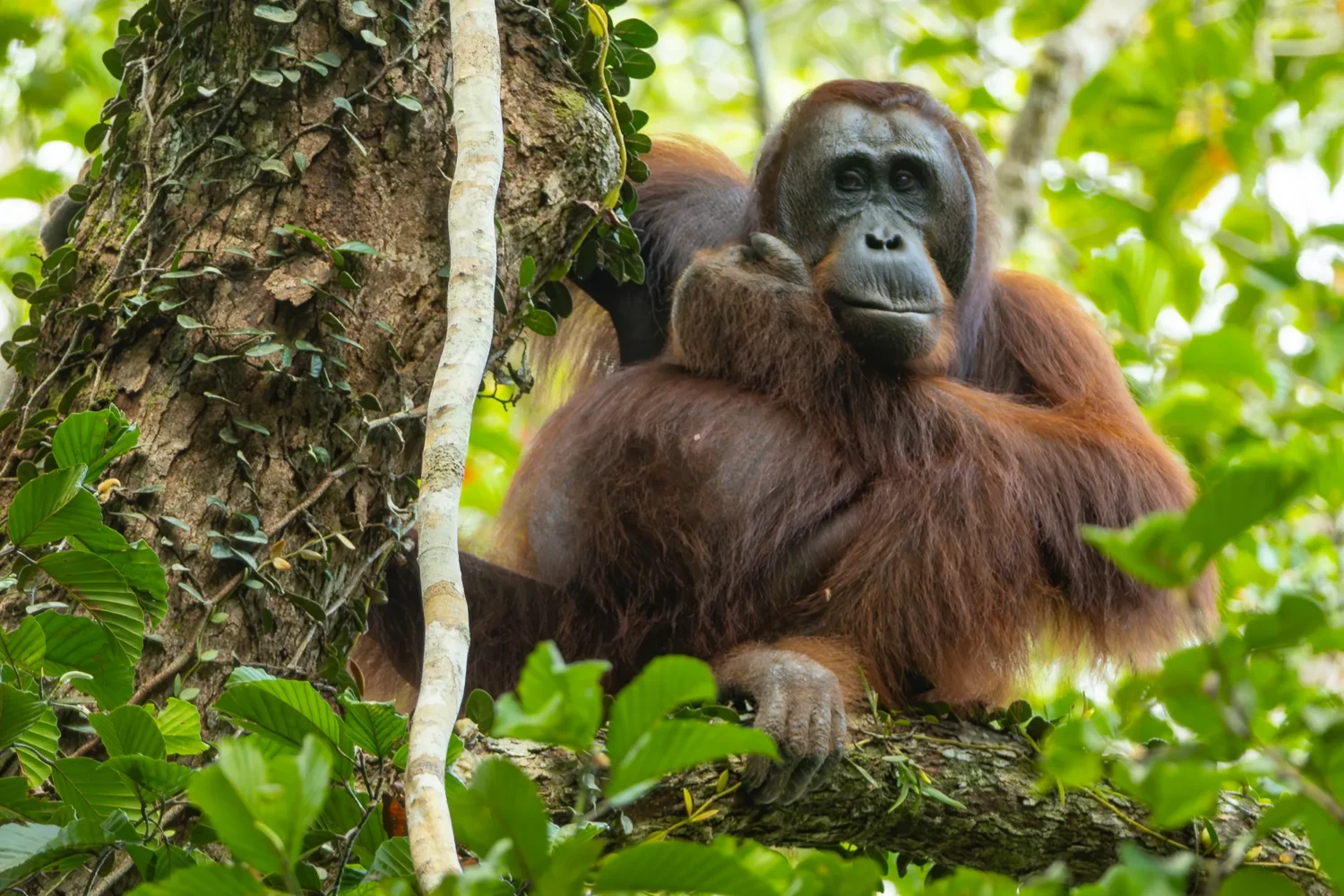
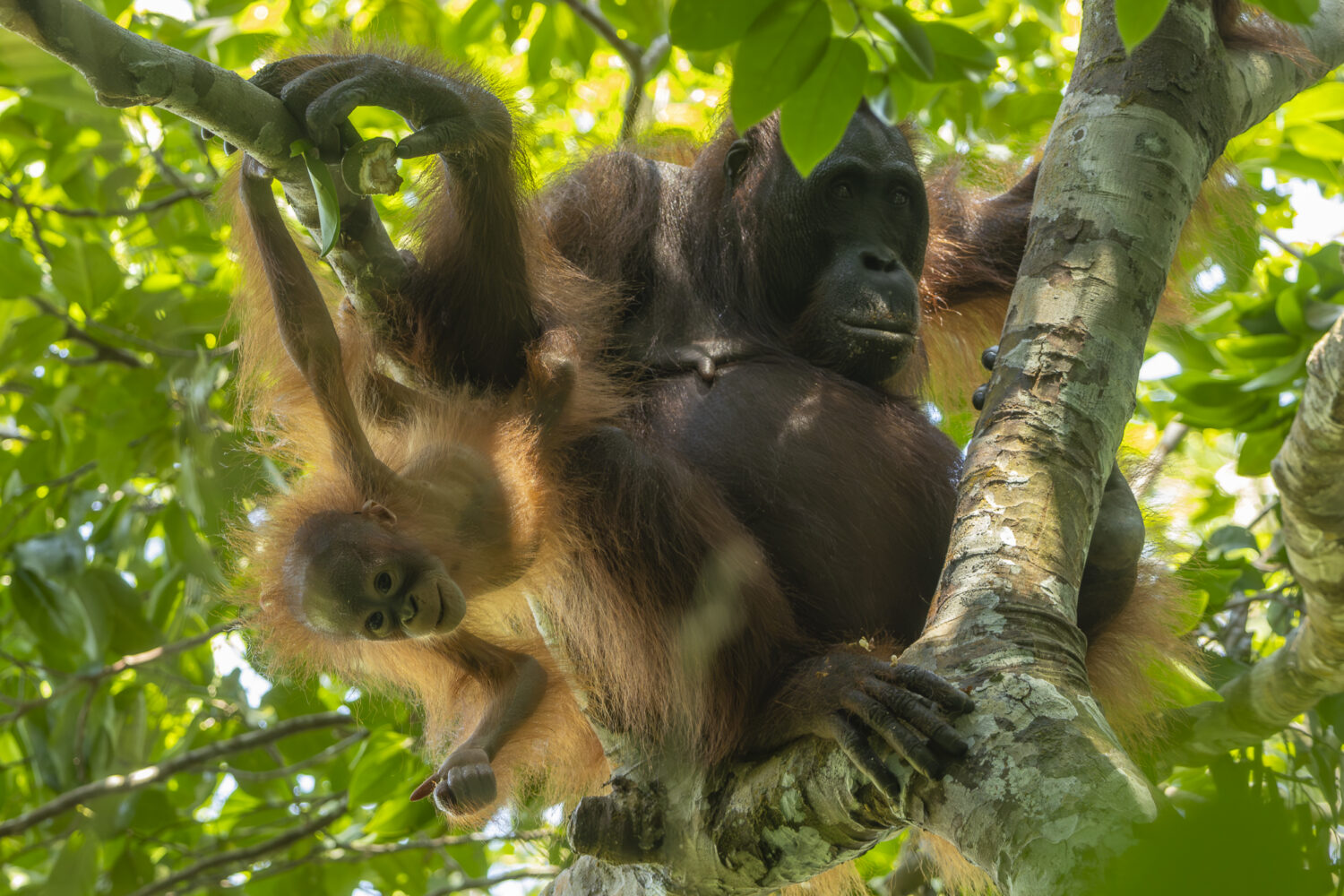
For more than 30 years, researchers at the Gunung Palung Orangutan Project have worked deep in the rainforest of Gunung Palung National Park in Indonesian Borneo. Every month, they monitor thousands of trees, follow wild orangutans from dawn until dusk, collect non-invasive biological samples, and record the changes that only decades of continuous observation can reveal. This uninterrupted record has become one of the world’s most valuable resources for understanding how great apes adapt to environmental change and for guiding their conservation.
Unexpected federal funding loss
In 2025, that continuity was suddenly at risk. The unexpected loss of a major U.S. federal grant created an immediate funding gap that threatened daily research operations at the Cabang Panti and Rangkong River Research Stations. Had those stations closed, even briefly, an irreplaceable scientific record stretching back more than three decades would have been broken.
Thanks to emergency support from The Leakey Foundation, that never happened. Experienced Indonesian field staff remained in place, research stations stayed open, equipment continued operating, and daily observations never stopped. Instead of scrambling simply to survive, the project continued to make important discoveries.
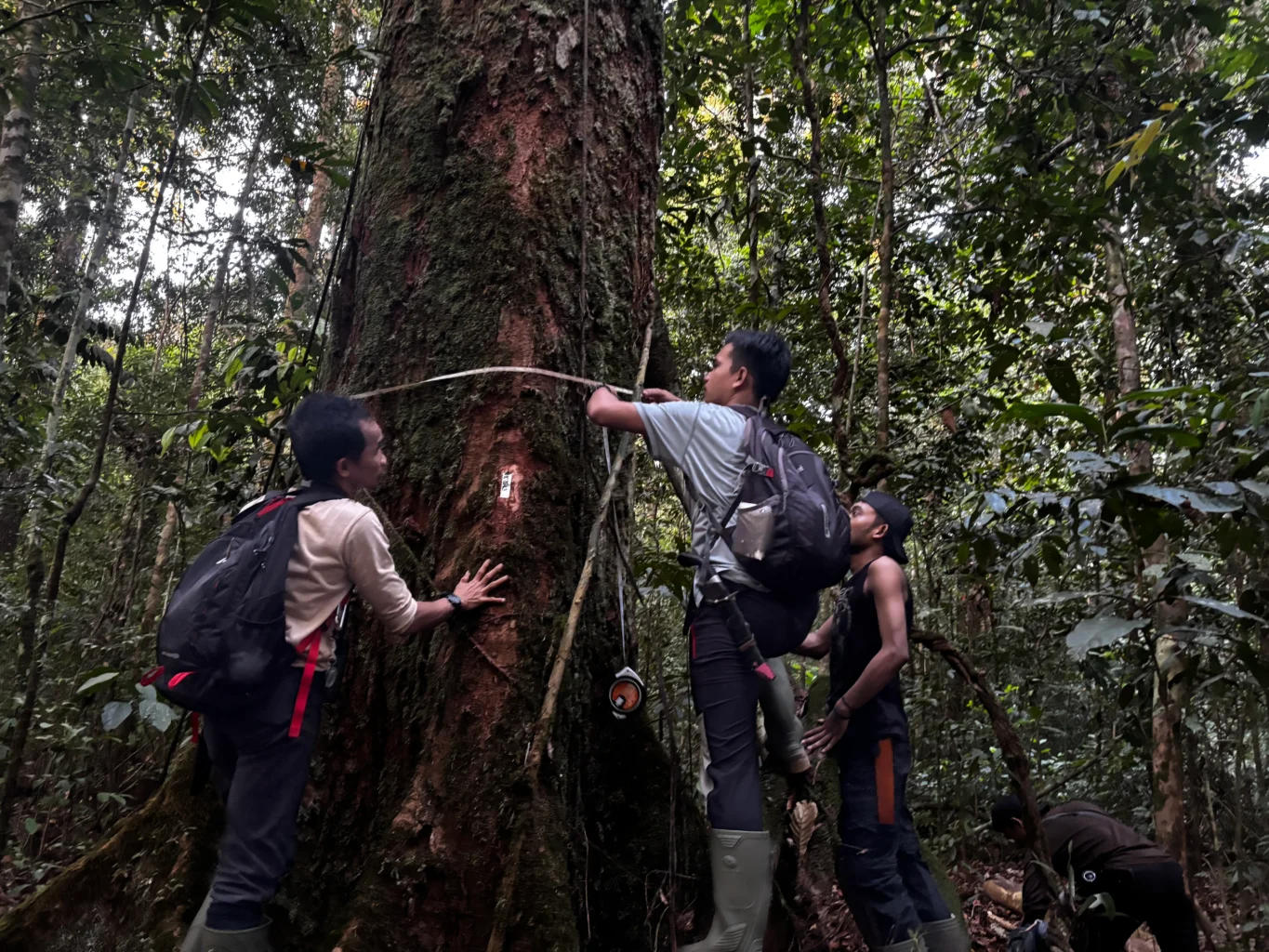
The timing proved especially fortunate. During the funding period, the forest experienced a rare mini-mast fruiting event, when many trees produced fruit at the same time. Because researchers were still in the field every day, they captured a unique picture of how orangutans responded to this sudden abundance of food. The team also expanded its botanical database, documented previously unrecorded plant species, and completed a major five-year remeasurement of thousands of monitored trees – adding another chapter to a dataset that now spans nearly four decades.
A new era of rainforest science
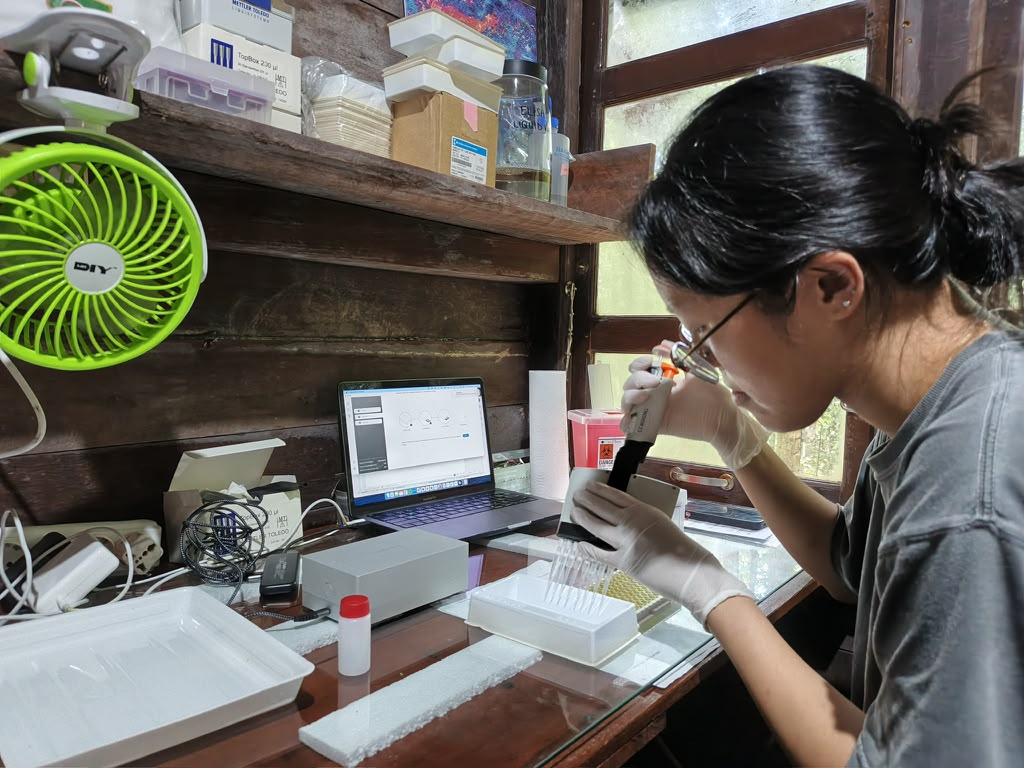
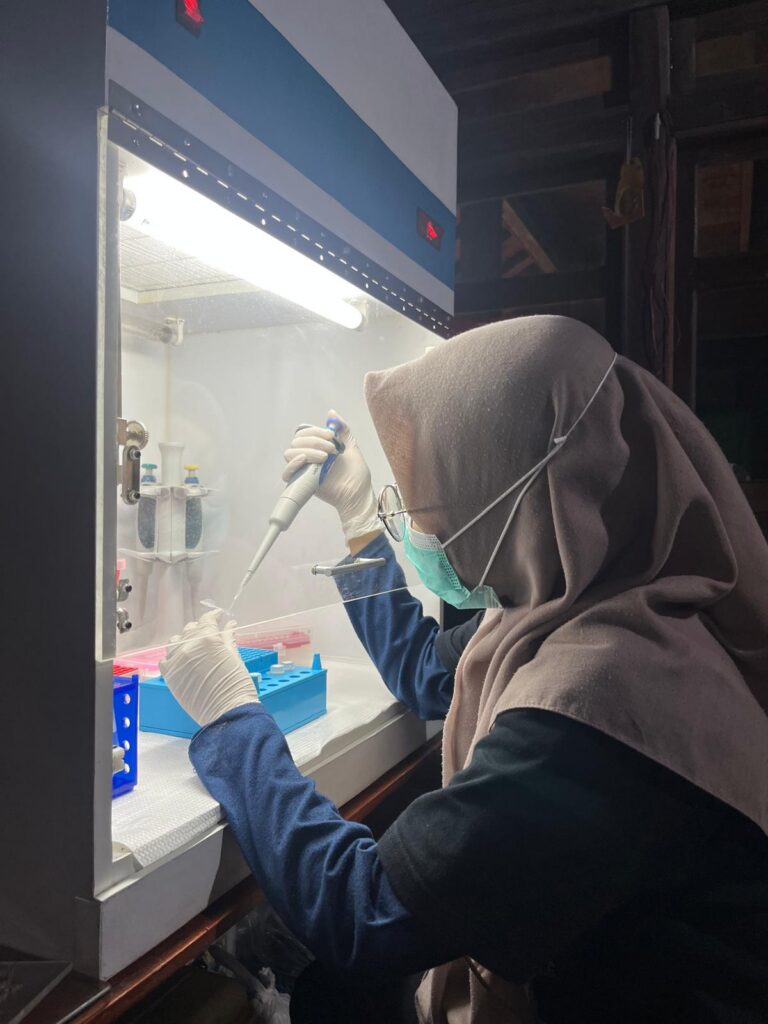
The Foundation’s support also helped move rainforest science into a new era. At Cabang Panti, researchers built an innovative in-situ laboratory capable of conducting hormone analyses, genetic research, and gut microbiome studies directly in the forest. Rather than waiting years for samples to be exported and processed overseas, both Indonesian and foreign scientists can now analyze many samples on-site while gaining advanced laboratory skills. This investment is building scientific capacity that will continue benefiting conservation and human origins research long into the future.
Local opportunities
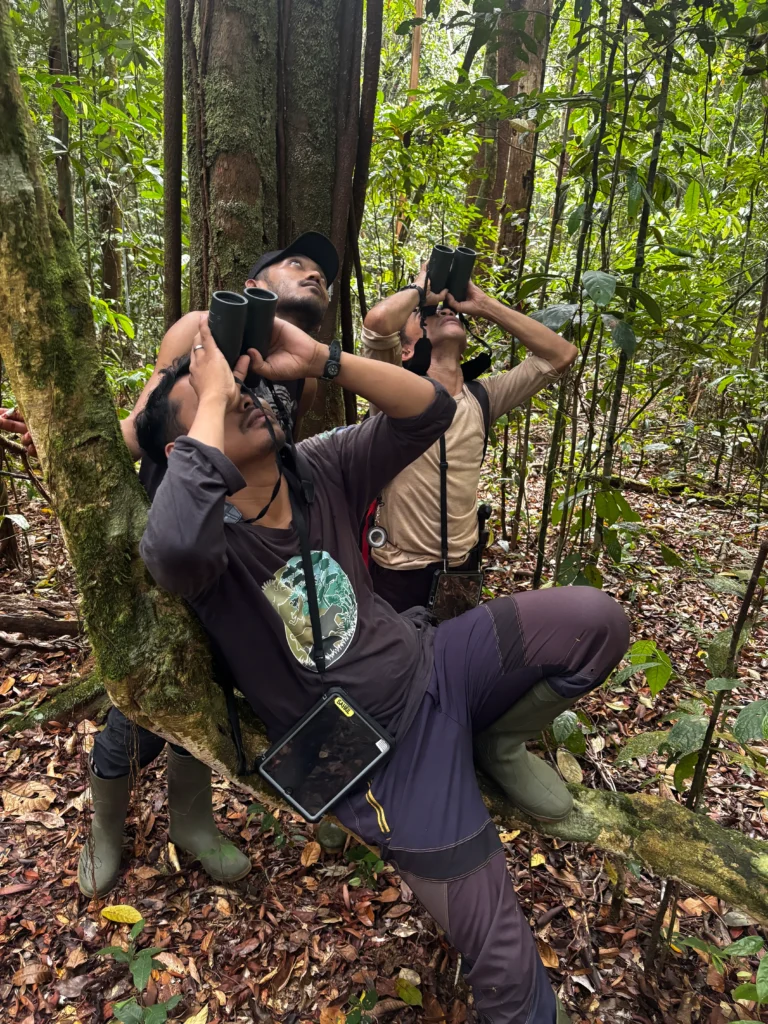
The impact reaches far beyond research. Leakey Foundation support provided opportunities for Indonesian university students, early-career scientists, and field assistants to receive hands-on training while strengthening long-standing partnerships with Indonesian universities and Gunung Palung National Park. Every day the stations remain active also means continued wildlife monitoring, stronger conservation partnerships, and better protection for one of the world’s most important orangutan populations.
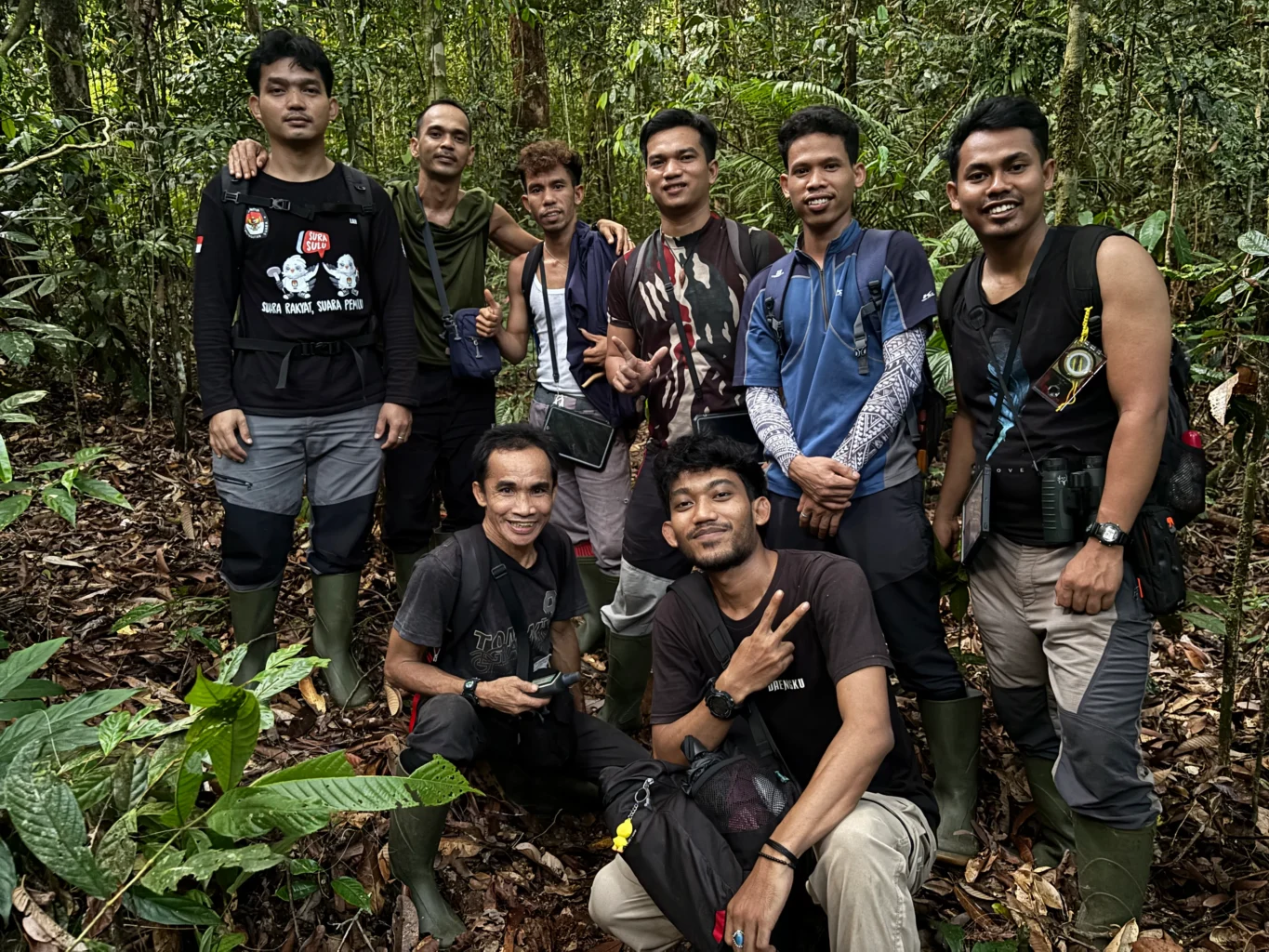
The Leakey Foundation’s investment did more than bridge a funding gap – it protected an irreplaceable legacy of scientific discovery. By preserving uninterrupted research, supporting Indonesian scientists, and enabling new technological advances, the Foundation ensured that one of the world’s most important long-term studies of wild orangutans continues to generate the knowledge needed to conserve these remarkable apes for generations to come.
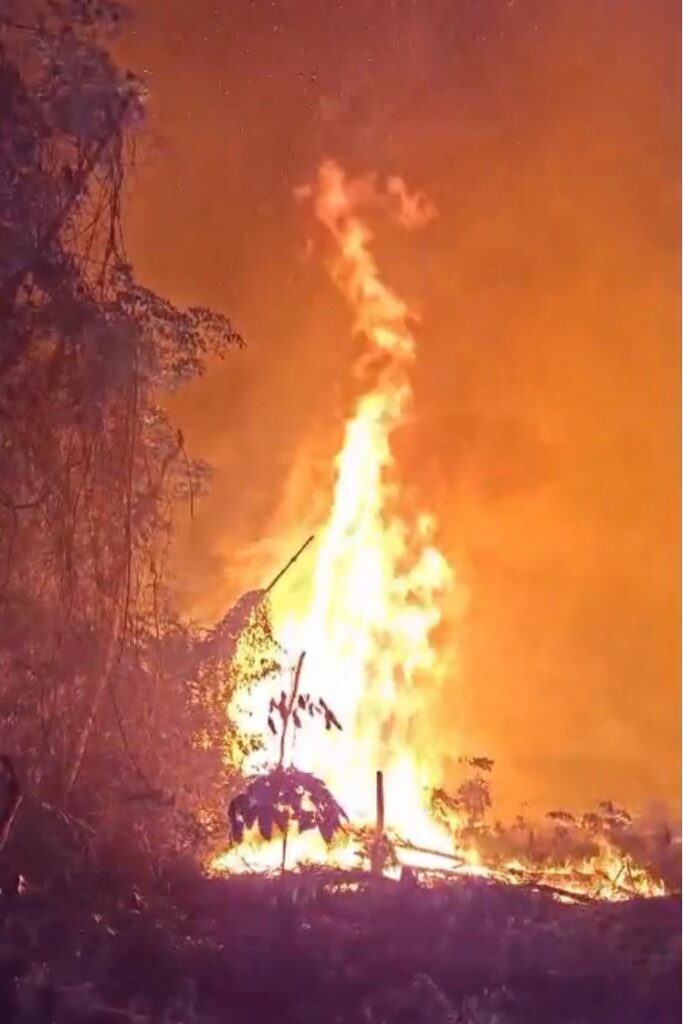
Bornean Orangutan Fire Emergency
The fire situation here in West Kalimantan has become extremely serious. An active fire crisis is now threatening critical wild orangutan habitat across our region. Ash is literally falling at our research station, and fires have broken out in the villages surrounding Gunung Palung National Park.
Tanjung Gunung Village, the gateway for the trail to our research station, is burning. Villagers, orangutan project staff, and National Park rangers are fighting to keep the access trail open, with the fire front now burning on both sides of the trail. Conditions are becoming increasingly dangerous for researchers and staff traveling through the area, but even more concerning is the threat to local residents. Last night, one of our field assistants had to leave the research station in the middle of the night because fires had advanced to within 50 meters of his home.
Orangutan habitat both inside and outside Gunung Palung National Park is also severely threatened. Our conservation program supports a network of community-managed Village Forests that protect significant orangutan populations and provide important habitat connections to the National Park. Fires are now threatening these forests, creating the very real possibility that we could lose a significant portion of this protected forest landscape. These forests have effectively become refuges for orangutans that have already lost their habitat once. If these remaining forests burn, many of these animals have nowhere else to go.
Firefighting is particularly difficult because there are no nearby rivers or canals in some of the affected areas. Community members are attempting to dig down to reach groundwater. Right now, access to water is one of our greatest challenges. We urgently need people with the expertise and equipment to drill down to the water table and establish reliable water points within the forest. We also need substantially more fire hose so that water sources can be established in relatively safe locations while allowing firefighters to reach fires hundreds of meters away.
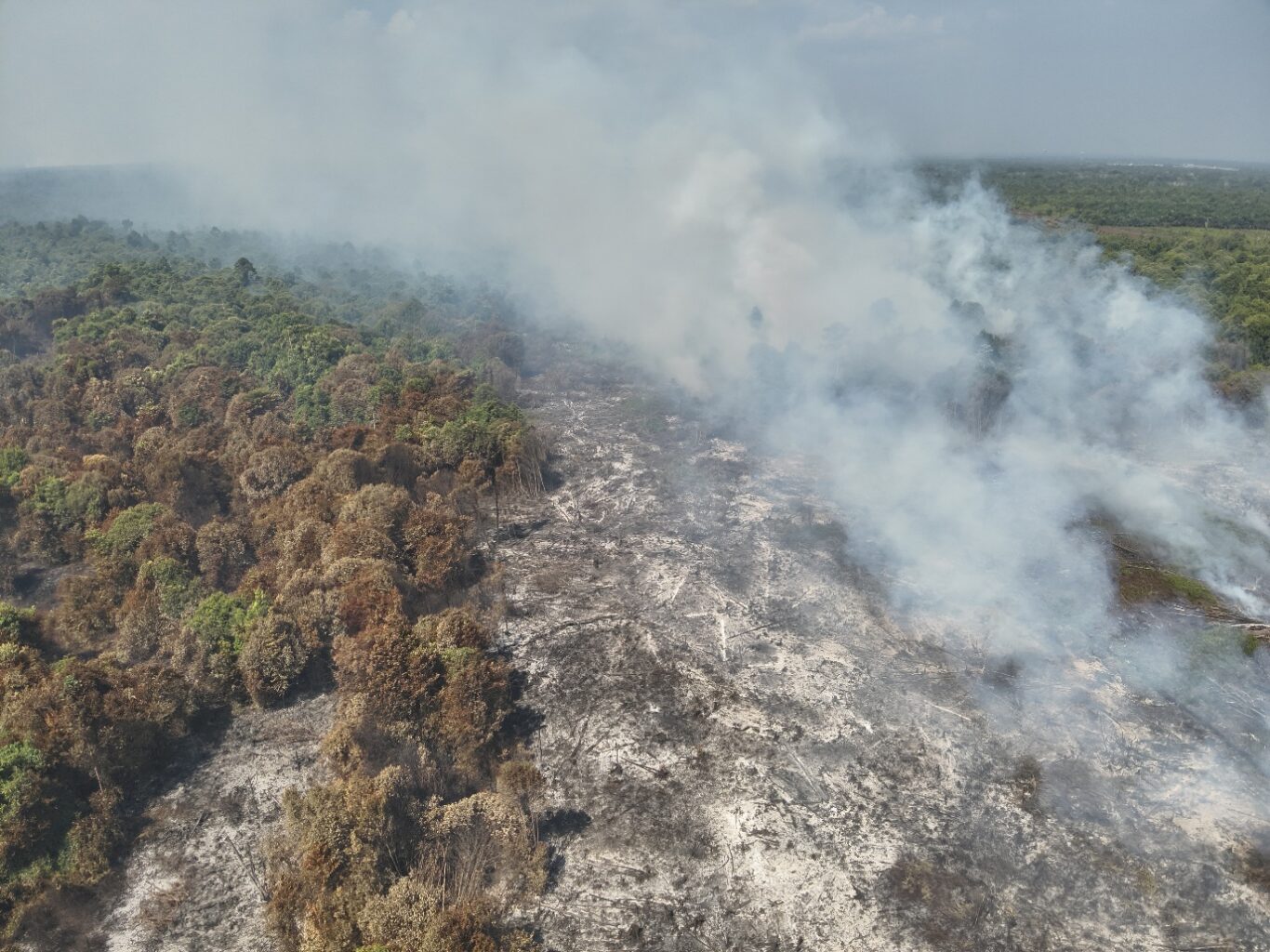
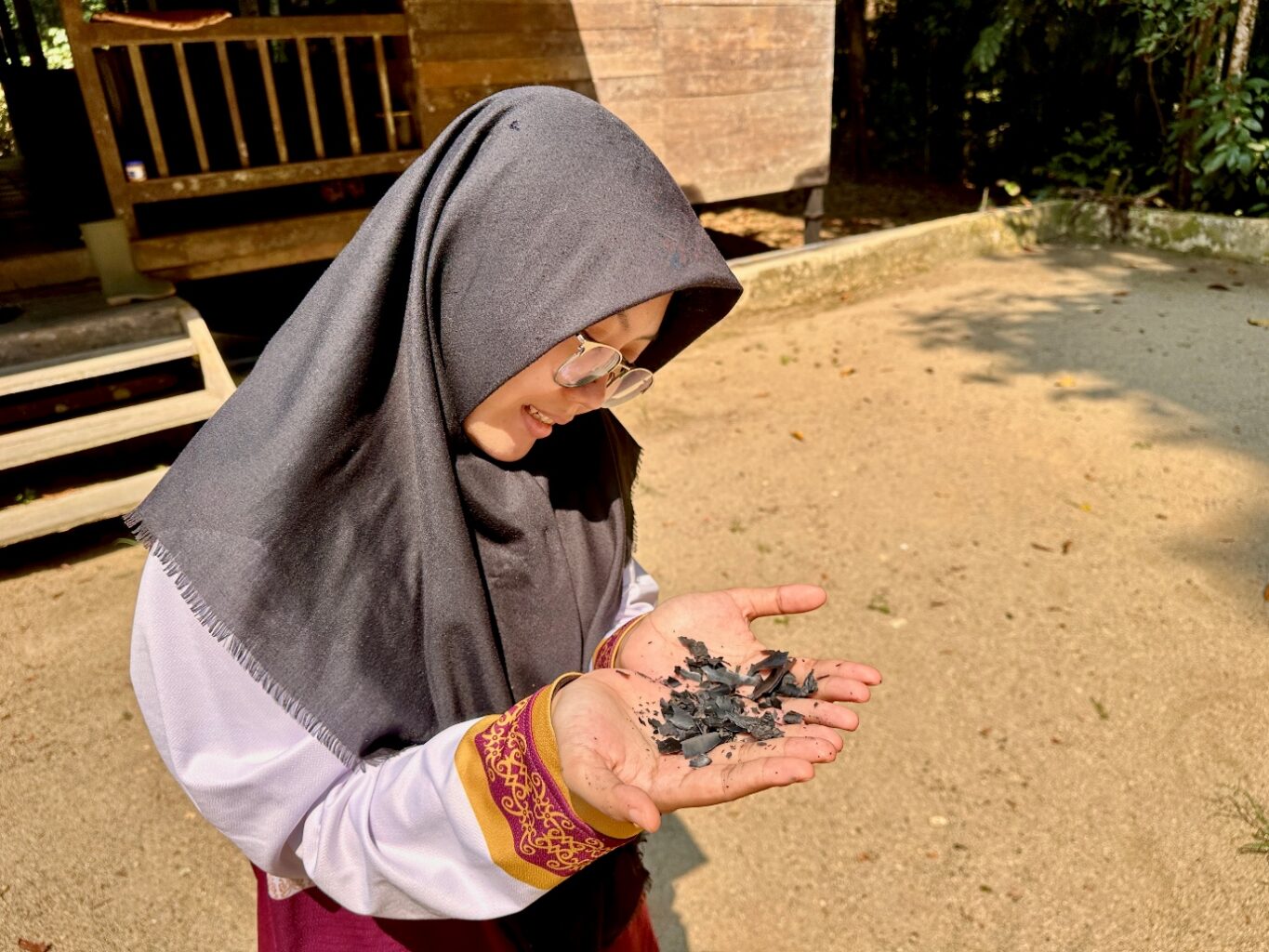
The fires are also creating a growing threat to human health. Thick smoke is blanketing parts of the region, reducing visibility and exposing thousands of people to the hazardous smoke produced by burning vegetation and peat. Our community firefighting teams are working in extremely difficult and dangerous conditions, and one person has already been injured. Keeping these teams deployed requires additional personnel, protective equipment, food and logistical support, and the supplies necessary for them to work as safely and effectively as possible.
Local government resources are stretched extremely thin. Fires are breaking out across West Kalimantan, and the limited firefighting resources available—including water-bombing helicopters—must cover an enormous area. For the forests we are trying to protect, we are increasingly dependent on our own teams and the local communities fighting alongside us.
Emergency funds received now can put more firefighters into the field, purchase fire hose and protective equipment, establish desperately needed water sources, and help our teams hold the fire line before more forest is lost. Once the fires are under control, we will face another enormous challenge: assessing the damage and restoring the areas that have burned. But right now, our priority is clear: saving as much of this irreplaceable orangutan habitat as we possibly can.
Editor’s note: Wildfires are currently burning and smoke is blanketing the region around Gunung Palung National Park. Community firefighting teams remain on the ground every day, working in extremely difficult conditions to protect the Village Forests surrounding Gunung Palung National Park. With water increasingly difficult to access, they urgently need additional equipment, hose, protective gear, personnel, and new water sources to keep fighting.
Click to donate to the Gunung Palung Orangutan Project’s emergency fire-fighting fund.